Siding Trim and Soffit Guide: The Ultimate Exterior Authority
When embarking on a home exterior renovation, the focus often centers on the main siding panels. However, the true durability and aesthetic appeal of a property depend heavily on the finishing touches. This comprehensive Siding trim and soffit guide explores the critical components that protect your home’s structural integrity while providing a polished, professional appearance. By understanding the interplay between these elements, homeowners can make informed decisions during a vinyl siding replacement project.
The exterior envelope of a modern home is a complex system designed to manage moisture, regulate temperature, and resist mechanical stress. Trim and soffit are not merely decorative; they serve as the primary defense against wind-driven rain and nesting pests. Furthermore, they facilitate essential attic ventilation, which prevents ice damming in the winter and heat buildup in the summer. Neglecting these components can lead to premature failure of the entire siding system and potential damage to the underlying wooden framing.
In this guide, we will analyze the technical specifications, material choices, and installation methodologies required for a successful exterior overhaul. We will examine how different trim profiles complement various architectural styles and how modern soffit designs optimize airflow. Whether you are a property owner seeking to increase curb appeal or a contractor looking for technical depth, this analysis provides the necessary insights to navigate the complexities of exterior finishing.
The Fundamental Anatomy of Exterior Siding Systems
To appreciate the nuances of a high-quality installation, one must first understand the structural hierarchy of the exterior. The main siding panels cover the vast majority of the wall surface, but they cannot function in isolation. The system requires “accessories” or trim components to transition between different planes and to seal the edges of the installation. Without these transition pieces, water would easily penetrate the gaps where the siding meets windows, doors, and rooflines.
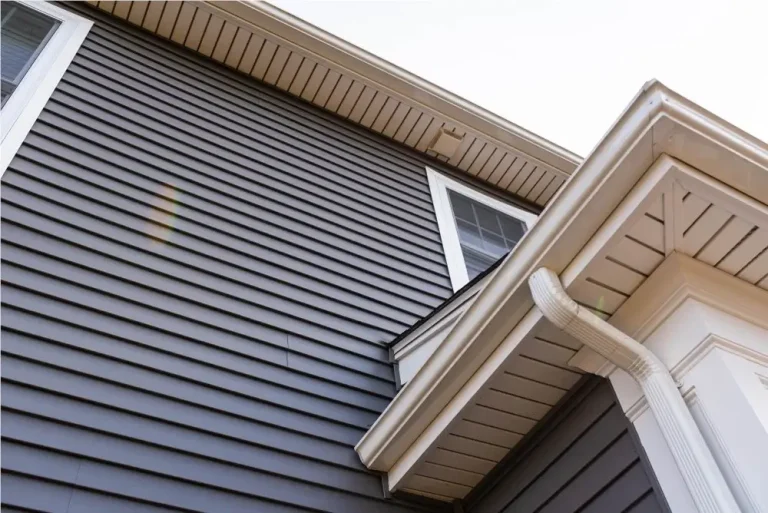
The soffit is the exposed undersurface of any exterior overhanging section of a roof eave. It plays a dual role by providing a finished look to the underside of the rafters and incorporating vents that allow the attic to “breathe.” In addition, the fascia is the vertical finishing edge of the roof overhang, where gutters are typically mounted. Together, the soffit and fascia form a cohesive barrier that protects the roof’s edge from rot and decay.
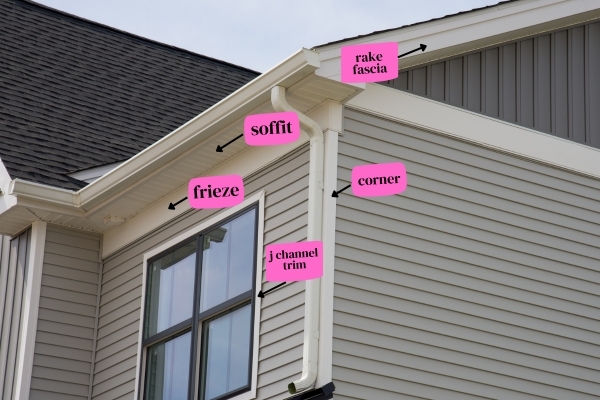
Trim serves as the visual frame for the home. It includes corner posts, window casings, and frieze boards that sit at the top of the wall. These elements are designed to accept the ends of the siding panels, hiding the raw edges and allowing for the natural expansion and contraction of the material. In the context of vinyl siding, these components must be installed with precise clearances to prevent buckling or warping during extreme temperature fluctuations.
Siding trim and soffit guide
In the realm of vinyl siding replacement, selecting the right trim profiles is essential for both function and form. The most common trim piece is the J-channel, which is a versatile profile used around windows, doors, and at the top of the walls. It features a deep pocket that hides the cut ends of the siding panels, ensuring a clean transition. However, using J-channel exclusively can result in a flat, uninspired look, which is why many premium installations incorporate wider “architectural” trim.
Window and door casings have evolved significantly. Modern vinyl trim kits allow for wide, 3.5-inch or 5-inch moldings that mimic the appearance of traditional wood millwork. These components often come with built-in “J-pockets,” which simplify the installation process while providing a substantial, high-end aesthetic. When choosing these profiles, consider the scale of your home; larger homes often require wider trim to maintain visual balance and architectural proportion.
Corner posts are another vital component of this Siding trim and soffit guide. Traditional corner posts are typically three inches wide, but designer options can reach six inches or more. You can choose between “outside corner posts” for standard corners and “inside corner posts” for interior junctions. High-quality vinyl corner posts often feature a foam backing, which provides extra rigidity and impact resistance in high-traffic areas of the yard.
The Role of F-Channel and J-Channel in Soffit Support
Installing a soffit requires specialized receiving channels to hold the panels in place. The F-channel is frequently used because its shape allows it to be nailed to the wall, providing a ledge for the soffit panel to rest upon. If the wall is already sided or if you are working with a unique architectural detail, a J-channel might be used instead to provide the necessary support. The choice between these two often depends on the specific geometry of the eave and the sequence of the siding installation.
Properly securing these channels is paramount for wind resistance. In high-wind zones, an unsecured soffit can be sucked out of its channel by negative pressure, exposing the attic to the elements. Therefore, installers must ensure that the receiving channels are fastened securely to the sub-fascia or the wall studs. This mechanical bond ensures that the soffit remains stable even during severe atmospheric events, maintaining the home’s protective shell.
Fascia Coverage and Gutter Integration
The fascia board is perhaps the most vulnerable part of the roofline because it bears the weight of the gutters and is directly exposed to rain. Traditional wood fascia requires constant painting and is prone to rot. In a comprehensive Siding trim and soffit guide, we recommend covering the wood fascia with aluminum or vinyl fascia wrap. This “cladding” creates a maintenance-free surface that protects the wood from moisture and UV degradation.
When installing fascia wrap, it is crucial to tuck the top edge under the drip edge of the roof. This ensures that any water running off the roof bypasses the fascia and enters the gutter or falls to the ground. If the fascia wrap is installed over the drip edge, water can seep behind the metal, leading to hidden rot in the rafters. Precision in this area is the hallmark of a professional installation and is a key factor in the longevity of the roof system.
Advanced Material Science in Siding Accessories
Not all vinyl is created equal. Modern siding trim and soffit components are manufactured using advanced PVC (polyvinyl chloride) formulations that include stabilizers and UV inhibitors. These additives prevent the material from becoming brittle or fading under the intense American sun. High-performance vinyl often features a “capstock” layer, which is a concentrated layer of high-grade material on the exterior surface for maximum weatherability.
Furthermore, some premium trim lines utilize cellular PVC. Unlike standard hollow vinyl trim, cellular PVC is solid throughout and has a density similar to white pine. It can be cut, milled, and nailed just like wood, but it will never rot or support mold growth. While more expensive than traditional vinyl, cellular PVC offers the most authentic wood-like appearance and is ideal for historic restorations or luxury custom homes.
Aluminum is another major player in the trim and soffit market. It is often used for fascia wraps and soffit panels because of its rigidity and crisp lines. Aluminum does not expand and contract as much as vinyl, making it an excellent choice for long, continuous runs. However, it can be prone to denting and is more difficult to work with for complex trim details. Many installers use a “mixed-material” approach, utilizing vinyl for the walls and aluminum for the roofline components.
Understanding Attic Ventilation Mechanics
The primary function of a soffit system is to facilitate “intake” ventilation. For a roof ventilation system to work, cool air must enter through the soffits and warm, moist air must exit through a ridge vent or gable vent. This “stack effect” relies on a constant, unobstructed path for air. This Siding trim and soffit guide emphasizes the importance of using “vented” soffit panels rather than “solid” panels for the majority of the eave area.
Building codes typically specify a “Net Free Vent Area” (NFVA) requirement, often expressed as the 1/150 rule. This means there should be one square foot of ventilation for every 150 square feet of attic floor space. If the home has a vapor barrier, this requirement may be reduced to 1/300. Failure to meet these standards can lead to moisture condensation in the attic, which compromises insulation and encourages the growth of wood-destroying fungi.
In addition to attic health, proper ventilation protects the roof shingles. Excessive heat buildup in the attic can literally “cook” the shingles from the underside, causing them to curl and lose their protective granules prematurely. By installing high-flow vented soffits, homeowners can significantly extend the life of their roof and reduce cooling costs during the summer months. It is a vital component of a home’s overall energy efficiency strategy.
Continuous vs. Individual Soffit Vents
There are two primary ways to achieve soffit ventilation: continuous vented panels or individual vent inserts. Continuous vented panels provide a uniform look and maximize the airflow across the entire eave. This is the preferred method for modern vinyl siding replacements because it avoids the “patchwork” look of older vent styles. It also ensures that there are no “dead air” pockets in the attic where moisture could accumulate.
Individual vents are sometimes used in specific architectural situations where only certain bays between rafters need airflow. However, they are more labor-intensive to install and can be less effective at providing the consistent pressure needed for the stack effect. When reviewing a Siding trim and soffit guide, most professionals will advocate for the continuous method due to its superior performance and streamlined aesthetic.
Managing Insulation and Baffles
A common mistake in home construction is allowing attic insulation to block the soffit vents. Even the most expensive vented soffit is useless if fiberglass batts or blown-in cellulose are covering the intake path. To prevent this, “insulation baffles” (or wind baffles) must be installed between the rafters. These plastic or foam channels ensure that there is always a clear gap for air to flow from the soffit up into the attic space.
During a siding and soffit renovation, it is the perfect time to inspect the attic’s perimeter. If you see light coming from the eaves when standing in the attic, your vents are clear. If it is dark, you may need to pull back the insulation and install baffles. This step is often overlooked by budget-conscious contractors but is essential for the long-term health of the building envelope and should never be skipped.
Comparative Analysis of Trim and Soffit Materials
| Material Type | Durability Rating | Maintenance Level | Average Cost | Primary Benefit |
|---|---|---|---|---|
| Standard Vinyl | Moderate | Low | $ | Cost-effective and rust-proof |
| Cellular PVC | High | Low | $$$ | Authentic wood look with zero rot |
| Aluminum | High | Low | $$ | Rigid and fire-resistant |
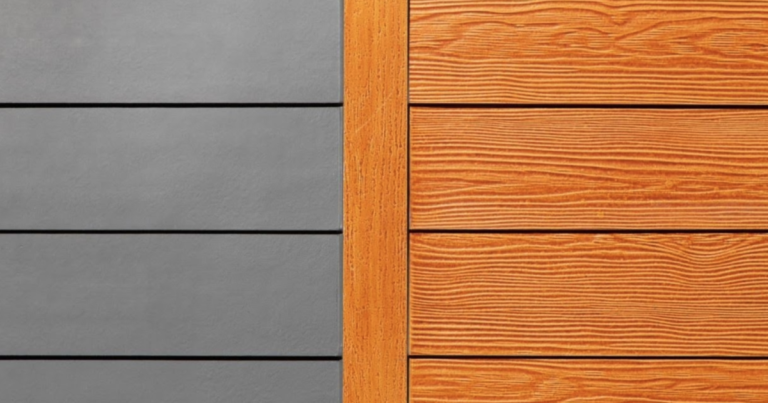
| Fiber Cement | Very High | Moderate | $$$ | Impact resistant and paintable |
| Natural Wood | Low | High | $$ | Historical accuracy |
Aesthetic Considerations: Matching and Contrasting
When using this Siding trim and soffit guide to plan your home’s look, color selection is the most impactful decision you will make. There are two primary schools of thought: monochromatic and high-contrast. A monochromatic scheme uses trim that is the same color as the siding, or perhaps a slightly different shade. This creates a subtle, modern, and unified appearance that can make a smaller home look larger and more cohesive.
Conversely, a high-contrast scheme uses white or “linen” trim against a darker siding color, such as navy blue, forest green, or charcoal gray. This highlights the architectural details of the home, such as window shapes and roofline peaks. High-contrast trim is a hallmark of the “Modern Farmhouse” style and traditional Colonial designs. It provides a crisp, clean frame that draws the eye to the craftsmanship of the installation.
Don’t forget the “Third Color” rule. Most successful exterior designs utilize three colors: a primary siding color, a trim/soffit color, and an accent color for the front door or shutters. By using a Siding trim and soffit guide to coordinate these elements, you can create a sophisticated palette that stands out in the neighborhood. Remember that dark trim colors may absorb more heat, so ensure the material is rated for “low-heat distortion” if you live in a sunny climate.
Texture and Profile Depth
Beyond color, the texture of the trim and soffit affects the final outcome. Most vinyl products come in “smooth” or “woodgrain” finishes. Smooth finishes look more modern and are easier to clean, while woodgrain mimics the texture of cedar. Additionally, the “shadow line” or depth of the trim can create visual interest. Thicker trim profiles create deeper shadows, giving the home a more substantial and expensive appearance.
For soffits, you can choose between “U-groove” and “V-groove” profiles. These refers to the shape of the indentation between the panels. V-groove soffits tend to look more traditional, resembling individual wooden planks, whereas U-groove profiles are often used for a sleeker, contemporary look. Both provide the same functional benefits, so the choice is largely a matter of personal preference and architectural style.
Installation Best Practices for Longevity
The most important rule in vinyl siding and trim installation is to allow for movement. Vinyl is a thermoplastic, meaning it expands and contracts significantly with temperature changes. A 12-foot panel can change in length by as much as half an inch between summer and winter. If the trim or siding is nailed too tightly, it will “oil can” (ripple) or crack as it tries to move against the fasteners.
Professional installers use “hangers” rather than “nailers.” They drive nails into the center of the pre-punched slots, leaving about a 1/32-inch gap between the nail head and the vinyl. This allows the panel to slide freely. Furthermore, where siding meets a corner post or window trim, a 1/4-inch gap (or 3/8-inch in cold weather) must be maintained inside the J-channel to accommodate this expansion. This is a critical technical detail often missed by DIYers.
Flashing is another non-negotiable step. Trim alone is not waterproof; it is water-shedding. Behind every window trim and door casing, there should be “head flashing” or “drip caps” that direct water away from the wall cavity. Using high-quality flashing tape (butyl or rubberized asphalt) around openings before the trim is installed creates a secondary barrier that protects the home even if the outer trim layer is breached by wind-driven rain.
Fastener Selection and Corrosion Resistance
The type of nail used can determine the lifespan of your exterior. In this Siding trim and soffit guide, we recommend only using galvanized steel or aluminum nails. Standard steel nails will rust over time, leaving unsightly orange streaks down your new white trim. In coastal areas with salt air, stainless steel fasteners are the only acceptable choice to prevent rapid corrosion and structural failure of the trim attachments.
The length of the nail is also important. The fastener should penetrate the solid wood sheathing or studs by at least 3/4 of an inch. If you are installing trim over thick foam insulation, you must use longer nails to ensure they reach the structural framing. A common cause of sagging soffits or loose corner posts is the use of undersized nails that only grip the insulation or the thin outer layer of sheathing.
Cost Analysis and Return on Investment
Investing in high-quality trim and soffit components typically adds 15% to 25% to the total cost of a siding project. While this may seem significant, the return on investment (ROI) is substantial. Real estate data consistently shows that exterior renovations, particularly those involving “curb appeal” elements like upgraded trim, have some of the highest recoup values among all home improvement tasks. A home that looks well-maintained and architecturally sound sells faster and for a higher price.
Moreover, the long-term savings in maintenance costs must be considered. By replacing rotting wood fascia and trim with vinyl or aluminum, you eliminate the need for painting every 3-5 years. The cost of a single professional paint job for a two-story home can easily exceed several thousand dollars. Over a decade, the “maintenance-free” nature of modern siding accessories pays for itself multiple times over, making it a fiscally responsible choice.
Labor costs for trim work are often higher than for the siding itself. This is because trim requires precision cutting, mitered corners, and careful flashing. While a crew can “hang” hundreds of square feet of siding in a day, they may spend several hours on a single complex window or a difficult-to-reach soffit run. When reviewing quotes, ensure the contractor has itemized the trim and soffit labor to ensure they are dedicating the necessary time to these critical details.
Maintaining Your Siding Trim and Soffit
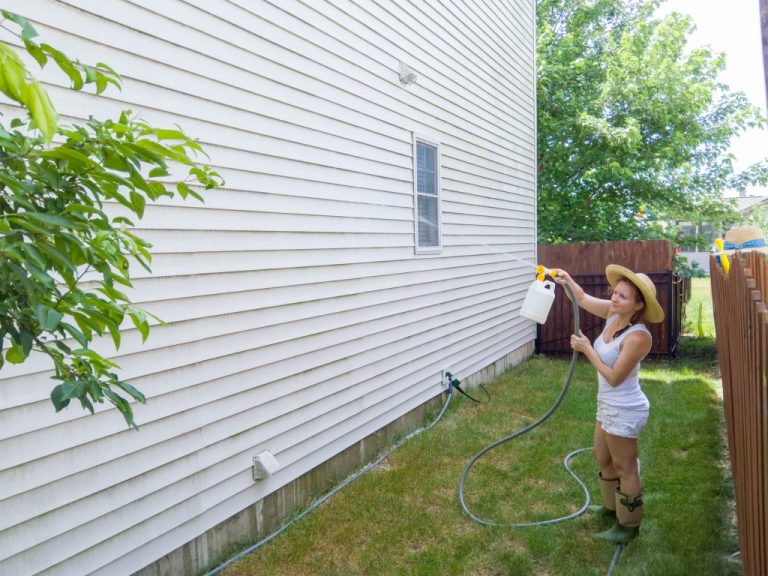
Although modern vinyl and aluminum are billed as “low maintenance,” they are not “no maintenance.” To keep your home looking its best, a simple annual cleaning is recommended. Use a soft-bristled brush and a solution of mild soap and water to remove dust, pollen, and spider webs. Avoid using high-pressure power washers directly on the trim or soffits, as the force can drive water behind the panels and into your wall or attic.
During your annual cleaning, perform a visual inspection. Look for any trim pieces that may have shifted or unclipped. Check the “weep holes” in the bottom of the J-channels to ensure they aren’t clogged with debris; these holes are designed to allow any trapped moisture to escape. If you notice any “chattering” or rattling sounds during windstorms, it may indicate that a piece of soffit or fascia has become loose and needs to be re-secured.
Pay close attention to the areas around the gutters. If gutters become clogged, water can overflow and sit against the fascia and soffit. While the vinyl itself won’t rot, the water can eventually find its way into the roof rafter tails or the soffit vents. Keeping your gutters clear is the single most important maintenance task you can perform to protect your siding system and the overall health of your roofline.
The Impact of Climate on Component Choice
Your geographic location should heavily influence the advice you take from any Siding trim and soffit guide. Homeowners in the “Hail Belt” of the Midwest should prioritize high-impact vinyl or fiber cement trim, which can withstand the force of ice pellets without cracking. In contrast, homeowners in the desert Southwest must focus on UV resistance and thermal expansion, as the intense sun can cause standard-grade vinyl to fade and warp rapidly.
In coastal environments, salt spray is the primary enemy. Aluminum trim, while durable, can undergo “pitting” or galvanic corrosion if not properly coated. High-grade vinyl or cellular PVC is often the superior choice for beachfront properties because it is chemically inert and unaffected by salt. Conversely, in fire-prone regions like California, non-combustible materials like fiber cement or specially treated aluminum are increasingly mandated by local building codes for soffit and fascia applications.
Northern climates require specific attention to the “freeze-thaw” cycle. If water gets trapped behind trim and freezes, it can expand with enough force to pop the trim off the wall. This is why proper drainage and the use of “starter strips” are so important. By ensuring that the siding system can shed water effectively, you prevent the ice damage that plagues many poorly installed exteriors in the Northeast and Canada.
Common Installation Pitfalls to Avoid
One of the most frequent errors in trim installation is “over-caulking.” Many inexperienced installers attempt to seal every gap with silicone or acrylic caulk. However, vinyl siding is designed as a “rainscreen” system, meaning it assumes some water will get behind it and provides a path for that water to drain out. Caulking the bottom of a J-channel or the junction between siding and a corner post can trap water, leading to mold and rot.
Another common mistake is failing to use “utility trim” (also known as undersill trim). When a siding panel is cut horizontally to fit under a window or at the very top of a wall, the locking mechanism is removed. Utility trim is designed to “snap” the cut edge into place, holding it securely. Without this piece, the top panel will often sag or blow off in the wind, ruining the look of the entire wall and leaving the home vulnerable.
Finally, improper miter cuts on fascia and corner trim can lead to unsightly gaps as the material contracts in winter. A professional uses a “box miter” or an “overlap” technique to ensure that even when the material shrinks, there is no visible opening. This attention to the physics of the material distinguishes a high-quality “Senior Architect” level installation from a standard budget job. Precision is the key to both beauty and performance.
Addressing Pest Infiltration
Soffits are a prime entry point for squirrels, birds, and stinging insects like wasps. If a soffit panel is loose or if the gaps at the end of the run are too large, these creatures will find their way into your attic. Once inside, they can damage insulation, chew through electrical wiring, and create sanitation issues. A proper Siding trim and soffit guide emphasizes the use of “small-hole” venting and tightly fitted J-channels to exclude these pests.
If you live in an area with high insect activity, consider installing a fine mesh screen behind the vented soffit panels. This provides an extra layer of protection against smaller insects like mud daubers or honeybees. Ensure that any gaps where the trim meets the roofline are sealed with “pest-proof” materials like stainless steel wool or specialized foam before the final trim pieces are snapped into place. Preventing entry is much cheaper than professional pest removal and attic remediation.
Future Trends in Siding Trim and Soffits
The industry is moving toward more sustainable and “smart” materials. Recycled content in vinyl production is increasing, reducing the environmental footprint of exterior renovations. Additionally, we are seeing the rise of “integrated” trim systems where the trim and siding are manufactured as a single interlocking unit. This reduces installation labor and provides a nearly seamless look that was previously impossible with traditional methods.
Ventilation technology is also evolving. New “hidden vent” soffits utilize a design where the air intake is camouflaged within the grooves of the panel. This provides the necessary airflow for the attic without the visible “perforated” look of traditional vented soffits. These innovations allow homeowners to maintain a sleek, modern aesthetic while still meeting strict building codes for attic health and energy efficiency.
Lastly, digital visualization tools are changing how homeowners choose their trim and soffit. Many manufacturers now offer 3D modeling software where you can upload a photo of your home and “test drive” different trim widths, colors, and textures. This reduces the risk of “buyer’s remorse” and ensures that the final result perfectly matches the homeowner’s vision. Utilizing these tools in conjunction with this Siding trim and soffit guide ensures a successful and satisfying home transformation.
Seasonal Inspection Checklist
To maximize the lifespan of your exterior, perform these checks twice a year: once in the spring to assess winter damage, and once in the autumn to prepare for the cold. Following this routine ensures that minor issues don’t escalate into expensive repairs. A well-maintained siding system can last 30 to 50 years, but only if the “edges”—the trim and soffit—remain intact.
- Check for loose or “unzipped” siding panels near the trim.
- Ensure all J-channels are clear of leaves and bird nests.
- Inspect fascia for any signs of water “wicking” behind the wrap.
- Verify that soffit vents are not blocked by attic insulation.
- Look for cracks in the caulking around windows and doors.
- Check corner posts for impact damage from lawn equipment.
- Confirm that gutters are securely fastened to the fascia.
By taking a proactive approach to your home’s exterior, you protect your most valuable investment. The trim and soffit may be small parts of the overall structure, but their role in moisture management and ventilation is gargantuan. Whether you are doing a full vinyl siding replacement or just a targeted upgrade, let this Siding trim and soffit guide serve as your roadmap to a more durable, beautiful, and efficient home.