Expert Vinyl Siding Replacement Contractors: A Complete Guide to Home Exterior Upgrades
Maintaining the structural integrity and aesthetic appeal of a residential property is a multifaceted endeavor that often begins with the building’s envelope. As the first line of defense against the elements, your home’s exterior must be both resilient and visually striking. When the time comes to update this critical component, homeowners frequently seek out experienced vinyl siding replacement contractors to ensure the transition is seamless and durable. The decision to replace siding is rarely just about color; it is a strategic investment in the home’s longevity and thermal performance.
Modern vinyl has evolved significantly from its early iterations, offering sophisticated profiles and high-performance polymers that resist fading and impact. However, the success of these advanced materials depends entirely on the precision of the installation. A poor installation can lead to moisture trapping, warping, or even structural rot that remains hidden for years. This is why selecting the right professional team is the most crucial step in the entire renovation cycle.
The journey toward a revitalized home exterior involves navigating a complex landscape of material grades, insulation options, and architectural styles. Furthermore, the regional climate plays a massive role in determining which specific products will perform best over a thirty-year lifespan. By understanding the technical nuances of siding systems, homeowners can communicate more effectively with their chosen experts and ensure their vision is executed with technical excellence.
The Evolution of Modern Polyvinyl Chloride Siding
To appreciate the value provided by professional vinyl siding replacement contractors, one must first understand how much the material itself has improved. In decades past, vinyl was often criticized for its thin profile and tendency to become brittle under UV exposure. Today, manufacturers utilize advanced stabilizers and “cool roof” pigments that reflect infrared light, keeping the material stable and the home cooler.
Current vinyl products are available in varying thicknesses, often ranging from 0.040 to 0.048 inches. Thicker “premium” grades provide greater rigidity, which results in straighter lines along the wall and better resistance to wind-blown debris. Additionally, the introduction of XL-length panels has reduced the number of visible seams, creating a more monolithic and high-end appearance that mimics traditional wood clapboard.
Beyond aesthetics, the integration of contoured foam backing has revolutionized the category. This “insulated vinyl” provides a continuous layer of thermal protection, significantly reducing thermal bridging through the wall studs. This technological leap has moved vinyl from a budget-friendly alternative to a high-performance building material that competes directly with fiber cement and engineered wood.
Evaluating the Necessity of Exterior Replacement
Identifying the precise moment to call in vinyl siding replacement contractors requires a keen eye for subtle structural changes. While obvious cracks or holes are clear indicators of failure, other signs are more insidious. For instance, if you notice your energy bills steadily climbing, it may indicate that the existing siding and its underlying house wrap have lost their insulating properties.
Moisture damage often reveals itself through interior symptoms before exterior ones. Bubbling paint or mold growth on interior walls can sometimes be traced back to a failure in the siding’s moisture barrier. On the exterior, “oil canning”—a term used to describe the wavy or rippled appearance of siding panels—suggests that the material was either installed too tightly or has succumbed to extreme thermal stress.
Chalking is another common sign of aging; this occurs when the resin in the vinyl breaks down due to sun exposure, leaving a powdery residue. While a certain amount of chalking is expected over twenty years, excessive degradation suggests the material is no longer protecting the substrate from water penetration. In these cases, proactive replacement is far more cost-effective than repairing the eventual wood rot underneath.
Vinyl siding replacement contractors
Choosing the right vinyl siding replacement contractors is a process that balances technical vetting with interpersonal trust. A reputable contractor does more than just swing a hammer; they act as a consultant who understands local building codes and wind load requirements. In coastal or high-wind areas, the fastening pattern and the type of “nailing hem” on the siding can be the difference between a secure home and lost panels during a storm.

Professional contractors should be able to provide proof of specialized certifications, such as those from the Vinyl Siding Institute (VSI). These certifications ensure that the crew understands the specific physics of vinyl, particularly its need to “float” on the wall to accommodate thermal expansion. Furthermore, a high-quality contractor will always provide a detailed written estimate that breaks down labor, material disposal, and the cost of any necessary substrate repairs.
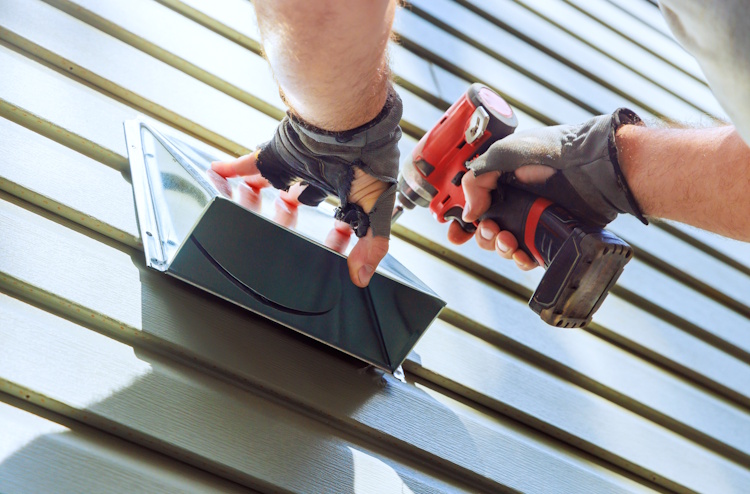
Another hallmark of expert vinyl siding replacement contractors is their approach to the “hidden” details of the job. This includes the installation of high-quality house wrap, window flashing, and the careful sealing of penetrations like dryer vents and hose bibs. When interviewing potential teams, ask about their process for managing moisture at the corners and transitions, as these are the most common points of failure in amateur installations.
The Critical Importance of Licensing and Insurance
Working with unlicensed vinyl siding replacement contractors poses significant financial and legal risks to the homeowner. General liability insurance is non-negotiable, as it protects your property in the event of accidental damage during the project. Without it, a fallen ladder or a punctured utility line could lead to a protracted legal battle or expensive out-of-pocket repairs.
Workers’ compensation insurance is equally vital. If a laborer is injured on your property and the contractor is not covered, the homeowner could be held liable for medical expenses and lost wages. Always request a current certificate of insurance directly from the provider to verify that the policies are active and provide adequate coverage for the scope of your project.
Furthermore, local licensing ensures that the contractor is registered with the state or municipality and is held to certain professional standards. This often includes a bond, which provides a layer of financial protection if the contractor fails to complete the work or pay their subcontractors. A legitimate professional will have no hesitation in providing these documents upon request.
Understanding the Physics of Thermal Expansion
One of the most complex aspects of siding installation is the management of thermal expansion and contraction. Vinyl is a thermoplastic material, meaning it expands when heated and contracts when cooled. On a standard 12-foot panel, the material can change in length by as much as half an inch depending on the temperature fluctuations between summer and winter.
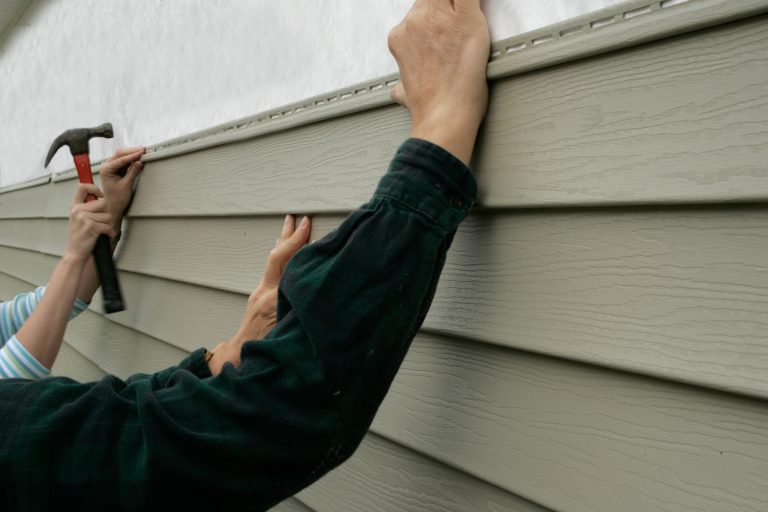
Expert vinyl siding replacement contractors manage this by “hanging” the siding rather than nailing it tight. The nails are driven into the center of the pre-punched slots, leaving about a 1/32-inch gap between the nail head and the siding hem. This allows the panel to slide back and forth as it reacts to the sun. If a panel is nailed too tightly, it will buckle, creating unsightly waves and potentially cracking the material.
Additionally, proper clearance must be maintained where the siding meets J-channels or corner posts. During cold-weather installations, more space is needed at these junctions to allow for future summer expansion. Conversely, in the heat of summer, the gaps are kept smaller. Only experienced crews have the “feel” for these adjustments, which ensures the siding looks perfect regardless of the season.
The Role of Vents and Weep Holes
A common misconception is that siding is meant to be a completely airtight seal. In reality, a siding system must be able to “breathe” to prevent the accumulation of condensation behind the panels. This is achieved through the use of weep holes—small openings at the bottom of the siding panels that allow moisture to escape and air to circulate.
Furthermore, the integration of soffit and ridge vents is crucial for maintaining a healthy attic temperature and preventing ice dams. When you hire vinyl siding replacement contractors, they should evaluate your home’s overall ventilation strategy. This holistic approach prevents moisture from becoming trapped in the wall cavity, which can lead to mold and the premature failure of the structural sheathing.
Properly functioning weep holes are also essential for pressure equalization. During high winds, pressure can build up behind the siding, potentially pulling panels off the wall. Weep holes and appropriate gaps help to balance this pressure, keeping the siding securely attached even in turbulent weather conditions. This level of technical detail is what separates a professional installation from a DIY attempt.
Comparing Siding Materials and Profiles
| Material Profile | Primary Benefit | Maintenance Level | Average Lifespan |
|---|---|---|---|
| Standard Lap Siding | Cost-effective and classic aesthetic | Low (Periodic washing) | 20–30 Years |
| Insulated Vinyl | High energy efficiency and impact resistance | Low | 30–50 Years |
| Vinyl Cedar Shakes | Authentic wood look without the rot risk | Low | 25–40 Years |
| Vertical Board & Batten | Modern farmhouse aesthetic and height | Low | 20–30 Years |
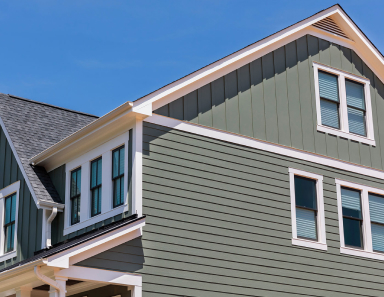
The table above highlights the diversity available within the vinyl category. While standard lap siding remains the most popular choice for its balance of cost and performance, many homeowners are moving toward specialized profiles. Vertical board and batten, for example, is increasingly used as an accent on gables or as a primary siding for contemporary homes, offering a unique visual rhythm that breaks up horizontal lines.
Insulated vinyl, though requiring a higher initial investment, offers the best long-term value. By adding a layer of rigid foam to the back of each panel, manufacturers have created a product that feels much “sturdier” to the touch. This extra layer also helps bridge small imperfections in the home’s walls, resulting in a straighter, more professional finish that enhances the home’s overall market value.
The Technical Process of Siding Removal and Preparation
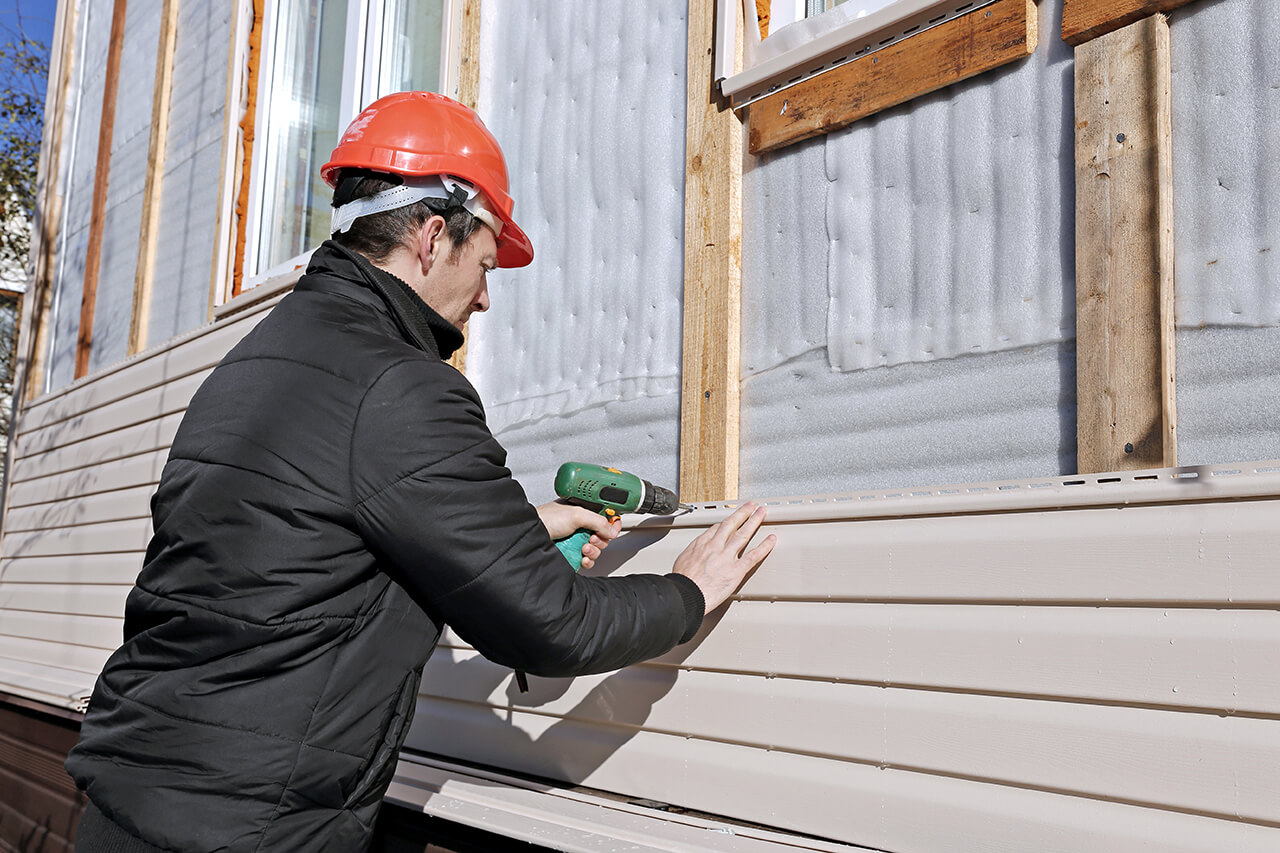
Before new panels can be installed, the old exterior must be meticulously removed. This phase is more than just demolition; it is an investigative process. As vinyl siding replacement contractors strip away the old material, they look for signs of pest infestation, water infiltration, or structural sagging. Ignoring these issues at this stage would be a catastrophic mistake, as the new siding would merely hide the rot while it continues to worsen.
Once the substrate is cleared and repaired, the “house wrap” is applied. This is a specialized fabric that allows water vapor to escape from the inside of the home while preventing liquid water from entering from the outside. The seams of the house wrap must be taped with precision, and the material must be integrated correctly with window and door flashing to create a continuous “drainage plane.”
Flashing is perhaps the most critical component of the prep work. Aluminum or specialized tape flashing is used to redirect water away from openings. For example, “head flashing” above windows ensures that water running down the wall is pushed out over the window trim rather than behind it. This layered approach to moisture management is the hallmark of high-authority construction practices.
Addressing the Substrate and Sheathing
The sheathing—typically Oriented Strand Board (OSB) or plywood—serves as the foundation for your new siding. If the sheathing is soft, delaminated, or moldy, it must be replaced before the new vinyl is attached. Professional vinyl siding replacement contractors will use a moisture meter to check the health of the wood if any dampness is suspected.
In some older homes, the walls may not be perfectly plumb or level. In these instances, contractors may use “furring strips” to create a level surface. This process, known as shimming, ensures that the final siding installation looks straight and uniform. Without proper substrate preparation, even the most expensive premium vinyl will look wavy and unprofessional once it is installed.
Energy Efficiency and the R-Value Equation
One of the primary reasons homeowners invest in new siding is to improve the thermal envelope of their property. R-value is the measure of a material’s resistance to heat flow. Standard vinyl siding has a very low R-value on its own, typically less than 1.0. However, when paired with contoured foam insulation, the R-value can jump significantly, helping to keep the home warmer in the winter and cooler in the summer.
Furthermore, the installation of “fan-fold” insulation or rigid foam boards beneath the siding creates a thermal break. In many homes, the wooden studs act as “thermal bridges,” allowing heat to bypass the fiberglass insulation inside the walls. By wrapping the exterior in a continuous layer of insulation, vinyl siding replacement contractors effectively “blanket” the home, reducing the workload on the HVAC system and lowering monthly utility costs.
Energy-efficient siding also contributes to sound dampening. The additional mass of the insulation helps to block out neighborhood noise, traffic, and wind. This creates a quieter, more peaceful interior environment, which is an often-overlooked benefit of a high-quality siding upgrade. For many, the improvement in comfort is just as valuable as the financial savings on energy bills.
Color Technology and Curb Appeal Longevity
In the past, dark colors were avoided in vinyl siding because they tended to absorb heat and fade unevenly. Modern engineering has solved this problem through the use of acrylic formulations and “cool” pigments. These advanced coatings reflect infrared rays, which keeps the darker panels at a lower temperature and prevents the “chalking” or “fading” that once plagued the industry.
Today, homeowners can choose from a vast palette, including deep navy blues, forest greens, and rich charcoal grays. When working with vinyl siding replacement contractors, ask about the “color-fast” warranty of the products they recommend. Many manufacturers now guarantee their colors against significant fading for 25 years or more, providing peace of mind that your home will look fresh for decades.
Aesthetics also involve the selection of trim and accessories. Using contrasting colors for corner posts, J-channels, and window casings can provide a “custom home” look. For example, pairing a light gray siding with crisp white trim creates a classic New England aesthetic, while dark trim on a medium-toned siding offers a more contemporary, bold appearance.
Maintaining Your Investment
While vinyl is marketed as a “low-maintenance” material, it is not “no-maintenance.” To keep the siding looking its best, it should be washed annually to remove dust, pollen, and spider webs. A simple solution of mild soap and water is usually sufficient. It is important to avoid high-pressure power washing, as the force can drive water behind the panels and damage the house wrap.
Regular inspections are also recommended, especially after severe storms. Check for panels that may have come loose or for debris that might have cracked the material. If you find a damaged panel, contact your original vinyl siding replacement contractors to perform a repair. Because vinyl is a modular system, individual panels can often be replaced without disturbing the rest of the wall, provided the color hasn’t faded too much to match.
The Financial Reality: Cost vs. ROI
The cost of a siding project is influenced by several variables, including the square footage of the home, the number of stories, and the complexity of the architectural details. While the initial quote might seem substantial, it is important to view it through the lens of Return on Investment (ROI). According to various industry studies, siding replacement consistently ranks as one of the top home improvement projects for recovering costs at the time of sale.
The value of “curb appeal” cannot be overstated. A home with fresh, modern siding and well-executed trim work is significantly more attractive to potential buyers than one with faded, cracked, or outdated materials. Furthermore, the promise of low maintenance and improved energy efficiency is a major selling point in any real estate market. This makes the selection of high-quality vinyl siding replacement contractors a strategic financial move as much as a home maintenance one.
In addition to resale value, there are immediate financial benefits in the form of energy savings. While the exact amount varies based on climate and insulation levels, many homeowners see a 10-20% reduction in heating and cooling costs after upgrading to an insulated siding system. Over the life of the siding, these savings can offset a significant portion of the initial installation cost.
Contractual Integrity and Project Timelines
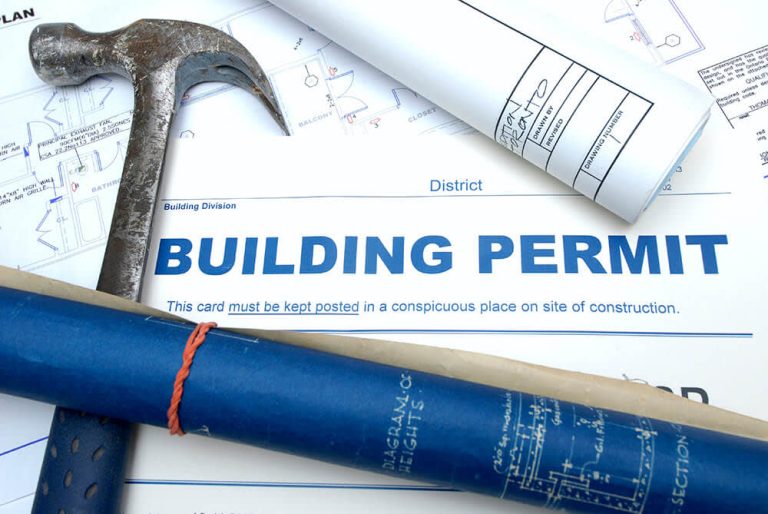
Before any work begins, a comprehensive contract must be in place. This document should serve as the roadmap for the entire project, protecting both the homeowner and the contractor. It should clearly outline the scope of work, the specific materials to be used (including brand names and color codes), and the projected timeline for completion. Beware of vague contracts that use generic terms like “standard siding,” as this gives the contractor room to use inferior products.
The payment schedule is another critical element of the contract. A common and fair approach is a small deposit to secure the date, a second payment when materials are delivered to the site, and a final payment only after the work is completed and a final walkthrough has been conducted. Never pay the full amount upfront, as this removes the contractor’s incentive to finish the job promptly and to your satisfaction.
Timelines are often subject to weather conditions, but a professional crew should be able to provide a realistic window for completion. Typically, a standard two-story home can be re-sided in 7 to 14 days, depending on the complexity and the size of the crew. Communication is key during this period; the lead contractor should provide daily updates on progress and any unexpected issues discovered during the tear-off phase.
Dispute Resolution and Final Walkthroughs
A professional relationship with your vinyl siding replacement contractors is built on transparency. Even the best-managed projects can encounter surprises, such as hidden termite damage or rotted rim joists. When these issues arise, the contractor should present a “change order” that details the additional labor and materials required to fix the problem correctly. This ensures there are no surprises when the final bill arrives.
The final walkthrough is the most important part of the closing process. Walk the perimeter of the home with the site supervisor and look for details. Are the J-channels clean and free of debris? Do the mitered corners of the trim meet perfectly? Is the site clean and free of stray nails or siding scraps? A reputable contractor will be happy to address any minor “punch-list” items to ensure you are completely satisfied with the result.
Common Mistakes to Avoid During Installation
One of the most frequent errors made by inexperienced installers is failing to “overlap” the siding panels correctly. Panels should overlap by approximately one inch, and the laps should be directed away from the most common line of sight (usually the street or a primary walkway). This makes the seams less visible and prevents water from being driven into the joints by prevailing winds.
Another common mistake is the improper installation of “starter strips.” The starter strip is the first piece of hardware installed at the bottom of the wall, and it dictates the levelness of the entire house. If the starter strip is even slightly off-kilter, the error will be magnified as the siding moves up the wall, resulting in crooked lines at the roofline. Expert vinyl siding replacement contractors use laser levels or chalk lines to ensure this foundation is perfectly horizontal.
Finally, neglecting the flashing around chimneys and roof-to-wall transitions can lead to disastrous leaks. These “transition zones” require specialized “step flashing” and “kick-out flashing” to ensure water is directed away from the wall. Amateur installers often rely on caulk alone in these areas, but caulk eventually dries out and cracks, leading to hidden water damage behind the new siding.
The Environmental Impact of Vinyl Siding
In the modern era, environmental considerations are becoming a larger part of the decision-making process. Contrary to some misconceptions, vinyl siding is an environmentally viable option. Because it is lightweight, it requires less fuel to transport than heavier materials like brick or stone. Furthermore, most modern vinyl is 100% recyclable, and many manufacturers incorporate recycled content into the backing layers of their panels.
The longevity of vinyl also plays into its sustainability. A product that lasts 30 to 50 years before needing replacement has a much lower environmental footprint than a product that must be replaced every 15 years. When you choose high-quality vinyl siding replacement contractors, you are ensuring the product is installed to last its full intended lifespan, thereby reducing waste and the need for future raw material extraction.
Additionally, the energy-saving properties of insulated vinyl contribute to a lower carbon footprint for the home. By reducing the energy required for climate control, homeowners can significantly decrease their overall greenhouse gas emissions. This combination of durability, recyclability, and energy efficiency makes vinyl a responsible choice for the eco-conscious homeowner.
Conclusion: The Value of Expert Craftsmanship
Upgrading your home’s exterior is a complex undertaking that requires a blend of aesthetic vision and technical precision. While the quality of the siding material is undeniably important, the skill of the vinyl siding replacement contractors you hire is the ultimate determinant of success. From managing thermal expansion to ensuring a watertight drainage plane, the details of the installation will dictate how well your home is protected for the next generation.
By taking the time to vet contractors, understand the nuances of the installation process, and invest in high-performance materials, you are doing more than just improving a facade. You are enhancing the comfort, efficiency, and value of your most significant asset. A well-executed siding project is a testament to the homeowner’s commitment to quality and a lasting contribution to the beauty of the neighborhood.