Vinyl Siding Insulation Benefits: A Complete Guide to Energy Efficiency
The modern building envelope serves as a sophisticated barrier between a family and the elements. While traditional cladding materials have historically focused on aesthetics and basic weather protection, the evolution of exterior solutions has introduced a more integrated approach. Homeowners today are increasingly looking beyond surface-level appeal, seeking out technologies that enhance the functional performance of their structures. One of the most significant advancements in this sector is the development of contoured foam-backed cladding, which addresses several structural deficiencies inherent in older construction methods.
A primary challenge in residential architecture is managing the exchange of energy between the interior and exterior environments. Traditional siding options, while durable, often act as little more than a thin skin. This leaves the underlying framing vulnerable to temperature fluctuations. By integrating high-density insulation directly into the siding profile, manufacturers have created a system that provides a continuous layer of thermal protection. This shift represents a move from passive protection to an active energy-management strategy for the average household.
Understanding the nuance of this technology requires an analysis of how heat moves through a wall. Most homes rely on fiberglass batts tucked between wooden studs. However, this method contains a hidden flaw known as thermal bridging. Because wood is a poor insulator compared to fiberglass, heat easily escapes through the studs themselves. By applying a secondary layer of insulation over the entire exterior, homeowners can effectively “blanket” their property, leading to a much more stable internal climate and reduced mechanical strain.
Furthermore, the decision to upgrade an exterior is rarely based on a single factor. It is a confluence of durability, aesthetic preference, and financial foresight. When examining vinyl siding insulation benefits, it becomes clear that the value proposition extends far beyond a simple reduction in utility bills. It encompasses structural integrity, noise attenuation, and even the long-term preservation of the home’s resale value. This comprehensive guide explores every dimension of insulated vinyl systems to help you make an informed decision for your next renovation project.
The Physics of Thermal Bridging and Exterior Protection
To appreciate the efficiency of insulated siding, one must first grasp the concept of thermal bridging. In a standard wall assembly, the wooden studs represent approximately 25% of the total wall surface. While the cavities between these studs are filled with insulation, the studs themselves are not. These wooden components act as bridges, allowing heat to bypass the interior insulation and flow freely in or out of the home. This “energy leak” can significantly degrade the effective R-value of a wall, regardless of how much insulation is stuffed inside.
Insulated vinyl siding solves this problem by providing a continuous insulation (CI) layer. By wrapping the exterior in a solid sheet of expanded polystyrene (EPS) or graphite-enhanced polystyrene (GPS), the thermal bridges are effectively broken. This ensures that the temperature of the wall remains consistent across its entire surface. Furthermore, this continuity prevents “cold spots” on interior walls, which are often the primary cause of condensation and subsequent mold growth in older homes.
In addition to stopping heat transfer, this layer adds a physical buffer that protects the home’s sheathing. Moisture management is a critical component of any exterior system. High-quality insulated siding is designed to be breathable, allowing water vapor to escape from the wall cavity while preventing liquid water from entering. This balance is essential for preventing wood rot and maintaining the structural health of the building over several decades.
Vinyl siding insulation benefits
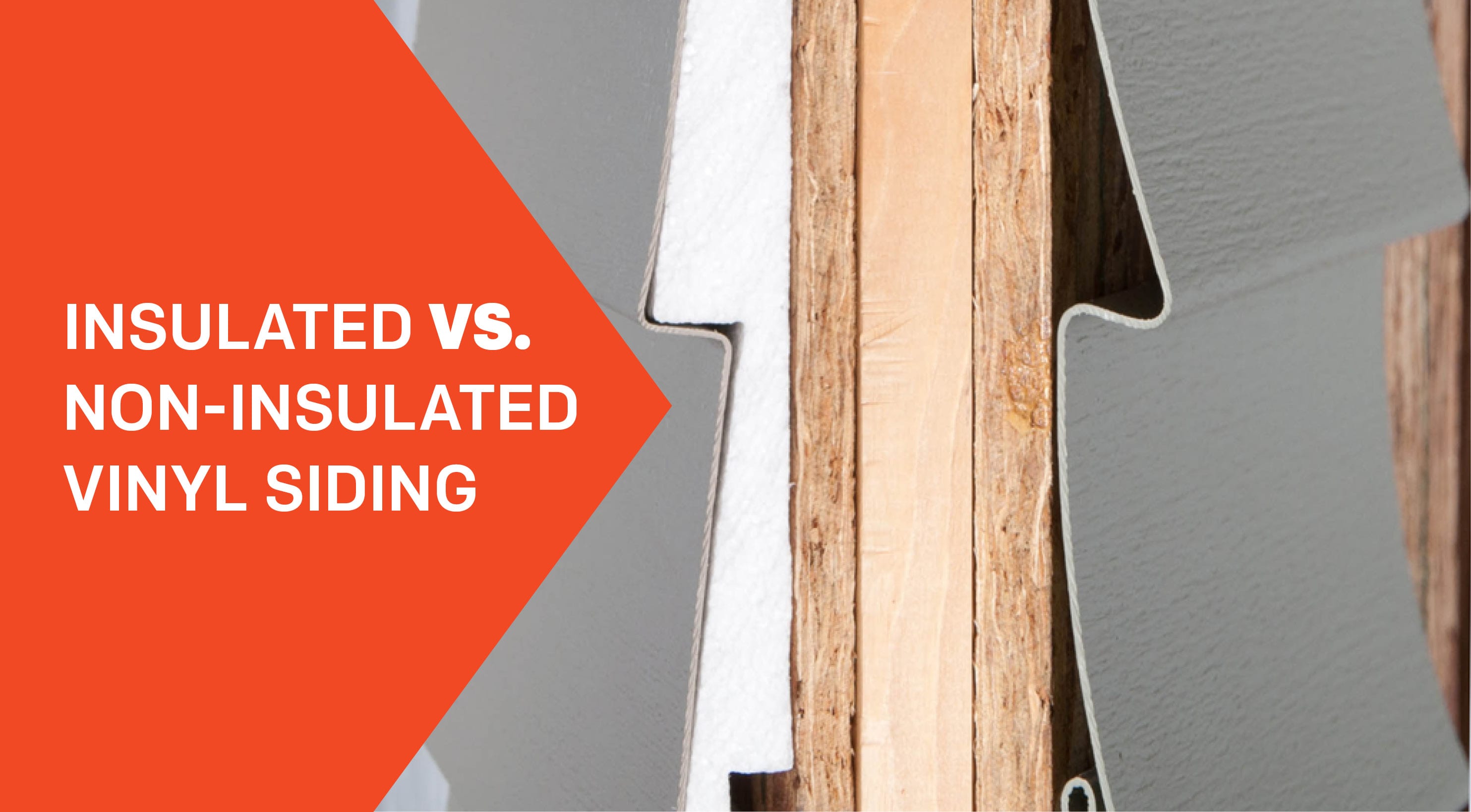
The core of the argument for choosing foam-backed cladding lies in its multi-faceted performance. Unlike standard hollow-back vinyl, which can feel thin and rattle in high winds, the insulated variety offers a sense of permanence and solidity. The most immediate of the vinyl siding insulation benefits is the dramatic increase in the home’s overall R-value. Standard vinyl siding has an R-value of less than 1.0, whereas insulated versions can push this number toward 3.0 or even 5.0 depending on the thickness of the foam and the specific product line.
Beyond thermal resistance, the structural rigidity provided by the foam backing is a significant advantage. This backing acts as a shock absorber for the vinyl skin. In areas prone to hail or high winds, this added support prevents the siding from denting or cracking upon impact. Moreover, the foam fills the gap between the siding and the wall, which eliminates the “hollow” sound that is often associated with traditional vinyl installations. This creates a quieter, more peaceful indoor environment by dampening exterior noises such as traffic, sirens, or loud neighbors.
From an aesthetic perspective, the insulation serves as a leveling agent. Older homes often have slightly bowed or irregular walls due to settling over time. Traditional thin vinyl siding tends to follow these contours, highlighting imperfections. Insulated panels are much more rigid, allowing them to bridge small dips and curves in the wall. This results in straight, crisp lines that more closely mimic the appearance of expensive wood clapboard or fiber cement, giving the home a premium look without the high maintenance requirements.
Comparing Standard vs. Insulated Vinyl Siding
| Feature | Standard Hollow-Back Vinyl | Insulated Foam-Backed Vinyl |
|---|---|---|
| Thermal Resistance (R-Value) | 0.6 to 0.9 | 2.0 to 5.0+ |
| Impact Resistance | Low (prone to cracking) | High (absorbs energy) |
| Acoustic Insulation | Minimal | Significant noise reduction |
| Structural Rigidity | Flexible/Wavy | Rigid/Straight lines |
| Lifecycle Cost | Lower initial/Higher energy cost | Higher initial/Lower energy cost |
Acoustic Dampening and Environmental Comfort
One often overlooked benefit of foam-backed exterior systems is the improvement in acoustic comfort. Sound travels in waves, and these waves find it very easy to penetrate thin materials like standard vinyl or wood. The dense cellular structure of expanded polystyrene acts as a baffle, disrupting sound waves before they can enter the home. This is particularly beneficial for houses located near airports, busy highways, or urban centers where ambient noise levels are high.
Studies have shown that insulated siding can reduce the transmission of exterior noise by up to 40% compared to standard siding. This reduction contributes to a more relaxing home environment and can even improve sleep quality for residents. Furthermore, the insulation minimizes the “creaking” and “popping” sounds that occur when vinyl expands and contracts with temperature changes. Because the foam stabilizes the temperature of the vinyl itself, the rate of expansion is more controlled and less audible.
Furthermore, the psychological impact of a “solid” feeling home should not be underestimated. When you tap on an insulated siding panel, it feels like a heavy masonry or wood wall. This sense of durability provides peace of mind to the homeowner, reinforcing the idea that the house is a well-built fortress against the world. It transforms the perception of vinyl from a “cheap” material to a high-end engineering solution.
Impact Resistance and Long-Term Durability
Durability is a cornerstone of any exterior renovation. Homeowners want to know that their investment will withstand the test of time and the unpredictability of nature. Standard vinyl siding is susceptible to damage from various sources, including hail, stray baseballs, and even rocks kicked up by lawnmowers. Because standard vinyl is hollow, there is nothing behind the plastic to support it, making it easy to puncture or crack upon impact.
In contrast, insulated vinyl siding features a permanent bond between the vinyl and the foam. This creates a composite material that is far more resilient. When an object strikes the siding, the foam backing supports the vinyl, distributing the force of the impact across a wider area. This drastically reduces the likelihood of cracks or unsightly dents. For homeowners in regions prone to severe weather, this increased impact resistance can prevent costly insurance claims and preserve the home’s curb appeal for decades.
Additionally, the foam backing protects the siding from the detrimental effects of UV radiation and thermal cycling. Standard vinyl can become brittle over time as it is repeatedly heated by the sun and cooled by the night air. The insulation acts as a thermal buffer, keeping the vinyl at a more consistent temperature. This helps maintain the flexibility of the material, preventing it from becoming “glassy” and prone to shattering as it ages. This longevity is a key part of the value equation for any siding replacement.
Energy Efficiency and the Bottom Line
The primary financial driver for choosing insulated products is energy savings. HVAC systems are the largest consumers of energy in the average American household. When a home is poorly insulated, the HVAC system must work harder to combat the heat gain in summer and heat loss in winter. This constant cycling not only leads to higher utility bills but also shortens the lifespan of the furnace and air conditioning units. By installing insulated siding, you are essentially downsizing the thermal load of your home.
In many cases, the energy savings over a 10-to-15-year period can offset the initial price premium of the insulated product. Furthermore, many utility companies and government agencies offer rebates or tax credits for homeowners who install energy-efficient building materials. It is always wise to check local energy programs before beginning a project, as these incentives can significantly lower the net cost of the upgrade. Over the lifetime of the siding, the ROI is often higher than that of standard materials because it pays dividends every month.
Moreover, a home with high-performance exterior cladding is more attractive to potential buyers. In an era of rising energy costs, “energy efficiency” is a top-tier selling point. Prospective homeowners are increasingly sophisticated and will ask about R-values and utility history. Having documentation that shows your home is equipped with insulated vinyl can be a powerful negotiating tool, potentially leading to a faster sale at a higher price point.
Vapor Permeability and Moisture Control
A common misconception is that adding insulation to the exterior will “trap” moisture inside the walls, leading to rot. However, modern insulated siding is engineered with vapor permeability in mind. Most foam backings used in siding have a “perm rating” that allows moisture vapor to pass through. This is critical because moisture is generated inside the home through everyday activities like cooking, showering, and breathing. This vapor needs to migrate outward through the wall assembly.
If a siding material were completely airtight and vapor-impermeable, the moisture would hit the back of the siding and condense into liquid water. This liquid would then soak into the wooden sheathing and studs. Insulated siding prevents this by allowing the vapor to continue its journey to the outside air. In fact, by keeping the wall cavity warmer, insulated siding actually reduces the risk of interior condensation, as the “dew point” is moved further toward the exterior of the wall.
Furthermore, many manufacturers include integrated drainage planes on the back of the foam. These channels ensure that any liquid water that might get behind the siding (from driving rain or wind) can quickly drain down and out through the weep holes at the bottom of the installation. This dual-action system of vapor permeability and liquid drainage makes insulated vinyl one of the safest and most effective ways to protect the structural integrity of a wooden-frame home.
Improving the Aesthetic Profile of the Home
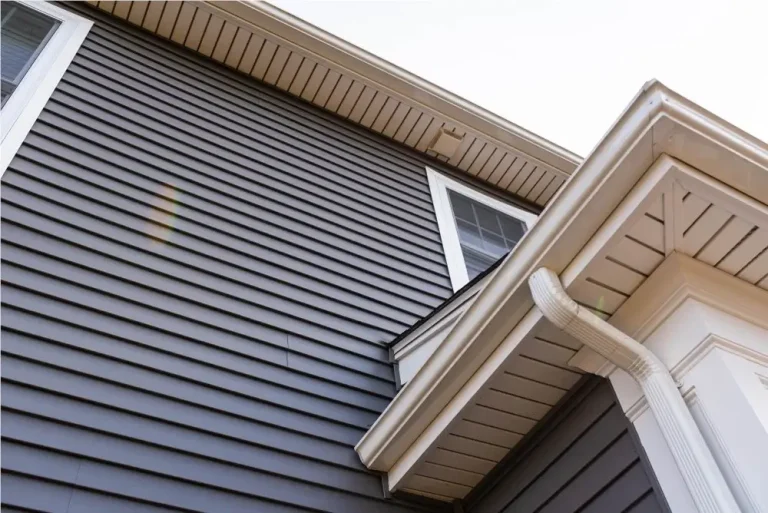
While the functional benefits are numerous, the visual transformation of a home is often the most satisfying part of a siding replacement. Traditional vinyl siding often has a tell-tale “plastic” look characterized by overlapping seams and a lack of depth. Insulated siding panels are typically manufactured in longer lengths and thicker profiles. These thicker panels create deeper shadow lines, which give the home a more architectural and high-end appearance.
The rigidity of the foam backing also allows for much wider “lap” profiles. While standard vinyl is often limited to 4-inch or 5-inch laps, insulated panels can reach 6 or 7 inches without sagging or warping. This wider profile is very popular in modern farmhouse and traditional colonial designs. Because the foam holds the vinyl flat, the “oil-canning” effect—a wavy appearance caused by thermal expansion—is virtually eliminated, ensuring the home looks its best in every season.
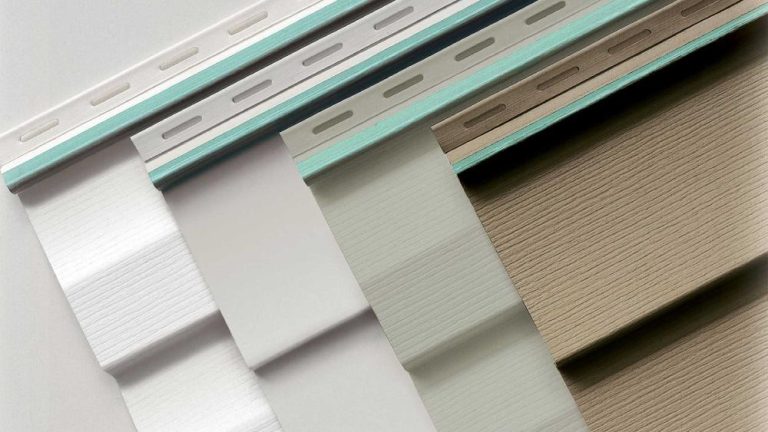
In addition, the color palettes for insulated vinyl have expanded significantly. Manufacturers now use advanced polymers and acrylic coatings that are highly resistant to fading. You can choose from deep, rich earth tones, cool grays, or classic whites, knowing that the color will remain vibrant for years. The combination of deep shadow lines, wide profiles, and stable colors makes insulated vinyl a formidable competitor to much more expensive materials like cedar or stone veneer.
Installation Best Practices for Insulated Panels
The performance of insulated siding is heavily dependent on the quality of the installation. Because the panels are thicker than standard vinyl, they require specialized accessories. J-channels, corner posts, and window casings must all be wide enough to accommodate the added depth of the foam. If a contractor tries to “make do” with standard accessories, the result will be a cramped, unprofessional finish that may even compromise the siding’s ability to expand and contract.
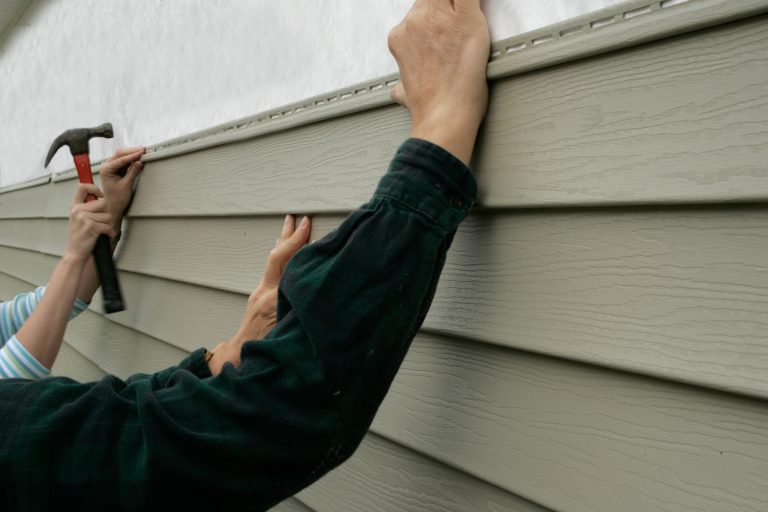
It is also essential that the siding is “hung” rather than nailed tight. Like all vinyl products, insulated panels will grow and shrink as the temperature changes. Nails should be placed in the center of the nailing slots and left slightly loose—roughly the thickness of a dime—to allow the panel to slide. If the panels are pinned too tightly to the wall, they will buckle and warp, negating the aesthetic benefits of the foam backing.
Furthermore, the contractor must pay close attention to the transitions. Flashing around windows and doors is paramount. Because the insulated siding creates a thicker wall, the flashing must be integrated correctly to ensure that water is directed away from the openings. A professional installation should always include a high-quality house wrap or weather-resistive barrier (WRB) underneath the siding to provide an extra layer of protection against air infiltration and moisture.
Regional Climate Considerations
The effectiveness of vinyl siding insulation benefits can vary based on the local climate. In northern regions, where winters are long and harsh, the primary goal is heat retention. In these areas, the continuous insulation layer provided by the foam backing is invaluable. It keeps the interior walls warm to the touch and prevents the furnace from running constantly. The reduction in thermal bridging is most noticeable when the temperature outside drops below freezing.
Conversely, in southern climates, the focus shifts to heat rejection. Intense solar radiation can bake a home, causing the interior temperature to skyrocket. Insulated siding acts as a radiant barrier and a thermal mass, slowing down the transfer of heat from the sun-drenched siding into the living space. This helps the air conditioning system maintain a comfortable temperature more efficiently, especially during the peak of the afternoon heat.
In coastal areas, the impact resistance and wind-load performance of insulated siding are the standout features. The foam backing adds structural weight and stability to the panels, making them less likely to be ripped off the wall during high-wind events. Additionally, the salt-resistant nature of vinyl makes it an ideal choice for seaside homes where traditional wood siding would quickly rot or require constant repainting. Regardless of your zip code, there is a compelling reason to consider an insulated exterior system.
Sustainability and Environmental Impact
Sustainability is no longer a niche concern; it is a primary consideration for many modern homeowners. Vinyl siding has a lower environmental footprint than many realize, especially when compared to materials like brick or fiber cement. The manufacturing process for vinyl requires less energy and water, and it produces fewer toxic emissions. Furthermore, because vinyl is lightweight, it costs less to transport, further reducing its carbon footprint.
The insulation component adds a new layer to the sustainability story. By significantly reducing the energy required to heat and cool a home, insulated vinyl reduces the greenhouse gas emissions associated with power generation. Over its long lifespan, an insulated siding system can “save” far more energy than was used to manufacture it. Additionally, many EPS foam backings are now being produced using recycled content, and the vinyl itself is increasingly recyclable at the end of its service life.
When you consider the longevity of the product—often lasting 30 to 50 years—the lifecycle assessment becomes even more favorable. Materials that need to be replaced every 10 or 15 years, or that require frequent painting and staining with high-VOC products, have a much higher cumulative environmental impact. By choosing a durable, low-maintenance, and energy-efficient exterior, you are making a responsible choice for the planet as well as your wallet.
Maintenance and Cleaning Protocols
One of the most attractive aspects of vinyl siding is how little effort it requires to maintain. Unlike wood, which must be scraped, primed, and painted every few years, vinyl never needs to be painted. The color is “baked in” throughout the entire panel. For insulated vinyl, the maintenance is exactly the same as standard vinyl. A simple wash with a garden hose and a mild soap solution once a year is usually enough to remove dirt, pollen, and cobwebs.
It is important to avoid using high-pressure power washers, as the force can sometimes drive water behind the panels or damage the surface finish. A soft-bristle brush on a long pole is much safer and more effective. If you notice any mold or mildew in shaded areas, a mixture of water and white vinegar (or a dedicated siding cleaner) will quickly dissolve it without harming the vinyl or the environment.
Because insulated vinyl is so dimensionally stable, you won’t have to worry about panels warping or “unzipping” from one another. Occasionally checking the weep holes at the bottom of the panels to ensure they aren’t clogged with debris is a good habit. This ensures that the drainage system remains functional. Aside from these minor tasks, you can spend your weekends enjoying your home rather than maintaining its exterior.
Cost-Benefit Analysis: Is It Worth the Investment?
When planning a siding replacement, the cost of insulated vinyl can be 20% to 40% higher than standard vinyl. This leads many homeowners to ask if the upgrade is truly worth it. To answer this, one must look at the total cost of ownership rather than just the initial quote. The “hidden” costs of standard vinyl—higher energy bills, potential for impact damage, and lower resale value—add up over time. Insulated vinyl essentially fronts-loads these costs into the initial investment and pays them back over the following years.
Consider the HVAC savings alone. If insulated siding reduces your monthly utility bill by just $20, that’s $240 a year. Over 15 years, that’s $3,600 in savings, which likely covers the entire price difference between standard and insulated products. This calculation doesn’t even account for the potential tax credits or the increased equity in the home. When you view the project as a structural upgrade rather than a cosmetic one, the financial logic becomes much clearer.
Furthermore, the durability factor should be prioritized. Replacing a few cracked panels of standard vinyl after a hail storm can be a headache, especially if the color of the new panels doesn’t perfectly match the weathered original siding. By investing in the higher impact resistance of insulated siding, you are essentially buying insurance against future repairs. For most homeowners, the peace of mind and the superior “look and feel” of the product make it a worthwhile expenditure.
Future Trends in Exterior Insulation
The building industry is constantly innovating, and exterior insulation is at the forefront of this evolution. We are seeing the rise of graphite-enhanced foam (GPS), which offers even higher R-values in a thinner profile. This allows for better insulation without making the walls excessively thick. Additionally, manufacturers are experimenting with integrated “smart” sensors that can monitor the moisture levels and temperature inside the wall cavity, alerting homeowners to potential issues before they become serious.
Another trend is the integration of solar-reflective pigments in the vinyl itself. These pigments reflect infrared light, keeping the siding even cooler in direct sunlight. This further enhances the energy efficiency of the system and extends the life of the vinyl. As building codes continue to become more stringent regarding energy conservation, exterior insulation will likely transition from a “premium upgrade” to a standard requirement for all new construction and major renovations.
Finally, the move toward modular and prefabricated components is making installation faster and more precise. Some companies now offer “factory-applied” insulation that is custom-molded to fit the exact profile of the siding, ensuring a perfect bond and maximum thermal performance. As these technologies mature, the vinyl siding insulation benefits will only become more pronounced, solidifying its place as a top-tier choice for the modern home.
Conclusion: The Strategic Choice for Your Home
Selecting the right exterior for your home is a decision that balances form and function. While standard vinyl remains a popular and budget-friendly choice, the long-term advantages of an insulated system are difficult to ignore. From the immediate improvement in thermal comfort and noise reduction to the long-term gains in durability and energy savings, foam-backed cladding offers a comprehensive solution to common residential challenges.
The integration of high-density insulation transforms the siding from a mere cosmetic layer into a vital component of the home’s mechanical system. It addresses the fundamental flaw of thermal bridging, protects the structure from the elements, and provides a premium aesthetic that enhances curb appeal. While the initial investment is higher, the multi-decade lifespan and monthly utility savings provide a compelling return on investment.
Ultimately, the best choice depends on your specific goals, your budget, and how long you plan to stay in your home. If you are looking for a “one and done” solution that will protect your property and keep your family comfortable for the next 30 years, insulated vinyl siding is an exceptional candidate. By carefully considering the vinyl siding insulation benefits outlined in this guide, you can embark on your renovation project with confidence, knowing that your home is better equipped for the future.