Expert Vinyl Siding Installation Service | Professional Replacement
The exterior of a residential property serves as its first line of defense against the relentless elements, acting as a structural envelope that preserves integrity while defining aesthetic appeal. For many homeowners, maintaining this barrier involves making critical decisions regarding materials that balance durability, cost, and visual longevity. In this context, securing a professional vinyl siding installation service becomes a foundational step in ensuring a home remains resilient against moisture, temperature fluctuations, and UV exposure. Selecting the right replacement strategy is not merely a cosmetic upgrade; it is a long-term investment in the property’s thermal performance and structural health.
Vinyl siding has undergone a significant transformation since its introduction in the late 1950s. Early iterations were often criticized for becoming brittle or fading under intense sunlight, but modern manufacturing techniques have revolutionized the product. Today’s high-quality PVC (polyvinyl chloride) panels are engineered with advanced additives that prevent warping and provide rich, stable colors. When a homeowner engages a vinyl siding installation service, they are tapping into a sophisticated system of water management and architectural detail that was once only available with much more expensive natural materials.
Furthermore, the decision to transition to vinyl is often driven by the desire for a low-maintenance lifestyle. Unlike traditional wood siding, which requires frequent scraping, priming, and painting, vinyl provides a “set-and-forget” solution that only requires occasional cleaning. However, the performance of these materials is entirely dependent on the precision of the installation. A single error in how a panel is fastened or how a corner is flashed can lead to trapped moisture, which inevitably causes rot within the wall cavity. Therefore, understanding the nuances of the installation process is vital for any property owner.
Recognizing the Signs for Full Siding Replacement
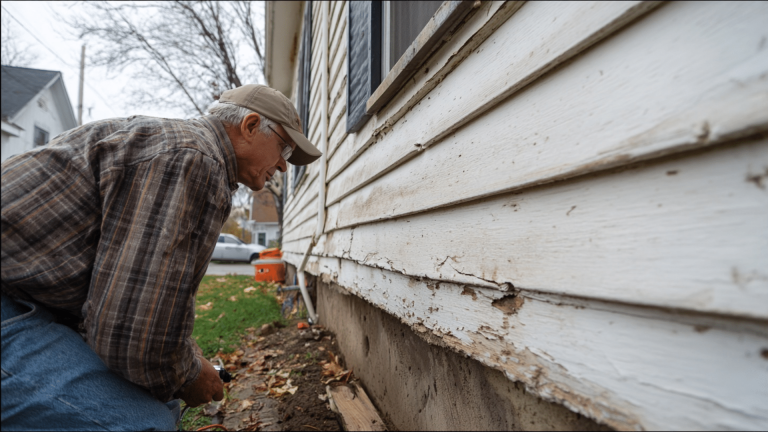
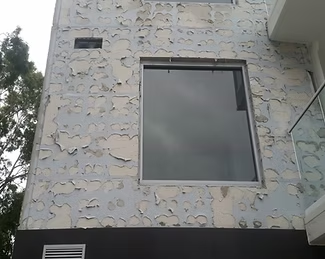
Determining exactly when a home’s exterior has reached the end of its functional life requires a keen eye for detail. While some signs of failure are obvious, such as panels hanging off the side of the house, others are more insidious. For example, if you notice localized warping or “oil canning” in your existing siding, it may indicate that the original installation did not allow for the natural expansion and contraction of the material. Over time, these stresses can create gaps where insects and moisture penetrate the substrate.
In addition to physical deformities, homeowners should monitor their monthly energy expenditures. If heating and cooling costs have spiked without a corresponding change in utility rates, it may be a sign that the exterior envelope is leaking air. Modern vinyl siding systems often incorporate contoured foam backing or are paired with high-performance house wraps that significantly improve R-values. Replacing aging, thin siding with a modern system can yield immediate dividends in climate control and comfort.
Rot and mold growth are perhaps the most urgent indicators that a change is necessary. If you find soft spots in the wood beneath the siding or see dark spores appearing on interior walls, the exterior barrier has likely failed. In these scenarios, simply patching the visible holes is insufficient. A comprehensive vinyl siding installation service will involve stripping the old material away to inspect the underlying sheathing, ensuring that the new layer is built upon a solid, dry foundation.
The Chemistry of Modern Vinyl Siding Materials
To appreciate why vinyl remains the most popular siding choice in North America, one must look at the science of its composition. The primary ingredient is polyvinyl chloride (PVC), a versatile thermoplastic resin. To this base, manufacturers add stabilizers to protect against heat degradation and lubricants to facilitate the extrusion process. One of the most critical components is titanium dioxide, which acts as a powerful UV inhibitor, preventing the sun’s rays from breaking down the chemical bonds of the plastic.
The thickness of the panel—often referred to as the “gauge”—is a primary indicator of quality and impact resistance. Standard builder-grade vinyl typically measures around 0.040 inches, while premium grades can reach 0.046 or even 0.050 inches. Thicker panels are not only more durable against hail and physical impact but also tend to be more rigid, resulting in straighter lines across the side of the home. This rigidity is crucial for achieving a high-end look that mimics the appearance of traditional milled lumber.
Moreover, the inclusion of acrylic cross-linking agents in the top layer (the capstock) ensures that the color remains vibrant for decades. This co-extrusion process creates a dual-layer panel where the outer layer provides weather resistance and color stability, while the inner layer provides structural strength and impact resistance. This chemical engineering allows for a vast array of textures, from smooth contemporary finishes to deep wood-grain patterns that are virtually indistinguishable from real cedar.
Vinyl Siding Installation Service
Choosing a professional vinyl siding installation service is the most significant variable in the longevity of your home’s exterior. While many home improvement tasks can be handled by a dedicated DIY enthusiast, siding installation involves complex geometry and critical moisture-management protocols. A professional team brings specialized tools, such as brake presses for custom aluminum trim and pneumatic siding nailers, which ensure that the material is secured according to manufacturer specifications.
One of the hallmarks of a premium service is their approach to “floating” the siding. Because vinyl expands and contracts significantly with temperature changes—sometimes as much as half an inch over a twelve-foot span—it must never be nailed tight to the wall. A professional installer leaves a small gap between the nail head and the siding hem, allowing the panels to slide horizontally. Failure to do this results in buckling and “clicking” sounds as the house warms up in the sun.
In addition to technical skill, a reputable service provider will manage the logistical complexities of the project. This includes securing necessary local building permits, coordinating the delivery of materials, and managing the disposal of old debris. They will also provide a clear timeline for the project, minimizing the disruption to your daily life. When you hire experts, you are not just paying for labor; you are paying for the peace of mind that comes with a comprehensive warranty and a weather-tight finish.
The Importance of a Water-Resistive Barrier (WRB)
Before the first panel of vinyl is ever snapped into place, the “weatherproofing” phase must be completed. Vinyl siding is designed to shed the majority of rainwater, but it is not intended to be a 100% waterproof seal. Wind-driven rain can sometimes find its way behind the panels. This is why a high-quality water-resistive barrier (WRB), such as house wrap, is essential. This material is “breathable,” meaning it allows interior vapor to escape while preventing exterior liquid water from reaching the wooden studs.
A meticulous vinyl siding installation service will pay close attention to the overlapping of the WRB. It must be installed from the bottom up, similar to roof shingles, so that water naturally flows over the seams rather than behind them. All seams should be taped with specialized construction tape to prevent air infiltration. This layer is the “silent hero” of the siding system, protecting the home from rot and mold that could otherwise go undetected for years behind the plastic panels.
Flashing and Integrated Drainage Systems
The areas where different building materials meet—such as windows, doors, and rooflines—are the most vulnerable points for water entry. Flashing is the process of installing thin strips of metal or waterproof membrane to direct water away from these openings. In a professional vinyl siding installation service, “Z-flashing” is typically used above windows to ensure that any water running down the wall is pushed out over the window casing rather than leaking into the frame.
Furthermore, the use of “J-channels” and “F-channels” provides the necessary trim for the siding to tuck into, creating a clean, finished look. However, these channels must be integrated with the flashing to ensure a continuous drainage path. If water enters a J-channel around a window, there must be a way for it to exit at the bottom. Skilled installers understand these “pathways of least resistance” and ensure that gravity always works in the home’s favor.
Thermal Performance and Insulated Vinyl Options
For homeowners looking to maximize energy efficiency, insulated vinyl siding represents a significant technological leap. Traditional siding creates a “thermal bridge” where heat escapes through the wooden wall studs. By attaching a layer of rigid, contoured foam to the back of the vinyl panels, manufacturers have created a product that wraps the entire home in a blanket of insulation. This reduces the energy load on HVAC systems and can lead to substantial savings on utility bills.
The foam backing also serves a structural purpose. It fills the void between the siding and the wall, making the panels much more rigid and resistant to impact from hail or stray baseballs. From an aesthetic perspective, the foam helps the siding lie flat against the wall, masking minor imperfections in the underlying sheathing. While the initial cost of an insulated vinyl siding installation service is higher, the long-term ROI is often superior due to the energy savings and increased durability.
Evaluating R-Values and Energy Star Ratings
When comparing different siding products, the R-value is the standard measure of thermal resistance. Standard vinyl siding has a very low R-value, typically around 0.6. In contrast, insulated vinyl siding can boost that value to anywhere between 2.0 and 5.0, depending on the thickness and type of foam used. In colder climates, this difference is palpable, as it helps keep the interior walls warmer to the touch and reduces the frequency of furnace cycles.
Additionally, many insulated products are Energy Star certified, which may qualify the homeowner for federal or local tax credits. It is important to discuss these options with your vinyl siding installation service provider during the consultation phase. They can provide data on the specific R-value improvements expected for your home’s square footage and geographic location, allowing you to make a data-driven decision regarding the upgrade.
Comparing Siding Materials: A Comprehensive Overview
| Feature | Vinyl Siding | Fiber Cement | Natural Wood | Engineered Wood |
|---|---|---|---|---|
| Maintenance | Very Low (Soap & Water) | Moderate (Requires Painting) | High (Staining/Sealing) | Moderate (Occasional Paint) |
| Durability | High (Corrosion Proof) | Very High (Fire Resistant) | Moderate (Rot/Pest Risk) | High (Treated for Pests) |
| Installation Cost | $ (Most Affordable) | $$$ (Labor Intensive) | $$$ (Variable) | $$ (Mid-Range) |
| Life Expectancy | 30-50 Years | 50+ Years | 20-40 Years | 30-50 Years |
| Eco-Friendliness | Recyclable (Low Carbon) | Moderate (Heavy to Ship) | Renewable Resource | Uses Recycled Wood |
Aesthetic Versatility: Profiles and Textures
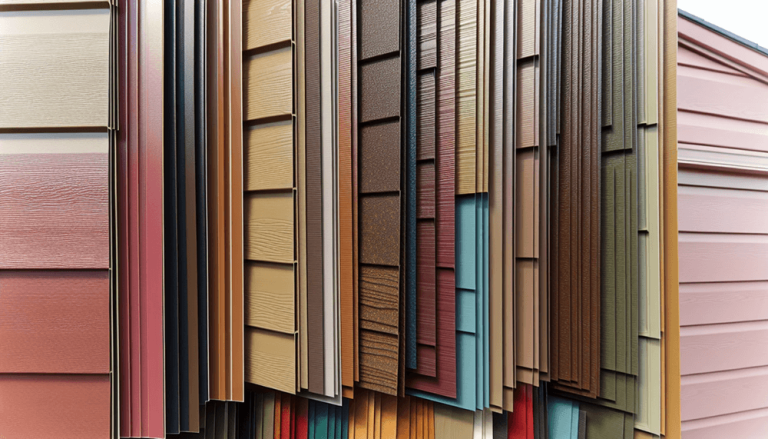
The versatility of vinyl allows it to mimic almost any architectural style. The most common profile is the “Lap Siding” or “Clapboard,” which features long, horizontal boards that overlap. Within this category, you can choose between “Traditional Lap,” which has a flat face, or “Dutch Lap,” which features a decorative groove at the top of each board that creates deeper shadow lines. These shadow lines can make a house look more substantial and historically accurate.
For those seeking a more rustic or coastal look, “Shakes and Shingles” are an excellent option. These panels are molded from actual cedar shingles to capture the authentic texture of wood grain and the random edges of hand-split shakes. When installed by a high-quality vinyl siding installation service, these panels offer the charm of a Cape Cod cottage without the susceptibility to salt-air rot or woodpecker damage. Vertical siding, or “Board and Batten,” is another trending choice, often used as an accent on gables to provide visual height and modern farmhouse appeal.
The color palette available today is virtually limitless. In the past, vinyl was limited to light pastels because dark colors would absorb too much heat and deform. However, modern “Cool Color” technology uses pigments that reflect infra-red light, allowing for deep blues, forest greens, and rich charcoals that stay cool and straight even in direct summer sun. This enables homeowners to express their personal style while maintaining the performance benefits of polymer siding.
The Step-by-Step Professional Installation Process
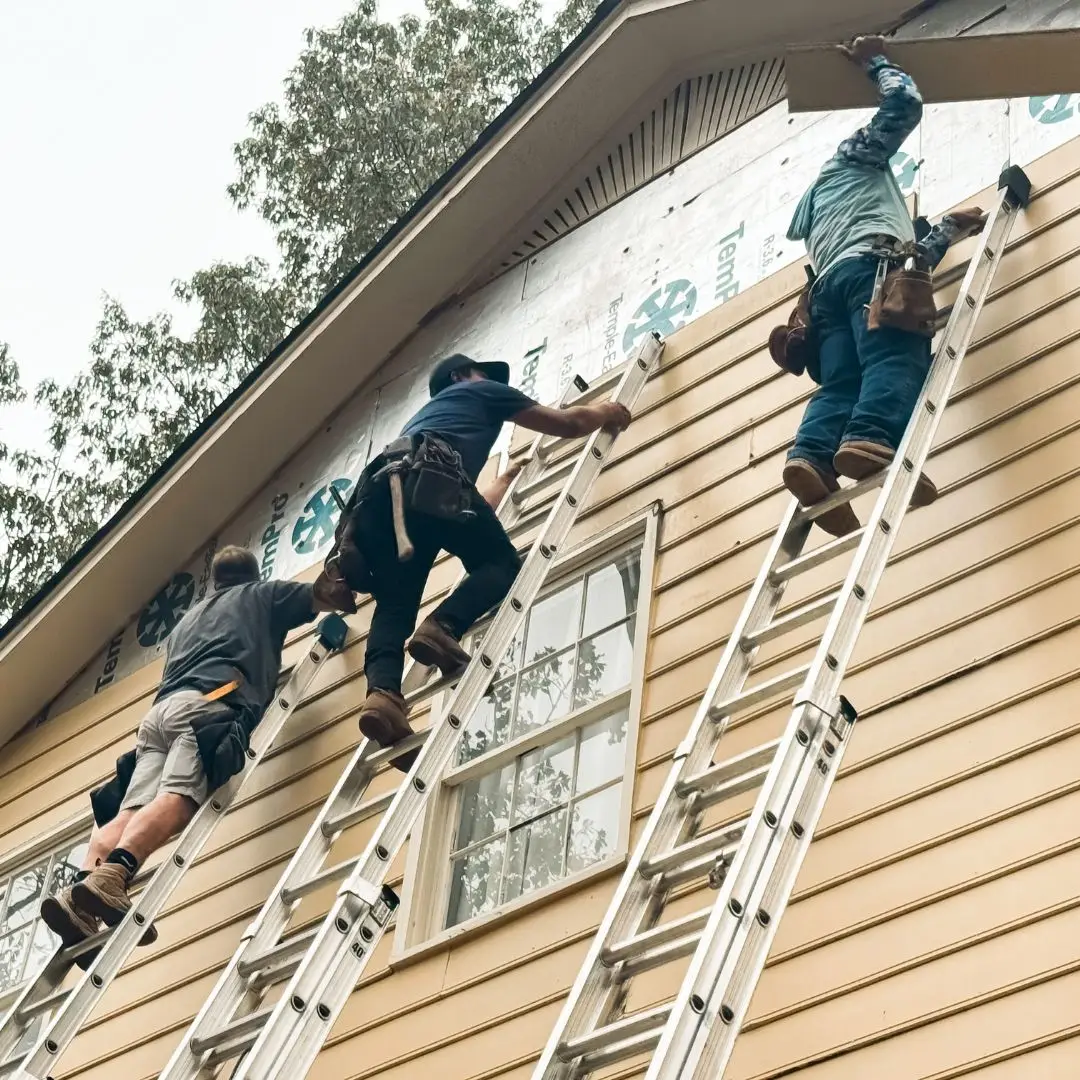
Understanding what happens during a vinyl siding installation service can help homeowners prepare for the project. The process begins with a thorough “tear-off” if the home is being resided. Removing the old material is essential because it allows the crew to inspect the house wrap and the OSB (Oriented Strand Board) or plywood sheathing. Any rot found in the wood must be cut out and replaced before proceeding, as covering up decay only leads to catastrophic structural failure later on.
Once the substrate is sound, the team installs the accessories. This includes the starter strip at the bottom of the house, which must be perfectly level. If the starter strip is off by even a fraction of an inch, the entire side of the house will look crooked as the rows of siding move upward. Next, corner posts are installed. These are the vertical channels that receive the ends of the siding panels. Professionals ensure these are plumb and properly flashed to prevent water from entering the corners of the structure.
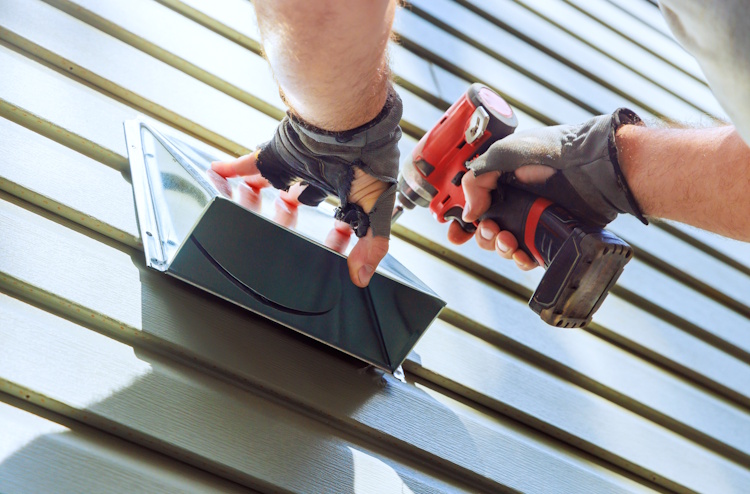
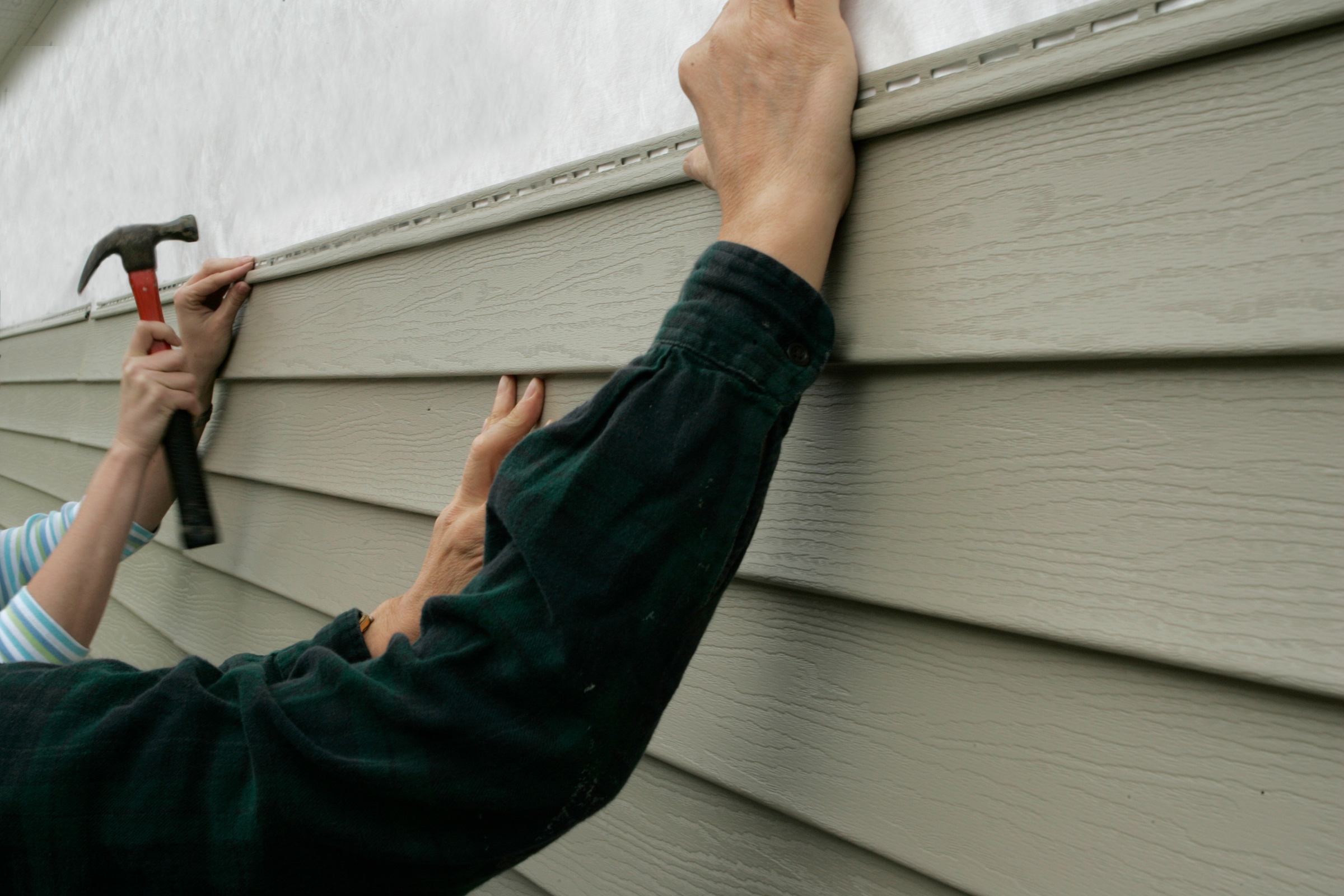
The panels themselves are then “snapped” into the row below and nailed into the studs. As mentioned previously, the nails are placed in the center of the pre-punched slots and left slightly loose to allow for movement. Around windows and doors, the siding is cut to fit and tucked into J-channels. Finally, the “soffit” (the underside of the eaves) and the “fascia” (the vertical edge of the roofline) are covered in matching or coordinating vinyl or aluminum to complete the maintenance-free transformation.
Advanced Nailing Techniques and Tooling
Precision is the difference between a siding job that lasts 40 years and one that fails in five. A professional vinyl siding installation service utilizes specialized tools like a “snap-lock punch” to create lugs in the top of a panel when the factory-punched nail hem has been cut off (usually at the very top of a wall). This ensures the final panel stays securely in the utility trim without the need for face-nailing, which is unsightly and prevents expansion.
Furthermore, the spacing of the nails is crucial. Standard practice dictates a nail every 16 inches, driven directly into the center of the wall studs. Using a pneumatic nailer with a siding attachment ensures that every nail is driven to the exact same depth. This uniformity prevents the “wavy” appearance that often plagues amateur siding jobs where some nails are too tight and others are too loose. This attention to mechanical detail is what defines a high-authority installation.
Managing the “Waste Factor” and Site Cleanliness
A professional approach also extends to how the job site is managed. Siding a house generates a significant amount of scrap material, from small clippings of J-channel to long strips of off-cut panels. A reputable vinyl siding installation service will include a “waste factor” in their initial estimate (usually 10-15%) to ensure they have enough material for complex cuts without running short. They will also use “magnetic sweeps” at the end of each day to pick up fallen nails, protecting your tires and your pets.
Site cleanliness is not just about aesthetics; it is about safety. Piles of old siding can be tripping hazards and may contain sharp edges or old rusty nails. A disciplined crew will maintain a “clean-as-you-go” policy, often utilizing a dedicated dumpster or a mobile trailer for immediate disposal. This level of professionalism ensures that the home remains livable and safe throughout the duration of the project, which can take anywhere from three days to two weeks depending on the size of the home.
Environmental Impact and Sustainability of Vinyl
Contrary to some misconceptions, vinyl siding can be an environmentally responsible choice. Because it is exceptionally lightweight, the fuel required to transport it is significantly less than that required for heavier materials like brick or fiber cement. Furthermore, because it never needs to be painted or stained, it eliminates the release of Volatile Organic Compounds (VOCs) into the atmosphere over the life of the product. Many manufacturers now also incorporate a percentage of post-industrial recycled content into the backing of the panels.
Moreover, the longevity of vinyl contributes to its sustainability. A product that lasts 50 years before needing replacement has a lower lifetime environmental footprint than a product that must be replaced or heavily maintained every 15 years. When the time eventually comes to replace the vinyl, it is a thermoplastic that can theoretically be ground up and recycled into new products, such as underground pipes or automotive parts. Homeowners should ask their vinyl siding installation service if they participate in any siding recycling programs.
Cost Analysis: Investing in Quality
When evaluating a quote for a vinyl siding installation service, it is important to look beyond the bottom-line number. The cost is typically broken down into three categories: materials, labor, and overhead. Materials vary based on the thickness of the vinyl and whether it is insulated. Labor costs are influenced by the complexity of the home’s architecture—houses with multiple stories, complex rooflines, or many windows will require more time and specialized equipment like scaffolding or “pump jacks.”
It is also essential to consider the “cost of ownership” over time. While wood siding might be cheaper in some regions for the initial install, the recurring cost of painting every 5-7 years can add tens of thousands of dollars to the total expense over the decades. Vinyl, by contrast, has a higher “residual value” because it maintains its appearance with minimal input. Real estate experts often note that a professional siding replacement is one of the top home improvements for Return on Investment (ROI) during a home sale.
Choosing the Right Contractor: Questions to Ask
Selecting a vinyl siding installation service should involve a rigorous vetting process. You should never hire a contractor based on a phone call alone. Instead, request an on-site consultation where they can measure the home and identify potential challenges like hidden rot or difficult access points. During this meeting, ask for their license number and proof of insurance, including both general liability and workers’ compensation.
Furthermore, ask for a list of local references and, if possible, addresses of homes they sided five or ten years ago. Seeing how their work holds up over time is the ultimate test of quality. A confident contractor will also offer a clear, written warranty that covers both the material (usually provided by the manufacturer) and the labor (provided by the installer). If a contractor is hesitant to provide written documentation, it is a significant red flag that should not be ignored.
The Role of Certifications
In the siding industry, certifications can provide an extra layer of assurance. For instance, the VSI (Vinyl Siding Institute) offers a Certified Installer Program. Professionals who have gone through this training have demonstrated a deep understanding of the ASTM (American Society for Testing and Materials) standards for vinyl installation. Hiring a VSI-certified vinyl siding installation service ensures that your crew is up to date on the latest techniques for wind resistance and water management.
Manufacturer-specific certifications are also valuable. Large brands often have “preferred” or “platinum” dealer programs. Contractors in these programs receive specialized training on that specific brand’s locking mechanisms and trim systems. Often, these certified contractors can offer extended warranties that are not available to the general public, providing an additional safety net for your investment.
Common Pitfalls to Avoid During Installation
Even with high-quality materials, certain errors can compromise the entire project. One common mistake is “over-driven” nails. If the siding is nailed too tight, it will have no room to expand as the sun hits it. This leads to unsightly ripples and can even cause the panels to pop out of their locking tracks. Another frequent error is improper overlapping. Horizontal panels should be overlapped by about an inch, and the seams should be “staggered” so that they are not lined up vertically, which makes them less visible and improves water shedding.
Neglecting the “drip cap” is another critical failure. A drip cap is a L-shaped piece of flashing that sits on top of window and door casings. Without it, water can seep behind the casing and rot the wooden frame of the house. A professional vinyl siding installation service will never skip this small but vital component. Finally, ensure that the “weep holes” in the bottom of the siding panels are not obstructed. These holes allow any moisture that does get behind the vinyl to drain out safely.
Maintenance Tips for Your New Siding
While vinyl is low-maintenance, it is not “no-maintenance.” To keep your home looking its best, a gentle cleaning once a year is recommended. A simple solution of water and mild soap, applied with a soft-bristled brush or a dedicated siding cleaning tool, will remove dust, pollen, and bird droppings. Avoid using abrasive scrubbers or harsh chemicals like undiluted bleach, which can damage the finish and strip away the UV-protective layer.
When using a pressure washer, extreme caution is required. The high-pressure stream can easily drive water behind the siding panels and into the wall cavity if directed upward or at an angle. If you choose to pressure wash, always keep the nozzle pointed straight at the wall or slightly downward, and use a low-pressure setting. Most experts in vinyl siding installation service recommend a “soft wash” approach, which relies more on cleaning solutions than raw water pressure to achieve results.
Conclusion: The Long-Term Value of Professionalism
Investing in your home’s exterior is a multi-faceted decision that impacts aesthetic value, energy efficiency, and structural longevity. Vinyl siding remains a premier choice for its balance of affordability and performance, but the quality of the material is only as good as the hands that install it. By prioritizing a professional vinyl siding installation service, you ensure that every flashing detail, Every nail placement, and every water-resistive layer is executed with precision.
As the industry continues to evolve with better polymers and more sophisticated insulation options, the gap between “good” and “great” siding jobs will only widen. Taking the time to research materials, vet contractors, and understand the installation process pays dividends for decades. Ultimately, a properly sided home is a more comfortable, more beautiful, and more valuable asset, providing a secure sanctuary for whatever the weather may bring.