Modern US Home Siding Trends: The Ultimate Guide to Exterior Design
The landscape of American residential architecture is undergoing a profound transformation as homeowners increasingly prioritize both aesthetic longevity and structural resilience. Today, choosing an exterior finish is no longer a mere utilitarian decision but a strategic investment in a property’s long-term value and energy performance. Understanding Modern US home siding trends is essential for anyone considering a vinyl siding replacement or a total exterior overhaul, as these shifts reflect broader changes in lifestyle, technology, and environmental consciousness.
Homeowners are moving away from the monochromatic, cookie-cutter designs of the early 2000s in favor of more textured, bold, and high-performance solutions. This shift is driven by a desire for individuality and a deeper understanding of how exterior materials impact indoor comfort. Consequently, the siding industry has responded with innovative materials that mimic natural wood and stone while offering the durability of modern polymers.
Furthermore, the integration of energy-efficient technologies into siding products has become a primary concern for the average US consumer. With rising utility costs and a growing focus on sustainability, the exterior envelope of the home must do more than just look good. It must serve as a high-functioning thermal barrier that protects the interior environment from increasingly volatile weather patterns across the country.
The Rise of Moody and Darker Color Palettes
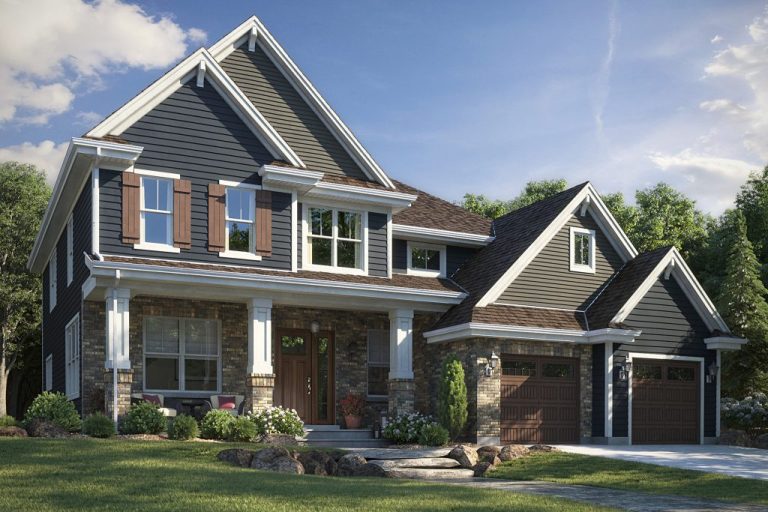
One of the most striking developments in Modern US home siding trends is the departure from traditional beige and cream tones. Instead, homeowners are embracing darker, more saturated colors such as charcoal gray, deep forest green, and even midnight black. These shades create a sense of sophistication and allow a home to stand out within its neighborhood without appearing garish.
The Popularity of Iron Gray and Charcoal
Gray has dominated the interior design world for over a decade, and it has finally solidified its position on the exterior. Deep charcoal and iron grays provide a neutral yet dramatic backdrop that complements various architectural styles, from modern farmhouses to mid-century modern renovations. These colors are particularly effective when paired with natural wood accents or white trim to create high-contrast visual interest.
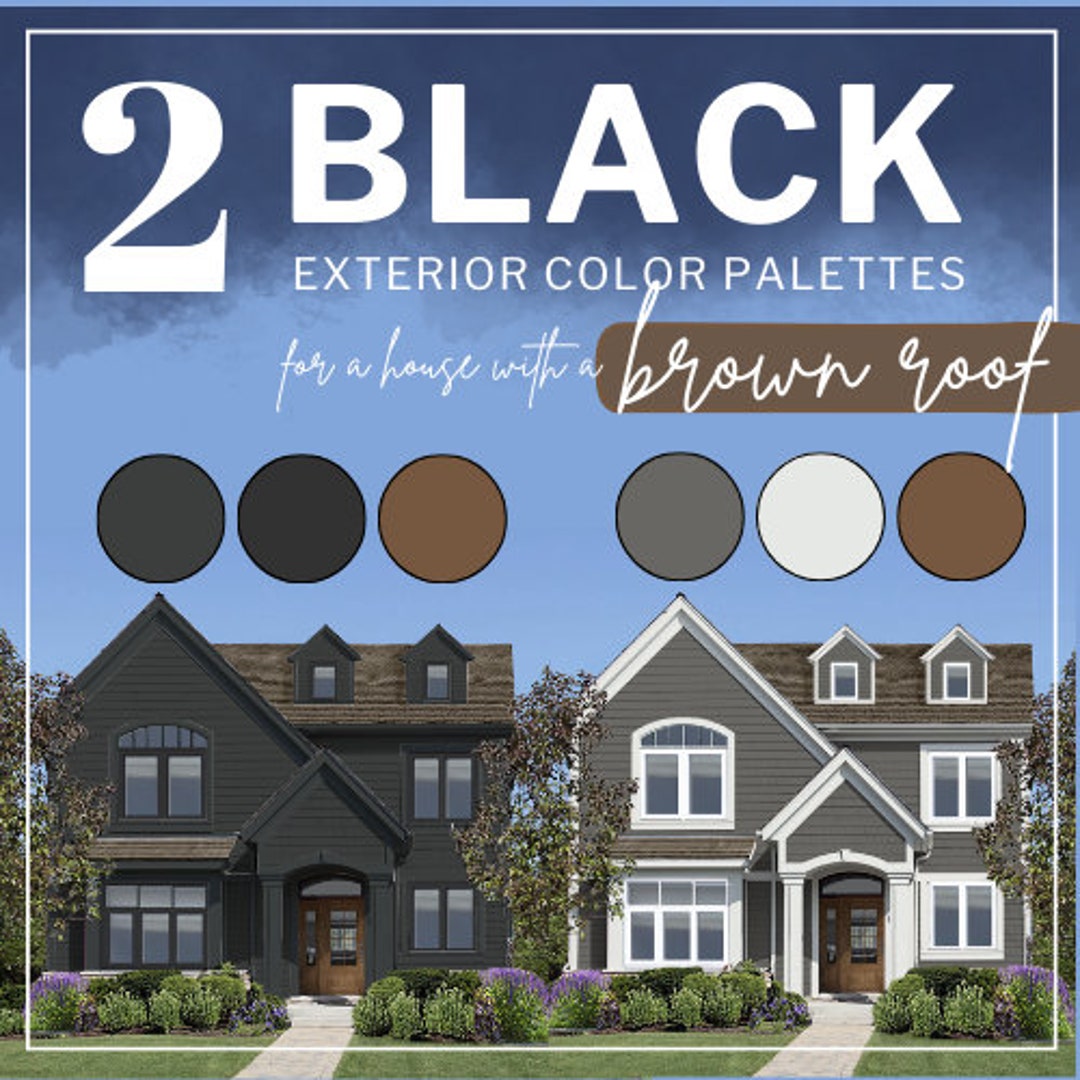
Moreover, modern manufacturing processes have improved the UV resistance of these darker pigments. Historically, dark siding was prone to fading and heat absorption, which could lead to warping. However, current technological advancements in “cool roof” and “cool wall” pigments allow these dark surfaces to reflect infrared light, keeping the material cooler and preserving the color for decades.
Navy and Midnight Blue Accents
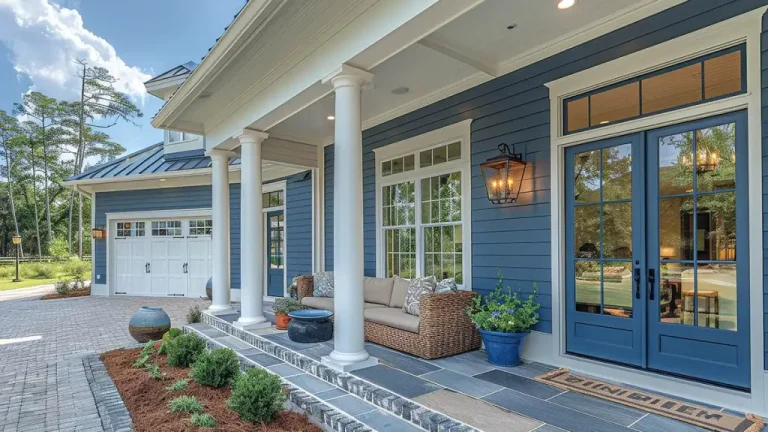
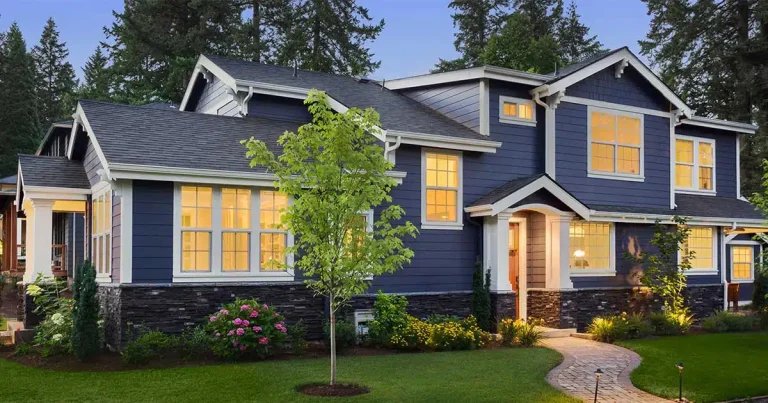
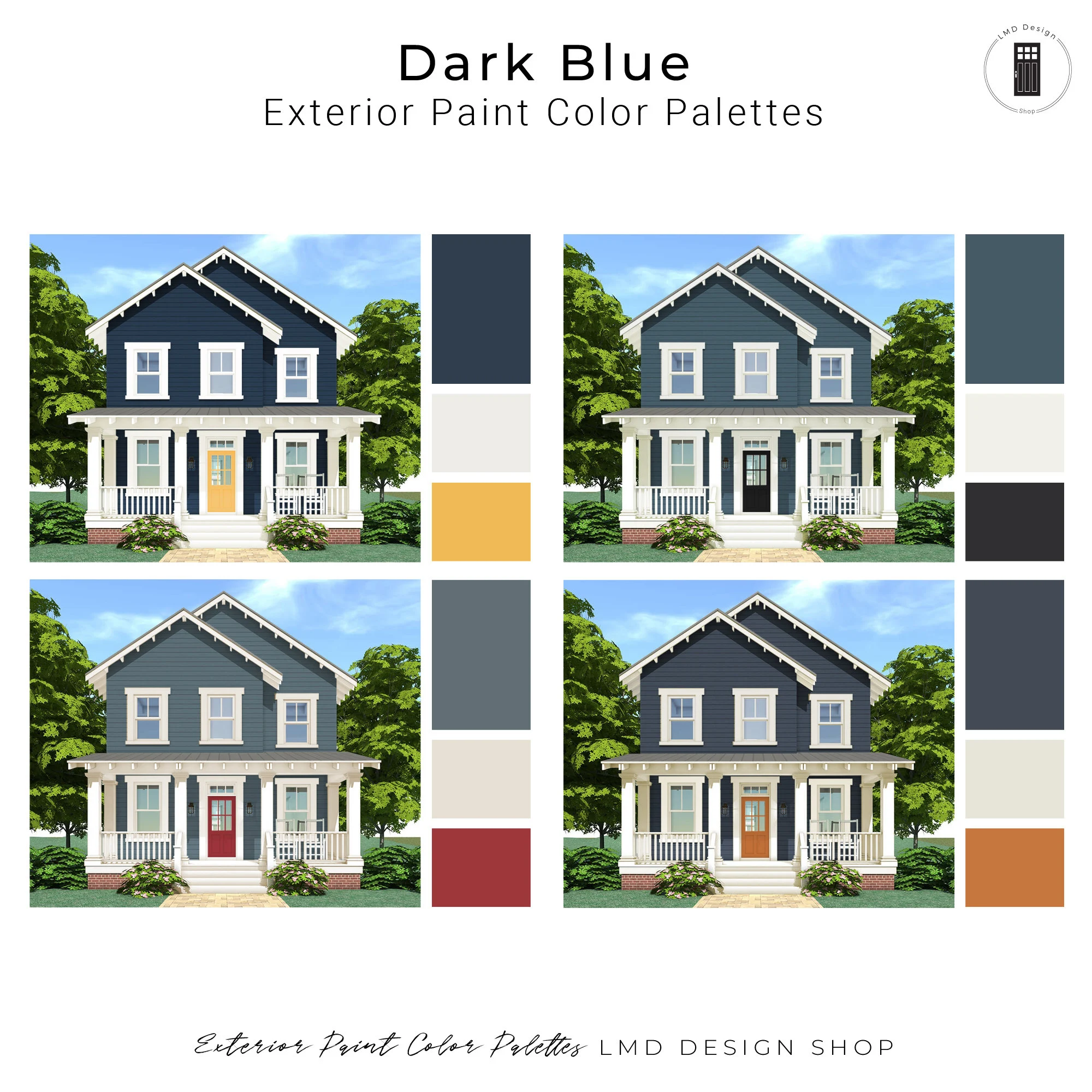
Blue has emerged as a top contender for those seeking a “new neutral” that offers more personality than gray or white. Deep navy and midnight blue siding evoke a sense of coastal elegance and stability. When used on large surface areas, these colors provide a calming effect and pair beautifully with stone masonry and metallic fixtures.
In addition to their aesthetic appeal, these blues are highly versatile. They work equally well in suburban developments and rural settings, bridging the gap between traditional charm and contemporary boldness. This versatility is a key reason why blue remains a cornerstone of Modern US home siding trends in diverse regions across the United States.
Textural Diversity and Material Mixing
Modern exterior design is moving away from the “all-over” look where a single material covers every square inch of the home. Instead, designers are encouraging homeowners to mix and match different textures and profiles to create architectural depth. This approach breaks up large, flat surfaces and adds a custom feel to even the most basic residential structures.
Combining Lap Siding with Stone Veneer
A frequent sight in contemporary neighborhoods is the combination of horizontal lap siding with manufactured stone veneer. This trend creates a grounded, organic feel by placing heavier textures at the base of the home or on prominent features like entryways and chimneys. The contrast between the smooth lines of the siding and the ruggedness of the stone adds immediate curb appeal.
Additionally, this mixing allows for strategic budgeting. Homeowners can invest in premium stone for the front facade while using high-quality vinyl or fiber cement for the remaining sides. This creates a high-end look without the astronomical costs associated with a full stone exterior, making it a sustainable choice for many renovation projects.
The Resurgence of Board and Batten
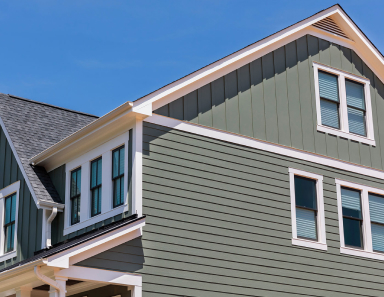
Vertical siding, specifically the board and batten style, has seen a massive resurgence thanks to the “modern farmhouse” movement. This vertical orientation draws the eye upward, making homes appear taller and more majestic. It is often used as an accent in gables or to highlight specific sections of the house, though some are opting for it as the primary siding choice.
Board and batten also offers a distinct tactile quality that horizontal siding lacks. The shadow lines created by the battens add a layer of complexity to the exterior facade that changes throughout the day as the sun moves. This dynamic visual quality is a hallmark of current Modern US home siding trends and shows no sign of slowing down.
Advanced Performance in Vinyl Siding Replacement
When discussing Modern US home siding trends, it is impossible to ignore the evolution of vinyl. Once seen as a budget-only option, modern vinyl products have been re-engineered to compete with premium materials. A vinyl siding replacement today offers significantly more value than it did twenty years ago, thanks to improvements in thickness, composition, and insulation.
Modern vinyl is now available in “extra-thick” grades that resist impact from hail and debris far better than their predecessors. These products also feature sophisticated interlocking systems that provide superior wind resistance, ensuring that the siding remains attached during severe storms. This structural integrity is a major selling point for homeowners in hurricane or tornado-prone regions.
Insulated Siding for Thermal Efficiency
One of the most significant upgrades in the vinyl category is the integration of rigid foam insulation bonded directly to the back of the siding panels. This “insulated siding” helps to eliminate thermal bridging, which is the process where heat escapes through the wooden studs of the house. By wrapping the entire home in a continuous blanket of insulation, homeowners can significantly reduce their heating and cooling costs.
Furthermore, insulated siding provides a flatter, straighter appearance on the wall. It fills the gaps between the siding and the sheathing, preventing the “wavy” look that can sometimes occur with traditional, unbacked vinyl. This improved aesthetic, combined with measurable energy savings, makes it a top choice for modern homeowners looking for a smart return on investment.
Realistic Wood Grain Textures
Technological leaps in embossing and printing have allowed vinyl manufacturers to create textures that are virtually indistinguishable from real wood. From the rough-hewn look of cedar shakes to the smooth finish of milled pine, these products offer the warmth of wood without the high maintenance requirements. Homeowners can now enjoy the “wood look” without the constant need for scraping, painting, or worrying about rot.
In addition to texture, “variegated” color technology mimics the natural color shifts found in real timber. Rather than a single solid color, the siding features subtle highlights and lowlights that add depth and realism. This focus on authentic aesthetics is a driving force behind many Modern US home siding trends in the replacement market.
Sustainability and Eco-Friendly Material Choices
The modern homeowner is increasingly concerned with the environmental impact of their building materials. This shift in consciousness has led to a demand for siding that is either made from recycled content or is fully recyclable at the end of its lifespan. Manufacturers are responding by highlighting the “green” credentials of their product lines.
Vinyl, surprisingly, has a strong sustainability story when considering its long life and low maintenance. Because it never needs to be painted or stained, it eliminates the release of volatile organic compounds (VOCs) into the atmosphere over the decades. Additionally, many manufacturers now incorporate post-industrial recycled vinyl into their new products, reducing the reliance on virgin plastics.
Fiber Cement and Its Enduring Popularity
Fiber cement remains a dominant force in Modern US home siding trends due to its composition of sustainable materials: cellulose fiber, sand, and cement. It is prized for its extreme durability and fire resistance. In regions prone to wildfires, fiber cement is often the preferred—or even mandated—choice for residential construction because it does not ignite when exposed to direct flames.
However, fiber cement does require more maintenance than vinyl, as it must be repainted every 10 to 15 years. Despite this, many homeowners view the ability to change the color of their home as a benefit rather than a chore. The material’s heavy, solid feel provides a sense of permanence that many buyers find appealing in the current market.
Engineered Wood Siding
Engineered wood is another eco-conscious contender that has gained traction. Made from wood strands treated with zinc borate and bonded with water-resistant resins, it offers the beauty of wood with enhanced resistance to termites and fungal decay. It is often more cost-effective and easier to install than fiber cement while providing a similar look and feel.
Because engineered wood utilizes fast-growing trees and smaller wood particles, it is considered a more efficient use of natural resources. This alignment with “green building” principles has secured its place in the list of Modern US home siding trends. It provides a bridge for those who want a natural look but demand modern performance standards.
Modern US home siding trends
The synthesis of style and technology is the defining characteristic of Modern US home siding trends today. We are seeing a move toward “performance-driven aesthetics,” where the visual choice is backed by rigorous engineering. This means that a homeowner’s decision to go with a “slate blue” board and batten isn’t just about the color, but also about the thermal resistance and the wind-load rating of that specific product.
Furthermore, the “Modern US home siding trends” of the current era are heavily influenced by the digitalization of the design process. Homeowners now use 3D visualization tools to see how different materials and colors will look on their specific property before a single nail is driven. This has led to more confident, bold choices that are pushing the boundaries of traditional suburban design.
Another key trend is the move toward “low-touch” exteriors. In an increasingly busy world, the value of a maintenance-free home cannot be overstated. Materials that require nothing more than an occasional wash with a garden hose are winning out over those that demand annual sealing or professional cleaning. This focus on time-saving reflects the broader cultural shift toward convenience and functional living.
Cost-Benefit Analysis of Material Options
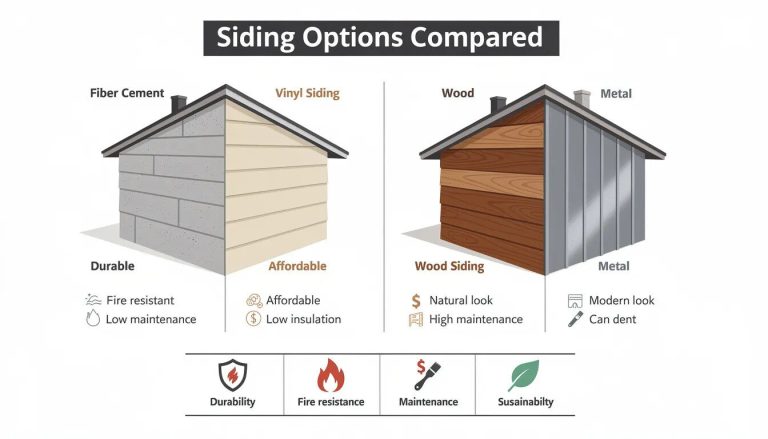
Selecting a siding material involves balancing initial installation costs against long-term maintenance and energy savings. The following table provides a breakdown of how common materials compare in the current market context of Modern US home siding trends.
| Material Type | Average Cost (Installed) | Expected Lifespan | Maintenance Level | ROI Potential |
|---|---|---|---|---|
| Standard Vinyl | $4 – $8 per sq. ft. | 20 – 40 Years | Low | High |
| Insulated Vinyl | $7 – $12 per sq. ft. | 30 – 50 Years | Low | Very High |
| Fiber Cement | $10 – $16 per sq. ft. | 30 – 50 Years | Moderate | High |
| Engineered Wood | $9 – $14 per sq. ft. | 20 – 50 Years | Moderate | Medium |
| Natural Cedar | $15 – $25 per sq. ft. | 20 – 30 Years | High | Variable |
As the table illustrates, vinyl remains the most accessible entry point, but insulated versions offer a compelling case for those willing to spend more upfront for long-term utility savings. Fiber cement and engineered wood occupy the middle ground, offering a “premium” feel with moderate upkeep. Natural cedar, while beautiful, has become a niche product due to its high cost and intensive maintenance needs.
The Influence of Architectural Style on Siding Choice
While Modern US home siding trends provide a general direction, the specific architectural style of a home often dictates the best material and profile. A Victorian-style home requires different considerations than a contemporary minimalist structure. Adapting modern materials to historical or traditional shapes is a skill that distinguishes top-tier designers.
The Modern Farmhouse Aesthetic
The modern farmhouse remains one of the most popular styles in the US today. It is defined by its use of white vertical siding, black windows, and metal roof accents. This style relies heavily on the “cleanliness” of the lines, making high-quality vinyl or fiber cement board and batten the ideal choice. The goal is to achieve a look that feels both rustic and pristine.
In this context, the siding is the star of the show. Using a “bright white” with a slight sheen can help the home glow in the sunlight, while matte finishes provide a more contemporary, sophisticated vibe. This stylistic preference has influenced Modern US home siding trends by pushing manufacturers to create the “perfect” shades of white that don’t yellow over time.
Mid-Century Modern Revivals
For mid-century modern homes, the focus is on horizontal lines and the integration of the indoors with the outdoors. Large-format panels or narrow lap siding are common choices. These homes often feature earthy tones—oranges, olives, and browns—that harmonize with the surrounding landscape.
Using a mix of siding and natural wood (or wood-look vinyl) is a key strategy for this architectural style. By placing wood textures near the entryway and neutral panels elsewhere, the home maintains its iconic “organic” feel while benefiting from the durability of modern materials. This specific application of material mixing is a hallmark of current Modern US home siding trends.
Installation Best Practices and Modern Techniques
No matter how high-quality the material, the success of a siding project depends on the installation. Modern techniques have evolved to address common failure points such as moisture intrusion and thermal expansion. Professionals now utilize advanced moisture barriers and rainscreen systems to ensure the wall assembly can “breathe.”
One critical development is the use of specialized house wraps that allow water vapor to escape from the inside while preventing liquid water from entering from the outside. In the context of Modern US home siding trends, this is often referred to as “building science” integration. It ensures that the structural framing remains dry, preventing rot and mold behind the beautiful new siding.
Flashings and Integrated Systems
Modern siding systems now include integrated flashing components that are designed to work together. From window headers to J-channels, these components are engineered to redirect water away from the house’s openings. A “systemic” approach to installation is now the industry standard, replacing the piecemeal methods of the past.
Additionally, for vinyl siding, installers must account for the material’s natural expansion and contraction. Proper nailing—where the nail is not driven flush against the siding—allows the panels to move as temperatures change. This technical nuance is vital for maintaining the “straight” look that is so important in current Modern US home siding trends.
The Impact of Climate on Siding Decisions
The United States encompasses a wide range of climates, and Modern US home siding trends often vary by region to accommodate these differences. A homeowner in Arizona has very different needs than one in Maine. Material resilience is being tested by more extreme heatwaves, heavier snowfalls, and more frequent storms.
In the Southwest, UV resistance and heat deflection are the primary concerns. Siding materials that can withstand intense sunlight without warping or fading are in high demand. Light-colored vinyl or fiber cement are often preferred here to reflect as much heat as possible, keeping cooling costs manageable during the scorching summer months.
Coastal and High-Humidity Regions
For coastal areas, salt spray and high humidity are the main enemies of home exteriors. In these environments, wood siding is often impractical due to the rapid rate of rot and the need for frequent painting. Consequently, high-grade vinyl and fiber cement have become the “standard” Modern US home siding trends in seaside communities.
These materials do not corrode, peel, or rot when exposed to salt air. Manufacturers have also developed “high-wind” installation kits specifically for these regions, featuring reinforced nail hems and deeper locking mechanisms. This ensures that the siding remains secure even during tropical storms or hurricanes.
Cold Climates and Thermal Bridging
In the northern states, the focus shifts to insulation and freeze-thaw cycles. Materials must be able to expand and contract without cracking in sub-zero temperatures. Insulated vinyl is a dominant force here because it provides that extra R-value that is so critical during long winters.
Furthermore, the ability of a material to shed snow and ice is a practical consideration. Smooth-surfaced siding prevents ice damming and moisture buildup against the house. This functionality, paired with a cozy “New England” aesthetic like cedar-look shingles, defines the Modern US home siding trends in colder latitudes.
Maintenance and Long-Term Value Retention
The “cost” of siding is not just the price of installation; it is the price of ownership over thirty years. Modern US home siding trends are heavily skewed toward products that offer the lowest total cost of ownership. This is why vinyl continues to lead the market, as it requires virtually zero financial investment after the initial install.
Fiber cement and engineered wood, while requiring some painting, offer a higher “perceived value” to potential buyers. In many real estate markets, these materials are viewed as “upscale” and can command a higher resale price for the home. Therefore, the choice often depends on whether the homeowner plans to stay in the house for five years or fifty.
Cleaning and Care Protocols
Even “low-maintenance” siding requires some care to keep it looking its best. Modern trends include the use of biodegradable, eco-friendly cleaners that remove dirt and oxidation without damaging the surrounding landscaping. Pressure washing, while common, is actually discouraged by many manufacturers in favor of a soft-wash approach.
Soft-washing involves applying a cleaning solution and rinsing it away with low pressure. This prevents water from being forced behind the siding panels and into the wall cavity. Educating homeowners on these modern care techniques is part of the broader trend of ensuring the longevity of high-performance exteriors.
Architectural Accents and Finishing Touches
The final layer of Modern US home siding trends involves the “jewelry” of the home: the trim, soffits, and fascia. The current trend is to use contrasting trim to highlight the home’s architectural lines. For example, a dark gray house with crisp white trim creates a classic, clean look that appeals to a wide range of buyers.
Alternatively, “tonal” designs are gaining popularity, where the trim is just a few shades lighter or darker than the main siding. This creates a more subtle, sophisticated appearance that feels integrated and modern. The move away from “matching” everything exactly allows for more creative expression in residential design.
The Role of Soffit and Fascia
Often overlooked, the soffit and fascia play a critical role in both aesthetics and attic ventilation. Modern trends favor “hidden vent” soffits, which provide the necessary airflow for the roof while maintaining a solid, clean appearance from the street. These small details contribute significantly to the overall “finished” look of a modern home exterior.
Using aluminum or vinyl for these components ensures they won’t rot or peel, which is a common problem with traditional wooden eaves. By coordinating the color of the soffit and fascia with the rest of the siding system, homeowners can achieve a cohesive look that lasts for decades with minimal effort.
The Future of Home Exteriors: What’s Next?
Looking ahead, Modern US home siding trends will likely continue to be shaped by technological innovation and climate adaptation. We may see the rise of “smart siding” that incorporates sensors to detect moisture levels or thermal leaks within the wall. Additionally, solar-integrated siding panels are currently in development, potentially turning the entire exterior of a home into a power generator.
As 3D printing technology matures, we may also see custom-printed siding panels that allow for completely unique textures and patterns. This would represent the ultimate evolution of the “individualization” trend, allowing homeowners to design an exterior that is truly one-of-a-kind. For now, however, the focus remains on the perfect blend of beauty, durability, and energy efficiency.
In conclusion, keeping up with Modern US home siding trends is about more than just fashion. it is about understanding how materials, colors, and installation techniques work together to create a home that is beautiful, efficient, and built to last. Whether you are opting for a high-performance vinyl siding replacement or exploring the rugged beauty of fiber cement, the current market offers more high-quality options than ever before.