Popular Siding Colors in USA: The Ultimate Guide for 2024
Choosing the right exterior for your home is more than a simple maintenance task; it is a significant architectural statement. When homeowners investigate the most popular siding colors in USA today, they are often balancing personal aesthetics with regional resale trends. This decision impacts not only the immediate curb appeal but also the long-term marketability and value of the property. Selecting a color involves understanding how light, landscape, and neighborhood standards intersect to create a cohesive visual identity.

The exterior of a home serves as its first impression. Consequently, the color palette you choose acts as the primary communicator of your home’s character. Whether you are aiming for a traditional colonial look or a sleek, modern aesthetic, the hues available in modern vinyl siding have expanded significantly. Manufacturers now offer advanced pigments that resist fading, allowing for deeper and more vibrant shades than were possible in decades past.
Furthermore, the shift toward darker, more saturated tones has redefined American suburban landscapes. While whites and beiges remain staples, the emergence of charcoal, navy, and deep forest green reflects a growing desire for homes that feel grounded and sophisticated. In this exhaustive guide, we will explore the nuances of color selection, regional preferences, and the technical aspects of choosing a siding color that will stand the test of time.
The Psychology of Curb Appeal and Color Selection
Color psychology plays a vital role in how a home is perceived by neighbors and potential buyers. For instance, lighter colors tend to make a structure appear larger and more inviting. They reflect more sunlight, which can be a practical benefit in warmer climates. Conversely, darker colors provide a sense of stability and luxury, often making a house feel more substantial and anchored to its lot.
Moreover, the psychological impact of specific hues cannot be overlooked. Blue tones are often associated with calmness and serenity, reminding many of the sea or a clear sky. Greens evoke a connection to nature and sustainability, blending the home into its surrounding landscaping. Grays and neutrals suggest modernism and efficiency, often appealing to those who prefer a clean, uncluttered aesthetic.
:strip_icc()/A_CH_Gagne_Exterior_O8A0672_preview-9be8e39748704c67965a8f948a747922.jpg)
Transitioning between these options requires a careful analysis of the home’s architectural style. A Victorian-era home might benefit from a more complex, multi-tonal palette, while a mid-century modern ranch often looks best with a minimalist, monochromatic approach. Understanding these psychological triggers helps homeowners make a choice that feels both intentional and harmonious.
The Rise of “Greige” and Modern Neutrals
In recent years, the term “greige”—a sophisticated blend of gray and beige—has dominated the market. This color has become one of the most popular siding colors in USA neighborhoods because it offers the best of both worlds. It provides the coolness of gray with the warmth of beige, making it incredibly versatile for various lighting conditions and trim pairings.
Greige serves as a neutral backdrop that allows architectural features, such as stone accents or wooden gables, to stand out. It is also less prone to showing dirt compared to pure white, yet it doesn’t absorb as much heat as dark charcoal. This balance makes it a top choice for those looking for a safe yet stylish investment in their home’s exterior.
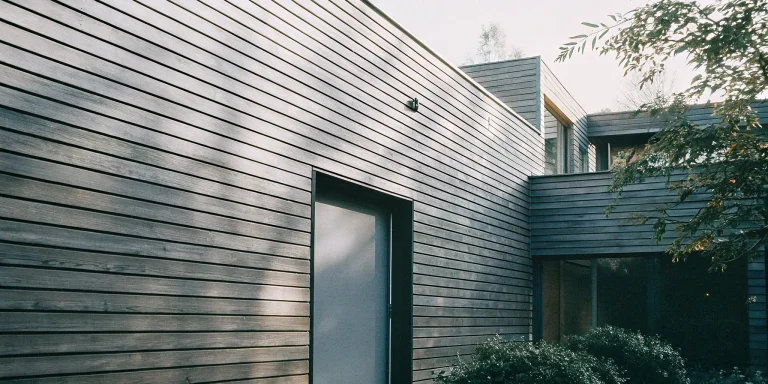
Additionally, modern neutrals have expanded to include “pewter” and “slate.” These colors offer a slightly more industrial feel, which is currently trending in urban and suburban developments alike. They pair exceptionally well with black window frames and metallic light fixtures, creating a crisp, contemporary look that remains timeless.
Popular Siding Colors in USA
| Color Category | Popular Shades | Best Architecture Style | Regional Popularity |
|---|---|---|---|
| Classic Neutrals | White, Cream, Almond | Colonial, Farmhouse | Northeast, Midwest |
| Cool Tones | Navy Blue, Slate, Denim | Cape Cod, Coastal | East Coast, Pacific NW |
| Earth Tones | Sage Green, Tan, Terracotta | Craftsman, Ranch | Mountain West, Southwest |
| Dark & Bold | Charcoal, Black, Forest Green | Modern, Industrial | National Urban Centers |
When analyzing the most popular siding colors in USA regions, it is clear that geography dictates many preferences. In the Northeast, tradition often reigns supreme. You will see a high frequency of “colonial white” and “maritime blue,” reflecting the historical roots of the area. These colors provide a crisp contrast against the changing seasonal foliage, maintaining a sharp appearance year-round.
However, move toward the American South, and the palette shifts toward lighter, heat-reflective shades. Soft yellows, pale greens, and creamy whites are prevalent here to combat the intense humidity and sun exposure. These lighter hues help keep the home cooler by reflecting UV rays, which is a critical functional consideration for vinyl siding replacement in warmer latitudes.
The Midwest often embraces earthy, warm tones that complement the natural landscape. Think of “autumn tan,” “clay,” and “deep mocha.” These colors feel cozy and grounded, particularly during the long winter months when a warm-toned house can provide a much-needed visual reprieve from the gray skies and white snow.
The Enduring Appeal of Classic White
White siding remains a perennial favorite for several reasons. First, it offers a “blank canvas” that allows homeowners to experiment with bold shutter or door colors. A white house with black shutters is a quintessential American look that never goes out of style. It suggests cleanliness, order, and a certain architectural purity.
Furthermore, white is exceptionally effective at hiding the minor imperfections that can occur with vinyl siding over time. It doesn’t show fading from the sun as clearly as darker pigments might. For many, the low-stress maintenance and high resale value make white the most logical choice when considering popular siding colors in USA markets.
In the context of the “Modern Farmhouse” trend, white siding has seen a massive resurgence. When paired with black window sashes and natural wood accents, white vinyl siding provides a sharp, high-contrast look that is currently dominating social media and home design magazines. This aesthetic bridges the gap between traditional rural living and urban sophistication.
Deep Blue and Coastal Inspirations
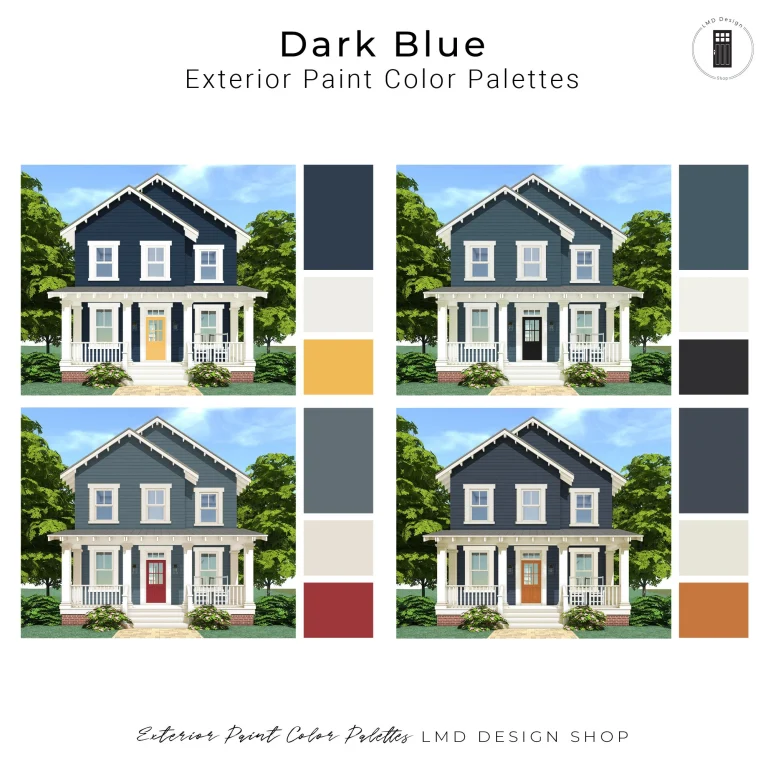
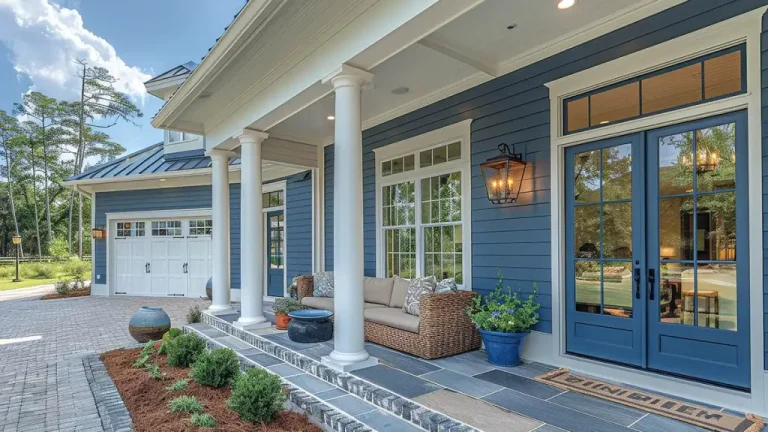
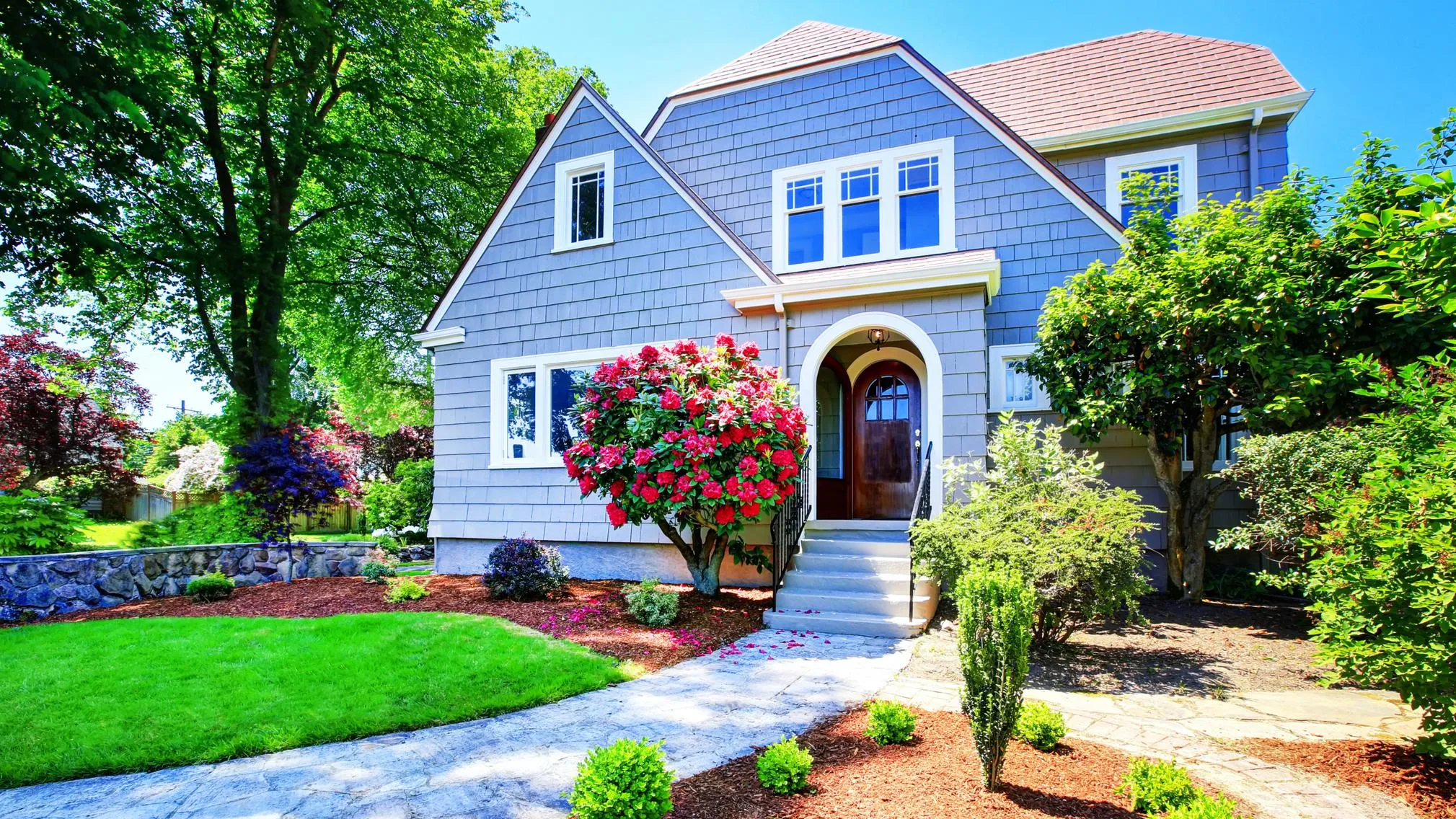
Blue has moved from a niche choice to a mainstream powerhouse. Deep navy blues, often called “Midnight” or “Regatta,” provide a stunning backdrop for white trim. This combination is particularly effective for homes near water or those that want to evoke a nautical, coastal feeling regardless of their actual location.
Unlike lighter sky blues, which can sometimes appear washed out under bright sun, deep blues retain their character and provide a sense of luxury. They work surprisingly well in wooded areas too, as the blue provides a complementary contrast to the natural greens and browns of the forest. This versatility has cemented blue’s place among the most popular siding colors in USA suburbs.
It is important to note that when choosing a dark blue, the quality of the vinyl siding matters. High-quality vinyl uses “color-through” technology, meaning the pigment is integrated throughout the material rather than just on the surface. This prevents scratches from showing white underneath and ensures the blue stays vibrant for decades.
Exploring Sage and Forest Greens
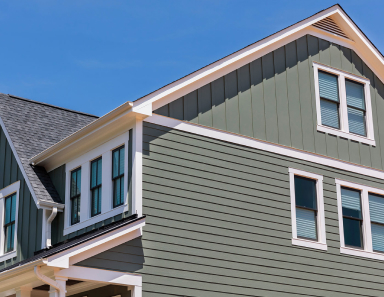
Green siding is often chosen by those who want their home to feel like an extension of the natural environment. Sage green, in particular, has gained traction for its muted, sophisticated quality. It is a calming color that works beautifully with stone veneers and cedar accents, making it a staple for Craftsman-style homes.
On the darker end of the spectrum, forest or hunter green offers a more traditional, “stately” appearance. These darker greens are frequently seen in mountain regions or heavily wooded lots. They provide a sense of privacy and seclusion, allowing the home to blend into the shadows of the trees rather than standing out aggressively.
Green also pairs exceptionally well with various roof colors. Whether you have gray shingles, brown tiles, or a black metal roof, there is a shade of green that will coordinate perfectly. This flexibility is a primary reason why green remains a steady contender in any list of popular siding colors in USA homes.
The Impact of Lighting on Siding Perception
One of the most overlooked factors in siding selection is how natural light changes throughout the day. A color that looks perfect in a showroom under fluorescent lights may look entirely different on a two-story wall at 4:00 PM. Direct sunlight tends to wash out colors, making them appear several shades lighter than they actually are.
Conversely, in the shade or on overcast days, colors will look deeper and more saturated. This is why many designers recommend taking large siding samples and placing them on different sides of your house. Observe them in the morning, afternoon, and evening to ensure you like the color in all lighting conditions. North-facing walls will generally look cooler and darker, while south-facing walls will be bathed in warm, intense light.
The “popular siding colors in USA” often trend toward mid-tones because they are the most resilient to these lighting shifts. A mid-tone gray or tan remains relatively consistent in appearance, whereas a very light or very dark color can undergo dramatic visual changes depending on the sun’s position.
Coordinating Siding with Roof and Trim
A home’s exterior is an ensemble, not a solo performance. The siding must work in harmony with the roof, the trim, the front door, and even the gutters. A common mistake is choosing a siding color in isolation, only to find it clashes with the existing roof shingles. Since the roof is a large surface area, its color should be the starting point for your siding palette.
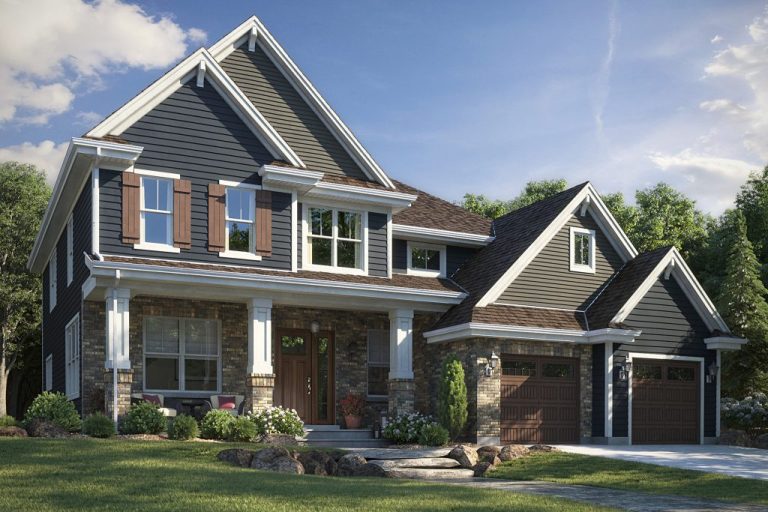
If you have a gray roof, you have the most flexibility, as gray is a neutral that pairs well with almost any color. If your roof has brown or red undertones, you should stick to warmer siding colors like tan, cream, or certain shades of green. For a truly modern look, many are now choosing trim that matches the siding exactly, creating a monochromatic “block” effect that emphasizes the home’s silhouette.
However, high-contrast trim remains the most popular choice. White trim with dark siding creates a crisp, clean border that defines the home’s shape. Black trim with lighter siding—such as light gray or white—is a bold, contemporary choice that has gained significant traction recently. This interplay is a key driver in what makes certain popular siding colors in USA neighborhoods stand out.
Thermal Expansion and Dark Siding Challenges
While dark colors like charcoal and black are incredibly trendy, they come with technical considerations. Darker surfaces absorb more solar energy, which leads to higher surface temperatures. For vinyl siding, this means the material will expand and contract more significantly than lighter-colored panels. Manufacturers have had to innovate to prevent warping or “oil-canning” in these dark shades.
Modern dark-colored vinyl is often engineered with heat-resistant inorganic pigments and specialized cooling substrates. These technologies reflect infrared light, keeping the panels cooler even in direct sun. When selecting one of the darker popular siding colors in USA catalogs, it is essential to ensure the product is rated for high heat resistance to maintain its structural integrity over time.
In addition to structural concerns, heat absorption can impact your home’s energy efficiency. In colder climates, dark siding can actually provide a slight “passive solar” heating benefit during the winter. In hot climates, however, it may increase your cooling costs slightly. Modern insulation and house wraps can mitigate much of this, but it is a factor worth discussing with your contractor.
The Longevity of Contemporary Color Trends
Homeowners often worry that a “trendy” color will look dated in ten years. However, the current shift toward darker neutrals and blues is rooted in classic architectural principles. Unlike the avocado greens or burnt oranges of the 1970s, today’s popular siding colors in USA trends are more restrained and sophisticated. They are designed to age gracefully alongside the home.
To ensure longevity, many designers suggest following the “60-30-10” rule for home exteriors. Sixty percent of the visual space should be your primary siding color, thirty percent your secondary color (like stone or accent siding), and ten percent your “pop” color (like the front door). This creates a balanced look that is less likely to feel overwhelming or faddish as the years go by.
Investing in a high-quality brand with a strong fade warranty is the best way to protect your color choice. Most premium vinyl manufacturers offer 25-year to lifetime warranties against significant color change. This gives homeowners the confidence to choose bolder colors without fearing that their navy blue house will turn a dull purple in a few seasons.
HOA Restrictions and Neighborhood Harmony
Before finalizing your choice, it is imperative to check with your Homeowners Association (HOA). Many HOAs have strict guidelines regarding the colors allowed in a community. These rules are designed to maintain property values by ensuring a cohesive look throughout the neighborhood. Often, they provide a “pre-approved” list of popular siding colors in USA themes that have already been vetted for the community’s aesthetic.
Even without an HOA, considering neighborhood harmony is a mark of a savvy homeowner. You don’t necessarily want your house to be the only bright purple one on a street of tans and grays. Choosing a color that is unique but stays within the same “tonal family” as your neighbors is usually the best strategy for maintaining good relations and high resale potential.
For example, if the street is mostly beige, a sage green or a light greige will stand out as an improvement without looking out of place. If the neighborhood is mostly white, a deep blue can provide a sophisticated contrast that enhances the entire block. This “blending in while standing out” approach is a subtle art in exterior design.
Resale Value: Which Colors Sell Best?
Statistics consistently show that neutral colors have the highest appeal to the broadest range of buyers. When people are house hunting, they want to be able to imagine themselves living in the home. Highly personalized or eccentric colors can be a distraction. This is why “popular siding colors in USA” reports often highlight whites, grays, and tans as the safest bets for resale.
However, “safe” doesn’t have to mean “boring.” A well-executed dark gray or a sophisticated navy can actually command a premium price because it makes the home look modern and well-maintained. Buyers are often willing to pay more for a home that already has the “it” color of the moment, saving them the trouble and expense of a future renovation.
Ultimately, the best color for resale is one that looks intentional. A home that has a cohesive color scheme—where the siding, trim, roof, and landscaping all work together—will always be more attractive than one with a haphazard or dated appearance. Professional color coordination is one of the highest-ROI improvements you can make to your home’s exterior.
Innovations in Vinyl Siding Texture and Finish
The visual impact of a color is also heavily influenced by the texture of the siding. Modern vinyl can be manufactured to mimic the look of traditional wood clapboard, cedar shakes, or even smooth-sanded wood. A “matte” finish has become increasingly popular, as it looks more like painted wood and avoids the “plastic” sheen associated with older vinyl products.
Texture adds depth to a color. For instance, a dark gray on a cedar-shake texture will have various highlights and shadows that make the color look more complex and natural. On a smooth lap siding, that same gray will look more industrial and modern. When browsing popular siding colors in USA showrooms, always look at the samples in the specific texture you plan to install.
Some manufacturers also offer “variegated” colors, which feature subtle streaks of different tones within a single panel. This mimics the natural color variation found in real wood. This is a popular choice for those who want the look of stained cedar but the low-maintenance benefits of vinyl. It adds a premium, “custom” feel to the home’s exterior.
Maintenance Tips for Maintaining Color Vibrancy
Even the best siding needs a little care to keep its color looking fresh. Fortunately, vinyl is one of the easiest materials to maintain. An annual cleaning with a garden hose and a soft brush is usually all it takes to remove dust, pollen, and spider webs that can dull the color. Avoid using high-pressure washers, as they can sometimes force water behind the panels or damage the surface finish.
If you live in an area with high humidity, you might notice occasional mold or mildew on the north-facing side of your house. A simple solution of vinegar and water (or a specialized vinyl cleaner) will safely remove this without harming the pigment. Keeping your siding clean ensures that the popular siding colors in USA neighborhoods remain as vibrant as the day they were installed.
Furthermore, be mindful of landscaping. Bushes or trees that rub against the siding can cause scratches or deposit sap that is difficult to remove. Trimming your greenery back a foot or two from the house not only protects the siding’s color but also improves airflow around the structure, which is beneficial for the longevity of the entire exterior wall system.
Conclusion: Selecting Your Perfect Palette
Choosing from the wide array of popular siding colors in USA markets is a journey of both logic and creativity. It requires an understanding of your home’s architecture, the regional climate, and the surrounding environment. By balancing these factors with current trends like deep blues, sophisticated greiges, and classic whites, you can create an exterior that is both beautiful and enduring.
Remember that your choice of color is a long-term investment. While it is tempting to follow the latest fad, the most successful exteriors are those that respect the home’s bones while adding a touch of modern flair. Whether you opt for the bold statement of a charcoal gray or the timeless elegance of a colonial white, high-quality vinyl siding ensures that your home will remain a source of pride for years to come.
Ultimately, the perfect color is the one that makes you happy every time you pull into your driveway. Take the time to sample, observe, and consult with professionals. With the right color palette, your home will not only stand out in the neighborhood but will also provide a durable, low-maintenance sanctuary for you and your family.