Siding Styles Across America: A Complete Guide to Home Exteriors
The visual fabric of the United States is woven from a diverse array of architectural traditions, each telling a story of migration, climate adaptation, and local resources. When you traverse the landscape, the exterior cladding of a home serves as its primary identity marker, reflecting both historical roots and modern preferences. Understanding the vast landscape of siding styles across America allows homeowners to make informed decisions that respect regional aesthetics while leveraging modern material performance.
Homeowners today face a unique challenge: balancing the timeless beauty of traditional craftsmanship with the durability requirements of the 21st century. While wood was once the undisputed king of the American exterior, technological leaps in polymer science have shifted the focus toward high-performance vinyl. This transition hasn’t sacrificed style; instead, it has democratized high-end architectural looks that were once reserved for luxury estates. Whether you are looking at a coastal cottage in Maine or a sprawling ranch in Arizona, the exterior choices define the property’s character.
Selecting the right exterior involves more than just picking a color from a swatch. It requires an analytical look at how light interacts with shadows, how moisture behaves in specific climates, and how different textures complement the structural lines of a house. By exploring the various siding styles across America, we can uncover the functional logic behind the most popular design choices and see why vinyl siding replacement has become the gold standard for modern home renovation.
The Historical Roots of American Exterior Design
To understand current trends, one must first look at the colonial foundations of American housing. The earliest settlers used what was most abundant: timber. In the Northeast, this led to the development of narrow clapboard siding, which was designed to shed heavy snow and rain efficiently. These early functional choices eventually became the aesthetic standard for what we now consider the classic “American” home look.
As the population moved westward, architectural styles adapted to new environments. In the South, where humidity and heat are constant factors, siding styles often featured deeper shadow lines and beaded edges to provide visual interest under the harsh sun. The expansion of the railroad in the 19th century further influenced these designs by allowing mass-produced millwork to reach every corner of the country, leading to the ornate patterns found in Victorian and Queen Anne homes.
The 20th century introduced a focus on efficiency and mass production. This era saw the rise of the suburban ranch and the mid-century modern aesthetic, which prioritized clean lines and low maintenance. Today, the conversation around siding styles across America has evolved to include sustainability and longevity. Modern vinyl products now replicate these historical wood patterns with such precision that the distinction is often invisible from the curb, providing the best of both historical charm and modern engineering.
The Dominance of Horizontal Lap Siding
Horizontal lap siding remains the most ubiquitous choice in residential architecture today. Often referred to as clapboard or weatherboard, this style consists of long, narrow planks that overlap one another to create a protective barrier against the elements. Its popularity stems from its incredible versatility; it looks equally at home on a traditional colonial as it does on a contemporary farmhouse.
Within the category of horizontal lap, there are several distinct variations. Traditional lap features a simple, flat profile that creates a clean and understated look. For homeowners seeking more depth, Dutch Lap is a frequent choice. Dutch Lap siding features a unique groove at the top of each board, which creates a deeper shadow line, giving the home a more textured and substantial appearance.
The choice between these profiles often depends on the desired level of “pop” for the home’s exterior. In regions with softer natural light, such as the Pacific Northwest, the pronounced shadows of Dutch Lap help define the home’s structure on overcast days. Conversely, in the bright sunlight of the Sun Belt, the subtle elegance of traditional lap siding often provides a more sophisticated and balanced aesthetic.
Board and Batten: The Modern Farmhouse Renaissance
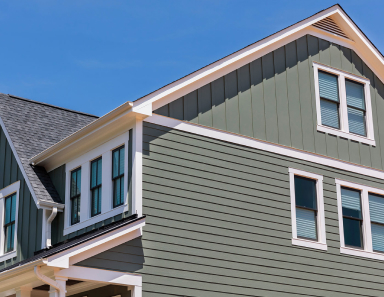
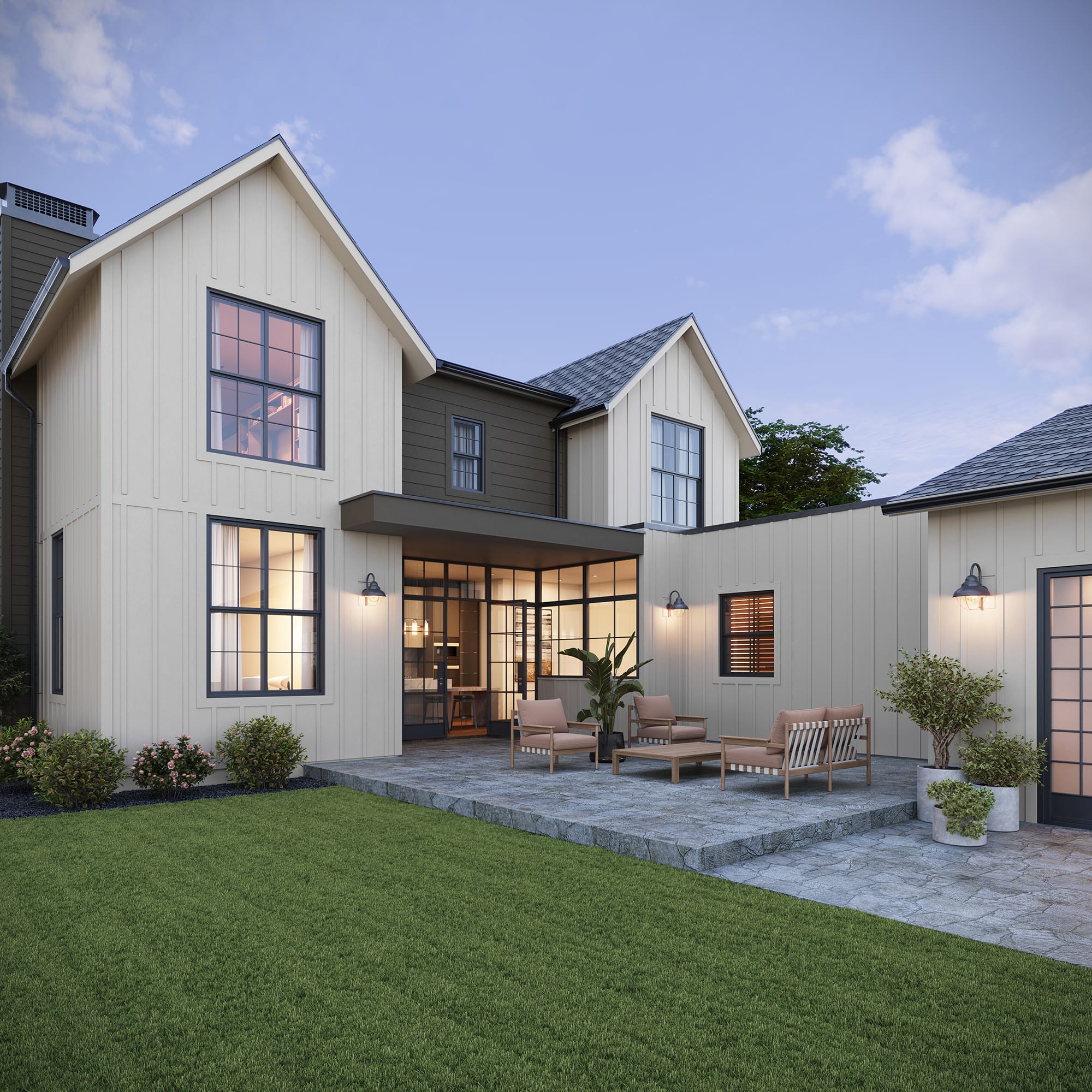
Few styles have experienced a surge in popularity quite like Board and Batten. Originally a functional choice for barns and outbuildings because of its ease of construction and weather-tightness, it has become the signature look of the “Modern Farmhouse” movement. This vertical orientation uses wide boards joined by narrow strips (battens) to cover the seams, creating a strong vertical rhythm.
The appeal of Board and Batten lies in its ability to add height to a structure. By drawing the eye upward, it makes smaller homes appear more imposing and grand. It is also an excellent tool for architectural zoning—many designers use it on gables or entryways to provide a visual contrast against horizontal siding on the rest of the house.
Modern vinyl versions of Board and Batten have solved the historical issues of wood rot and insect damage that plagued the original versions. Today’s materials offer deep wood-grain textures that provide an authentic rustic feel without the constant need for painting and caulking. This style is particularly popular in the Midwest and rural areas where the connection to agricultural heritage remains strong.
Siding Styles Across America
When analyzing siding styles across America, we see a clear geographical division based on tradition and climate. In the Northeast, the aesthetic is dominated by cedar shakes and shingles. These styles reflect the rugged, maritime history of the region, where homes needed to withstand salt air and nor’easters. Vinyl cedar impressions have become a popular replacement here, offering the classic grayed-wood look without the vulnerability to moisture.
Moving to the American South, the preference shifts toward beaded siding. This style features a decorative rounded notch along the bottom of each horizontal plank. It adds a touch of Southern hospitality and formal elegance to the home, reminiscent of the grand estates of the 18th and 19th centuries. The beaded edge creates a delicate shadow line that works beautifully in the bright, clear light of the Southern states.
In the West and Southwest, architecture often leans toward smoother surfaces and contemporary lines. While stucco is common, there is a growing trend toward using vertical siding and wide-plank horizontal options to achieve a “mountain modern” or “desert chic” look. These styles emphasize the horizontal plane of the landscape, using earthy tones to blend the home into its natural surroundings. The diversity of these regional preferences highlights how siding is more than a protective layer; it is a cultural expression.
The Elegance of Shakes and Shingles
Shakes and shingles are synonymous with high-end craftsmanship. Historically, shingles were precisely cut and uniform, while shakes were hand-split, resulting in a rougher, more rustic texture. Today, these styles are used to add character and “soul” to a home. They are frequently used on Victorian-style homes to create intricate patterns or on Cape Cod homes to provide a weathered, coastal feel.
One of the primary benefits of using shake-style siding is the ability to create visual variety. By mixing different widths or using “staggered” edges, a designer can create a surface that looks organic and hand-crafted. In the context of vinyl siding replacement, these products are often used in gables or as accent walls to break up the monotony of long horizontal runs.
Furthermore, modern manufacturing allows for “color-through” technology in vinyl shingles. This means the color isn’t just on the surface; it’s integrated throughout the material. For homeowners in high-UV areas like Florida or the Carolinas, this is a significant advantage, as the shingles will maintain their rich, deep hues for decades without the fading that typically affects stained wood.
The Technical Advantage of Insulated Vinyl
While style is often the primary driver for homeowners, the technical performance of the material is what provides long-term value. Insulated vinyl siding has revolutionized the market by combining architectural beauty with thermal efficiency. This product features a rigid foam backing that fits snugly behind the siding panel, significantly increasing the R-value of the home’s exterior walls.
Beyond energy savings, insulated siding provides structural benefits. The foam backing acts as a shock absorber, making the siding more resistant to impact from hail or stray baseballs. It also creates a “bridge” over the wall’s imperfections, ensuring that the finished siding looks perfectly straight and uniform, regardless of the underlying wall’s condition.
This material also plays a role in noise reduction. For homes located near busy highways or in dense urban environments, the added layer of insulation helps dampen exterior sounds, creating a quieter and more peaceful indoor environment. As we look at the evolution of siding styles across America, the move toward “smart” siding that works as hard as it looks is a defining trend of the current decade.
Comparing Common Siding Styles
| Siding Style | Regional Popularity | Key Aesthetic Feature | Best Architectural Match |
|---|---|---|---|
| Traditional Lap | Nationwide | Clean, horizontal lines | Colonial, Ranch, Craftsman |
| Dutch Lap | Mid-Atlantic / Midwest | Deep shadow grooves | Traditional Suburban, Georgian |
| Board and Batten | Midwest / Rural South | Strong vertical emphasis | Modern Farmhouse, Barn-style |
| Cedar Shakes | New England / Coastal | Rustic, hand-hewn texture | Cape Cod, Victorian, Cottage |
| Beaded Siding | Southeast | Decorative rounded edge | Southern Colonial, Federal |
Architectural Styles and Their Ideal Siding Matches
Every architectural style has a “vocabulary” of materials that look most natural. For example, a Craftsman-style home is defined by its connection to nature and hand-crafted details. For these homes, a combination of horizontal lap siding on the lower levels and shake siding in the gables is a classic choice. Using a palette of earthy greens, browns, and deep reds further emphasizes this connection to the landscape.
In contrast, a Victorian home is often a “painted lady,” requiring a mix of different siding styles to highlight its complex architecture. Scalloped shingles, narrow-lap boards, and decorative trim pieces are used in concert to create a visually stimulating facade. The flexibility of modern vinyl allows homeowners to replicate these intricate patterns with much lower maintenance costs than traditional wood millwork.
For modern and contemporary homes, the trend is toward minimalism. Large-format panels or vertical siding with very thin seams are preferred. These styles emphasize the geometry of the building rather than the texture of the material. By choosing neutral colors like charcoal, slate, or even black, homeowners can create a sleek, sophisticated look that stands out in a neighborhood of traditional designs.
The Impact of Color on Regional Siding Trends
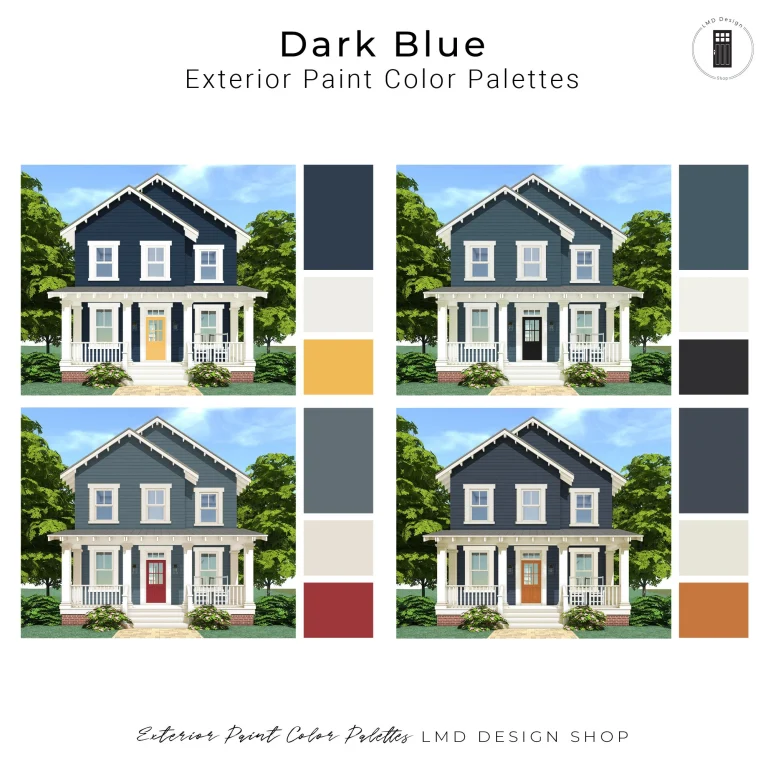
Color choice is inextricably linked to the diverse siding styles across America. In the Pacific Northwest, where the sky is often gray, homeowners frequently choose warmer, saturated tones like deep blues and forest greens to provide a sense of coziness. In contrast, the Southwest favors “cool” colors and desert neutrals—tans, terracottas, and sages—that reflect sunlight and keep homes cooler while blending with the arid environment.
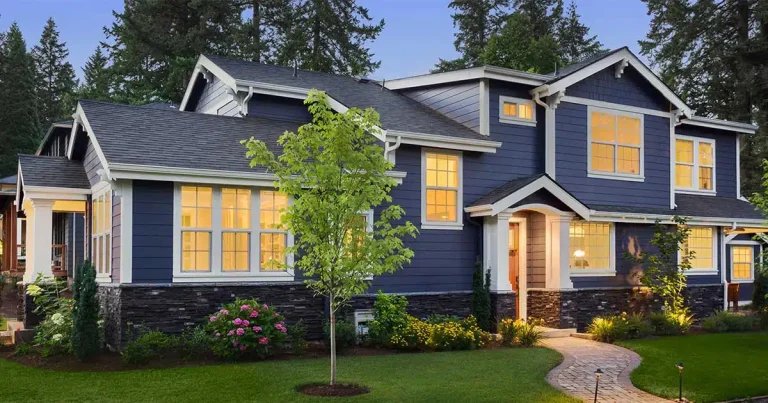
The Northeast continues to lean toward traditional “heritage” colors. Think of the classic white farmhouse with black shutters or the dark navy seaside cottage with crisp white trim. These high-contrast combinations are timeless and help the architectural details of the siding pop. Furthermore, advancements in pigment technology mean that dark colors, which used to be avoided in vinyl due to heat absorption and warping, are now perfectly viable and highly popular.
Interestingly, the Midwest often acts as a melting pot of these trends. Here, you will find a wide variety of “greige” (a mix of gray and beige) which offers a safe, high-resale-value option that looks good in almost any light. However, the rise of the Modern Farmhouse has brought a wave of stark white siding to the heartland, proving that even the most traditional regions are susceptible to national design shifts.
The Role of Trim and Accessories in Defining Style
Siding does not exist in a vacuum; it is the trim and accessories that often provide the finishing touch. Corner posts, window casings, and soffits play a critical role in the overall aesthetic. For a traditional look, wide white trim provides a frame for the siding, making the colors appear more vibrant. For a more modern look, homeowners often choose trim that matches the siding color exactly, creating a monolithic and seamless appearance.
The use of “crown molding” details above windows or decorative “sunbursts” in gables can elevate a simple siding job into a custom architectural statement. These accessories are now available in the same high-performance materials as the siding, ensuring that the entire exterior ages at the same rate. When planning a vinyl siding replacement, considering these small details is what separates a professional-looking renovation from a generic one.
Another often overlooked element is the starter strip and the J-channel. While these are functional components used to secure the siding, modern designs have found ways to hide these elements or integrate them more cleanly. This focus on “hidden” fasteners and clean transitions is a hallmark of premium siding installations across the country today.
Durability and Environmental Considerations
In the modern era, a home’s exterior must be a shield against increasingly volatile weather. The various siding styles across America are often tested by high winds, heavy snow, and intense UV exposure. Vinyl siding has been engineered to meet these challenges, with many products rated for wind speeds exceeding 140 mph. This makes it a preferred choice in hurricane-prone coastal areas as well as the wind-swept plains of the central United States.
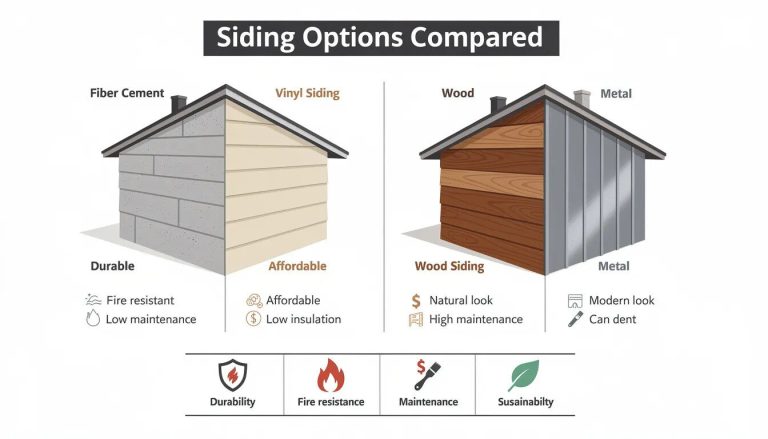
Sustainability is also a growing concern for the American homeowner. While plastic-based products were once viewed skeptically, the long lifespan and recyclability of modern vinyl have changed the narrative. Because vinyl siding never needs painting or staining, it eliminates the release of VOCs (volatile organic compounds) into the environment over the life of the product. Additionally, the lightweight nature of the material reduces the carbon footprint associated with transportation compared to heavier materials like fiber cement or brick.
Moisture management is another critical factor. Proper installation of a house wrap and a drainage plane behind the siding ensures that the home’s structure remains dry. Many modern siding profiles include built-in “weep holes” that allow any moisture that gets behind the panel to escape. This proactive approach to building science prevents mold and rot, protecting the homeowner’s investment for decades.
The Economic Value of Vinyl Siding Replacement
From a financial perspective, replacing old, worn-out siding is one of the smartest investments a homeowner can make. According to various “Cost vs. Value” reports, siding replacement consistently ranks near the top for return on investment (ROI). It not only increases the curb appeal and market value of the home but also reduces ongoing maintenance costs and monthly utility bills.
The “curb appeal” factor cannot be overstated. The exterior of a home is the first thing a potential buyer sees. A fresh, modern siding job suggests that the home has been well-maintained, giving buyers confidence in the overall condition of the property. In many cases, a simple change in siding style—such as moving from old-fashioned T-lock siding to a modern Dutch Lap—can shave years off the perceived age of a house.
Furthermore, the long-term savings on paint and repairs are substantial. Traditional wood siding requires scraping and painting every 5 to 7 years, a process that can cost thousands of dollars. Vinyl siding, by contrast, requires only an occasional wash with a garden hose. Over a 20-year period, the cost savings of vinyl over wood can easily equal the initial cost of the installation.
Installation Best Practices for Longevity
Regardless of the style chosen, the quality of the installation is paramount. Siding is designed to “float” on the wall to allow for the natural expansion and contraction that occurs with temperature changes. A common mistake in amateur installations is nailing the siding too tightly, which leads to buckling and warping during the summer months. Professional installers understand the “shadow of a dime” rule, leaving just enough space between the nail head and the siding panel.
Proper flashing is also essential, especially around windows, doors, and where the roof meets the wall. These are the most common points of water intrusion. Using high-quality sealants and ensuring that all layers of the “water management system” overlap correctly is the only way to guarantee a leak-free exterior. When homeowners research siding styles across America, they should also spend time researching reputable contractors who specialize in these specific materials.
Finally, the “over-cladding” vs. “tear-off” debate is worth noting. While it is sometimes possible to install new siding over old material, a full tear-off is generally recommended. This allows the contractor to inspect the underlying sheathing for rot or insect damage and to install a fresh moisture barrier. This “ground-up” approach ensures that the new siding has a stable, flat surface for the best aesthetic result.
Future Trends in American Home Exteriors
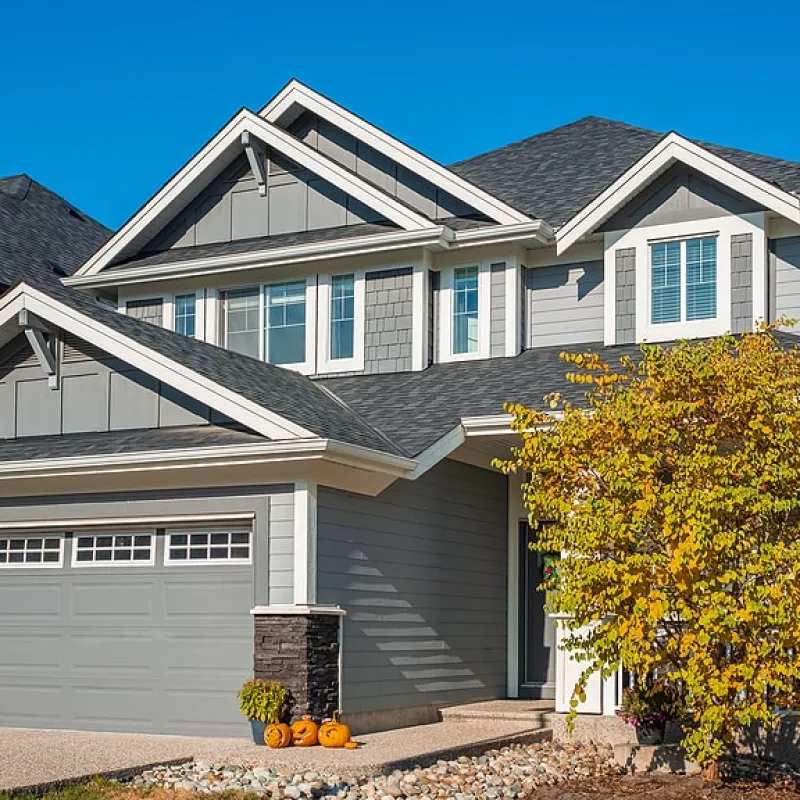
As we look toward the future, the trends in siding styles across America are leaning toward even more texture and darker palettes. “Mixed-material” exteriors are becoming the new standard for luxury homes. This involves combining stone veneer on the foundation, horizontal lap on the main body, and shake or Board and Batten in the gables. This layering of textures creates a sophisticated, custom-built look that adds significant architectural interest.
There is also a move toward “performance-plus” materials. Homeowners are increasingly willing to pay a premium for extra-thick siding panels that offer better rigidity and deeper shadow lines. These premium lines often feature multi-tone color processes that mimic the natural variation found in real wood grain, providing an even more authentic appearance. The goal is to achieve a look that is indistinguishable from natural materials while retaining the “set it and forget it” benefits of polymer technology.
Finally, the integration of smart home technology with siding is on the horizon. From integrated lighting systems that tuck into the soffits to advanced sensors that can detect moisture levels behind the wall, the “skin” of the home is becoming more interactive. However, even with these high-tech advancements, the core desire for beautiful, traditional siding styles across America remains unchanged. The home remains a sanctuary, and its exterior is the first layer of that comfort.
The Psychology of Curb Appeal
Why do we care so much about the way our homes look from the street? It’s more than just vanity; it’s about a sense of belonging and pride. The siding style we choose communicates our values to the community. A neatly kept house with classic siding suggests stability and care. A modern, bold exterior suggests innovation and forward-thinking.
In neighborhoods across the country, there is often a “design language” that residents follow. While you want your home to stand out, you also want it to harmonize with its surroundings. Understanding the prevailing siding styles across America helps homeowners strike this delicate balance. It allows for personal expression within the context of a shared architectural heritage.
Ultimately, the “best” siding style is the one that makes you happy every time you pull into your driveway. Whether that is the rugged texture of a cedar-style shake or the clean, efficient lines of a modern lap profile, the options available today are limited only by your imagination. By taking the time to explore the history, regional influences, and technical benefits of each style, you can transform your home into a masterpiece of American design.
Maintenance and Care for Modern Siding
While vinyl is low-maintenance, it is not “no-maintenance.” To keep any of the siding styles across America looking their best, a simple annual cleaning is recommended. A soft-bristled brush and a solution of mild soap and water are usually all that is needed to remove dust, pollen, and spider webs. Avoiding high-pressure power washers is important, as the force can drive water behind the panels or even crack the material if used improperly.
Inspecting the siding after major storms is also a good habit. Look for any loose panels or pieces of trim that may have been caught by the wind. Because vinyl siding is installed in a locking system, a single loose piece can often be “zipped” back into place quite easily with a specialized siding tool. This proactive maintenance ensures that the home’s protective envelope remains intact and the aesthetic stays crisp.
For those in wooded areas, keeping tree branches trimmed back from the house is essential. Not only does this prevent physical scratches from limbs rubbing against the siding, but it also reduces the amount of shade and moisture that can lead to the growth of algae or mildew on the north-facing side of the house. With just a small amount of care, modern siding will continue to look brand new for thirty years or more, outlasting almost any other exterior finish.