US Building Codes for Vinyl Siding: A Complete Compliance Guide
Navigating the complexities of home renovation requires more than just an eye for aesthetics and a budget for materials. For homeowners and contractors alike, understanding the legal and structural frameworks governing exterior cladding is essential for a safe and durable installation. Specifically, adhering to US building codes for vinyl siding ensures that a property remains resilient against environmental stressors while maintaining its long-term value. These regulations are not merely suggestions but are rigorous standards designed to protect occupants and neighboring structures.
The evolution of these codes reflects decades of engineering research into how polyvinyl chloride (PVC) reacts to wind, heat, and moisture. Consequently, modern installations must account for the physical properties of the material, which expands and contracts significantly more than wood or fiber cement. Ignoring these localized legal requirements can lead to failed inspections, voided warranties, and even structural damage. This exhaustive guide explores the technical nuances of the national standards that dictate every aspect of vinyl siding application.
Safety remains the primary driver behind these regulations, particularly concerning fire resistance and wind uplift. As climate patterns shift, the intensity of storms has prompted more stringent requirements for how siding is fastened to the building envelope. By following the established protocols, professionals ensure that the siding serves as an effective first line of defense. This article provides a deep dive into the specific sections of the International Residential Code and the ASTM standards that define modern compliance.
The Regulatory Framework of the International Residential Code (IRC)
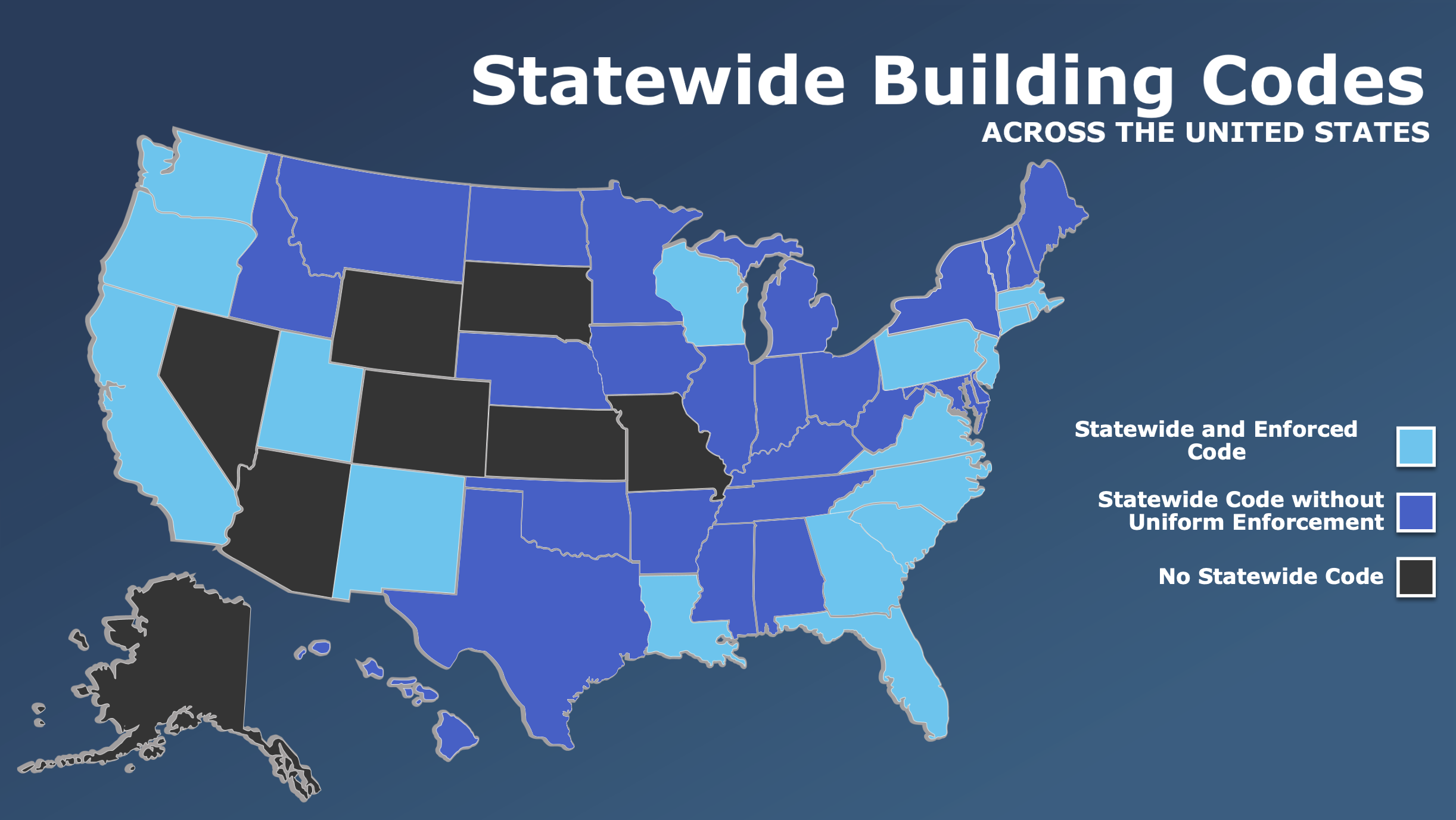
In the United States, the International Residential Code (IRC) serves as the foundational document for most residential building regulations. Section R703 of the IRC specifically outlines the requirements for exterior coverings, including detailed provisions for vinyl siding. It is important to note that while the IRC provides a national model, individual states and municipalities often adopt these codes with specific amendments. These variations are typically based on local climate data, such as high-wind zones or regions prone to heavy snowfall.
The IRC requires that vinyl siding be installed in accordance with the manufacturer’s instructions and the specific criteria set forth in the code itself. This dual requirement ensures that the material performs as tested in laboratory settings. Furthermore, the code emphasizes the importance of the building envelope’s integrity. It mandates that all exterior walls be covered with a water-resistive barrier (WRB) before the siding is applied. This secondary layer is crucial because vinyl siding is designed as a “rain screen,” not a waterproof seal.
Compliance with the IRC also involves verifying that the siding material itself meets the ASTM D3679 standard. This technical specification covers everything from the thickness of the panels to their impact resistance and color consistency. When a building inspector evaluates a siding project, they look for the certification labels that prove the product adheres to these national benchmarks. Failing to use certified materials can result in a mandatory tear-down and replacement, costing thousands in unnecessary labor and material expenses.
US Building Codes for Vinyl Siding
When discussing US building codes for vinyl siding, one must focus on the precise engineering of the installation process. The most critical aspect of these codes involves the “floating” installation method. Because vinyl is a thermoplastic, a 12-foot panel can change in length by as much as 1/2 inch depending on the temperature. Therefore, the code strictly prohibits tight-nailing. Fasteners must be driven into the center of the nailing slots, leaving a small gap between the nail head and the siding hem.
This gap, typically about 1/32 of an inch—roughly the thickness of a dime—allows the panel to slide back and forth as it reacts to thermal changes. If a contractor nails the siding too tightly, the panels will buckle, warp, or “oil-can” during the summer months. Conversely, if the panels are not allowed to contract, they may pull away from the fasteners in extreme cold. The building code’s insistence on this specific fastening technique is what prevents long-term aesthetic and structural failure.
Additionally, the code specifies the type and spacing of fasteners. Nails must be corrosion-resistant, usually hot-dipped galvanized steel or aluminum, to prevent rust streaks and structural degradation. They must penetrate the framing members or a structural sheathing by at least 3/4 of an inch. Typically, fasteners are spaced every 16 inches for horizontal siding and 12 inches for vertical applications. This rigorous spacing ensures that the siding can withstand the negative pressure exerted by high winds, which attempts to pull the panels off the wall.
The Significance of ASTM D3679 Standards
The ASTM D3679 standard is the “gold standard” for the manufacturing of vinyl siding in the United States. This specification ensures that the product has a minimum thickness of 0.035 inches, though many high-quality options range from 0.040 to 0.048 inches. Thicker panels generally offer better rigidity and wind resistance, which is often a requirement in specific coastal building codes. The standard also tests for “weatherability,” which measures the material’s ability to resist UV degradation and color fading over time.
Another key component of ASTM D3679 is the impact resistance test. Siding must be able to withstand a certain level of force from hail or wind-borne debris without shattering. In regions where severe thunderstorms are common, local US building codes for vinyl siding may mandate even higher impact ratings. Homeowners should always check the packaging of their siding for the ASTM D3679 certification mark to ensure they are installing a product that meets legal safety requirements.
Requirements for Water-Resistive Barriers (WRB)
Modern building codes are obsessed with moisture management, and for good reason. Water is the single greatest threat to a home’s structural longevity. The IRC requires a continuous water-resistive barrier behind all vinyl siding. This is typically a house wrap material, like spun-bonded polyolefin, or a layer of Grade D building paper. The WRB must be installed with “shingle-lap” overlaps, meaning the higher layer always overlaps the lower layer to shed water downward and outward.
The code also mandates that the WRB be integrated with the flashing around windows, doors, and other penetrations. Vinyl siding itself is “leaky” by design; water can enter through the weep holes or at the joints. The WRB acts as the true drainage plane, ensuring that any moisture that gets behind the siding does not reach the wood sheathing or the wall cavity. Without a properly installed WRB, the house is at extreme risk for rot, mold, and insect infestation, regardless of how well the vinyl panels are attached.
Detailed Fastener and Nailing Specifications
The technical requirements for fastening are among the most scrutinized elements during a building inspection. Because vinyl siding is a non-load-bearing cladding, its primary job is to stay attached under various environmental pressures. The IRC provides a specific table of fastener requirements that must be followed. In addition to the “loose-nailing” rule mentioned earlier, the depth of penetration into the substrate is vital for maintaining the wind-load rating of the entire wall assembly.
| Fastener Type | Minimum Shank Diameter | Minimum Head Diameter | Minimum Penetration |
|---|---|---|---|
| Roofing Nails (Galvanized) | 0.120 inches | 0.313 inches | 3/4 inch into wood framing |
| Aluminum Nails | 0.120 inches | 0.313 inches | 3/4 inch into wood framing |
| Stainless Steel Nails | 0.120 inches | 0.313 inches | 3/4 inch into wood framing |
| Staples (Wide Crown) | 16 gauge | 7/16 inch crown | 1 inch into wood framing |
It is worth noting that while staples are permitted by the IRC, many manufacturers and local jurisdictions discourage their use. Nails provide a more reliable “slide” for the siding, whereas staples can easily be driven too deep, pinching the vinyl against the wall. Furthermore, the fasteners must be driven straight and level. Angled nails can distort the siding panel and prevent it from moving freely, leading to the same buckling issues as tight-nailing.
For installations over non-structural sheathing, such as foam insulation board, the fasteners must be longer to ensure they reach the studs behind the foam. Building codes often require that the nail reach at least 3/4 of an inch into the solid wood framing, not just the sheathing. This ensures that the siding is anchored to the “skeleton” of the house, providing maximum resistance against the suction forces created by high winds passing over the surface of the building.
Wind Load Resistance and High-Velocity Hurricane Zones (HVHZ)
In coastal areas and regions prone to tornadoes, US building codes for vinyl siding become significantly more stringent regarding wind loads. The ASCE 7 (Minimum Design Loads and Associated Criteria for Buildings and Other Structures) is often referenced within the local codes to determine the required wind resistance for a specific geographic location. In High-Velocity Hurricane Zones, such as Miami-Dade County, siding must undergo rigorous “missile impact” testing and pressure cycle testing to be approved for use.
To meet these high-wind standards, contractors may need to use reinforced vinyl siding or install the panels over a more robust substrate. The nailing frequency often increases from 16 inches on center to 8 inches on center in these zones. Additionally, some high-wind codes require the use of “wind-locks” or specially designed hems that provide a more secure connection between the interlocking panels. This prevents the “zipper effect,” where one loose panel leads to the entire wall being stripped away during a storm.
Engineers calculate wind resistance based on both positive and negative pressure. While most people think of wind pushing against a house, the negative pressure (suction) on the leeward side of the building is often what causes siding to fail. The building code’s fastening schedules are designed to counteract this suction. If a property is located on a cliffside or an open plain, the exposure category (usually Category C or D) will dictate a much higher fastening requirement than a house in a sheltered suburban neighborhood.
Fire Safety and Fire-Resistance-Rated Construction
Fire safety is a major component of the US building codes for vinyl siding, especially in densely populated areas where houses are built close to one another. Vinyl siding is primarily composed of PVC, which has a high ignition temperature and is naturally fire-retardant because of its chlorine content. However, it will melt when exposed to extreme heat. The IRC dictates the “fire separation distance” required between buildings to prevent fire from jumping from one structure to another via the exterior cladding.
If a house is located within 5 feet of a property line, the exterior wall must often have a one-hour fire-resistance rating. While vinyl siding alone does not provide this rating, it can be part of a “rated assembly.” This usually involves installing the vinyl over specialized fire-rated gypsum sheathing or other non-combustible materials. In some wildland-urban interface (WUI) zones, such as those in California, specific types of vinyl siding may be restricted or require additional underlayments to mitigate the risk of ignition from flying embers.
The code also addresses “flame spread” and “smoke developed” indexes. Vinyl siding must typically have a flame spread index of 25 or less when tested in accordance with ASTM E84. This ensures that in the event of a fire, the siding does not contribute excessively to the rapid spread of flames across the exterior of the building. Understanding these fire codes is critical for legal compliance and for ensuring the safety of the residents during an emergency.
Proximity to Property Lines and Fire Spreading
As urban infill projects become more common, the distance between homes is shrinking. The IRC Table R302.1(1) provides the requirements for exterior walls based on their proximity to the lot line. If the wall is less than 3 feet from the property line, openings (windows/doors) are generally prohibited, and the wall must be fire-rated from both sides. For walls between 3 and 5 feet, the vinyl siding must be installed over a fire-resistant substrate to comply with safety protocols.
Furthermore, the melting point of vinyl siding can be a concern for neighboring properties. If a fire occurs in one house, the radiant heat can melt the siding on the house next door long before the flames actually touch it. While this is an aesthetic disaster, the goal of the building code is to ensure that the structural wall behind the siding remains intact long enough for occupants to escape and for firefighters to arrive. This highlights the importance of the entire wall assembly, not just the outer layer.
Energy Efficiency and the International Energy Conservation Code (IECC)
Building codes are increasingly focusing on the thermal performance of the building envelope. The International Energy Conservation Code (IECC) works alongside the IRC to set minimum R-value (thermal resistance) requirements for exterior walls. In many climate zones, simply adding vinyl siding is not enough to meet these energy standards. Contractors often install “insulated vinyl siding,” which features a permanent backing of expanded polystyrene (EPS) foam.
Insulated vinyl siding is recognized by the IECC as a way to provide “continuous insulation” (CI). This is a critical concept in modern US building codes for vinyl siding because it breaks the “thermal bridge” created by the wooden studs in the wall. Standard fiberglass insulation sits between the studs, but the studs themselves allow heat to bypass the insulation. By wrapping the entire house in a layer of rigid foam attached to the siding, the thermal efficiency of the home is dramatically improved.
When installing insulated siding, the building code requires that the product be labeled with its R-value. This value must be verified by a third party to ensure it meets the claims of the manufacturer. Furthermore, the installation of insulated siding may require different flashing techniques to account for the added thickness of the panels. Inspectors will check to ensure that the house wrap and flashing are properly integrated with the foam backing to prevent moisture from becoming trapped between the insulation and the wall sheathing.
Substrate and Sheathing Requirements
The performance of vinyl siding is only as good as the surface it is attached to. US building codes for vinyl siding require that the substrate be flat, dry, and structurally sound. In new construction, this is typically 7/16-inch OSB (oriented strand board) or 1/2-inch plywood. If the siding is being installed over old wood siding during a remodel, the code may require the application of a “fan-fold” underlayment to create a smooth surface and provide an additional moisture barrier.
Installing vinyl over an uneven substrate will cause the panels to follow the contours of the wall, leading to a wavy or “bumpy” appearance. This is not just an aesthetic issue; it can stress the locking mechanisms of the panels and lead to premature failure. Furthermore, the code prohibits installing siding directly over masonry or brick without the use of “furring strips.” These wood or metal strips provide a flat nailing surface and create the necessary air gap for drainage and ventilation.
Another critical substrate requirement involves the “grade clearance.” The building code mandates that the bottom edge of the vinyl siding must be a certain distance from the ground. Typically, this is 6 inches from the finished grade and 2 inches from the surface of a roof or deck. This clearance prevents the siding from wicking up moisture and protects the bottom edge from mechanical damage caused by lawnmowers or weed trimmers. It also allows for proper air intake for the drainage plane behind the siding.
Flashing and Moisture Management Systems
Flashing is the most important component of any siding installation when it comes to preventing leaks. The IRC is very specific about where and how flashing must be installed. It must be placed at all wall-to-roof intersections, around all window and door openings, and at any point where the siding meets a different material, such as stone veneer or a chimney. The goal is to divert water away from the interior of the wall and out onto the surface of the siding.
One of the most frequently cited code violations is the lack of “kick-out flashing” where a roof line terminates against a vertical wall. Without this piece of flashing, water running down the roof can be funneled directly behind the siding, leading to massive rot in the wall framing. The building code also requires “Z-flashing” above all horizontal trim pieces and window headers. This flashing must be tucked behind the house wrap above it and lap over the trim below it, ensuring a continuous path for water to flow downward.
Proper flashing also includes the use of “J-channels,” which are the trim pieces that receive the cut ends of the siding panels. While J-channels are mostly aesthetic, they must be installed with “mitered” corners or “drainage tabs” to ensure that any water that enters the channel can escape at the bottom. Building inspectors often look for these small but vital details to ensure that the moisture management system is fully functional and compliant with US building codes for vinyl siding.
Technical Flashing Details for Openings
| Location | Flashing Type Required | Standard Requirement |
|---|---|---|
| Window Header | Drip Cap / Z-Flashing | Must extend 1/4 inch beyond trim |
| Window Sill | Sill Pan / Flex Flashing | Must drain to the exterior of the WRB |
| Roof-to-Wall | Step Flashing / Kick-out | Minimum 4″x4″ galvanized or aluminum |
| Bottom of Wall | Starter Strip | Must allow for drainage of the WRB plane |
The Role of Permits and Professional Inspections
In most US jurisdictions, replacing or installing new vinyl siding requires a building permit. This process ensures that the local building department has a record of the work and can verify that it meets the safety standards of the community. When a permit is issued, it typically triggers at least one inspection, often two. The first inspection may be a “mid-point” check to verify the house wrap and flashing before they are covered by the siding. The final inspection verifies the fastening, clearances, and overall completion of the project.
Skipping the permit process is a risky move for homeowners. If a property is sold later, a home inspector may discover the lack of permits, which can delay or even derail the sale. Furthermore, if a insurance claim is filed for wind or fire damage, the insurance company may deny the claim if they find that the siding was installed without a permit or failed to meet US building codes for vinyl siding. The cost of a permit is a small price to pay for the legal and financial protection it provides.
During the inspection, the official will check for specific details like the type of nails used, the distance between fasteners, and the presence of weep holes in the bottom of the panels. They will also verify that the siding doesn’t interfere with gas vents or electrical meters. If the inspector finds violations, they will issue a correction notice. The contractor must then fix the issues before the project can be “signed off.” This oversight is what maintains the quality of the housing stock in a community.
Common Code Violations in Vinyl Siding Installation
Even seasoned contractors can fall into bad habits that result in code violations. One of the most common issues is the improper installation of the starter strip. The starter strip is the very first piece installed at the bottom of the wall, and it must be perfectly level and securely fastened. If the starter strip is wrong, every subsequent row of siding will be crooked. Codes also require that the starter strip be positioned to allow water from the house wrap to drain out effectively.
Another frequent violation is the “blind-nailing” of trim pieces. While it might look better to hide the nails, most trim pieces for vinyl siding have specific nailing slots for a reason. Using finish nails through the face of the vinyl restricts movement and causes the trim to warp. Similarly, failing to leave enough room for expansion at the ends of the panels where they meet the J-channels is a major problem. In cold weather, there should be a 1/4-inch gap; in hot weather, it can be smaller, but it must never be tight.
Finally, many installers fail to properly seal penetrations such as hose bibs, dryer vents, and electrical outlets. The US building codes for vinyl siding require that these penetrations be flashed or sealed with an approved sealant to prevent moisture and air infiltration. Simply cutting a hole in the siding and “caulking it” is usually not sufficient. Specialized mounting blocks should be used to provide a flat surface for these fixtures and to integrate them with the siding’s drainage system.
Regional Variations: Florida, California, and the Northeast
While the IRC provides a baseline, regional climate challenges create significant variations in how US building codes for vinyl siding are applied. In Florida, for example, the “Florida Building Code” (FBC) includes much stricter wind-load requirements due to the state’s hurricane risk. Siding must be tested for higher “design pressures,” and the use of certain fasteners may be mandated. Homeowners in these areas must ensure their siding has a “Notice of Acceptance” (NOA) from the local building department.
In California, the focus shifts toward fire safety and energy efficiency. Title 24 of the California Code of Regulations sets very high standards for the thermal performance of the building envelope. This often makes insulated vinyl siding or the addition of rigid exterior foam a practical necessity for code compliance. Furthermore, in areas designated as High Fire Severity Zones, the siding must meet specific requirements to resist ignition from wildfires.
In the Northeast and Midwest, the primary concern is often thermal expansion and moisture management related to ice damming and heavy snow. Building codes in these areas may require more robust flashing at the roofline and specific types of house wrap that can handle high levels of condensation. These regional amendments ensure that the national standards are fine-tuned to protect homes against the specific threats posed by the local environment.
Historical Districts and Aesthetic Codes
In many older American cities, “Historical Districts” have their own set of rules that can supersede or add to the standard US building codes for vinyl siding. These local commissions often aim to preserve the architectural integrity of a neighborhood. In some cases, vinyl siding may be outright prohibited on historic homes, or its use may be restricted to certain styles that mimic the appearance of original wood siding. If a homeowner lives in such a district, they must get approval from the historic board before applying for a building permit.
These aesthetic codes might dictate the width of the siding profile (e.g., a “4-inch clapboard” vs. a “6-inch Dutch lap”), the color palette, and even the texture of the material. While these rules aren’t strictly for “safety” like the IRC, they carry the force of law. Violating historic district codes can result in heavy fines and a legal requirement to remove the siding and replace it with a more expensive, historically accurate material like cedar or wood-composite.
The intersection of modern building codes and historic preservation can be tricky. For example, a historic board might want a specific look that doesn’t easily accommodate the modern flashing requirements of the IRC. In these cases, contractors must find creative engineering solutions that satisfy both the safety inspector and the historic preservationist. This often involves using high-end “architectural” vinyl siding that provides the necessary performance while maintaining a traditional aesthetic.
Environmental and Sustainability Trends in Building Codes
The future of US building codes for vinyl siding is being shaped by an increasing focus on sustainability and life-cycle assessment. While vinyl siding is already a relatively low-impact material compared to brick or stucco, new codes are beginning to reward or require the use of products with higher recycled content. Some jurisdictions are also looking at “end-of-life” requirements, encouraging the use of materials that can be easily recycled at the end of their 50-year lifespan.
Green building programs like LEED (Leadership in Energy and Environmental Design) and the National Green Building Standard (NGBS) often go beyond the minimum requirements of the IRC. These programs encourage the use of insulated siding to reduce carbon footprints and improve indoor air quality by preventing mold growth through better moisture management. As more municipalities adopt “green codes,” the baseline for vinyl siding installations will continue to rise toward higher performance and lower environmental impact.
Another emerging trend is the “Resilience Code,” which aims to build structures that can survive extreme weather events with minimal damage. This goes beyond simple safety and looks at the long-term viability of the community. In this context, the impact resistance and wind-load ratings of vinyl siding become even more critical. Future codes may mandate that all exterior cladding in certain areas meet the highest possible durability standards to reduce the cost of disaster recovery.
Conclusion: The Value of Code Compliance
Understanding and adhering to US building codes for vinyl siding is not just about avoiding a fine; it is about ensuring the integrity of your most valuable asset. These codes represent the collective wisdom of thousands of engineers, architects, and safety officials. They provide a roadmap for an installation that will stand up to the scorching sun, the freezing wind, and the relentless rain. For a homeowner, a code-compliant installation means peace of mind and long-term financial security.
For the professional contractor, following the code is the ultimate mark of craftsmanship. It demonstrates a commitment to quality and a respect for the technical challenges of the trade. In an industry where “cutting corners” can lead to catastrophic failures, those who master the nuances of the IRC and ASTM standards set themselves apart as leaders. Whether you are embarking on a simple siding replacement or a complex new build, make the building code your ultimate guide to a successful project.
Ultimately, the marriage of high-quality materials and rigorous installation standards is what makes vinyl siding one of the most popular and effective cladding options in the United States. By respecting the physics of the material and the laws of the land, we create homes that are not only beautiful but are built to last for generations. The evolution of building codes will continue, and staying informed is the best way to ensure that our homes remain the safe, efficient havens they are meant to be.