Energy Efficient Vinyl Siding: A Guide to R-Values & ROI
The modern building envelope is no longer just a protective shell against the elements; it has evolved into a sophisticated system designed to optimize thermal performance and minimize environmental impact. Homeowners today are increasingly looking toward high-performance materials to reduce their carbon footprint and lower monthly utility expenses. One of the most effective ways to achieve these goals is through the installation of energy efficient vinyl siding, a material that combines the aesthetic versatility of traditional cladding with advanced insulation technologies. By addressing the specific vulnerabilities of a home’s exterior, this specialized siding provides a comprehensive solution for long-term comfort and durability.

For decades, vinyl was viewed primarily as a cost-effective alternative to wood or brick, often criticized for its lack of insulating properties. However, significant advancements in polymer science and manufacturing processes have transformed the industry. Contemporary cladding options now incorporate integrated foam backing and reflective coatings that fundamentally change how heat moves through a structure. Furthermore, these systems are designed to mitigate the effects of thermal bridging, a phenomenon where heat escapes through the solid components of a wall, such as the wooden studs. By creating a continuous layer of insulation, these modern materials ensure that the interior environment remains stable regardless of external weather conditions.
Transitioning to an upgraded exterior is a significant investment that requires a deep understanding of R-values, moisture management, and material longevity. It is not merely about the appearance of the panels but rather the engineering behind them. When homeowners choose energy efficient vinyl siding, they are opting for a multi-layered defense system that protects against wind, rain, and temperature fluctuations. In addition, the reduction in HVAC system strain leads to a longer lifespan for expensive heating and cooling equipment. This holistic approach to home improvement provides both immediate comfort and long-term financial benefits, making it a cornerstone of sustainable residential design.
The Mechanics of Thermal Resistance in Modern Siding
At the heart of any high-performance exterior material is the concept of thermal resistance, commonly measured as R-value. Standard vinyl siding, while effective at shedding water, typically offers very little in terms of insulation, often hovering around an R-value of 0.6. In contrast, advanced versions are bonded with rigid foam insulation, typically made from expanded polystyrene (EPS). This addition can boost the R-value to a range of 2.0 to 5.0, depending on the thickness and density of the foam layer. This change might seem incremental, but when applied across the entire surface area of a home, the cumulative effect on heat retention is profound.
The primary function of this integrated insulation is to break the cycle of thermal bridging. In a typical home, wall studs make up about 25% of the exterior wall surface. Because wood is a better conductor of heat than insulation, these studs act as “bridges” that allow thermal energy to bypass the fiberglass batts located between the walls. By wrapping the home in a continuous layer of insulated cladding, you effectively “blanket” these bridges. This ensures that the heat stays inside during the winter and outside during the summer, creating a much more efficient thermal envelope.
Moreover, the density of the foam backing serves a secondary purpose: it provides structural rigidity to the vinyl panels. Traditional hollow vinyl can sometimes rattle in high winds or feel “flimsy” to the touch. The bonded insulation fills the gap between the siding and the wall, making the panels feel solid and increasing their impact resistance. This means the home is not only more thermally efficient but also better protected against hail, debris, and the general wear and tear of a suburban environment.
Understanding the Role of Expanded Polystyrene (EPS)
Expanded Polystyrene, or EPS, is the most common insulating material used in the manufacturing of energy efficient vinyl siding. It is chosen for its excellent thermal properties and its ability to maintain its shape over long periods. EPS consists of approximately 98% air, which is one of the best natural insulators available. Because the air is trapped within a cellular structure, it cannot move, thereby preventing convective heat transfer. This makes the material incredibly lightweight while remaining highly effective at blocking the movement of thermal energy.
Another critical advantage of EPS is its breathability. While it blocks the transfer of heat, it is designed to allow water vapor to pass through. This is essential for preventing the buildup of moisture behind the siding, which could lead to mold growth or rot in the home’s wooden frame. Manufacturers often incorporate specialized grooves or drainage planes into the foam backing to facilitate this moisture movement. Consequently, homeowners get the benefits of high R-values without compromising the health of their building’s structural components.
:max_bytes(150000):strip_icc()/GettyImages-183050592-58e189bc3df78c5162ee3220.jpg)
Energy efficient vinyl siding: A Comprehensive Definition
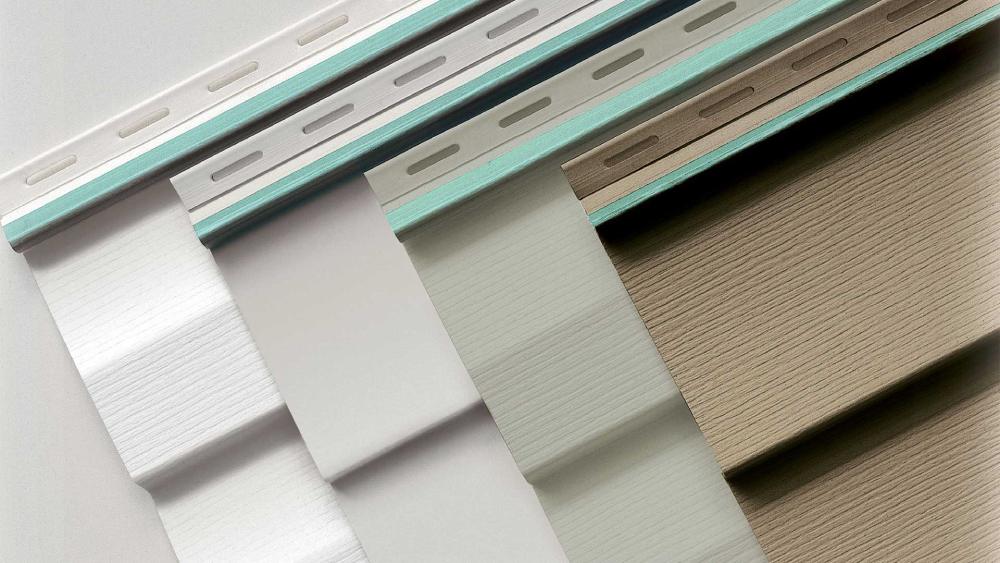
When professionals refer to energy efficient vinyl siding, they are describing a product that has been specifically engineered to meet or exceed rigorous thermal performance standards. Unlike traditional “hollow back” vinyl, this category of siding is characterized by a contoured foam insulation that is permanently adhered to the vinyl panel. This marriage of materials creates a product that is significantly more robust than its predecessors. The goal is to provide a “wraparound” insulation effect that covers the home’s framing and reduces the overall energy consumption of the household.
This type of siding is often recognized by third-party organizations such as ENERGY STAR for its ability to reduce heating and cooling costs. To qualify as truly energy efficient, the product must demonstrate a measurable improvement in the home’s total U-factor, which represents the rate of heat loss. By lowering the U-factor, the siding ensures that the furnace and air conditioner do not have to work as hard to maintain a set temperature. This efficiency is particularly valuable in climates with extreme seasonal variations, where the temperature delta between the interior and exterior can be 50 degrees or more.
Furthermore, the manufacturing process for these panels has become more sustainable over time. Many top-tier manufacturers now use recycled content in their vinyl formulations and utilize “closed-loop” systems to minimize waste. This means that choosing energy efficient vinyl siding is not only a win for the homeowner’s wallet but also a responsible choice for the planet. The longevity of the product—often lasting 30 to 50 years—means fewer materials end up in landfills compared to shorter-lived exterior options like wood or low-grade aluminum.
The Importance of Air Leakage Reduction
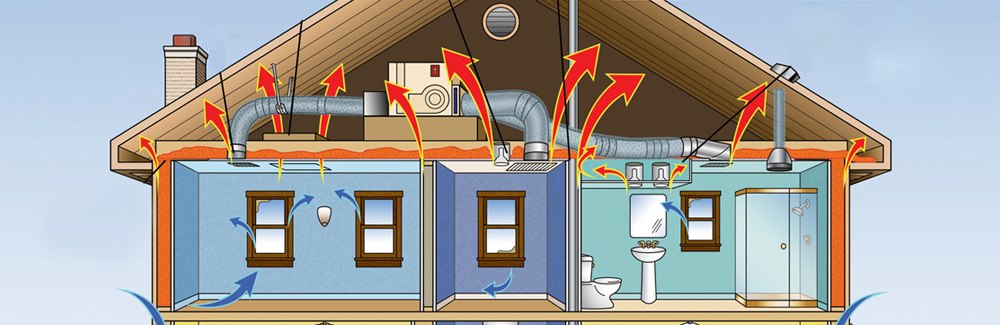
While R-value focuses on heat conduction, air leakage is another major factor in a home’s energy profile. Even the most insulated wall can be undermined by tiny gaps and cracks that allow conditioned air to escape. Integrated insulation systems are designed to fit snugly against the house, often featuring interlocking joints that create a tighter seal than traditional methods. This reduces the “stack effect,” where warm air rises and escapes through the top of the house while pulling cold air in through the bottom.
When installed correctly, these systems act as a secondary air barrier. While they are not a replacement for a dedicated house wrap or weather-resistive barrier (WRB), they provide an additional layer of protection. This secondary seal is especially beneficial around windows, doors, and corner posts, where air infiltration is most common. By calming the air movement within the wall assembly, the siding helps the interior insulation perform at its peak efficiency, ensuring that every BTU of energy produced by the HVAC system is utilized effectively.
Comparative Analysis of Siding Materials
To fully appreciate the value of high-performance vinyl, it is helpful to compare it against other common cladding materials. Every material has its own set of advantages and drawbacks regarding thermal performance, maintenance, and cost. However, when we look specifically at the ratio of “cost to thermal benefit,” energy efficient vinyl siding often emerges as the leader for the average homeowner.
| Material Type | Average R-Value | Maintenance Level | Expected Lifespan | Energy Efficiency Rating |
|---|---|---|---|---|
| Standard Vinyl | 0.6 | Low | 20-30 Years | Low |
| Insulated Vinyl | 2.0 – 5.0 | Low | 30-50 Years | Very High |
| Fiber Cement | 0.5 | Moderate (Needs Paint) | 30-50 Years | Moderate |
| Natural Wood | 0.7 – 1.0 | High (Stain/Paint) | 20-40 Years | Moderate |
| Brick Veneer | 0.1 – 0.2 | Very Low | 100+ Years | Low (High Thermal Mass) |
As the table illustrates, brick and fiber cement have very low inherent R-values. While they offer excellent fire resistance and durability, they do little to stop the transfer of heat through conduction. Wood has a slightly better R-value than standard vinyl because wood itself is a decent insulator, but it requires significant upkeep to prevent rot and warping, which can compromise its sealing capabilities. Insulated vinyl provides the highest R-value in its class, specifically because the insulation is a core component of the product design rather than an afterthought.
The Science of Moisture Management and Permeability
A common concern with adding insulation to the exterior of a home is the potential for trapping moisture. If water vapor from inside the house (generated by cooking, showering, and breathing) cannot escape through the walls, it can condense on the cold side of the sheathing. This leads to wood rot and mold. Therefore, energy efficient vinyl siding must be engineered with a specific “perm rating,” which measures how easily water vapor can pass through the material.
High-quality insulated siding is designed to be vapor-permeable. The EPS foam used in these products is “open” enough to allow moisture molecules to migrate out, while the vinyl panels themselves are installed with weep holes and air gaps that facilitate drainage and evaporation. This “breathable” design ensures that the wall cavity remains dry. Furthermore, the insulation keeps the wall sheathing warmer during the winter months, which reduces the likelihood of the sheathing reaching the dew point where condensation occurs.
In addition to vapor management, the physical shedding of liquid water is paramount. The interlocking laps of modern vinyl panels are designed to prevent wind-driven rain from penetrating the system. Should any water get behind the panels, the contoured foam typically includes “drainage planes”—small channels that direct water downward and out through the bottom of the siding. This sophisticated water management system protects the structural integrity of the home while maintaining its thermal efficiency.
Improving Sound Insulation with Rigid Foam
An often-overlooked benefit of energy efficient vinyl siding is its impact on the acoustic environment of a home. Because the foam backing is dense and covers the entire surface of the wall, it acts as a highly effective sound dampener. Homeowners who live near busy streets, airports, or in noisy neighborhoods often notice a significant reduction in exterior noise after upgrading their siding. The foam absorbs vibrations and breaks the path of sound waves that would otherwise pass easily through hollow walls.
This “quieting” effect contributes to the overall feeling of comfort within the home. A truly efficient home is not just about temperature; it is about creating a serene and controlled environment. By reducing the Sound Transmission Class (STC) rating of the exterior walls, insulated siding provides a level of peace and quiet that standard materials simply cannot match. This makes the living space feel more private and secluded, which is a valuable intangible benefit for any property owner.
Aesthetic Versatility and Curb Appeal
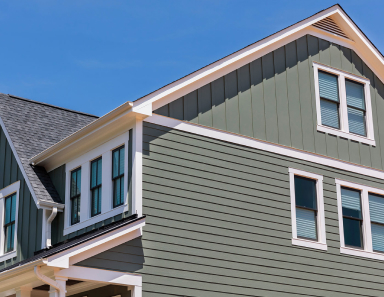
In the past, choosing an efficient product often meant compromising on style. Modern manufacturing has eliminated this trade-off. Today’s energy efficient vinyl siding is available in a staggering array of colors, textures, and profiles. Whether a homeowner desires the look of traditional Dutch lap, the rustic charm of cedar shakes, or the clean lines of vertical board and batten, there is an insulated version available. The foam backing actually helps these panels maintain their “just-installed” look by preventing the sagging and warping that can plague thinner, non-insulated products.
Color technology has also advanced significantly. Premium vinyl products now utilize “cool roof” technology in their pigments, reflecting infrared light away from the house. This prevents the panels from absorbing excessive heat, which helps maintain the color’s integrity and prevents fading over time. Furthermore, the rigidity provided by the insulation allows for longer panels, which reduces the number of visible seams on the side of the house. This results in a cleaner, more high-end appearance that can significantly boost a home’s curb appeal and market value.
Resisting the Elements: Wind and Impact Protection
Durability is a core component of efficiency. A product that fails after a few years is neither energy efficient nor environmentally friendly in the long run. Insulated vinyl siding is engineered to withstand extreme weather conditions, including hurricane-force winds. The foam backing provides a solid foundation that supports the vinyl skin, allowing it to resist the “crushing” force of high-pressure winds. Many systems are rated for winds exceeding 150 miles per hour, providing peace of mind for those in coastal or storm-prone regions.
Impact resistance is another area where these products shine. Traditional vinyl can be susceptible to cracking if struck by a stray baseball or hailstone, particularly in cold weather when the plastic becomes more brittle. The integrated foam acts as a shock absorber, dispersing the energy of an impact across a larger area and preventing the vinyl from fracturing. This means the exterior of the home remains intact and functional for decades, ensuring that the thermal envelope is never compromised by physical damage.
The Financial Impact: ROI and Long-Term Savings
When evaluating the cost of energy efficient vinyl siding, it is essential to look beyond the initial price tag. While the upfront cost is higher than standard vinyl, the return on investment (ROI) comes from three distinct areas: lower monthly energy bills, reduced maintenance costs, and increased home resale value. Most homeowners find that the energy savings alone can offset the price difference within a few years, especially as utility rates continue to rise across the country.
According to various industry reports, exterior siding replacement consistently ranks as one of the top home improvement projects for recouping value at the time of sale. Potential buyers are often willing to pay a premium for a home that is “move-in ready” and offers low operating costs. Mentioning that the home is wrapped in high-performance insulation is a significant selling point in a competitive real estate market. Furthermore, because vinyl never needs to be painted or stained, the long-term savings on labor and materials are substantial compared to wood or fiber cement.
| Cost Factor | Standard Siding | Energy Efficient Siding |
|---|---|---|
| Initial Installation | Moderate | High |
| Annual Energy Savings | Minimal | 10% – 20% Reduction |
| Painting/Staining Costs | Variable | $0 (Lifetime) |
| Resale Value Increase | Moderate | High |
| HVAC Replacement Cycle | Standard | Extended (Lower Load) |
Environmental Stewardship and Lifecycle Assessment
Sustainability in construction is often measured by the lifecycle assessment (LCA) of a product. This looks at everything from the raw material extraction to the eventual disposal of the material. Surprisingly, energy efficient vinyl siding often has a lower environmental impact than many “natural” alternatives. The manufacturing of vinyl requires less energy than the production of brick or fiber cement. Additionally, the lightweight nature of the panels means less fuel is consumed during transportation to the job site.
The real environmental win, however, is the energy saved over the product’s 50-year lifespan. By drastically reducing the amount of fuel needed to heat and cool a home, the siding prevents tons of CO2 emissions from entering the atmosphere. Many manufacturers are also participating in recycling programs where old vinyl siding is ground up and repurposed into new products, such as electrical conduit or garden hoses. This circular economy approach helps reduce the reliance on virgin plastics and minimizes landfill waste.
Low-VOC and Indoor Air Quality
Another factor in the sustainability conversation is the impact on indoor air quality. Traditional paints and stains used on wood or fiber cement often contain Volatile Organic Compounds (VOCs) that can off-gas into the environment. Vinyl siding is a factory-finished product that does not require any secondary chemical treatments after installation. Furthermore, because the insulation system is designed to keep the wall cavity dry, it helps prevent the growth of mold and mildew, which are major contributors to poor indoor air quality and respiratory issues.
Installation Best Practices for Maximum Efficiency
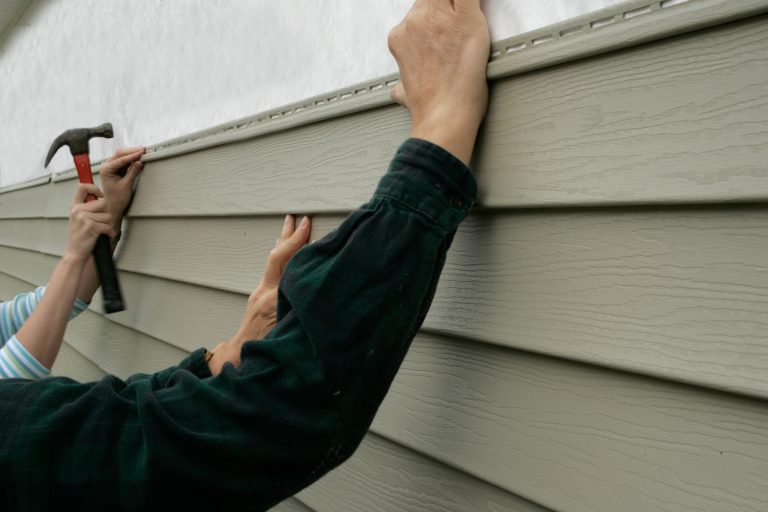
The performance of energy efficient vinyl siding is heavily dependent on the quality of the installation. Unlike other materials, vinyl is designed to “float” on the wall to accommodate the expansion and contraction that occurs with temperature changes. If the panels are nailed too tightly, they will buckle and warp, creating gaps that allow air and water to penetrate. A professional installer must understand the nuances of this movement and use specialized fasteners and techniques to ensure the system remains airtight and aesthetically pleasing.
Proper flashing is another critical component. The areas around windows, doors, and rooflines are the most vulnerable points in any exterior. Installers must use high-quality flashing and sealant to ensure that water is directed away from the insulation and the wall sheathing. When done correctly, the siding creates a seamless barrier that works in harmony with the home’s other components. It is always recommended to hire contractors who are certified by organizations like the Vinyl Siding Institute (VSI) to ensure that the installation meets industry standards.
The Critical Role of the Starter Strip and Corner Posts
The foundation of a good siding job starts with the “starter strip” and the corner posts. These components define the alignment of the entire project. In an energy-efficient system, insulated corner posts are used to ensure that there are no “cold spots” at the edges of the building. These posts are filled with foam just like the main panels, providing continuous thermal protection. If an installer skips these specialized components, the home will have significant thermal leaks at every corner, undermining the efficiency of the entire system.
Similarly, the transition between the siding and the foundation must be handled with care. A “drip cap” or specialized flashing should be used to prevent water from wicking up into the insulation from the ground. By paying attention to these small technical details, the installer ensures that the energy efficient vinyl siding performs at its maximum potential for its entire service life. This attention to detail is what separates a standard siding job from a high-performance exterior renovation.
Maintenance and Long-Term Care
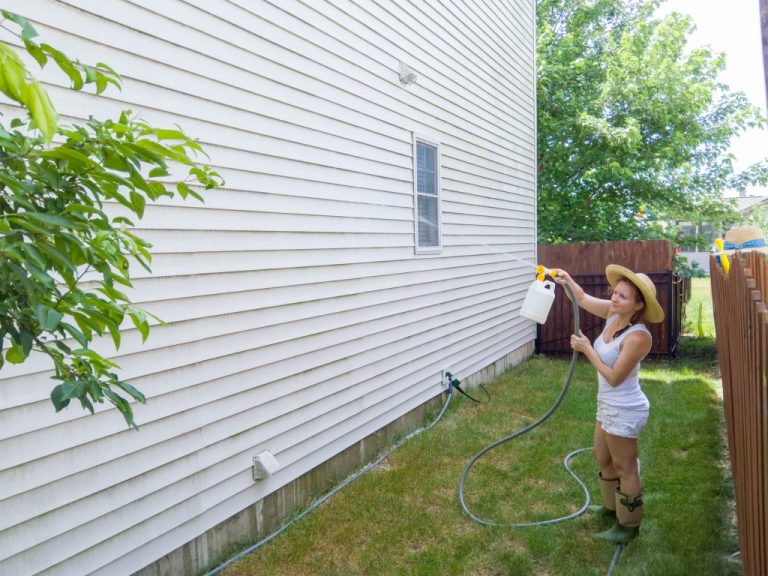
One of the most attractive features of vinyl is how little maintenance it requires. Unlike wood, which needs to be scraped and repainted every five to seven years, vinyl only needs an occasional wash with a garden hose and mild detergent. This not only saves the homeowner time and money but also prevents the introduction of harsh chemicals into the soil around the home. Because the color is “baked in” through the entire thickness of the panel, scratches and dings are virtually invisible, maintaining the home’s beauty with minimal effort.
For those living in areas with high humidity, an annual inspection for organic growth like algae or mildew is a good practice. While these organisms do not harm the vinyl, they can detract from the home’s appearance. A simple solution of vinegar and water is usually enough to remove any buildup. By keeping the exterior clean, homeowners ensure that the reflective properties of the siding remain intact, helping to bounce solar heat away from the house during the summer months.
Inspecting Sealants and Transitions
While the siding itself is nearly maintenance-free, the sealants used around windows and doors should be inspected every few years. Even the best silicone or polyurethane caulk can eventually dry out or crack due to the home’s natural settling. Maintaining these seals is vital for preserving the airtight nature of the building envelope. If a gap is discovered, it should be cleaned and resealed promptly to prevent air leakage and moisture intrusion. This simple proactive step can significantly extend the life of the underlying structure.
Regional Considerations for Energy Efficient Upgrades
The benefits of upgrading to energy efficient vinyl siding vary slightly depending on the local climate. In northern regions, the primary goal is heat retention. The insulation works to keep the furnace from running constantly during the frigid winter months. In these areas, a higher R-value is usually the top priority. Homeowners might even consider adding a layer of rigid “fan-fold” insulation behind the siding for an even greater thermal barrier.
In the southern United States, the focus shifts to heat rejection. Here, the insulation keeps the intense solar heat from soaking through the walls and into the living space. This significantly reduces the load on the air conditioning system during the long summer season. In these climates, choosing lighter colors and panels with IR-reflective pigments can provide additional efficiency gains. Regardless of the region, the goal remains the same: creating a stable interior environment that is decoupled from the fluctuations of the outside world.
Conclusion: The Future of Residential Cladding
As building codes become stricter and energy costs continue to climb, the importance of high-performance exterior materials will only grow. Energy efficient vinyl siding represents a perfect intersection of technology, aesthetics, and practicality. It offers a solution that addresses the immediate needs of homeowners—lower bills and better curb appeal—while also contributing to the broader goal of environmental sustainability. By understanding the science of thermal resistance and moisture management, property owners can make an informed decision that protects their most valuable asset.
Investing in a high-quality exterior is more than just a renovation; it is a commitment to a better way of living. A home that is well-insulated is quieter, more comfortable, and cheaper to maintain. As we look toward the future, the integration of smart materials and even more advanced insulation techniques will continue to refine what is possible. For now, the move toward insulated vinyl remains one of the smartest upgrades any homeowner can make, providing a solid foundation for a more efficient and resilient home.