Average Cost Per Square Foot Siding: 2024 Price Guide & Analysis
The exterior of a home serves as more than just a visual statement; it is a critical protective envelope that shields the structure from the elements. Understanding the financial landscape of exterior renovations starts with a clear grasp of the average cost per square foot siding projects currently demand in the modern market. Whether you are addressing a deteriorating facade or seeking to improve thermal efficiency, the investment in new siding remains one of the most impactful home improvement decisions a homeowner can make.
Current market conditions have seen significant fluctuations in material availability and labor rates. Consequently, providing a singular, static price point is nearly impossible. Instead, homeowners must navigate a spectrum of variables ranging from material selection and architectural complexity to regional economic conditions and the specific grade of the product chosen. This comprehensive guide aims to dissect those variables, offering a deep dive into the fiscal realities of residential cladding.
As we examine the various options available, it becomes evident that pricing is rarely linear. A standard suburban home may require a different strategic approach than a multi-story custom build. Furthermore, the long-term value of the siding—measured through durability and maintenance requirements—often outweighs the initial “sticker price” of the installation. In the following sections, we will break down the components of these costs to provide a transparent view of the industry today.
Defining the Foundations of Siding Expenses
To accurately estimate the budget for an exterior remodel, one must first understand the distinction between “per square” pricing and “per square foot” pricing. In the siding industry, a “square” is a unit of measurement equal to 100 square feet. Contractors often use this terminology when providing bulk estimates, but for the sake of clarity, we will translate these figures into the more intuitive square foot metric.
The primary drivers of cost are the materials themselves and the labor required to secure them properly. While a high-end cedar shingle might offer unparalleled aesthetic warmth, the installation process is far more labor-intensive than that of modern vinyl panels. Therefore, the average cost per square foot siding remains a composite of manufacturing complexity and the man-hours required for on-site execution.
In addition to the visible panels, several “invisible” costs contribute to the final bill. These include vapor barriers, specialized flashing around windows and doors, and the necessary fasteners. Ignoring these components in an initial estimate is a frequent mistake that can lead to significant budget overruns. A professional quote should always account for the total system, not just the decorative outer layer.
Average cost per square foot siding
When calculating the average cost per square foot siding, homeowners should generally expect to pay between $4.00 and $16.00 for the total project, including labor and materials. This broad range reflects the vast differences between entry-level vinyl products and high-end masonry or natural wood alternatives. At the lower end of the spectrum, economy-grade vinyl provides a functional, budget-friendly solution for those prioritizing immediate savings.
Mid-range projects, which often feature insulated vinyl or standard fiber cement, typically settle between $8.00 and $12.00 per square foot. These materials offer a balance of durability and aesthetic versatility, making them the preferred choice for the majority of residential renovations. They provide better resistance to impact and higher R-values, which can lead to energy savings over the life of the product.
Premium installations, involving natural stone veneers, high-grade cedar, or exotic metals, can easily exceed $25.00 per square foot. These materials are chosen for their luxury appeal and architectural significance. However, they also require highly specialized labor, which further drives up the total expenditure. Understanding where your project falls on this spectrum is the first step toward a realistic financial plan.
Material Price Breakdown by Type
The material you choose is the single most significant factor in your overall budget. Each material comes with its own set of manufacturing costs and logistical requirements. For instance, vinyl is lightweight and easy to ship, whereas brick is heavy and requires substantial freight costs. Below is a comparative look at the most common siding materials and their associated price ranges.
| Material Type | Material Cost per Sq. Ft. | Installed Cost per Sq. Ft. | Expected Lifespan |
|---|---|---|---|
| Vinyl (Standard) | $1.50 – $4.00 | $4.00 – $8.00 | 20-40 Years |
| Insulated Vinyl | $3.00 – $6.00 | $7.00 – $12.00 | 30-50 Years |
| Fiber Cement | $2.00 – $6.00 | $8.00 – $15.00 | 30-50 Years |
| Engineered Wood | $2.50 – $5.50 | $6.00 – $12.00 | 20-50 Years |
| Cedar / Natural Wood | $5.00 – $10.00 | $10.00 – $20.00 | 20-40 Years |
| Aluminum / Steel | $3.50 – $8.00 | $7.00 – $16.00 | 30-50 Years |
Vinyl Siding: The Industry Standard for Value
Vinyl remains the dominant force in the North American siding market due to its versatility and cost-effectiveness. Formulated from polyvinyl chloride (PVC) resin, this material is engineered to resist moisture, rot, and insect damage. For homeowners focused on the average cost per square foot siding, vinyl offers the most predictable and manageable price points across all geographic regions.
Not all vinyl is created equal, however. The thickness of the panel, known as its gauge, determines its quality and price. Economy-grade vinyl usually measures around 0.040 inches, while premium panels can reach 0.046 inches or even 0.050 inches. Thicker panels are less prone to sagging, better at hiding imperfections in the wall, and more capable of withstanding high-velocity impacts from hail or debris.
Furthermore, the color technology used in modern vinyl has advanced significantly. In the past, dark colors were prone to fading under UV exposure. High-end vinyl now utilizes “cool roof” technology and advanced pigments that reflect heat, allowing for deeper, richer hues without the risk of warping or discoloration. While these premium options increase the cost, they contribute to a much higher curb appeal and resale value.
Insulated Vinyl vs. Standard Panels
Insulated vinyl siding features a layer of rigid foam backing, usually expanded polystyrene (EPS), bonded directly to the panel. This addition fundamentally changes the performance profile of the siding. Beyond simply providing a “flatter” look on the wall, it creates a thermal bridge break that prevents heat from escaping through the wooden studs of the home.
While the material cost for insulated vinyl is higher, the labor is often comparable to standard siding. The primary benefit is the increased R-value, which can improve a home’s energy efficiency by up to 20%. When evaluating the average cost per square foot siding, the initial premium for insulation often pays for itself through reduced monthly utility bills and enhanced interior comfort during extreme weather.
Fiber Cement: The Durability Champion
Fiber cement, often known by the brand name James Hardie, has seen a meteoric rise in popularity. Composed of a mixture of cement, sand, and cellulose fibers, it is designed to mimic the look of natural wood while offering the fire resistance and durability of masonry. This material is particularly favored in regions prone to wildfires or high humidity where wood would quickly rot.
The installation of fiber cement is considerably more technical than vinyl. The panels are heavy, requiring at least two people to handle them, and they must be cut with specialized saws that generate hazardous silica dust. Consequently, the labor portion of the average cost per square foot siding for fiber cement is significantly higher. Installers must also follow strict nailing and flashing patterns to ensure the manufacturer’s warranty remains valid.
Maintenance for fiber cement is higher than vinyl because it requires painting every 10 to 15 years. However, its ability to hold paint is superior to wood, and it does not expand or contract as much with temperature changes. This stability means the paint job lasts longer and looks better than traditional wood siding, providing a sophisticated aesthetic that many homeowners find worth the extra investment.
Natural Wood and Engineered Alternatives
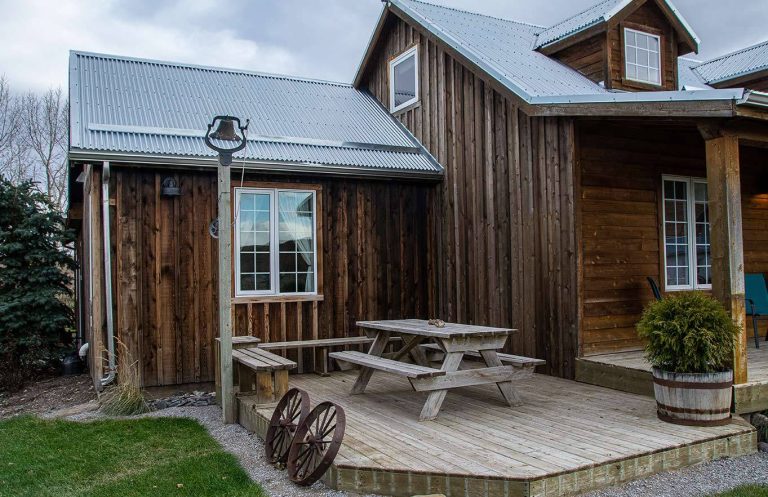
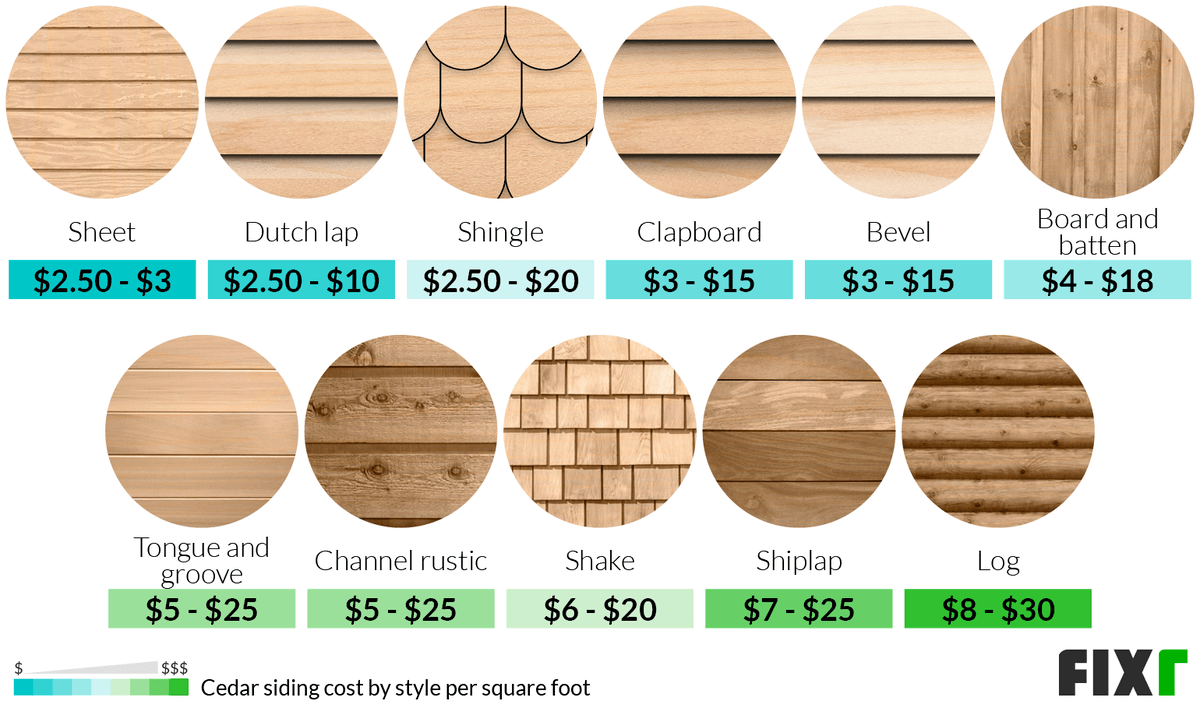
There is an undeniable warmth and character that comes with natural wood siding. Cedar, redwood, and cypress are the gold standards, offering natural oils that resist decay. However, the average cost per square foot siding for natural wood is heavily influenced by the grade of the timber and the current state of the lumber market. In recent years, lumber volatility has made wood one of the more expensive and unpredictable options.
Engineered wood has emerged as a compelling middle ground. Brands like LP SmartSide use wood strands or fibers combined with specialized waxes and resins to create a product that looks like wood but is more durable and uniform. It is lighter than fiber cement and easier to install, which can help keep labor costs down while still achieving a high-end, traditional appearance.
Regardless of whether you choose natural or engineered wood, maintenance is a primary consideration. Natural wood requires staining or sealing every 3-5 years to prevent moisture infiltration and UV damage. Failure to maintain these coatings can lead to costly repairs and premature replacement. When budgeting, always include these recurring costs in your long-term financial calculations.
Metal Siding: Modernity and Longevity
Metal siding, specifically aluminum and steel, has moved beyond its industrial roots and into high-end residential design. Aluminum is prized for its resistance to rust, making it an excellent choice for coastal properties. Steel, on the other hand, is incredibly tough and provides superior protection against dents and wind damage. Both materials offer a sleek, modern aesthetic that is highly sought after in contemporary architecture.
The average cost per square foot siding for metal is often higher than vinyl but competitive with fiber cement. One of the biggest advantages of metal is its fire rating; it is non-combustible and can lower insurance premiums in some areas. Additionally, metal siding is 100% recyclable, making it an environmentally responsible choice for homeowners looking to reduce their ecological footprint.
However, metal siding has a few drawbacks. It can be noisy during heavy rain or hail if not properly insulated. Aluminum is also prone to denting, and once a panel is creased, it is difficult to repair. Steel is more resistant to impact but can rust if the protective coating is scratched and the bare metal is exposed to the elements. Quality finishes, like Kynar 500, are essential for long-term color retention and protection.
The Impact of Home Architecture on Pricing
The shape and size of your home play a massive role in determining the final quote. A simple, single-story ranch with long, straight walls is the easiest to side. In contrast, a Victorian-style home with multiple stories, dormers, turrets, and intricate trim work will require significantly more labor. The more “corners” and “cuts” a contractor has to make, the higher the labor rate will climb.
Height is another critical factor. Any work that requires extensive scaffolding or the use of specialized lifting equipment will add to the average cost per square foot siding. Working at heights is slower and requires more safety precautions, which naturally increases the man-hours needed to complete the job. Furthermore, homes that are built close to neighboring structures may have accessibility issues that further complicate the logistics of the installation.
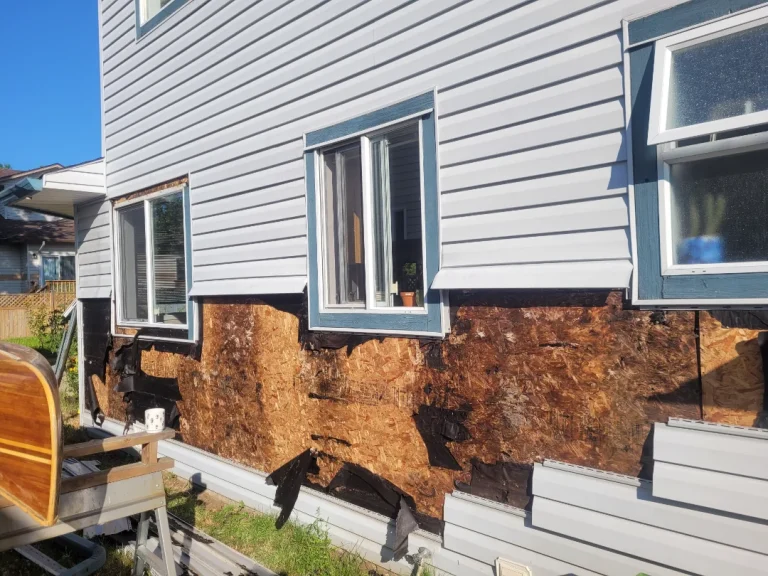
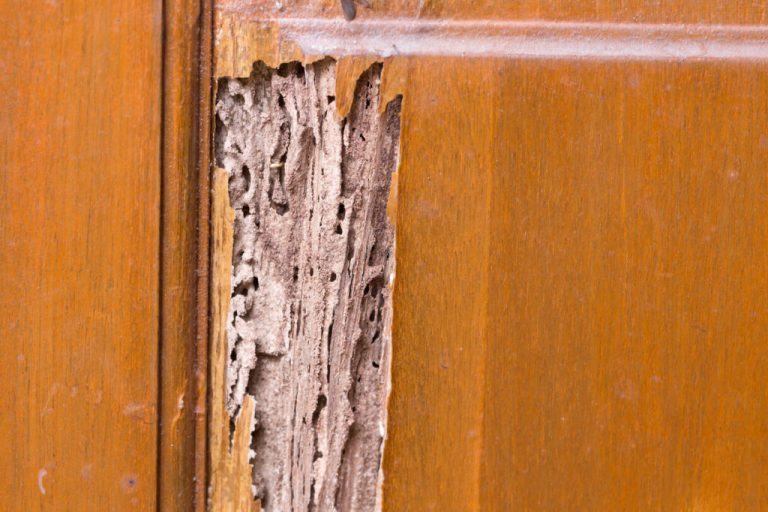
Finally, the existing condition of the home cannot be ignored. If the contractor discovers rotted sheathing or insect damage once the old siding is removed, these repairs must be addressed before the new material is applied. These “change orders” can quickly inflate a budget. A prudent homeowner should always set aside a 10-15% contingency fund to cover these unforeseen structural issues.
Labor Dynamics and Geographic Variations
Labor costs are not uniform across the country. In major metropolitan areas or regions with a high cost of living, labor rates for skilled siding installers can be double what they are in rural areas. This is due to higher overhead for businesses, including insurance, licensing, and prevailing wages. When researching the average cost per square foot siding, it is vital to get local quotes rather than relying solely on national averages.
The availability of skilled labor also impacts pricing. During peak renovation seasons—typically spring and early fall—contractors are in high demand. This can lead to longer wait times and higher premiums. Conversely, scheduling a project during the “off-season” (if weather permits) might yield more competitive pricing as companies look to keep their crews busy during slower months.
It is also important to verify that your contractor is properly insured and licensed for your specific jurisdiction. While a “handyman” might offer a lower rate, they may lack the specialized equipment and insurance coverage required for a large-scale siding project. Hiring a certified professional ensures that the job is done to code and that you are protected from liability in the event of an accident on your property.
Typical Labor vs. Material Cost Ratio
In the world of siding, the ratio of material cost to labor cost changes depending on the product. Understanding this ratio helps you see where your money is going and where you might be able to save. High-material-cost projects often require more precision, whereas low-material-cost projects (like vinyl) are often more about the speed of application.
| Material | Labor Intensity | Estimated Labor % of Total | Estimated Material % of Total |
|---|---|---|---|
| Vinyl | Low | 40% – 50% | 50% – 60% |
| Fiber Cement | High | 60% – 70% | 30% – 40% |
| Natural Wood | Moderate/High | 50% – 60% | 40% – 50% |
| Brick Veneer | Extreme | 70% – 80% | 20% – 30% |
| Steel/Metal | Moderate | 45% – 55% | 45% – 55% |
Hidden Costs: Removal, Disposal, and Prep Work
When most people think about siding costs, they focus on the new material going up. However, the old material has to go somewhere. The removal and disposal of existing siding is a significant labor expense. If your home has old wood siding that contains lead paint or asbestos-containing shingles, the disposal costs can skyrocket due to environmental regulations and the need for specialized hazmat teams.
Once the old siding is off, the “prep work” phase begins. This involves inspecting the house wrap or vapor barrier and replacing it if it is damaged. A high-quality water-resistive barrier (WRB) is essential for preventing mold and rot. If your home lacks proper insulation, this is also the ideal time to add a layer of rigid foam, which will add to the average cost per square foot siding but offer long-term energy savings.
Flashing is another often-overlooked expense. Flashing is the metal or plastic material installed at joints and edges to redirect water away from the structure. Properly flashing windows, doors, and the roofline is the most important part of a siding job. Many leaks occur not because the siding failed, but because the flashing was poorly executed. Never cut corners on these essential components.
The Role of Trim and Accessories
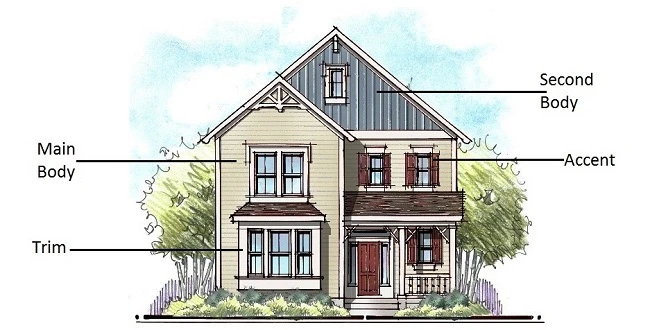
The “average” square foot price usually covers the main wall panels, but it often excludes the trim. Trim includes the corner posts, soffits, fascia, and the molding around windows and doors. These accessories can add 10% to 25% to the total project cost. Choosing a contrasting color or a premium material for your trim can significantly enhance the architectural appeal of the home, but it comes at a price.
Soffits and fascia are particularly important. The soffit is the underside of the roof overhang, and the fascia is the vertical board behind the gutters. Replacing these alongside your siding ensures a cohesive look and protects the eaves of your home from moisture and pests. Many homeowners opt for vented soffits to improve attic ventilation, which can help regulate temperature and extend the life of the roof.
Decorative elements like shutters, gable vents, and mounting blocks for light fixtures also contribute to the final tally. While individual items are relatively inexpensive, they require additional labor to install correctly. When reviewing a quote, ensure that all trim and accessory work is explicitly listed so there are no surprises during the final walkthrough.
Calculating Square Footage for Accuracy
To get a handle on your potential budget, you need to know the total exterior surface area of your home. This is not the same as your home’s interior square footage. To calculate the siding area, you must measure the height and width of each exterior wall and multiply them. Then, you subtract the area of windows and doors. However, most contractors will not subtract small windows, as the labor to cut the siding around them is more intensive than simply siding over the gap.
It is also crucial to account for a “waste factor.” No wall is perfectly divisible by the length of a siding panel. Consequently, there will be scraps and off-cuts that cannot be used. A standard waste factor is 10%, but for homes with complex geometries or many gables, it can be as high as 15% to 20%. When ordering materials, always ensure you have enough to cover this waste, or you risk running out and having to pay for additional shipping.
Using the average cost per square foot siding against your calculated square footage gives you a “ballpark” figure. For example, if your home has 2,000 square feet of wall space and you choose a material that costs $10.00 per square foot installed, your starting budget should be $20,000. However, always remember to add your contingency fund for those inevitable “behind the wall” surprises.
Return on Investment and Resale Value
Siding replacement consistently ranks as one of the top home improvement projects for return on investment (ROI). According to various industry reports, homeowners can expect to recoup 70% to 80% of the project cost in added home value. This high ROI is due to the massive impact curb appeal has on a buyer’s first impression and the reassurance that the home’s structure is well-protected.
Beyond the immediate financial gain, new siding can make a home much easier to sell. A house with peeling paint or cracked vinyl suggests neglect to a potential buyer, who may then wonder what other maintenance tasks have been ignored. Conversely, a fresh, modern exterior indicates that the home has been well-maintained, potentially leading to faster sales and multiple offers.
Energy efficiency also plays into the resale value. In a market where utility costs are rising, homes with insulated siding are highly attractive. Being able to provide documentation of lower heating and cooling bills can be a powerful selling point. Therefore, when considering the average cost per square foot siding, view it not just as an expense, but as a strategic upgrade to your most valuable asset.
Long-Term Maintenance and Lifecycle Costs
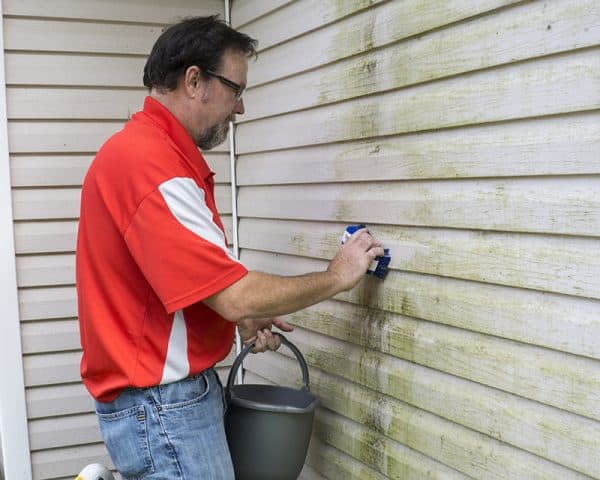
The cheapest siding today might become the most expensive siding over twenty years. Maintenance costs are a vital part of the financial equation. For example, vinyl is virtually maintenance-free, requiring only an occasional wash with a garden hose. Over two decades, the maintenance cost is near zero. Wood, however, requires repeated painting or staining, which can cost thousands of dollars every few years.
Fiber cement sits in the middle. While it requires painting, it doesn’t rot, warp, or suffer from termite damage. This means you avoid the “catastrophic” repair costs associated with wood. When evaluating the average cost per square foot siding, it is wise to perform a 20-year lifecycle analysis. This involves adding the initial installation cost to the projected maintenance costs over two decades to find the true price of the material.
Durability also factors into the lifecycle. If you live in an area prone to severe storms, a more expensive but impact-resistant material like steel or thick-gauge vinyl might save you from having to replace the entire exterior after a single hailstorm. Insurance premiums may also be lower for fire-resistant or wind-resistant materials, providing another layer of long-term savings.
Seasonality: When is the Best Time to Buy?
The timing of your siding project can influence the average cost per square foot siding quotes you receive. Late spring and summer are the busiest times for contractors. During these months, you may face higher prices and limited availability. If you have the flexibility, scheduling your project for the late fall or early winter can sometimes result in “off-season” discounts.
However, winter installations come with challenges. Vinyl siding becomes brittle in cold temperatures and can crack when being cut or nailed. Special care and slower work are required to ensure a quality install in freezing weather. Fiber cement and wood are less affected by cold, but ice and snow can still slow down the crew and increase labor hours. Ideally, the “sweet spot” is early autumn, when the weather is stable and the peak summer rush has subsided.
Monitoring the global supply chain is also important. Raw material prices for PVC, steel, and lumber can spike due to geopolitical events or manufacturing disruptions. If you see a trend of rising prices in the news, it may be beneficial to lock in a contract and material order sooner rather than later to avoid future price hikes.
DIY vs. Professional Installation
For the handy homeowner, the prospect of saving on labor costs is tempting. Installing your own siding can reduce the average cost per square foot siding by 40% to 60%. However, this is a massive undertaking that requires specialized tools and a deep understanding of moisture management. One mistake in flashing or a poorly sealed joint can lead to thousands of dollars in water damage inside your walls.
Siding also requires working on ladders and scaffolding, which carries significant safety risks. Professional crews have the experience to work efficiently and safely at heights. Furthermore, most manufacturers’ warranties are only valid if the product is installed by a licensed professional according to specific guidelines. If you install it yourself and a panel warps or falls off, you may have no recourse for a claim.
If you do choose the DIY route, start with a small project like a shed or a detached garage to hone your skills. For a primary residence, the peace of mind that comes with a professional warranty and the speed of a professional crew is usually worth the extra cost. A professional job will also look much better, ensuring that you maximize your home’s curb appeal and resale value.
Financing Your Siding Project
Given that a full siding replacement can cost tens of thousands of dollars, many homeowners explore financing options. Home Equity Lines of Credit (HELOCs) and Home Equity Loans are popular choices, as they often offer lower interest rates than personal loans. Since siding is a value-adding improvement, lenders are generally favorable toward these types of applications.
Many large-scale siding contractors also offer in-house financing. These programs can be very convenient, sometimes offering “zero-interest” periods for 12 to 24 months. However, be sure to read the fine print. If the balance is not paid in full by the end of the promotional period, the interest rates can jump significantly. Always compare the terms of contractor financing against your local bank or credit union.
In some regions, energy-efficiency grants or low-interest loans may be available if you are upgrading to insulated siding. These government-sponsored programs aim to reduce residential energy consumption. Checking with your local utility provider or state energy office can reveal hidden savings that make the average cost per square foot siding more manageable for your household budget.
Environmental Impact and Sustainability
Sustainability is becoming a larger part of the conversation regarding building materials. Vinyl siding has a lower environmental footprint during the manufacturing phase than many other materials, but it is a plastic product that is difficult to recycle at the end of its life. However, many manufacturers are now incorporating recycled content into their panels to improve their green credentials.
Wood is the most sustainable option if it is sourced from FSC-certified forests. It is a renewable resource that sequesters carbon. Fiber cement is also relatively eco-friendly, as it is made from abundant natural materials and has an exceptionally long lifespan, reducing the need for frequent replacements. Metal siding stands out for its recyclability; most metal siding can be recycled multiple times without losing its structural integrity.
When choosing a material, consider the “embodied energy”—the total energy required to extract, manufacture, and transport the product. Choosing materials manufactured closer to your home can reduce transportation emissions. While sustainability might not always lower the average cost per square foot siding, it contributes to a more responsible and future-proof home renovation.
Conclusion: Strategic Planning for Success
Replacing the siding on your home is a complex financial and logistical puzzle. While the average cost per square foot siding provides a useful benchmark, it is only one piece of a much larger picture. By understanding the nuances of material grades, labor dynamics, and hidden structural costs, you can approach your project with confidence and avoid the common pitfalls that lead to budget overruns.
The key to a successful renovation lies in balance. Weigh the immediate savings of low-cost materials against the long-term benefits of durability and energy efficiency. Take the time to vet multiple contractors, check references, and ensure that every detail of the project is documented in a written contract. A well-planned siding project will not only protect your home for decades but will also serve as a source of pride and aesthetic beauty.
Ultimately, the goal is to create a durable, attractive, and efficient exterior that fits your budget and lifestyle. Whether you opt for the classic look of cedar, the modern edge of metal, or the reliable value of vinyl, your investment in your home’s exterior is an investment in its future. With the right information and a clear strategy, you can navigate the complexities of siding costs and achieve an outcome that enhances both your home’s value and your quality of life.