Is vinyl siding worth the investment? A Complete ROI and Value Analysis
Deciding on the right exterior for your home involves balancing aesthetics, durability, and financial logic. For many homeowners, the primary question remains: Is vinyl siding worth the investment when compared to traditional materials like wood or modern alternatives like fiber cement? This decision often dictates the long-term maintenance schedule and the eventual resale value of the property.
The evolution of exterior cladding has seen vinyl transform from a budget-friendly plastic alternative to a sophisticated, high-performance building material. Modern engineering has addressed many of the early criticisms regarding its appearance and structural integrity. Consequently, the value proposition has shifted significantly over the last two decades for residential property owners.
In this exhaustive analysis, we will explore the multifaceted nature of siding replacement. We will examine the financial returns, energy efficiency gains, and the psychological impact of curb appeal. By the end of this guide, you will have a comprehensive understanding of whether this specific upgrade aligns with your long-term homeownership goals.
Understanding the Evolution of Modern Polyvinyl Chloride (PVC) Siding
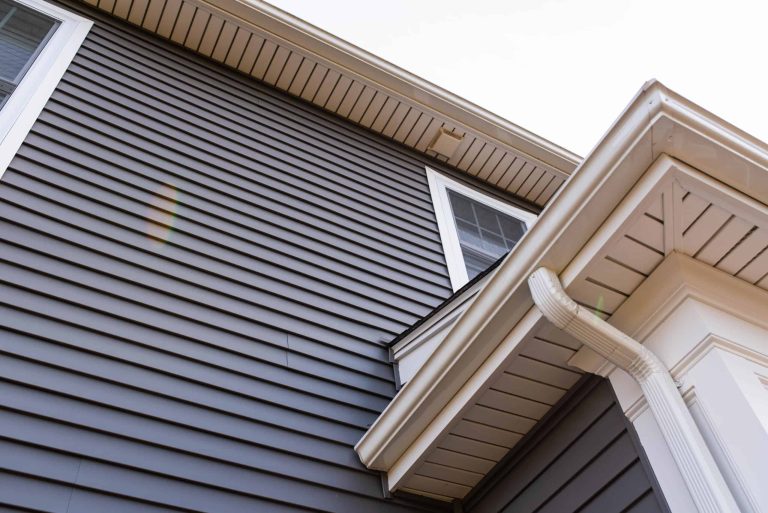
To evaluate if vinyl siding is worth the investment, one must first understand what the material is today. Unlike the brittle, thin panels of the 1970s, contemporary vinyl siding is a complex engineered product. It is composed primarily of polyvinyl chloride (PVC) resin, which is enhanced with stabilizers and pigments.
Modern manufacturing utilizes a process called co-extrusion. This creates two layers: the capstock and the substrate. The capstock contains UV-resistant compounds that protect the siding from sun damage. Meanwhile, the substrate provides the structural impact resistance necessary to withstand hail and debris.

Furthermore, the inclusion of titanium dioxide helps prevent color fading. This chemical advancement ensures that the vibrant hues chosen today remain consistent for years. This technical leap forward is a major reason why many contractors consider it a top-tier choice for renovation projects.
The Molecular Composition and Structural Integrity
The molecular structure of modern PVC is designed for flexibility. This allows the panels to expand and contract with temperature fluctuations without cracking. Traditional wood siding often fails in this regard, as moisture absorption causes rot and warping over time.
Chemical stabilizers prevent the material from becoming “chalky” when exposed to oxygen and sunlight. This preservation of the surface finish reduces the need for repainting, which is a significant cost saver. When homeowners ask if vinyl siding is worth the investment, they are often looking at these reduced maintenance cycles.
The Financial Logic of Curb Appeal and Resale Value
Curb appeal is more than just a buzzword; it is a measurable metric in real estate. First impressions dictate how a potential buyer perceives the interior of a home. If the exterior looks weathered or neglected, the perceived value of the entire property drops instantly.
According to various real estate market reports, exterior upgrades consistently offer some of the highest returns on investment (ROI). While a kitchen remodel might only recoup 60% of its cost, siding replacement often hovers between 75% and 80%. This makes it one of the most stable financial moves for a homeowner.
In addition, the speed of a sale is often influenced by the exterior condition. A home with fresh, low-maintenance siding is far more attractive to a buyer who wants a “move-in ready” experience. Therefore, the investment pays off both in equity and in liquidity when it comes time to list the property.
Is vinyl siding worth the investment
Determining whether vinyl siding is worth the investment requires a look at the “total cost of ownership.” This metric includes the initial purchase price, the cost of labor, and the cumulative maintenance costs over twenty years. When compared to wood, vinyl typically wins on every front regarding long-term savings.
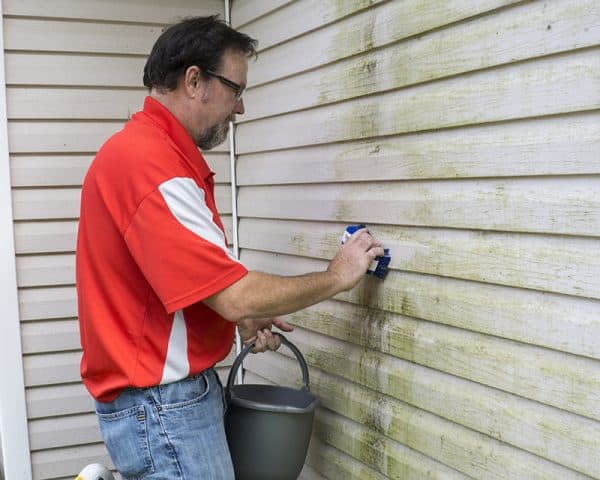
Wood requires scraping, priming, and painting every five to seven years. In contrast, vinyl requires only a seasonal wash with a garden hose and mild detergent. Over two decades, the labor and material costs saved on painting alone can equal the original cost of the siding installation.
Furthermore, the durability of the product means fewer repairs. Modern vinyl is rated to withstand winds of up to 110 miles per hour or more. This resilience against the elements prevents costly emergency repairs after severe weather events, further solidifying its status as a wise financial commitment.
Energy Efficiency and Thermal Bridging Mitigation
Is vinyl siding worth the investment for those looking to lower their utility bills? The answer often lies in “insulated” vinyl options. Standard siding offers little in the way of thermal resistance, but insulated siding adds a layer of rigid foam backing.
This foam acts as a thermal break. In most homes, the wooden studs in the walls act as “thermal bridges,” allowing heat to escape directly through the frame. By wrapping the home in a continuous layer of insulation, you effectively “blanket” the structure, significantly reducing heat transfer.
Homeowners often report a noticeable difference in interior comfort levels after an installation. During the summer, the home stays cooler, and in the winter, the furnace runs less frequently. These monthly savings on electricity and gas bills contribute to the overall ROI of the project.
The Role of Rigid Foam Backing in Structural Soundness
Beyond energy efficiency, the foam backing provides a firmer surface for the vinyl panel. This prevents the “rattling” noise that can sometimes occur during high winds. It also increases the impact resistance of the siding, making it less likely to dent from hail or stray baseballs.
The added thickness also creates a more authentic “wood-like” appearance. Because the panels do not flex or bend as easily, the sightlines along the side of the house are straighter. This aesthetic improvement is another factor that influences whether a homeowner feels the project was worth the expense.
A Comparative Analysis of Siding Materials
To truly understand the value, one must compare vinyl to its competitors. The primary alternatives are wood, fiber cement (often known by the brand James Hardie), and aluminum. Each has a different price point and maintenance profile.
| Material Type | Initial Cost | Maintenance Level | Average Lifespan | Estimated ROI |
|---|---|---|---|---|
| Vinyl Siding | Low to Moderate | Low | 20-40 Years | 75% – 80% |
| Fiber Cement | High | Moderate | 30-50 Years | 78% – 82% |
| Natural Wood | Very High | High | 20-50 Years | 60% – 70% |
| Aluminum | Moderate | Low to Moderate | 20-30 Years | 65% – 75% |
As the table illustrates, vinyl offers a compelling balance between cost and return. While fiber cement has a slightly higher ROI in some markets, its initial installation cost can be double that of vinyl. For many, the lower entry price of vinyl makes it a more accessible and practical investment.
Maintenance and Lifecycle Management
One of the strongest arguments for siding replacement is the liberation from the “paint cycle.” For many, the question of whether vinyl siding is worth the investment is answered the first time they don’t have to hire a painting crew. Traditional cedar or pine siding demands constant vigilance against rot, insects, and moisture.
Vinyl is impervious to wood-boring insects like termites and carpenter ants. It does not absorb moisture, meaning it will never rot or support the growth of mold within the material itself. However, it is important to ensure proper installation to prevent water from getting trapped *behind* the panels.
Long-term lifecycle management simply involves an annual inspection. You should check for loose panels or areas where sealant may have dried out around windows. This minimal effort keeps the home protected and looking new for decades without significant financial outlays.
Weather Resistance and Regional Performance
Climate plays a massive role in determining if vinyl siding is worth the investment for your specific location. In coastal areas, salt air can corrode metal siding and cause wood to rot prematurely. Vinyl, being a polymer, is completely unaffected by salt spray and high humidity.
In colder northern climates, the primary concern is the brittle nature of plastics in freezing temperatures. However, modern “low-temperature” impact modifiers are added to quality vinyl to ensure it doesn’t crack when hit during winter. This makes it a versatile choice from the heat of Arizona to the snow of Minnesota.
In high-wind regions, the locking mechanism of the siding is crucial. High-wind-rated vinyl features a reinforced nail hem that prevents the panels from being ripped off the wall. When installed by professionals, these systems provide a formidable barrier against the elements.
Aesthetic Trends and Texture Engineering
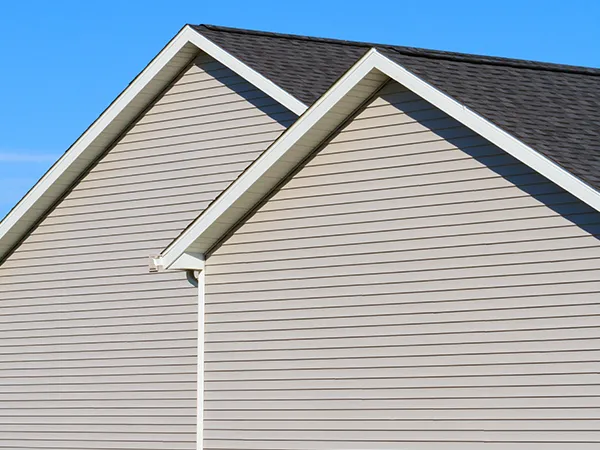
Gone are the days when vinyl looked like cheap plastic. Today’s manufacturing techniques allow for “texture engineering.” This process uses molds of real wood planks to create a grain pattern that is virtually indistinguishable from painted cedar from a distance.
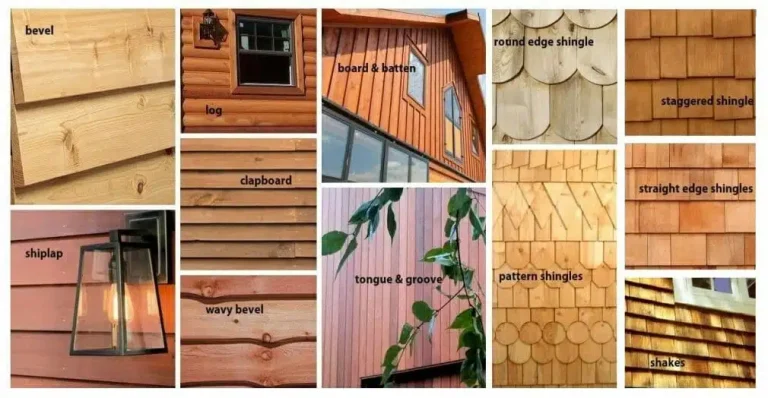
Furthermore, the variety of profiles has expanded. Homeowners can choose from traditional lap siding, Dutch lap, vertical board and batten, and even cedar-look shakes. This versatility allows the material to fit any architectural style, from a classic colonial to a modern farmhouse.
Color palettes have also evolved. Deep blues, forest greens, and rich charcoal grays are now common, thanks to improved pigment technology. These dark colors used to be avoided because of heat absorption and fading, but modern formulations have overcome these hurdles.
Mimicking Natural Cedar and Shake
Vinyl shakes and shingles are particularly popular for gables and accent walls. They provide the rugged, hand-split look of real wood without the risk of splitting or warping. This allows for a high-end look at a fraction of the price of real cedar shingles.
When asking if vinyl siding is worth the investment, consider the “aesthetic longevity.” Because the color is baked through the entire panel, scratches and dings are less noticeable than on painted surfaces. This keeps the home looking pristine even after years of wear and tear.
Environmental Footprint and Recyclability
The environmental impact of building materials is a growing concern for modern homeowners. While vinyl is a plastic product, its lifecycle analysis is surprisingly favorable. Because it lasts so long and requires no toxic paints or stains, its “in-use” environmental footprint is quite low.
Furthermore, many manufacturers now incorporate recycled content into the substrate of the siding. Vinyl is also 100% recyclable at the end of its life, though specialized facilities are required. Compared to the deforestation required for wood siding, many find vinyl to be a sustainable alternative.
In addition, the energy savings from insulated vinyl siding reduce the home’s overall carbon footprint. By decreasing the demand for heating and cooling, the product helps lower greenhouse gas emissions over the decades it remains on the house. This adds a layer of “green value” to the investment.
The Impact on Resale Value and Appraisals
When a real estate appraiser looks at a home, the condition of the exterior is a primary factor. New siding signals to the appraiser—and the bank—that the home has been well-maintained. This can lead to a higher appraised value, which is critical for refinancing or selling.
Most buyers are wary of “deferred maintenance.” If they see peeling paint or cracked wood, they immediately begin deducting thousands of dollars from their offer. Vinyl eliminates this psychological barrier. It provides a clean, uniform look that suggests the home is structurally sound and easy to care for.
Is vinyl siding worth the investment in a competitive market? Absolutely. In many cases, it can be the difference between a home that sits on the market for months and one that receives multiple offers in the first week. The peace of mind offered to the buyer is a powerful selling point.
Professional Installation vs. DIY Risks
While some homeowners consider DIY siding installation to save money, this often undermines the investment. Vinyl siding must be installed with enough “play” to allow for thermal expansion. If nailed too tightly, the panels will buckle and warp as the temperature changes.
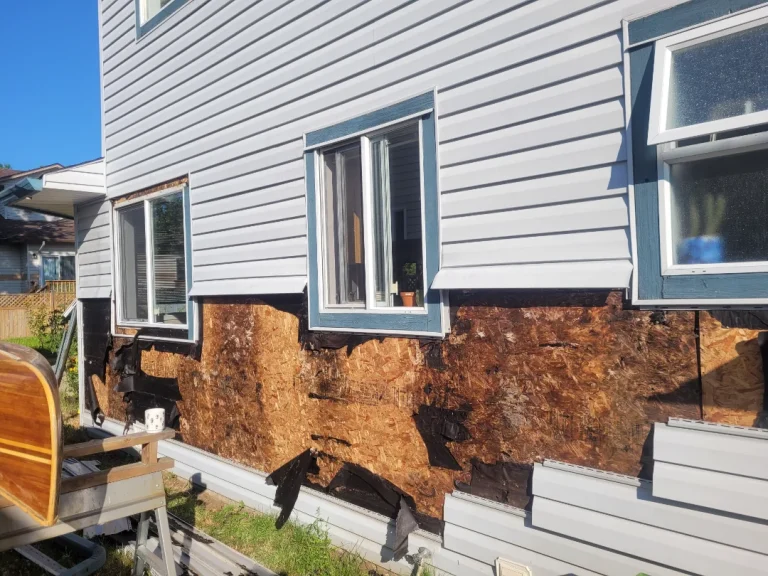
Professional installers also ensure that the house wrap and flashing are installed correctly. These are the invisible layers that prevent water from entering the wall cavity. A failure in these systems can lead to catastrophic mold and structural rot that costs far more than the initial siding job.
Furthermore, many manufacturer warranties are only valid if the product is installed by a certified professional. To ensure your investment is protected, it is almost always better to hire an experienced contractor who specializes in exterior cladding systems.
Common Pitfalls and How to Avoid Them
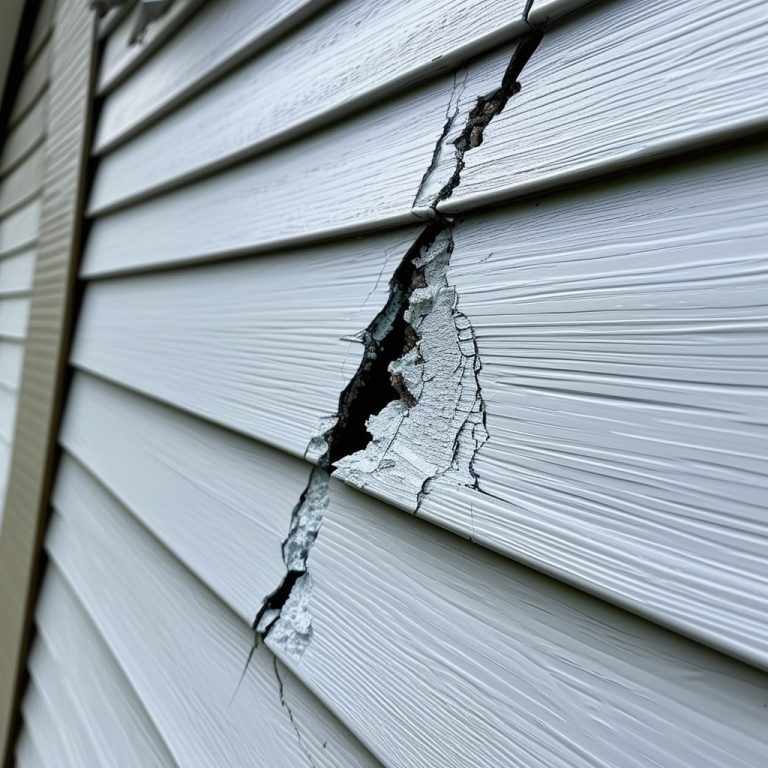
One common pitfall is choosing the cheapest possible vinyl. Thin, “contractor-grade” siding is prone to sagging and can be easily damaged. To ensure that vinyl siding is worth the investment, you should look for a “premium” thickness (usually 0.044 inches or higher).
Another issue is “melting” caused by reflected sunlight from high-efficiency windows on neighboring houses. This “concave reflection” can act like a magnifying glass, warping the vinyl. Awareness of this phenomenon allows you to choose heat-resistant vinyl lines or adjust landscaping to shade the affected areas.
Finally, improper color matching can be a problem if you only replace part of the siding. UV rays will naturally shift the color of old siding over time. If you are doing a partial replacement, it is often better to use a contrasting color or style as an architectural accent rather than trying to match faded panels exactly.
Future-Proofing Your Home’s Exterior
Investing in your home is about looking forward. As labor costs for painters and carpenters continue to rise, the “maintenance-free” aspect of vinyl becomes even more valuable. Future-proofing means choosing materials that will not become a financial burden ten or twenty years down the line.
As building codes become stricter regarding energy efficiency, the move toward insulated siding will likely become the standard. By upgrading now, you are staying ahead of the curve and ensuring your home remains modern and compliant with future buyer expectations.
Ultimately, the goal is to create a sanctuary that requires less work and provides more comfort. High-quality siding is a major step in that direction. It protects the core of your home—the framing and insulation—from the harsh realities of the outdoor environment.
Analyzing the Long-Term Cost-Benefit Ratio
To finalize our analysis, we must look at the math one more time. If you spend $15,000 on vinyl siding and it lasts 30 years, your cost is $500 per year. If you spend $10,000 on wood siding but have to paint it every 5 years at a cost of $3,000 per session, your 30-year cost skyrockets to $28,000.
This does not even account for the time and stress of managing multiple renovation projects. When you view it through this lens, the “higher” upfront cost of some premium vinyl products is actually a massive discount over the life of the home. This is the definition of a sound investment.
Moreover, the insurance benefits should not be overlooked. Some insurance companies offer lower premiums for homes with fire-resistant or impact-resistant siding. While these savings are modest, they contribute to the overall financial health of the property owner.
Final Verdict: Is it Right for Your Home?
Whether vinyl siding is worth the investment depends on your personal timeline. If you plan to sell within two years, the curb appeal and ROI make it a “no-brainer.” If you plan to stay for thirty years, the maintenance savings and durability make it an even stronger choice.
The only scenario where it might not be the best investment is on a historic home where preservation of original materials is required by law. In almost all other cases, the combination of cost-effectiveness, aesthetic variety, and protection makes it a superior choice for the modern homeowner.
Take the time to research local contractors, look at physical samples in different lighting, and consider the insulated options. A well-planned siding project is one of the few home improvements that you will appreciate every single day you pull into your driveway.