How Much Does Vinyl Siding Cost? 2024 Price Guide & Estimation
Deciding to refresh your home’s exterior is a significant financial and aesthetic undertaking that requires careful planning and budgeting. Many homeowners find themselves asking “how much does vinyl siding cost” as they notice their current cladding fading, cracking, or simply losing its original luster. Vinyl remains the most popular siding choice across North America due to its impressive durability, low maintenance requirements, and relatively accessible price point compared to premium materials like stone or natural cedar. Understanding the financial landscape of this project involves looking beyond the surface-level price tags and examining the intricate variables of labor, material quality, and architectural complexity.
When you begin your research into the total expenditure, you will encounter a wide range of estimates that can often feel overwhelming or contradictory. This variability exists because no two homes are identical, and local market conditions play a pivotal role in final invoicing. Furthermore, the modern vinyl siding market has evolved far beyond the basic plastic panels of previous decades, now offering high-tech insulated options and textures that mimic high-end wood grain perfectly. By dissecting the individual components of a siding replacement, you can develop a realistic budget that accounts for both the expected and the unexpected elements of exterior renovation.
The General Price Range for Modern Vinyl Siding
For most residential properties in the United States, the total investment for a professional vinyl siding installation typically falls between $6,000 and $17,000. However, larger or more complex homes can easily exceed $25,000 depending on the specific product lines selected. On a per-square-foot basis, you can expect to pay anywhere from $4 to $12 for materials and labor combined. This broad spectrum reflects the difference between economy-grade panels and high-performance, insulated siding systems designed for extreme climates.
It is important to remember that these figures are national averages and serve as a baseline for your initial calculations. Transitioning from a general estimate to a precise quote requires a physical inspection of your property and a choice between various manufacturing tiers. If you are residing in a metropolitan area with a high cost of living, your labor rates will naturally skew toward the higher end of the scale. Conversely, homeowners in more rural settings might find more competitive pricing, though shipping costs for specific materials could offset some of those savings.
Breaking Down the Material Grades
Not all vinyl siding is manufactured to the same standard, and the thickness of the panel—measured in “mils”—is the primary driver of material costs. Economy grade siding is usually around 0.040 inches thick and is often chosen for rental properties or outbuildings where budget is the primary concern. While affordable, these thinner panels are more prone to cracking under impact and may warp more easily during intense summer heatwaves. They provide a basic level of protection but lack the rigid structure of more expensive alternatives.
Standard or “builder grade” siding typically ranges from 0.042 to 0.046 inches in thickness and offers a balance of affordability and longevity. This is the most common choice for suburban residential projects, providing a decent lifespan of 20 to 30 years with minimal fading. Furthermore, these panels often come in a wider variety of colors and textures than economy options, allowing for better customization. Most manufacturers provide solid warranties for this tier, making it a safe bet for the average homeowner looking for value.
Premium and “super-premium” vinyl siding can reach thicknesses of 0.050 to 0.055 inches. These panels are exceptionally rigid, making them highly resistant to wind damage and physical impact from hail or stray baseballs. Because of their thickness, they can be manufactured in longer lengths, which significantly reduces the number of visible seams on your home’s exterior. While the upfront cost is higher, the aesthetic result is much closer to real wood, and the structural integrity is vastly superior to thinner products.
How much does vinyl siding cost
The primary question of “how much does vinyl siding cost” is best answered by looking at the square footage of your home’s exterior walls. This measurement, often referred to in “squares” (one square equals 100 square feet), dictates the quantity of materials and the hours of labor required. For a standard 2,000-square-foot home, you might have roughly 20 to 25 squares of siding area. At an average rate of $600 to $900 per square for a mid-range installation, the total price often centers around $15,000.
Beyond just the panels, this cost includes several critical components that ensure the system functions correctly. You must account for the house wrap, which acts as a moisture barrier, as well as the specialized trim pieces for windows, doors, and corners. In addition, the labor component often makes up about 50% to 60% of the total bill. Skilled installers must ensure that the siding is “hung” rather than nailed tightly, allowing the PVC material to expand and contract with temperature changes without buckling.
When analyzing the cost, it is also essential to consider the long-term savings associated with high-quality vinyl. Unlike wood, which requires painting every five to seven years, vinyl only requires an occasional wash with a garden hose. This lack of maintenance can save a homeowner thousands of dollars over the course of a decade. Therefore, even if the initial quote seems high, the lifecycle cost of vinyl siding is frequently lower than almost any other exterior cladding option on the market today.
The Impact of Home Architecture and Height
The physical design of your home significantly influences the complexity of the installation and, consequently, the final price. A simple, single-story ranch-style home is the easiest to side because it requires minimal ladder work and has long, flat runs of wall. In contrast, a multi-story Victorian or a contemporary home with multiple gables and dormers will require much more precision. Installers must spend more time cutting small pieces and navigating difficult angles, which drives up the labor hours.
Height is another critical factor that homeowners often overlook when budgeting. Working on a third story or a steep roofline requires specialized scaffolding and safety equipment, which adds to the overhead of the contractor. Furthermore, the risk associated with high-altitude work naturally commands a premium in the labor market. If your home features complex architectural details like bay windows or integrated porches, expect the labor portion of your estimate to increase by 20% to 30% compared to a standard rectangular structure.
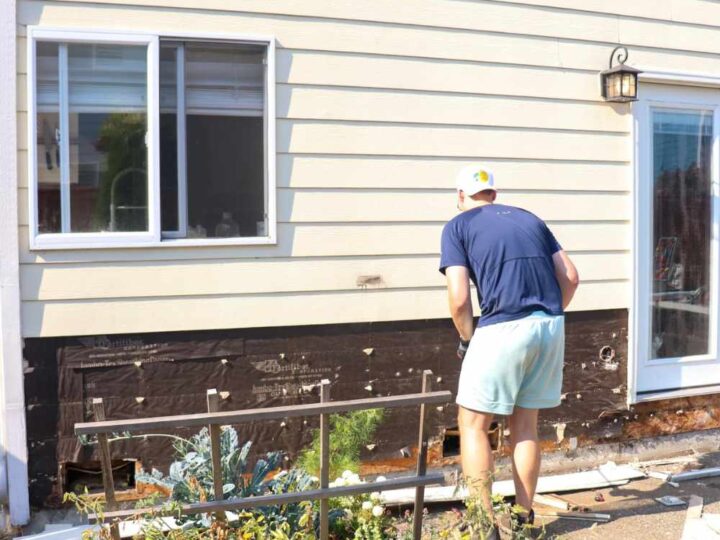
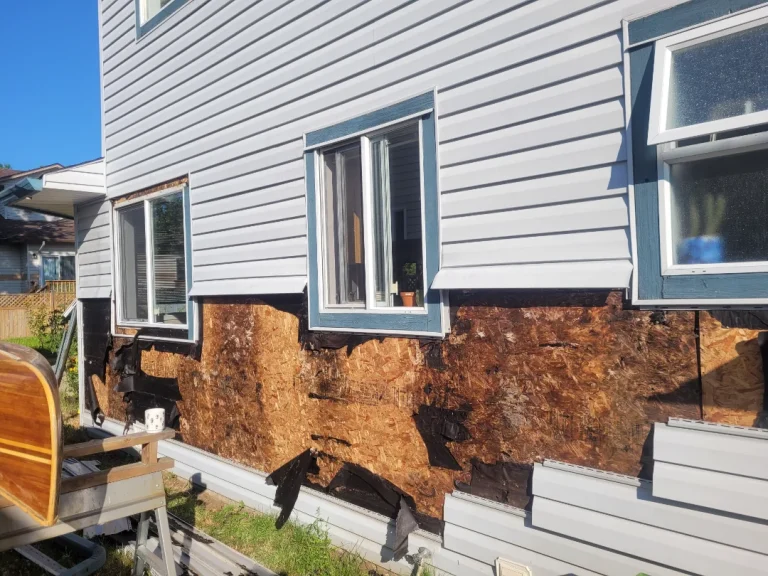
In addition to the height, the condition of the existing walls can alter the price significantly. If the installers discover rot in the sheathing once the old siding is removed, those repairs must be addressed before the new vinyl can be applied. While a reputable contractor will include a buffer for minor repairs, extensive structural issues are typically billed as an additional “change order.” This highlights the importance of having a contingency fund of at least 10% of your total project cost to handle these unforeseen structural necessities.
Labor and Installation Nuances
Labor is the most variable part of the siding equation and is heavily dependent on the expertise of the crew you hire. While a general handyman might offer a lower rate, siding specialists possess the specific tools and experience to ensure a flawless finish. Proper installation is the key to preventing “oil canning,” a term used for the wavy appearance that occurs when siding is improperly fastened. Skilled professionals understand the nuances of thermal expansion, ensuring that the panels can move freely as the weather changes from freezing to sweltering.
Furthermore, the geographic location of your property dictates the local labor laws and insurance requirements. Contractors in regions prone to hurricanes or high winds must adhere to stricter building codes, which may require specific types of fasteners or reinforced installation techniques. These regulatory requirements ensure your home remains safe during extreme weather but do add a layer of cost to the initial installation. It is always advisable to hire licensed and insured contractors who are familiar with the specific codes in your municipality.
| Project Component | Economy Level | Mid-Range Quality | Premium/Insulated |
|---|---|---|---|
| Material Cost per Square | $150 – $250 | $300 – $500 | $600 – $900 |
| Labor Cost per Square | $200 – $350 | $300 – $500 | $450 – $700 |
| Total Cost (2,500 sq ft home) | $8,750 – $15,000 | $15,000 – $25,000 | $26,250 – $40,000+ |
| Typical Lifespan | 15 – 20 Years | 25 – 40 Years | 50+ Years |
Comparing Vinyl to Other Siding Materials
To truly understand the value of vinyl, it helps to compare it against its main competitors: fiber cement and natural wood. Fiber cement, often known by the brand name HardieBoard, is highly praised for its fire resistance and aesthetic beauty. However, the material is significantly heavier than vinyl, requiring more labor-intensive installation and specialized cutting tools. Consequently, fiber cement projects can cost 30% to 50% more than a standard vinyl installation, and the material still requires periodic painting to maintain its integrity.
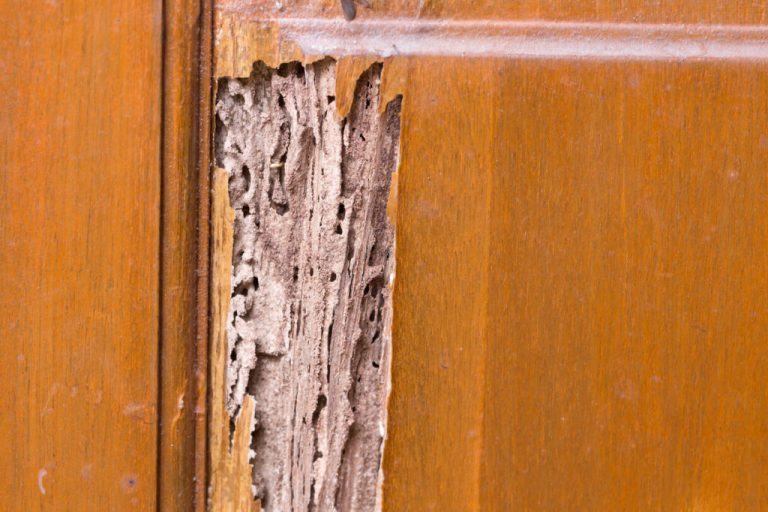
Natural wood siding, such as cedar or redwood, offers an unmatched organic look that many homeowners crave for traditional or rustic designs. Nevertheless, the cost of raw timber has fluctuated wildly in recent years, making it a very expensive option. Furthermore, wood is susceptible to rot, insect infestation, and woodpecker damage, requiring a rigorous maintenance schedule of staining or sealing every few years. When comparing these factors, vinyl often emerges as the superior choice for those who prioritize long-term convenience and predictable budgeting.
Engaging with high-end vinyl options can bridge the aesthetic gap between plastic and natural materials. Modern manufacturing techniques allow for “shingle” and “shake” vinyl patterns that are virtually indistinguishable from cedar from the street. These specialty profiles are more expensive than traditional horizontal lap siding but still represent a significant saving over real wood. They offer the best of both worlds: the timeless look of shingles with the maintenance-free lifestyle of high-grade PVC cladding.
The Hidden Costs: Removal and Disposal
When asking “how much does vinyl siding cost,” many people focus exclusively on the new materials and forget about the old ones. Removing existing siding is a labor-intensive process that involves stripping the home down to its sheathing. Depending on the material being removed—such as old wood clapboards or lead-painted shingles—this stage can be quite costly. Disposal fees at local landfills for several tons of old siding can also add several hundred dollars to the final invoice.
In some cases, it is possible to install new vinyl siding over existing wood siding, a process known as a “lay-over.” While this can save money on removal and disposal, it is generally not recommended by top-tier contractors. A lay-over can hide existing rot or pest issues, and it may lead to a bulky appearance around window and door frames. Most experts agree that a full tear-off is the best way to ensure the underlying structure of the home is sound and to maximize the lifespan of the new installation.
Additionally, the removal process provides an opportunity to inspect the “flashing” around openings. Flashing is the thin metal material that directs water away from sensitive areas like windows and chimneys. If the old flashing is corroded or improperly installed, it must be replaced to prevent future leaks. These small but vital components are often priced separately or included in a comprehensive quote, so it is critical to verify exactly what is covered in your contractor’s scope of work.
Insulated Vinyl Siding: Is the Extra Cost Worth It?
One of the most significant upgrades available in the industry today is insulated vinyl siding. This product features a layer of rigid foam backing that is permanently adhered to the vinyl panel. While this can increase the material cost by 20% to 50%, the benefits are substantial. The foam adds a layer of thermal protection, reducing “thermal bridging” where heat escapes through the wooden studs of your home. This can lead to noticeable savings on your monthly energy bills, particularly in extreme climates.
Beyond energy efficiency, insulated siding provides a much more rigid and “flat” appearance on the wall. It absorbs sound, making the interior of your home quieter by dampening outside noise from traffic or neighbors. It also has a much higher impact resistance, making it nearly immune to damage from large hailstones. For homeowners planning to stay in their property for more than a decade, the incremental cost of insulation often pays for itself through increased comfort and reduced utility expenditures.
However, it is worth noting that the installation of insulated siding is slightly more complex. The thicker panels require specialized trim and accessories to accommodate the extra depth. This means that not only are the materials more expensive, but the labor cost will also be higher. When evaluating your return on investment, consider the current R-value of your home’s walls; if your home is older and poorly insulated, the transition to an insulated siding system can be a game-changer for your indoor climate control.
Seasonal Pricing and Timing Your Project
The timing of your project can have a surprising impact on the answer to “how much does vinyl siding cost.” The siding industry is highly seasonal, with peak demand occurring in the spring and early autumn when the weather is mild. During these busy months, contractors are often booked out for weeks or months, and their pricing remains firm. If you can schedule your project during the “off-season”—typically late autumn or mid-winter in many climates—you may be able to negotiate a better rate.
Working in the winter does present challenges, as vinyl becomes more brittle in freezing temperatures. However, experienced crews know how to handle the material in cold weather to prevent cracking. Many companies offer “winter discounts” to keep their crews employed during the slower months. If you are willing to deal with the minor inconvenience of a winter construction site, you could potentially save 5% to 10% on the total labor portion of your project.
Another factor to consider is the fluctuation in raw material prices. The cost of PVC resin is tied to global supply chains and energy costs. If there is a spike in oil prices or a disruption in manufacturing, the price of siding panels can rise rapidly. It is often wise to lock in your material prices with a deposit as soon as you have decided on a contractor. This protects you from any sudden price hikes that might occur between the time you receive the estimate and the day the work actually begins.
The Role of Permitting and Inspections
Most municipalities require a building permit for a full siding replacement project. This is not just a bureaucratic hurdle; it ensures that the work is being done according to safety standards and local aesthetic guidelines. Permit fees vary wildly by city and county, typically ranging from $100 to $500 depending on the value of the project. While your contractor will usually handle the paperwork, the cost of the permit is almost always passed on to the homeowner.
Failure to obtain the proper permits can lead to significant problems down the line, especially when you try to sell your home. A savvy home inspector will notice brand-new siding and check the public records for a permit. If none is found, you may be required to pay fines or, in extreme cases, remove the siding to prove that the underlying structure and house wrap were installed correctly. Investing in the proper permits from the start provides peace of mind and legal protection for your largest asset.
In addition to city permits, if you live in a neighborhood with a Homeowners Association (HOA), you likely need their approval as well. HOAs often have strict rules regarding the colors and profiles of siding allowed in the community. Some may even prohibit certain types of vinyl in favor of more expensive materials. Navigating these regulations takes time and may involve attending board meetings. Ensure you have the written “go-ahead” from your HOA before you sign any contracts or pay for materials.
Enhancing Curb Appeal: Colors and Profiles
One of the most exciting aspects of replacing your siding is the chance to completely redefine your home’s visual identity. In the past, vinyl was criticized for its limited color palette and “plastic” look, but those days are long gone. Today, you can choose from deep, rich blues, forest greens, and even dark grays that are treated with UV-resistant coatings to prevent fading. These premium colors often carry a slightly higher price tag because of the advanced pigments used in the manufacturing process.
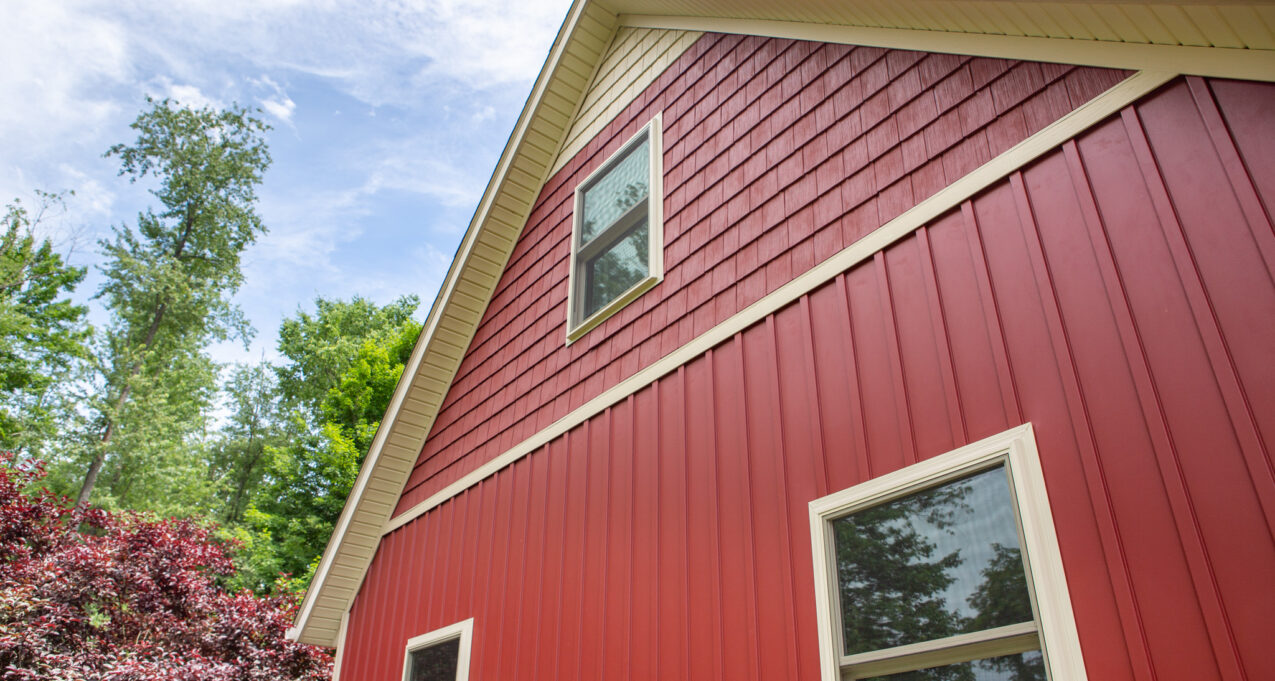
The profile of the siding refers to the shape and width of the panels. Traditional “lap” siding features horizontal boards that overlap, but you can also choose “Dutch lap,” which has a decorative groove at the top of each board for added shadow lines. Vertical siding, often called “board and batten,” is another popular choice that can give a home a modern farmhouse or contemporary look. Mixing and matching these profiles—using shingles on the gables and horizontal lap on the main walls—can create a high-end, custom look that significantly increases your home’s resale value.
However, keep in mind that every time you switch profiles or colors, the complexity of the installation increases. The installers must manage more waste material and spend more time on the transitions between different styles. While these design choices can make your home the envy of the neighborhood, they are a primary reason why the “how much does vinyl siding cost” question doesn’t have a single, simple answer. Aesthetic upgrades are an investment in the “emotional value” of your home and its attractiveness to future buyers.
The Importance of House Wrap and Underlayment
What goes underneath your vinyl siding is just as important as the siding itself. A high-quality house wrap is a non-woven, breathable fabric that prevents liquid water from reaching the wooden sheathing while allowing water vapor to escape from the inside. This is crucial for preventing mold and wood rot. Cutting corners on the underlayment to save a few hundred dollars is a classic mistake that can lead to thousands of dollars in structural damage over time.
Some contractors also recommend a layer of “fanfold” insulation, which is a thin layer of foam that levels out the surface of the walls before the siding is applied. This is particularly helpful on older homes where the walls may be slightly bowed or uneven. While fanfold insulation doesn’t offer the same R-value as fully insulated siding, it provides a smoother substrate for the new panels and adds a minor amount of thermal resistance. It is an affordable way to improve the final look and performance of a standard siding project.
Additionally, pay attention to the “taping” of the seams in the house wrap. A meticulous installer will use specialized construction tape to seal every joint and corner, creating a continuous weather barrier. This level of detail is what separates a mediocre job from a professional-grade installation. When reviewing your quotes, ask the contractors specifically about their process for moisture management; if they don’t mention house wrap or flashing, it’s a major red flag.
Soffit, Fascia, and Gutter Integration
Rarely is a siding project limited strictly to the wall panels. To achieve a truly finished look, most homeowners also replace their soffits (the underside of the roof eaves) and fascia (the trim board behind the gutters). These components are often made of aluminum or vinyl and are designed to coordinate with your new siding. Replacing them at the same time as the siding is highly efficient, as the crew already has the scaffolding in place and can ensure all the colors match perfectly.
The cost for soffit and fascia replacement is typically calculated by the linear foot. Depending on the material and the complexity of your roofline, this can add $2,000 to $5,000 to the total project cost. While it may seem like a significant extra expense, old, peeling fascia boards will look terribly out of place next to pristine new siding. Furthermore, modern soffit panels are vented, which improves the airflow in your attic and can help extend the life of your roof shingles by preventing heat buildup.
Similarly, your gutters will usually need to be removed to facilitate the siding installation. This is the perfect time to evaluate their condition. If your gutters are old, leaking, or undersized, it makes financial sense to install new seamless aluminum gutters at the same time. Many siding contractors offer “package deals” that include gutters and downspouts, as it’s easier for them to install the new system once the siding and fascia are complete. This holistic approach ensures that your home’s entire exterior drainage system is functioning at peak efficiency.
Warranties and Long-Term Protection
When you are spending five figures on a home improvement, the warranty is your safety net. Most reputable vinyl siding manufacturers offer limited lifetime warranties that cover manufacturing defects, excessive fading, and hail damage. Some warranties are even transferable to the next homeowner, which can be a strong selling point when you decide to list your property. However, it is vital to read the fine print; many warranties are voided if the siding is not installed according to the manufacturer’s exact specifications.
This is another reason why hiring a certified installer is so important. Manufacturers like James Hardie or CertainTeed have certification programs for contractors. Hiring someone with these credentials often grants you access to extended labor warranties that wouldn’t be available otherwise. A labor warranty covers the cost of fixing any issues that arise from poor workmanship, such as panels falling off in a windstorm or leaks around window frames. Typically, a good contractor will offer a 5-year to 10-year workmanship warranty on top of the manufacturer’s material warranty.
Be wary of contractors who offer “lifetime” labor warranties without a solid reputation to back them up. A warranty is only as good as the company providing it. If the contractor goes out of business in three years, that “lifetime” promise is worthless. Research the company’s history, check their ratings with the Better Business Bureau, and ask for references from projects they completed five or more years ago to see how their work has stood the test of time.
DIY vs. Professional Installation
For the ambitious DIYer, the prospect of saving thousands of dollars in labor costs by installing the siding themselves is tempting. Siding a home is a project that requires a high degree of patience and physical stamina, but it doesn’t necessarily require a master’s degree in carpentry. You will need a variety of specialized tools, including a zip tool, snap-lock punch, and a sturdy miter saw. Additionally, the sheer logistics of moving 12-foot panels and working on tall ladders can be daunting for a single person.
The biggest risk of the DIY route is the learning curve associated with “hanging” the siding. If you nail the panels too tightly, they will buckle and warp as soon as the sun hits them. If you leave too much of a gap, the panels may rattle or even blow off during a storm. There is also the issue of waste; a professional crew knows how to minimize cuts and use materials efficiently, whereas a beginner might end up wasting 15% to 20% of their materials due to mistakes. This waste can quickly eat into the savings gained by avoiding labor costs.
Furthermore, consider the time investment. A professional crew of four can often side a standard home in three to five days. A solo DIYer working on weekends might take two or three months to complete the same task. During that time, your home’s structure may be exposed to the elements, increasing the risk of water damage. If you value your time and want a guaranteed result that is backed by a warranty, the professional route is almost always the better investment for a project of this scale.
Regional Cost Variations Across the USA
The geographic location of your home is one of the most significant “unseen” factors in the cost equation. In the Northeast and the Pacific Northwest, where labor rates and insurance premiums are high, you can expect to pay at the top of the national average. In these regions, the demand for high-quality, weather-resistant siding is also greater due to the harsh winters and frequent rain, which can drive up the price of premium materials.
In contrast, homeowners in the South and Midwest often find more competitive pricing. The cost of living is generally lower, which translates to lower hourly rates for construction crews. However, in the Deep South, the intense UV index means that you should invest in higher-quality siding with better color-retention technology, which may offset some of the labor savings. Always seek out local quotes rather than relying on national calculators, as local market saturation and competition can lead to significant price swings even between neighboring cities.
Climate also dictates the “optimal” type of vinyl. For example, in coastal areas, you need siding and fasteners that can withstand salt air and high wind loads. In the desert Southwest, the focus is on heat resistance and preventing the PVC from becoming brittle. A local contractor will understand these regional nuances and recommend the specific product lines that are proven to perform in your particular environment. This local expertise is invaluable for ensuring your siding lasts for its full expected lifespan.
Financing Your Siding Replacement
Since a full siding replacement is a major expense, many homeowners look for financing options to spread the cost over several years. Most large-scale siding companies offer their own in-house financing, often with “zero interest” periods of 12 to 24 months. While convenient, these offers sometimes come with higher base prices for the project. Always compare the total cost of a “financed” project against the “cash” price to see if the interest-free period is truly a bargain.
Alternatively, many people utilize a Home Equity Line of Credit (HELOC) or a home equity loan. These options typically offer lower interest rates than credit cards or personal loans because they are secured by your home. Because siding replacement is considered a capital improvement that increases the value of the property, many lenders are happy to provide funds for this purpose. Additionally, if you are opting for insulated siding, you might qualify for energy-efficiency rebates or low-interest “green” loans through your state or local utility company.
Regardless of how you choose to pay, it is essential to have a clear contract that outlines the payment schedule. A standard arrangement involves a deposit (usually 10% to 33%), a mid-point payment, and a final payment once the job is completed and you have done a final walkthrough. Never pay the full amount upfront. Holding back the final 10% ensures that the contractor is motivated to finish the small details and clean up the job site to your satisfaction.
Final Checklist Before Signing a Contract
Before you commit to a contractor and finalize your budget, conduct a thorough final review. Ensure the estimate includes a detailed list of materials, including the brand name, product line, and color. Check that the quote explicitly mentions the removal and disposal of old siding, the installation of new house wrap, and the replacement of trim and flashing. If any of these items are missing, ask for a revised estimate that includes them to avoid “surprise” costs halfway through the build.
Ask for proof of workers’ compensation and general liability insurance. This protects you from being held liable if a worker is injured on your property or if your neighbor’s house is accidentally damaged during the installation. Finally, verify the estimated start and completion dates. While weather can cause delays, a reputable contractor should be able to provide a realistic timeframe for the work. With these precautions in place, you can move forward with confidence, knowing exactly how much your new vinyl siding will cost and what to expect from the process.
In conclusion, the journey to a beautiful new home exterior requires balancing aesthetic desires with financial realities. While the initial question of “how much does vinyl siding cost” leads down a path of many variables, the end result is an investment that protects your home, lowers your maintenance burden, and boosts your curb appeal for decades to come. By choosing high-quality materials and a skilled installation team, you ensure that every dollar spent contributes to the long-term value and integrity of your residence.