Long Term Siding Protection: A Guide to Durable Home Exteriors
The integrity of a home’s exterior is the primary defense against the relentless elements of nature. For many homeowners, the quest for a solution that combines aesthetic appeal with structural resilience leads directly to the consideration of modern cladding materials. Achieving genuine Long term siding protection requires a nuanced understanding of material science, environmental stressors, and the precise mechanics of modern installation techniques.

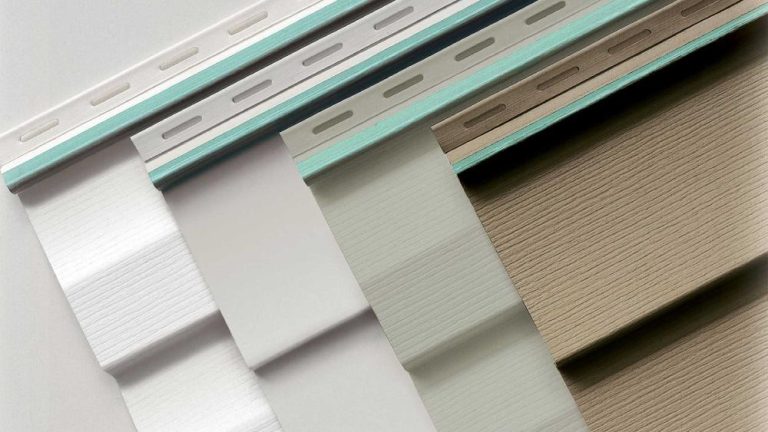
While traditional materials like wood or brick have their merits, the evolution of vinyl siding has revolutionized how we approach residential fortification. This transition is not merely about cosmetic preference but represents a calculated shift toward high-performance engineering. Consequently, homeowners are now able to invest in systems that significantly reduce maintenance cycles while enhancing the building envelope’s efficiency.
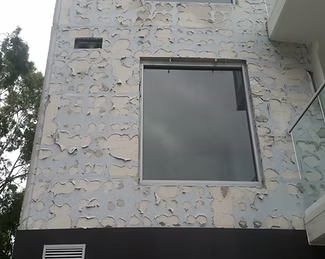
Furthermore, the decision to upgrade or replace siding is often driven by the realization that older materials are failing to provide adequate moisture barriers. Modern vinyl systems are designed to breathe, allowing internal moisture to escape while preventing external water from penetrating the structure. This balance is critical for the health of the home’s interior and the longevity of the framing members.
The Evolution of Exterior Cladding Technology
Historically, residential siding was limited to what could be harvested from the earth. Wood, stone, and clay were the standards for centuries, yet each presented unique challenges in terms of decay and maintenance. The introduction of synthetic materials in the mid-20th century marked the beginning of a new era in building science.
Early vinyl products often suffered from issues like “chalking” and cracking due to UV exposure. However, modern manufacturing has integrated advanced stabilizers that prevent these failures. Today’s high-grade vinyl is a sophisticated polymer blend that resists the oxidative processes that plagued its predecessors.
Moreover, the manufacturing process now includes co-extrusion techniques. This allows for a multi-layered panel where the outer layer is optimized for color retention and UV resistance, while the inner layer is designed for structural rigidity. This bifurcation of function ensures that the panel remains both beautiful and strong over several decades.
Decoding Material Composition and Resilience
The primary component of most modern siding is polyvinyl chloride (PVC), but the secret to its performance lies in the additives. Titanium dioxide is frequently used as a whitening agent and a UV blocker. This chemical inclusion is essential for maintaining the physical properties of the siding under the harsh glare of the sun.
In addition to UV stabilizers, impact modifiers are integrated into the polymer matrix. These additives ensure that the siding can absorb the energy from hail or accidental bumps without shattering. This flexibility is a hallmark of premium products designed for high-performance environments.
Furthermore, the gauge or thickness of the vinyl plays a vital role. While economy-grade siding may be as thin as 0.035 inches, high-end “architectural” grades can reach 0.055 inches. Thicker panels are naturally more rigid, resisting the “oil canning” or wavy appearance that can detract from a home’s curb appeal.
Long term siding protection
To ensure Long term siding protection, one must look beyond the surface level of the panels. A truly protective system involves a holistic approach that includes high-quality underlayment and precision-engineered flashing. These components work in tandem to create a redundant moisture barrier that protects the wooden substrate of the house.
Without these underlying layers, even the most expensive siding can fail to protect the home from rot. Water management is the cornerstone of longevity. By utilizing house wraps that allow vapor to pass through while blocking liquid water, homeowners can prevent the buildup of mold and mildew within the walls.
Additionally, the concept of “long term” implies a resistance to the changing seasons. The siding must be able to withstand the brutal contraction of winter and the expansion of summer without warping. This is achieved through specific installation tolerances that allow the panels to “float” on the wall, a concept often overlooked by inexperienced installers.
Thermal Expansion and Contraction Dynamics
Vinyl siding is unique because it expands and contracts significantly more than wood or fiber cement. A 12-foot panel can move by as much as half an inch depending on the temperature. If the siding is nailed too tightly to the wall, it will buckle and warp as it tries to expand.
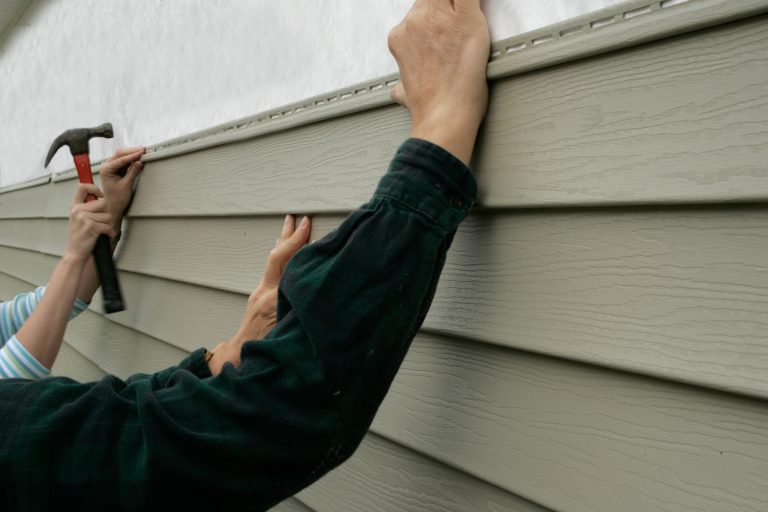
Proper installation requires the nails to be placed in the center of the pre-slotted holes. Furthermore, a small gap (usually 1/32 of an inch) should be left between the nail head and the siding. This allows the panel to slide freely back and forth as the sun heats the surface.
However, many DIY enthusiasts fail to account for this movement. When the siding is “pinned” to the wall, the internal stresses can cause the panels to crack or pull away from the trim. Professional installers understand that the wall is a living, moving entity that requires flexibility for sustained durability.
The Critical Role of Insulated Vinyl Siding
One of the most significant advancements in siding technology is the integration of rigid foam insulation. This is not merely a layer of foam placed behind the siding; it is often contoured to fit the shape of the panel. This provides a level of structural support that hollow-back siding lacks.
Insulated siding acts as a thermal break. In many homes, heat is lost through the wooden studs in a process called thermal bridging. By wrapping the entire home in a layer of foam, you effectively insulate the studs, leading to lower energy bills and a more consistent interior temperature.
Beyond energy efficiency, the foam backing significantly improves impact resistance. Because there is no hollow space behind the vinyl, the foam absorbs the force of impacts. This makes the siding much less likely to dent or crack during a severe storm or a misplaced lawnmower rock.
Impact Resistance and Storm Preparedness
In regions prone to severe weather, the ability of siding to withstand high winds and debris is paramount. Modern vinyl is tested against wind speeds exceeding 200 miles per hour in some specialized configurations. This is achieved through reinforced nailing hems and “double-stack” locking mechanisms.
The lock is the part of the siding where the top panel hooks into the bottom panel. A high-wind lock creates a much tighter seal, preventing the wind from getting behind the panels and ripping them off the wall. This structural integrity is a key component of maintaining a secure home exterior.
Moreover, the flexibility of vinyl is actually an advantage during storms. Unlike metal siding, which can dent permanently, or wood, which can splinter, vinyl is designed to flex and return to its original shape. This resilience is a major factor in the overall value proposition of the material.
Moisture Management and the Weep Hole System
Water is the primary enemy of any building structure. Even the best-installed siding will eventually face wind-driven rain that finds its way behind the panels. This is why vinyl siding is designed with a “weep hole” system at the bottom of each panel.
These small holes allow any water that collects behind the siding to drain safely away from the house. Furthermore, they facilitate airflow behind the panels. This ventilation is crucial for drying out any residual moisture that might otherwise lead to rot on the plywood sheathing.
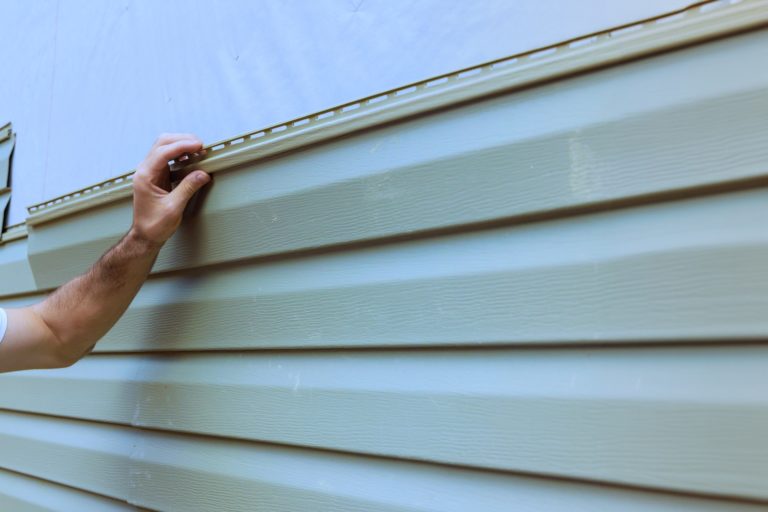
However, for the weep holes to function, the rest of the moisture management system must be intact. This includes the use of starter strips and J-channels that direct water toward the exit points. A failure in any of these small components can compromise the entire protective envelope.
| Feature | Standard Vinyl Siding | Insulated Vinyl Siding | Fiber Cement Siding |
|---|---|---|---|
| Maintenance Needs | Low (Wash only) | Low (Wash only) | Moderate (Requires paint) |
| Thermal Resistance | Low | High (R-2 to R-4) | Low |
| Impact Durability | Moderate | High | High (but brittle) |
| Moisture Barrier | Excellent drainage | Excellent drainage | Absorbs moisture if unpainted |
| Typical Lifespan | 20-40 Years | 30-50 Years | 30-50 Years |
Color Retention and Aesthetic Permanence
The visual appeal of a home is often the first thing people notice. In the past, vinyl siding was notorious for fading in the sun, especially in darker colors. This led to a “washed out” look that lowered property values over time.
Modern manufacturers use a process called “through-color” technology. Instead of the color being painted on the surface, the pigment is integrated throughout the entire thickness of the PVC. This means that if the siding is scratched, the color remains consistent rather than showing a white or grey mark underneath.
Additionally, advanced acrylic formulations are used in the top layer of high-end siding. These acrylics are much more stable than standard PVC when exposed to ultraviolet radiation. Consequently, homeowners can now choose dark blues, deep reds, and forest greens without the fear of significant fading over the first decade.
Comparative Analysis: Vinyl vs. Fiber Cement
When discussing Long term siding protection, the conversation often turns to the rivalry between vinyl and fiber cement. Fiber cement is a heavy material made from sand, cement, and cellulose fibers. While it is incredibly durable and fire-resistant, it has distinct maintenance requirements.
Fiber cement must be painted every 7 to 15 years. If the paint fails, the material can absorb water, leading to delamination and rot. In contrast, vinyl siding never needs to be painted. This “set it and forget it” aspect is a significant draw for homeowners who want to minimize future labor costs.
Moreover, the weight of fiber cement requires a much more robust installation process. It is prone to cracking during the settling of a home, whereas vinyl’s lightweight and flexible nature allows it to move with the house. Each material has its place, but for ease of long-term care, vinyl often comes out ahead.
Cost-Benefit Analysis of Replacement
Investing in new siding is a significant financial commitment. However, it is one of the highest-returning home improvement projects. According to various industry reports, homeowners can expect to recoup 70% to 80% of the cost of siding replacement in added home value.
In addition to the resale value, the reduction in maintenance costs should be factored into the equation. For a house that requires painting every five years, the cost of labor and materials over 20 years can easily exceed the cost of a full vinyl installation. This makes vinyl a fiscally responsible choice for long-term ownership.
Furthermore, the energy savings provided by insulated vinyl siding contribute to the return on investment. While the upfront cost is higher than standard vinyl, the monthly reduction in utility bills provides a steady dividend. Over the lifespan of the siding, these savings can total thousands of dollars.
Environmental Sustainability and Lifecycle
The environmental impact of building materials is a growing concern for modern homeowners. While PVC is a plastic, it is surprisingly efficient in terms of its lifecycle. Vinyl siding requires less energy to manufacture than brick or fiber cement, and its lightweight nature reduces transportation emissions.
Moreover, the longevity of the product means that it does not need to be replaced as frequently as other materials. This reduces the total volume of waste entering landfills over a 50-year period. Many manufacturers have also implemented recycling programs where old vinyl can be ground up and used in new products.
In parallel, the insulating properties of premium siding reduce the home’s overall carbon footprint. By consuming less energy for heating and cooling, the home places less demand on the local power grid. This intersection of durability and efficiency is the hallmark of modern sustainable design.
Resistance to Pests and Biological Decay
Wood siding is a banquet for various pests, including termites, carpenter ants, and woodpeckers. These biological threats can cause structural damage that is both expensive and difficult to detect until it is too late. Vinyl siding, being a synthetic polymer, offers no nutritional value to these organisms.
Similarly, vinyl is immune to rot and fungal growth. While mold can grow on the surface of vinyl if it is covered in dirt and organic debris, the mold cannot consume the material itself. A simple cleaning restores the siding to its original state without any structural compromise.
This resistance to biological decay is particularly important in humid or coastal environments. Salt air and high moisture levels can destroy wood and corrode certain metals in a matter of years. Vinyl remains unaffected by these corrosive elements, ensuring the protective shell remains intact.
Best Practices for Cleaning and Maintenance
Although vinyl is marketed as “low maintenance,” it is not “no maintenance.” To ensure the best Long term siding protection, a basic cleaning schedule should be followed. Over time, atmospheric pollutants, pollen, and dust can accumulate on the surface, potentially masking the vibrant color of the panels.
Cleaning vinyl siding is straightforward. A soft brush and a solution of mild soap and water are usually all that is required. High-pressure power washing should be used with extreme caution, as the force can drive water behind the panels or damage the locking mechanisms if directed incorrectly.
In addition to cleaning, a yearly inspection is recommended. Homeowners should look for any panels that may have come loose during a storm or areas where sealant around windows and doors might be cracking. Addressing these small issues early prevents larger problems from developing down the road.
Advanced Installation Techniques: The “Pro” Difference
The quality of the installation is just as important as the quality of the material. A professional installation begins with the preparation of the substrate. This includes removing any rotten wood and ensuring the wall is as flat as possible. Bumps in the wall will be magnified once the siding is installed.
Professionals also use specialized tools like “snap lock” punches and “trim nail” punches. These tools allow for a clean finish that hides the fasteners. The goal is a seamless appearance where every panel is securely locked but still has the freedom to move thermally.
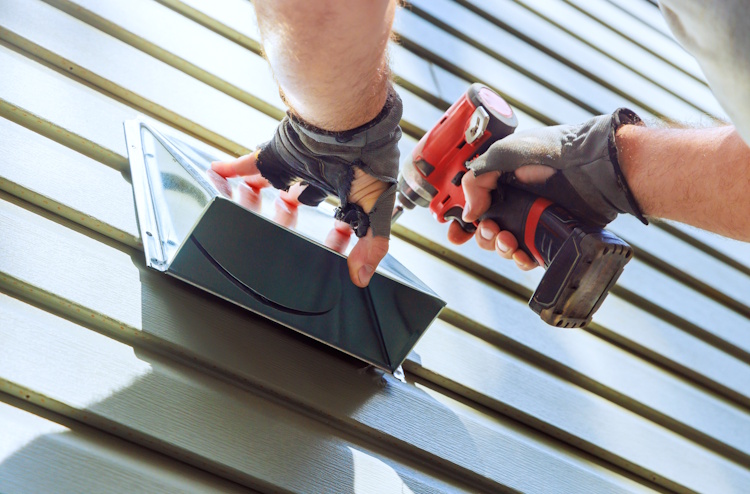
Furthermore, the use of high-quality flashing around windows and doors is non-negotiable. Most siding failures occur at these transition points. Proper “head flashing” ensures that water running down the wall is directed over the window frame rather than behind it, protecting the most vulnerable parts of the structure.
Future Innovations in Siding Materials
The industry is currently exploring the use of nanotechnology in siding coatings. These “self-cleaning” surfaces use photocatalytic properties to break down organic dirt when exposed to sunlight. Rain then simply washes the residue away, potentially eliminating the need for manual cleaning.
Another area of innovation is the development of “cool roof” technology for siding. These are pigments that reflect a high percentage of infrared light, keeping the siding—and the house—cooler in direct sunlight. This could further enhance the energy efficiency of vinyl products in hot climates.
Additionally, 3D printing and advanced molding techniques are allowing manufacturers to replicate the texture of real wood with incredible accuracy. New products are entering the market that are indistinguishable from cedar shakes or hand-scraped planks from a few feet away, combining high-end aesthetics with synthetic durability.
Regional Considerations for Siding Longevity
The ideal siding strategy varies depending on the local climate. In the American Southwest, the primary challenge is intense UV radiation and extreme heat. In these areas, prioritizing high-grade UV stabilizers and choosing lighter colors can extend the life of the product significantly.
In contrast, homeowners in the Northeast must contend with freeze-thaw cycles. Here, the focus should be on proper installation tolerances to handle the massive temperature swings. The ability of the siding to “breath” is also vital during the humid summer months to prevent moisture buildup behind the panels.
Coastal areas present a third set of challenges: salt spray and high winds. In these locations, using stainless steel fasteners and reinforced locking systems is essential. Vinyl is an excellent choice for the coast because it won’t corrode like aluminum or rot like wood when exposed to the salty air.
The Value of Manufacturer Warranties
When evaluating Long term siding protection, the warranty is a significant indicator of quality. Premium siding products often come with “Lifetime” or “Limited Lifetime” warranties. These warranties usually cover manufacturing defects like peeling, flaking, or excessive fading.
However, it is important to read the fine print. Many warranties are “pro-rated,” meaning their value decreases as the siding ages. Some are also transferable to the next homeowner, which can be a significant selling point if you decide to move. A transferable warranty provides peace of mind to the buyer and adds tangible value to the home.
Furthermore, some manufacturers offer “hail protection” as part of their warranty package. This covers the cost of material replacement if the siding is damaged by a storm. Having this extra layer of protection can save a homeowner from a massive out-of-pocket expense after a severe weather event.
Summary of Exterior Preservation Strategies
The journey toward a long-lasting and beautiful home exterior is paved with informed decisions. By choosing a high-quality vinyl product, paying for professional installation, and performing basic maintenance, a homeowner can ensure their investment remains secure for decades.
Modern siding is no longer just a cheap alternative to wood; it is a high-tech solution designed for the demands of the 21st century. It addresses the core needs of moisture management, thermal efficiency, and aesthetic versatility. Consequently, it remains the most popular cladding choice for residential properties across North America.
Ultimately, the goal is to create a home that is both a sanctuary and an asset. The right siding system provides the “Long term siding protection” necessary to achieve both. It guards the structure from the elements, enhances the interior comfort, and ensures that the home remains a source of pride for years to come.