Energy Star Vinyl Siding US: A Complete Guide to High-Efficiency Cladding
Homeowners today face a complex landscape when attempting to balance aesthetic appeal with long-term functional performance. The outer envelope of a residential structure serves as the primary defense against the elements, acting as both a physical barrier and a thermal regulator. In recent years, the push for sustainable building materials has led many to investigate the benefits of high-performance cladding. Choosing Energy star vinyl siding US products has become a strategic move for those looking to maximize their return on investment while simultaneously reducing their environmental footprint.
The evolution of exterior cladding has moved far beyond the thin, brittle plastics of the mid-twentieth century. Modern engineering has allowed manufacturers to infuse vinyl with advanced polymers and integrated insulation systems that radically alter its performance profile. These advancements are not merely cosmetic; they represent a fundamental shift in how we approach residential energy conservation. By focusing on the thermal envelope, homeowners can address one of the most significant sources of energy loss in the average American home.

Understanding the technical nuances of energy-efficient siding requires a deep dive into the physics of heat transfer and the standards set by federal agencies. It is no longer enough for a product to simply look good from the curb. It must provide a measurable improvement in the home’s ability to retain heat in the winter and reject it in the summer. This article provides an exhaustive analysis of the benefits, technical specifications, and economic implications of selecting premium vinyl cladding systems for the modern home.
The Historical Context of Vinyl Cladding in America
To appreciate the current state of Energy star vinyl siding US, one must understand the trajectory of the industry over the last sixty years. Vinyl siding was introduced in the late 1950s as a low-maintenance alternative to aluminum and wood. Initially, it struggled with issues related to thermal expansion, fading, and impact resistance. However, the energy crises of the 1970s sparked a renewed interest in materials that could assist in insulating the home more effectively.
During the 1990s and early 2000s, the manufacturing process underwent a revolution. The introduction of co-extrusion technology allowed for the creation of multi-layered panels, where the outer layer provides UV protection and the inner layer offers structural integrity. This period also saw the birth of “insulated vinyl,” a product that permanently bonds rigid foam insulation to the back of the vinyl panel. This innovation laid the groundwork for the high-efficiency products we see on the market today.
Today, the industry is governed by strict standards that ensure durability and performance. Organizations like the Vinyl Siding Institute (VSI) and various federal programs have created a framework that allows consumers to identify high-quality materials easily. This historical progression from a cheap substitute to a high-tech building component is essential for understanding why modern vinyl is a top choice for energy-conscious homeowners.
Understanding the Mechanics of Thermal Bridging
One of the primary reasons homeowners invest in Energy star vinyl siding US is to combat the phenomenon known as thermal bridging. Most homes are built with wooden studs that act as bridges for heat to escape. While fiberglass batts are placed between the studs, the studs themselves are not insulated. This means that a significant portion of the wall—roughly 25%—is essentially a highway for energy loss.
Insulated vinyl siding acts as a continuous layer of “blanket” insulation over the entire exterior of the home. By covering the studs, the siding breaks the thermal bridge, significantly increasing the overall R-value of the wall assembly. This systemic approach to insulation is far more effective than simply adding thicker batts inside the wall. It addresses the structural gaps that traditional insulation methods often ignore.
Furthermore, the air gap created between the siding and the house wrap provides an additional layer of thermal resistance. This convective barrier helps to equalize pressure and reduce moisture buildup, which is vital for the longevity of the structure. When these elements work in tandem, the result is a home that requires significantly less energy to maintain a comfortable internal temperature, regardless of the season.
Energy Star Vinyl Siding US: Defining the Standard
The term Energy star vinyl siding US refers to products that meet or contribute to the stringent requirements set by the Environmental Protection Agency (EPA). While the Energy Star program specifically certifies many appliances and windows, it also plays a critical role in the “Whole-Home” certification process. Siding that incorporates high-performance insulation is a key component in achieving these federal energy efficiency goals.
To qualify for these high-tier energy standards, the siding must demonstrate a significant reduction in heat transfer. This is measured through R-value, which quantifies the material’s resistance to conductive heat flow. Most standard vinyl siding has a negligible R-value. In contrast, insulated vinyl products can offer R-values ranging from 2.0 to 5.0, depending on the thickness and type of foam used.
Moreover, the manufacturing process for these products is often scrutinized for its environmental impact. To truly be considered “energy star” in spirit, the product must be durable enough to last for decades, reducing the need for replacement and minimizing landfill waste. This longevity is a cornerstone of the sustainability argument for modern vinyl cladding, as it represents a one-time investment with a multi-decadal lifespan.
The Role of Rigid Foam Insulation
The secret to the efficiency of Energy star vinyl siding US lies in the rigid foam backing. Usually made from Expanded Polystyrene (EPS) or Neopor, this foam is contoured to fill the profile of the vinyl panel. This prevents the panels from rattling or denting, while also providing the thermal barrier mentioned previously. Neopor, in particular, contains graphite particles that reflect radiant heat, further enhancing the material’s performance.
Rigid foam also contributes to the home’s “perm rating,” or its ability to let water vapor escape. Modern insulated siding is designed to be breathable. This ensures that moisture from inside the home does not get trapped within the wall cavity, which could otherwise lead to rot, mold, and structural degradation. Balancing insulation with breathability is a hallmark of superior engineering.
Quantifying the R-Value Advantage
When comparing different cladding materials, the R-value is the most reliable metric for performance. Standard vinyl siding typically offers an R-value of less than 1.0. Fiber cement and wood are slightly better but still lack the integrated insulation found in premium vinyl products. The following table illustrates the comparative thermal resistance of common exterior materials.
| Cladding Material Type | Average R-Value | Thermal Bridging Protection | Durability Rating |
|---|---|---|---|
| Standard Thin Vinyl | 0.61 | None | Moderate |
| Fiber Cement (Uninsulated) | 0.15 – 0.50 | None | High |
| Natural Wood Siding | 0.80 – 1.10 | Minimal | Low (High Maintenance) |
| Insulated Vinyl (Energy Star Grade) | 2.0 – 5.3 | Excellent (Continuous) | High |
Economic Benefits and Return on Investment
Investing in Energy star vinyl siding US is as much a financial decision as it is a home improvement project. The primary economic benefit is the direct reduction in monthly utility bills. By stabilizing the internal temperature, the HVAC system does not have to work as hard or cycle as frequently. Over the course of a year, these savings can amount to hundreds of dollars, effectively paying back a portion of the installation cost over time.
Beyond utility savings, high-performance siding significantly boosts the resale value of a property. Prospective buyers in the current market are increasingly focused on energy costs and maintenance requirements. A home clad in premium, insulated vinyl is seen as a “turn-key” asset. It suggests that the previous owner invested in quality, which builds trust and can lead to a higher final sale price.
Additionally, many local utility companies and even the federal government offer incentives for energy-efficient upgrades. These may come in the form of tax credits, rebates, or low-interest financing programs. Homeowners should consult the Database of State Incentives for Renewables & Efficiency (DSIRE) to see what specific financial aids are available in their region. These incentives can drastically lower the initial “sticker shock” of a premium siding project.
Regional Considerations: Performance Across US Climates
The effectiveness of Energy star vinyl siding US can vary depending on the geographic location of the home. In the Northern United States, where heating loads dominate the energy profile, the primary goal of the siding is to trap heat inside. The continuous insulation layer is incredibly effective at preventing the “seepage” of warmth through the wall studs during sub-zero temperatures.
In contrast, Southern climates deal with extreme heat and high humidity. In these regions, the siding must act as a radiant barrier and a protective shell against solar gain. High-quality vinyl panels often contain reflective pigments that bounce UV rays away from the structure. This prevents the “oven effect” that can occur when dark-colored cladding absorbs solar energy and transfers it into the living space.
Coastal regions present their own set of challenges, particularly regarding wind resistance and salt air corrosion. Premium vinyl siding is tested for high wind-load capacity, with some products rated to withstand hurricane-force winds. Unlike wood or metal, vinyl is impervious to salt air, making it an ideal choice for beachfront properties where other materials would quickly degrade or require constant painting.
Addressing the Impact of Solar Heat Gain
In warmer states, solar heat gain is a major contributor to high cooling costs. Manufacturers of Energy star vinyl siding US have developed “cool roof” equivalents for wall cladding. By utilizing infrared-reflective pigments, these panels remain cooler to the touch even in direct sunlight. This technology ensures that the color stays vibrant for years while also keeping the interior of the home more temperate.
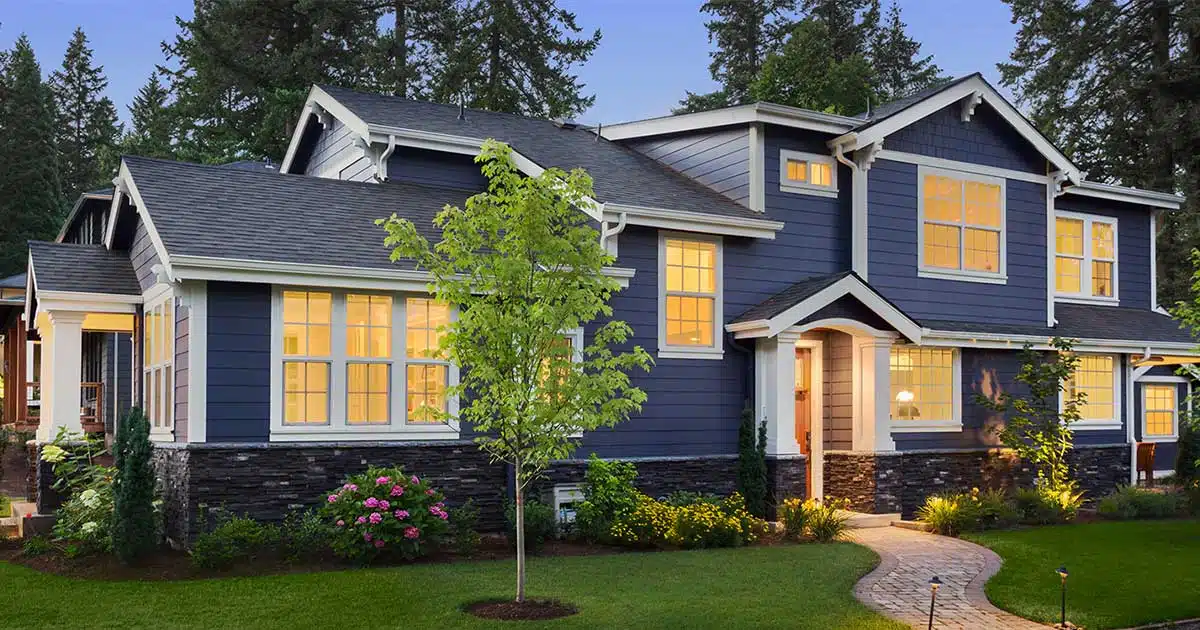
This is particularly important for darker colors, which traditionally absorbed more heat. With modern pigment technology, homeowners can choose deep blues, greys, and greens without worrying about the thermal penalties typically associated with dark exteriors. This marriage of aesthetic freedom and thermal performance is a key selling point for high-tier vinyl products.
Environmental Impact and Sustainability Profile
The environmental conversation surrounding vinyl has shifted dramatically. While plastic production was once viewed solely as a negative, a life-cycle analysis (LCA) often shows that vinyl siding is more sustainable than many alternatives. Because it is lightweight, the carbon footprint associated with transportation is significantly lower than that of heavy materials like brick or stone.
Furthermore, vinyl is a recyclable material. Many manufacturers now incorporate post-consumer and post-industrial recycled content into their products. Because the material lasts for 40 to 50 years, the total volume of waste generated over the life of a building is remarkably low. When you factor in the energy saved over that half-century, the net environmental impact is often positive.
Moreover, vinyl siding requires no painting, staining, or caulking with toxic chemicals. Wood and fiber cement require regular maintenance that involves solvents and volatile organic compounds (VOCs). By eliminating the need for these products, Energy star vinyl siding US contributes to better air quality and less chemical runoff into the local ecosystem. This “maintenance-free” aspect is a critical component of its green building credentials.
Installation Best Practices for Maximum Efficiency
Even the highest quality Energy star vinyl siding US will fail to perform if it is not installed correctly. The integrity of the thermal envelope depends on precision. Installers must ensure that the house wrap is properly integrated with the siding and that all seams are tightly fitted to prevent air infiltration. Gaps around windows, doors, and utility penetrations are common areas where energy “leaks” occur.
One common mistake in vinyl installation is “hard-nailing” the panels. Vinyl is designed to expand and contract with temperature changes. If the panels are nailed too tightly to the wall, they will buckle or crack, compromising the airtight seal. Professional installers use specialized tools and techniques to ensure the siding is “hung” rather than fixed, allowing for the necessary movement while maintaining a secure fit.
Furthermore, the use of specialized accessories like insulated corner posts and window casings is essential. These components ensure that the insulation is continuous around the entire perimeter of the home. Without these “finishing touches,” the corners of the building can become major points of thermal loss, negating some of the benefits of the insulated panels themselves.
Selecting a Certified Installer
Homeowners should look for contractors who are certified by the Vinyl Siding Institute. These professionals have undergone training in the latest installation standards and understand the complexities of energy-efficient envelopes. A certified installer will also be familiar with local building codes, which can vary significantly from state to state.
Asking for a detailed contract that specifies the R-value of the insulation and the brand of the siding is crucial. It ensures that the homeowner is actually receiving the high-performance Energy star vinyl siding US they are paying for. A reputable contractor will also provide a labor warranty in addition to the manufacturer’s product warranty, providing peace of mind for the long term.
Aesthetic Versatility and Curb Appeal
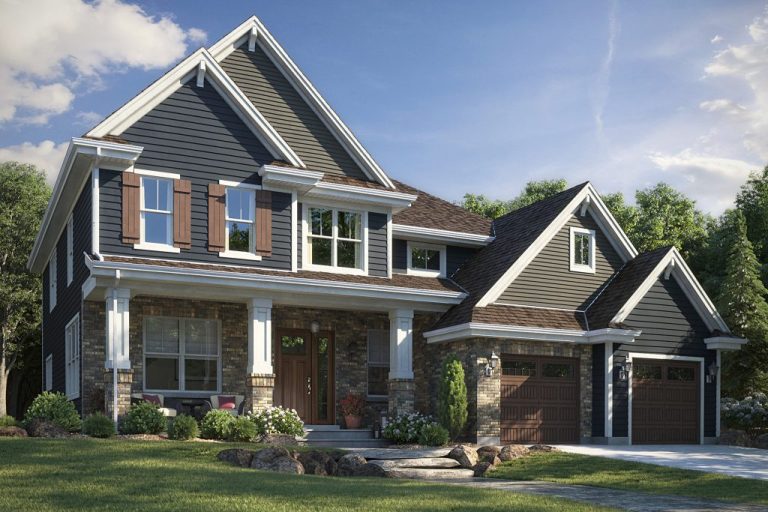
Modern vinyl siding has moved beyond the simple “lap” style. Today, homeowners can choose from a vast array of textures and profiles, including cedar shake, scallops, and vertical board-and-batten. This variety allows for the creation of sophisticated architectural designs that were once only possible with expensive natural materials. The result is a home that looks high-end but performs with modern efficiency.
The depth of the profiles in Energy star vinyl siding US also adds to the aesthetic value. Because these panels are backed by rigid foam, they have a “thicker” appearance that mimics the shadow lines of real wood. This eliminates the “flat” or “plastic” look often associated with cheap siding. The structural backing also ensures the panels remain perfectly straight on the wall, hiding imperfections in the home’s framing.
Color retention is another area where modern vinyl excels. Advanced UV inhibitors are integrated into the polymer mix, preventing the chalking and fading that plagued older products. Many manufacturers offer lifetime “fade protection” warranties, ensuring that the home remains as vibrant as the day the siding was installed. This long-term beauty is a key component of the overall value proposition.
The Board and Batten Renaissance
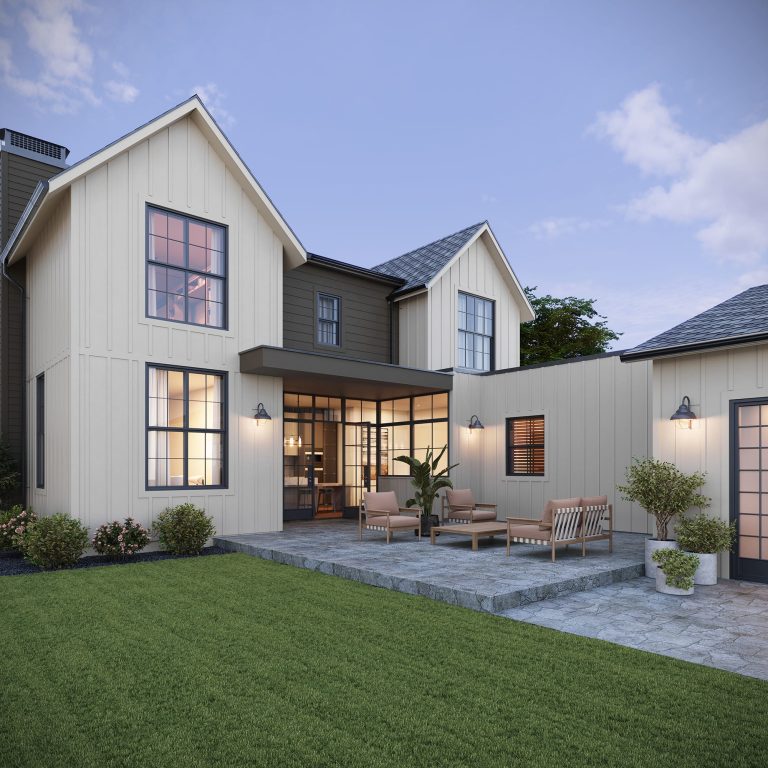
In recent years, the vertical “board and batten” look has seen a massive surge in popularity across the US. This style is often used to accentuate gables or to provide a modern farmhouse aesthetic. High-efficiency vinyl manufacturers have responded by creating insulated vertical panels that offer the same thermal benefits as traditional lap siding. This allows homeowners to achieve trendy designs without sacrificing energy performance.
Mixing and matching different textures—such as using shake in the gables and lap on the main body of the house—creates visual interest and can make a home stand out in the neighborhood. Because all these components can be sourced as part of an integrated Energy star vinyl siding US system, the thermal integrity of the home remains consistent across different styles.
Maintenance and Longevity of High-Performance Vinyl
The ease of maintenance is perhaps the most famous benefit of vinyl cladding. Unlike wood, which must be scraped and painted every five to seven years, vinyl only requires an occasional wash with a garden hose and mild detergent. This lack of maintenance represents a significant saving in both time and money over the lifespan of the home.
The durability of Energy star vinyl siding US is also noteworthy. It is resistant to pests, such as termites and carpenter ants, which can cause thousands of dollars in damage to wood-based siding. It is also impervious to rot and moisture-related decay. In many ways, vinyl is the most “set-it-and-forget-it” material available for residential exteriors.
Most premium vinyl products come with limited lifetime warranties. These warranties are often transferable to the next homeowner, which is a major selling point during a real estate transaction. Knowing that the exterior of the home is guaranteed against manufacturing defects, hail damage, and excessive fading provides a level of security that other materials simply cannot match.
Common Myths and Misconceptions Debunked
Despite its advancements, several myths persist regarding vinyl siding. One of the most common is that vinyl is “cheap” or “flimsy.” While this may have been true of entry-level products decades ago, modern Energy star vinyl siding US is a heavy-duty, engineered building material. The addition of foam backing makes the panels incredibly rigid and resistant to impact from hail or stray baseballs.
Another misconception is that vinyl is harmful to the environment during a fire. While all materials release gases when burned, vinyl actually has a high ignition temperature and is often self-extinguishing once the heat source is removed. It is also important to note that the primary fuel in most house fires is the interior contents (furniture, curtains), not the exterior cladding.
Finally, some believe that vinyl siding “traps” moisture and causes rot. In reality, when installed with a proper drainage plane and house wrap, vinyl is one of the best-ventilated cladding systems. The weep holes at the bottom of each panel allow any incidental moisture to escape, while the air gap facilitates drying. Modern building science has largely solved the moisture issues that occasionally occurred in the early days of the industry.
The Future of Energy Star Vinyl Siding US
As we look toward the future, the integration of technology into building materials will only accelerate. We are already seeing the development of “smart” siding that can monitor humidity levels within the wall cavity or incorporate thin-film solar cells. While these are currently in the experimental phase, they represent the next frontier for Energy star vinyl siding US.
The push for “Net Zero” homes will also drive innovation in R-values. We can expect to see even thicker insulation profiles and the use of advanced materials like aerogel to provide even greater thermal resistance without increasing the bulk of the panels. The goal is to create a building envelope that is so efficient the home requires almost no external energy for heating or cooling.
Furthermore, as 3D printing and digital manufacturing become more common, the level of architectural detail available in vinyl will reach new heights. We may soon see custom-printed textures that are indistinguishable from historic masonry or rare hardwoods, all while maintaining the energy efficiency and low maintenance of high-performance vinyl. The future of residential cladding is bright, and vinyl is at the forefront of that evolution.
Conclusion: Making an Informed Decision
Choosing the right exterior for your home is a multifaceted decision that involves weighing costs, aesthetics, and performance. Energy star vinyl siding US stands out as a premier solution that addresses all these factors simultaneously. It offers a unique combination of high thermal resistance, low maintenance, and long-term durability that is hard to find in other materials.
By understanding the science of the thermal envelope and the importance of professional installation, homeowners can ensure they are making a wise investment. The shift toward energy efficiency is not just a trend; it is a fundamental change in how we build and maintain our homes in an era of rising energy costs and environmental awareness. High-performance vinyl is a cornerstone of this movement.
Ultimately, the best cladding system is one that protects the structural integrity of the home while providing a comfortable and beautiful living environment. With the advancements in Energy star vinyl siding US, homeowners no longer have to choose between style and substance. They can have a home that looks stunning from the street and performs flawlessly behind the scenes, providing value for many years to come.