Top Rated American Siding Companies: 2024 Expert Guide to Vinyl
Choosing the right exterior cladding for a home is a decision that balances aesthetic appeal, long-term durability, and financial investment. In the United States, the siding market has evolved from simple wood planks to sophisticated engineered systems designed to withstand extreme weather conditions. Homeowners searching for the top rated American siding companies often find themselves navigating a sea of marketing jargon and conflicting reviews. However, the quality of a siding installation is determined by both the material manufactured and the precision of the contractor performing the work.
The American housing market relies heavily on vinyl siding due to its cost-effectiveness and low maintenance requirements. Modern manufacturing processes have significantly improved the color retention and impact resistance of these materials. Consequently, the gap between premium vinyl products and more expensive alternatives like fiber cement has narrowed. Understanding the nuances of these products requires a deep dive into the brands that have shaped the industry over several decades.
When you begin the journey of a vinyl siding replacement, the focus should be on the intersection of engineering and design. The industry is currently dominated by a handful of massive entities that produce a wide range of product lines catering to different budget tiers. Identifying the top rated American siding companies means looking beyond the sticker price to evaluate the warranty terms, the thickness of the panels, and the thermal properties of the systems they offer.
The Evolution of Vinyl Siding in American Architecture
Vinyl siding first emerged in the 1950s as an alternative to aluminum siding, which was prone to denting and scratching. Early iterations were often criticized for being brittle and fading quickly under the harsh American sun. However, the introduction of polyvinyl chloride (PVC) combined with specialized UV inhibitors changed the landscape of the industry forever. Today, high-quality vinyl is engineered to flex with temperature changes without cracking or warping.
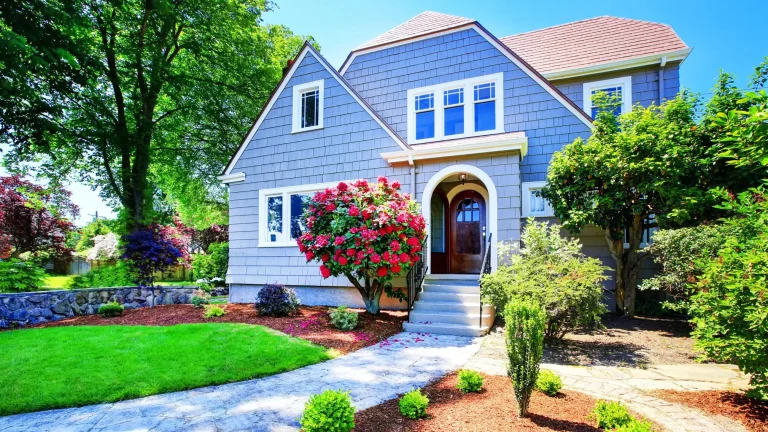
The architectural shift toward traditional aesthetics has also influenced siding production. Manufacturers now offer profiles that mimic the look of hand-split cedar shakes, traditional clapboard, and even stone. This versatility allows homeowners to achieve a high-end look without the recurring costs of painting or staining. Furthermore, the development of dark, rich pigments that do not absorb excessive heat has expanded the color palettes available to modern designers.
In addition to aesthetics, the structural integrity of vinyl siding has seen remarkable improvements. Double-hem mounting systems and reinforced nail fins now allow panels to stay secured during hurricane-force winds. This engineering prowess is a primary reason why certain brands consistently rank among the top rated American siding companies. They prioritize the structural safety of the home just as much as its visual curb appeal.
Understanding Material Thickness and Grades
Not all vinyl siding is created equal, and the thickness of the panel is the most significant indicator of quality. Standard “builder grade” siding typically measures around 0.040 inches thick, which is susceptible to sagging and impact damage. In contrast, premium panels often range from 0.046 to 0.050 inches. This additional thickness provides a more rigid profile that hangs straighter on the wall and resists the “wavy” appearance common in cheaper installations.
Furthermore, thicker panels are better equipped to handle thermal expansion. Since PVC expands and contracts as temperatures fluctuate, a thicker material maintains its shape more effectively over time. Professional contractors often recommend opting for the thickest possible grade within a budget to ensure the longevity of the vinyl siding replacement. This minor upfront investment can prevent costly repairs or premature replacement a decade down the line.
Impact resistance is another critical factor influenced by the chemical composition of the vinyl. High-quality manufacturers incorporate acrylic modifiers that allow the siding to absorb the energy of a hailstone or a stray baseball without shattering. When evaluating top rated American siding companies, always look for ASTM (American Society for Testing and Materials) certifications that verify the product’s performance under stress.
Top Rated American Siding Companies
Selecting a manufacturer involves comparing product lines that span from entry-level utility to luxury architectural systems. The most reputable brands in the United States have established themselves through rigorous testing and a commitment to innovation. These companies not only provide the raw materials but often offer certification programs for installers to ensure their products are applied correctly. This dual focus on product and process is what separates industry leaders from their competitors.
CertainTeed is frequently cited as a gold standard in the siding industry. Their Monogram and CedarBoards lines are particularly popular among homeowners seeking a realistic wood-grain texture. CertainTeed has invested heavily in “TrueColor” technology, which ensures that their dark hues remain vibrant for decades. Their comprehensive warranty programs further solidify their position as one of the top rated American siding companies, providing peace of mind for long-term investments.
Another titan in the industry is Alside, known specifically for their Charter Oak line. This product features a proprietary “TriBeam” structural system that provides exceptional rigidity and wind resistance. Alside has a massive distribution network across North America, making their products easily accessible for vinyl siding replacement projects. Their focus on energy efficiency, particularly through their Prodigy insulated siding, helps homeowners reduce their carbon footprint while lowering utility bills.
Ply Gem, the parent company of the Mastic brand, offers one of the most extensive catalogs in the business. They provide everything from traditional lap siding to sophisticated vertical board and batten styles. Mastic products are often the choice of professional contractors due to their ease of installation and consistent quality control. For homeowners searching for top rated American siding companies that offer a balance of price and performance, Ply Gem is a formidable contender.
The Role of James Hardie and Fiber Cement
While this analysis focuses on vinyl, it is impossible to discuss the top rated American siding companies without mentioning James Hardie. Although they specialize in fiber cement, they have pushed the entire siding industry to improve. Fiber cement is composed of sand, cement, and cellulose fibers, making it fire-resistant and extremely durable. It provides a level of realism that vinyl struggles to match, though it requires more maintenance, such as periodic painting.
However, for many homeowners, the cost and labor involved with fiber cement make vinyl a more attractive option. The innovations led by James Hardie have forced vinyl manufacturers to develop “luxury vinyl” lines that mimic the thick shadows and heavy profiles of fiber cement. Consequently, the competition between these material types has resulted in better products for the average consumer. Most top rated American siding companies now offer multiple material types to capture different segments of the market.
Choosing between fiber cement and vinyl often comes down to the local climate and the homeowner’s long-term plans. Fiber cement excels in areas prone to wildfires or extreme heat, whereas vinyl is often superior in regions with high humidity where wood-based products might rot. When performing a vinyl siding replacement, homeowners should consider if the structural benefits of fiber cement justify the significant increase in installation costs.
Critical Features of Modern Vinyl Siding Systems
Modern siding is more than just a protective skin for a house; it is a complex system designed to manage moisture and airflow. One of the most important features to look for is the locking mechanism. High-end panels feature a “rollover” nail hem that provides a double layer of thickness where the siding is attached to the wall. This increases the pull-through resistance, ensuring the siding doesn’t blow off during high-wind events.
Moisture management is another vital aspect of a successful vinyl siding replacement. Since vinyl is not airtight, it allows for a certain amount of drainage behind the panels. Top rated American siding companies design their profiles with “weep holes” that allow condensation to escape. Furthermore, the use of a high-quality house wrap underneath the siding is non-negotiable for preventing mold and rot in the wooden wall sheathing.
Color technology has also taken a quantum leap forward. In the past, dark-colored vinyl was notorious for warping because it absorbed too much infrared heat. Modern manufacturers now use “cool roof” pigments that reflect a higher percentage of solar energy. This keeps the siding cooler to the touch and prevents the thermal distortion that plagued the industry in previous decades. This technological advancement is a hallmark of the top rated American siding companies.
Insulated Siding: The Energy Efficiency Factor
Insulated vinyl siding features a layer of rigid foam insulation permanently bonded to the back of the panel. This design offers several advantages over traditional hollow-backed siding. First, it increases the R-value of the exterior walls, which reduces thermal bridging. Thermal bridging occurs when heat escapes through the wooden studs of a house; by wrapping the entire home in a layer of foam, this heat loss is significantly mitigated.
In addition to energy savings, insulated siding provides a more substantial feel to the home’s exterior. It absorbs sound, making the interior of the house quieter, and it creates a flatter, more even wall surface. Many top rated American siding companies offer insulated versions of their most popular profiles. While the initial cost of an insulated vinyl siding replacement is higher, the long-term energy savings and improved comfort often justify the expense.
Moreover, the foam backing provides structural support to the vinyl panel itself. This makes the siding much more resistant to dents from hail or lawn equipment. For homeowners living in regions with extreme temperature swings, the added stability of insulated siding is a significant benefit. It prevents the “oil canning” or wavy effect that can sometimes occur when thin vinyl expands in the summer heat.
Comparing Top American Siding Brands
When evaluating the marketplace, it is helpful to look at the specific strengths of the major players. Each company has a unique selling proposition that might make them more suitable for a particular project. The following table provides a high-level comparison of the features offered by some of the most prominent names in the industry.
| Manufacturer | Flagship Product | Key Strength | Average Thickness |
|---|---|---|---|
| CertainTeed | Monogram | Widest color selection and textures | 0.046″ |
| Alside | Charter Oak | Exceptional rigidity and wind resistance | 0.046″ |
| Ply Gem (Mastic) | Quest | Vibrant colors and durable locking systems | 0.046″ |
| Royal Building Products | Estate | Low maintenance and UV resistance | 0.044″ |
| Kaycan | Richmond | Sustainable manufacturing processes | 0.042″ |
As illustrated in the table, there is a general consensus among top rated American siding companies regarding the optimal thickness for premium panels. Most hover around the 0.046-inch mark, which offers a balance of durability and ease of handling for the installers. Choosing a product within this range ensures that the vinyl siding replacement will look professional and stand up to the elements for thirty years or more.
Furthermore, the variety of textures available today is staggering. From smooth modern finishes to deeply embossed wood grains, the aesthetic possibilities are nearly endless. When selecting a brand, it is important to view physical samples in various lighting conditions. A color that looks great in a showroom might look completely different on a two-story wall under direct sunlight.
The Importance of Local Installation Expertise
Even the highest quality material from the top rated American siding companies will fail if it is not installed correctly. Siding installation is a craft that requires an understanding of how materials move. Unlike fiber cement or wood, vinyl should never be nailed tight to the wall. It must be “hung” on the nails to allow it to slide back and forth as it expands and contracts with the weather.
A common mistake in vinyl siding replacement is over-nailing, which causes the siding to buckle and warp. Professional installers use specialized tools and techniques to ensure that every panel has the room it needs to breathe. Consequently, when searching for a contractor, homeowners should look for those who are certified by the Vinyl Siding Institute (VSI). This certification ensures the installer has been trained in the latest industry standards.
In addition to the main panels, the “trim out” phase is where a quality job is truly defined. This includes the installation of soffit, fascia, and J-channels around windows and doors. Poorly installed trim is the primary entry point for water and pests. A top-tier siding company will pay meticulous attention to these details, ensuring that the home is not only beautiful but also watertight.
Financial Considerations and ROI
A vinyl siding replacement is one of the most significant investments a homeowner can make, but it also offers one of the highest returns on investment (ROI). According to various industry reports, homeowners can expect to recoup between 65% and 75% of the project cost in added home value. This makes it a much more lucrative upgrade than interior renovations like bathroom or kitchen remodels.
The cost of the project is influenced by several factors, including the size of the home, the complexity of the architecture, and the specific product chosen. While it may be tempting to go with the lowest bid, this often results in the use of inferior materials or rushed labor. Top rated American siding companies often have higher price points, but their products last twice as long as budget alternatives. This long-term durability drastically reduces the “cost per year” of the siding.
Furthermore, many of these manufacturers offer transferable warranties. If you decide to sell your home, the warranty can be passed on to the new owner, which is a major selling point. A lifetime warranty from a reputable brand like CertainTeed or Alside adds significant credibility to the quality of the home. Prospective buyers are often willing to pay a premium for a house that they know will not require exterior maintenance for decades.
Financing and Incentives for Siding Projects
Many homeowners utilize financing options to manage the cost of a full vinyl siding replacement. Large manufacturers often partner with lending institutions to offer low-interest rates or “same as cash” programs. Additionally, certain energy-efficient siding products may qualify for federal or state tax credits. These incentives can help offset the higher cost of premium or insulated siding options.
It is also worth checking with local utility companies for rebates. Some providers offer financial incentives for upgrades that improve a home’s thermal envelope. By combining these financial tools, homeowners can often afford a higher grade of material from one of the top rated American siding companies than they initially thought possible. This strategic approach to financing ensures the best long-term outcome for the property.
Always ensure that the contract with the siding company is detailed and transparent. It should outline the specific brand and line of siding being used, the scope of the prep work, and the disposal of old materials. A reputable company will never hesitate to provide a written estimate that covers all potential contingencies. This transparency is a key indicator of a professional and trustworthy service provider.
Design Trends in American Siding
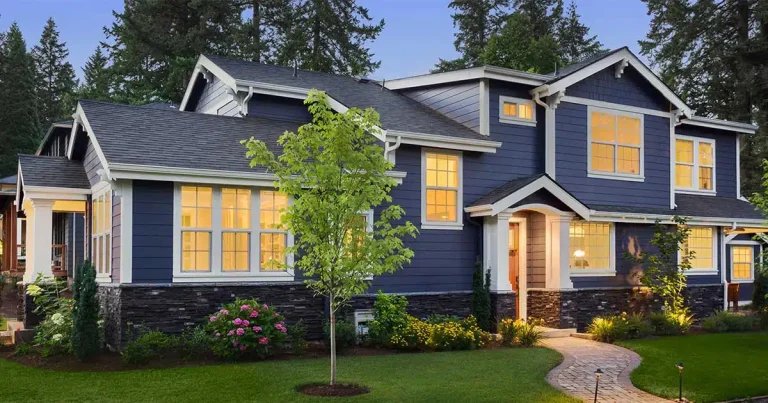
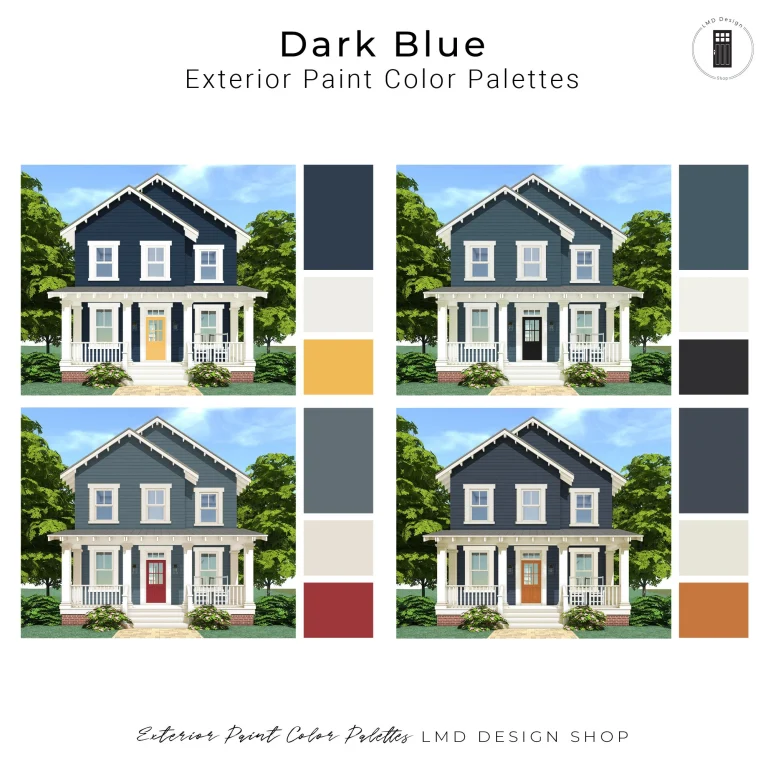
The aesthetic preferences for American homes are shifting away from the bland pastels of the 1990s toward bold, high-contrast designs. Deep blues, charcoal grays, and forest greens are currently very popular. These colors create a striking look, especially when paired with white or light gray trim. Because the top rated American siding companies have mastered color-fast technology, homeowners can now choose these dark shades with confidence.
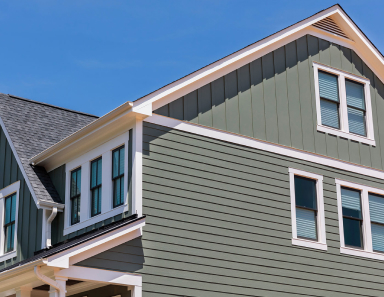
Another growing trend is the use of mixed materials. Many designers are combining traditional horizontal lap siding with vertical “board and batten” sections or stone veneer accents. This adds visual interest and breaks up the monotony of large wall surfaces. Vinyl manufacturers have responded by creating accessory lines that make these transitions seamless and easy to install. A vinyl siding replacement project is the perfect time to rethink the entire architectural identity of a home.
Texture also plays a vital role in modern siding design. The industry has moved toward “low-gloss” finishes that mimic the appearance of painted wood rather than the shiny plastic look of the past. Some premium lines even incorporate “variegated” colors, where different shades are blended within a single panel to create the natural irregularities of real cedar. This level of detail is why modern vinyl is often indistinguishable from high-end natural materials from a distance.
The Rise of “Modern Farmhouse” Aesthetics
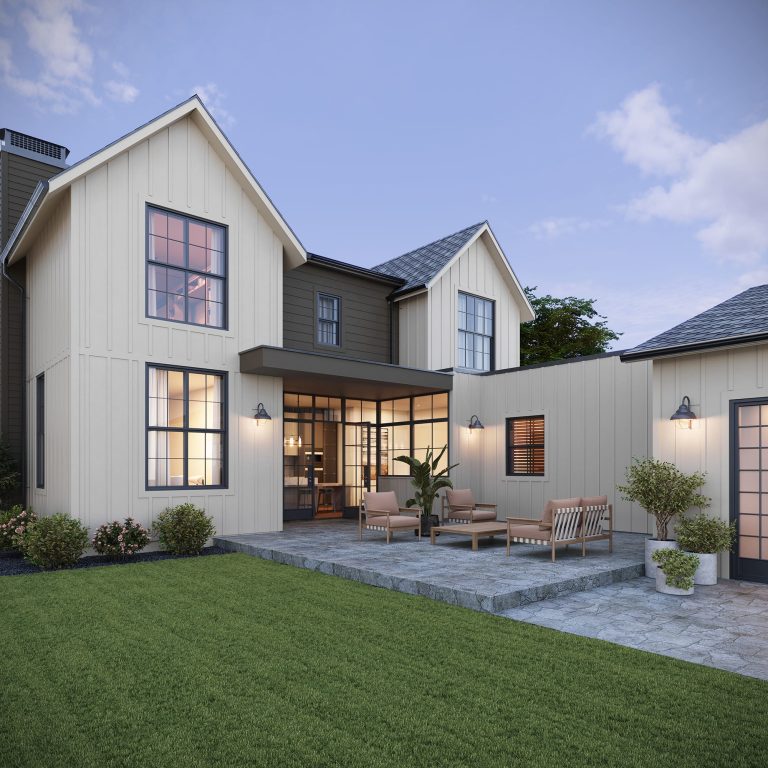
The “Modern Farmhouse” style has dominated American residential design for several years, and siding plays a central role in this look. This style typically features white vertical siding with black window frames and trim. Achieving this look requires a high-quality “board and batten” vinyl product that can maintain its crisp, clean lines. Top rated American siding companies have expanded their vertical siding offerings specifically to meet this demand.
Vertical siding is more difficult to install than horizontal panels because it requires a different structural setup for the nail hem. However, when done correctly, it provides a sense of height and elegance to a structure. It is also an excellent choice for accent walls or gables. Homeowners looking to modernize their curb appeal often find that a strategic vinyl siding replacement using vertical elements is the most impactful change they can make.
Furthermore, the hardware and accessories used in these projects have become more sophisticated. Oversized corner posts, decorative window mantels, and custom crown moldings are all now available in vinyl or cellular PVC. These elements allow for a level of customization that was previously only available through expensive custom carpentry. The result is a home that looks architecturally significant without the massive price tag of traditional materials.
Sustainability and the Environmental Impact of Siding
In the modern era, environmental considerations are at the forefront of many homeowners’ minds. There is a common misconception that vinyl is inherently “bad” for the environment because it is a plastic. However, when analyzed over its entire lifecycle, vinyl siding is actually one of the most sustainable cladding options available. This is primarily due to its longevity and the fact that it requires no painting, staining, or toxic cleaning chemicals.
Top rated American siding companies have also made significant strides in their manufacturing processes. Many plants now operate with near-zero waste, recycling every scrap of vinyl back into the production line. Additionally, the lightweight nature of vinyl reduces the carbon footprint associated with transportation. When compared to the heavy energy demands of manufacturing brick or the high maintenance of wood, vinyl holds up well in a sustainability audit.
Furthermore, vinyl is increasingly being recycled at the end of its life. While the infrastructure for consumer-level siding recycling is still developing, many professional contractors take old siding to specialized facilities where it is ground up and turned into new products like underground pipes or flooring. As the industry moves toward a “circular economy,” the top rated American siding companies are leading the way in developing these green initiatives.
The Benefits of Reduced Maintenance
One of the most overlooked “green” benefits of a vinyl siding replacement is the elimination of paints and solvents. Most other siding materials require repainting every five to seven years. Paint manufacturing and the subsequent off-gassing of Volatile Organic Compounds (VOCs) have a notable environmental impact. By choosing a pre-finished vinyl product, you eliminate this cycle entirely.
Maintaining vinyl is a simple process that typically only involves water and a mild detergent. This prevents harsh chemicals from leaching into the soil around the home’s foundation. For busy families, the time saved on maintenance is perhaps the greatest benefit. Instead of spending weekends scraping and painting, homeowners can enjoy their homes, knowing the exterior is protected by a durable, low-maintenance shield.
Longevity is the ultimate form of sustainability. A product that lasts fifty years is inherently better for the planet than a product that must be replaced every fifteen. By investing in a premium line from one of the top rated American siding companies, you are ensuring that your home’s exterior will not end up in a landfill for a very long time. This durability is a key pillar of responsible homeownership in the 21st century.
Addressing Common Concerns: Wind and Weather
In regions prone to severe weather, the wind resistance of siding is a primary concern. High winds can create a vacuum effect that pulls siding panels off the wall. To combat this, top rated American siding companies have engineered “hurricane-locking” systems. These designs feature a reinforced hem that grips the nail head more tightly, allowing the siding to withstand winds exceeding 200 miles per hour.
Rain is another factor that requires careful management. Vinyl siding is designed to be “water-shedding” rather than “water-tight.” This means that while it stops the vast majority of rain from reaching the house, it is built to allow the wall to dry out if moisture does get behind the panels. This “breathability” is essential for preventing wood rot in the structural components of the home.
Proper flashing is the unsung hero of a vinyl siding replacement. Flashing is the thin material installed around windows, doors, and rooflines to direct water away from the wall. A professional siding contractor will use custom-bent aluminum flashing to ensure these critical junctions are protected. Without proper flashing, even the best siding from the top rated American siding companies will not prevent water damage.
Hail Resistance and Impact Technology
Hail can be devastating to exterior surfaces, and older vinyl siding was prone to cracking under the impact. However, modern engineering has introduced “impact modifiers” into the PVC mix. These additives give the vinyl a degree of flexibility, allowing it to bounce back from small impacts rather than shattering. This is a crucial feature for homeowners in the Midwest and other hail-prone regions.
When shopping for siding, look for the “Impact Resistance” rating on the product data sheet. Some manufacturers offer specialized “hail-proof” warranties that provide additional coverage for impact damage. This level of protection is a hallmark of the top rated American siding companies. It demonstrates a confidence in their product’s ability to withstand the realities of unpredictable weather patterns.
Furthermore, the thickness of the panel plays a role here as well. A 0.046-inch panel has much more structural integrity than a 0.040-inch panel. When a hailstone hits a thicker panel, the force is distributed over a larger area, reducing the likelihood of a puncture. This is another reason why experts consistently recommend choosing premium grades for a vinyl siding replacement.
Warranty and Long-Term Peace of Mind
The strength of a warranty is often the best indicator of a manufacturer’s confidence in their product. Most top rated American siding companies offer a “Lifetime Limited Warranty” on their premium lines. However, it is important to read the fine print. These warranties typically cover manufacturing defects, such as excessive fading, peeling, or cracking, but they do not usually cover damage from improper installation or “acts of God.”
A key feature to look for is a “non-prorated” warranty. This means that the level of coverage does not decrease as the siding gets older. Some cheaper brands will only cover a fraction of the replacement cost after ten or twenty years. In contrast, the top rated American siding companies provide 100% coverage for as long as you own the home. This distinction can save you thousands of dollars if a defect ever arises.
Transferability is another crucial aspect. A “one-time transferable” warranty allows the next homeowner to enjoy the same protections you had. This is a significant asset when listing a home for sale. It reassures the buyer that the vinyl siding replacement was done with high-quality materials and that the manufacturer stands behind the product. It effectively turns your siding into a long-term insurance policy for the home’s exterior.
Fading and Color Protection Guarantees
One of the most common complaints about old vinyl was that it faded unevenly, especially on the sunny side of the house. Modern top rated American siding companies use advanced UV inhibitors to prevent this. Many now offer specific “Fade Protection” guarantees, which state that the siding will not change color by more than a certain number of “Hunter units” over a set period of years.
This color stability is achieved through “Capstock” technology. This involves co-extruding two layers of vinyl: a strong inner core for structural integrity and a highly pigmented outer layer for color and UV resistance. This dual-layer approach ensures that the color is baked into the material rather than just being a surface coating. Consequently, even if the siding is scratched, the color remains consistent throughout the panel.
When discussing a vinyl siding replacement with a contractor, ask about the specific color warranty of the chosen brand. Companies like CertainTeed and Mastic are industry leaders in this regard, often providing 25-year to 50-year fade protection. This ensures that your home will look just as vibrant in a decade as it does on the day the installation is completed.
Choosing the Best Contractor for the Job
While the focus is often on the materials, the contractor you hire is the most important variable in the success of your project. A poor installer can make the products from top rated American siding companies look terrible and fail prematurely. Therefore, the vetting process for a contractor should be just as rigorous as the selection of the siding itself. Start by asking for local references and checking online reviews specifically for siding projects.
A qualified contractor should be licensed, insured, and able to provide a detailed project timeline. They should also be familiar with the specific requirements of the siding brand they are installing. Many top rated American siding companies have “preferred contractor” programs. These installers have undergone factory training and are often able to offer extended labor warranties that independent contractors cannot.
During the consultation, pay attention to how the contractor talks about the “preparatory phase.” A quality vinyl siding replacement involves more than just nailing up new panels. It requires inspecting the underlying wood for rot, installing proper house wrap, and ensuring all window and door flashings are up to code. If a contractor plans to “side over” your old wood siding without an inspection, it is a major red flag.
Questions to Ask Your Siding Installer
Before signing a contract, ask the following questions to ensure you are working with a professional. First, ask how they handle corners and window transitions. Do they use standard J-channels, or do they offer wide-face trim for a more custom look? Second, ask about their nailing technique. They should be able to explain that vinyl must be hung loosely to allow for expansion. If they say they nail it tight to prevent rattles, they do not understand the material.
Third, ask about their cleanup process. Siding projects generate a lot of waste, including thousands of small vinyl scraps and old nails. A professional crew will use a “magnetic sweep” to ensure your yard and driveway are safe for children and vehicles. Finally, ask about their labor warranty. The manufacturer’s warranty only covers the material; the contractor should provide a separate warranty (typically 2-10 years) covering their workmanship.
By partnering with a knowledgeable professional, you ensure that the high-quality products from the top rated American siding companies perform exactly as they were engineered to. This synergy between product and professional installation is the secret to a successful exterior renovation. It protects your investment and ensures your home remains a source of pride for years to come.
Conclusion: The Long-Term Value of Quality
Investing in a vinyl siding replacement is about more than just aesthetic improvement; it is about protecting your most valuable asset. By selecting one of the top rated American siding companies, you are choosing a product backed by decades of research, development, and proven performance in the field. The innovations in thickness, color technology, and wind resistance have made modern vinyl a superior choice for the American homeowner.
While the upfront cost of premium siding may be higher, the long-term benefits in terms of durability, energy efficiency, and home value are undeniable. The peace of mind that comes with a lifetime warranty and a maintenance-free exterior allows you to focus on enjoying your home rather than repairing it. As the industry continues to evolve, the gap between traditional materials and high-performance vinyl will only continue to grow.
Ultimately, the success of your project depends on the combination of superior materials and expert installation. Take the time to research brands, view samples in person, and vet your contractor thoroughly. When these elements align, the result is a beautiful, resilient, and valuable home exterior that will stand the test of time. Whether you choose the classic look of clapboard or the rugged charm of cedar shakes, the products from the top rated American siding companies will provide the performance you expect and the beauty your home deserves.