How to Stop Siding Fade: Professional Tips for Color Preservation
Maintaining the pristine appearance of a home’s exterior is a perpetual challenge for homeowners. Over time, the vibrant hues of vinyl or wood siding can begin to lose their luster, leading to a dull, washed-out aesthetic that diminishes curb appeal. Understanding how to stop siding fade requires a deep dive into the science of ultraviolet radiation and the chemical composition of modern building materials. While environmental factors are relentless, strategic maintenance and material selection can significantly extend the lifespan of your siding’s color.
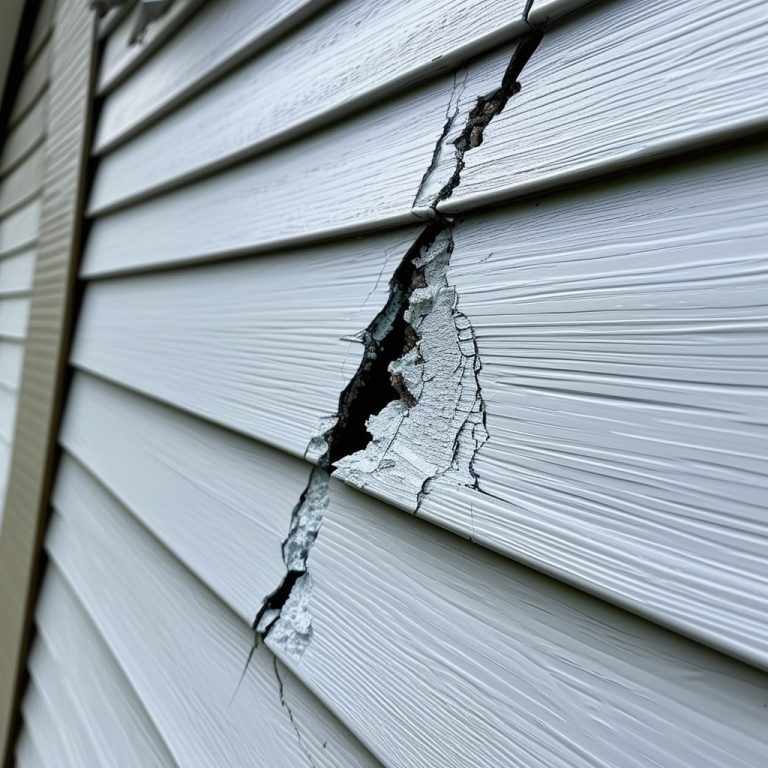
Fading is not merely a cosmetic issue; it often signals the breakdown of protective layers that shield your home from the elements. When siding loses its pigment, the underlying material becomes more susceptible to brittleness, cracking, and moisture infiltration. Consequently, taking proactive steps today can prevent the need for an expensive full-scale vinyl siding replacement in the future. This guide provides a comprehensive analysis of why fading occurs and the exact methodologies used by professionals to preserve exterior integrity.
The Science of Photodegradation in Exterior Siding
To effectively address the issue, one must first understand why materials change color when exposed to the sun. Photodegradation is the chemical process by which infrared and ultraviolet radiation break down the polymer chains within the siding. For vinyl siding, this often involves the degradation of the polyvinyl chloride (PVC) molecules and the pigments embedded within them. As the sun’s energy excites these molecules, they begin to bond with oxygen, a process known as oxidation.
Oxidation manifests as a chalky, white residue on the surface of the panels. This layer is actually the disintegrated particles of the siding material itself. Furthermore, dark colors are more prone to rapid fading because they absorb a higher percentage of the solar spectrum. This thermal absorption accelerates the molecular breakdown, causing the color to migrate or dissipate more quickly than it would on lighter-colored surfaces.
The Impact of Geographical Location on Color Longevity
Your local climate plays a pivotal role in how quickly you will notice signs of wear. Homeowners in the Sun Belt, for instance, face a much higher UV index than those in northern regions. Consequently, the rate of fading in places like Arizona or Florida can be twice as fast as in Maine or Washington. High-altitude locations are also at greater risk because the atmosphere is thinner, allowing more intense UV rays to reach the home’s surface.
In addition to UV exposure, humidity and salt air in coastal regions can exacerbate the fading process. Salt acts as a catalyst for various chemical reactions on the siding surface. Therefore, homeowners in these areas must be even more diligent about their maintenance routines. Understanding these regional nuances is the first step in formulating a plan for how to stop siding fade before it compromises your home’s value.
How to stop siding fade
Implementing a defensive strategy against the sun starts with consistent physical maintenance and the application of specialized protective barriers. The most effective way to halt the progression of fading is to create a shield between the UV rays and the siding’s pigment. This is often achieved through the use of high-quality UV-resistant coatings or clear-coat sealants designed specifically for exterior plastics and woods. These products function similarly to sunscreen for your home, absorbing the radiation before it reaches the siding’s structural layers.
Moreover, regular cleaning is an underrated but essential component of this process. Atmospheric pollutants, bird droppings, and acidic rain can create a film on the siding that traps heat and accelerates chemical breakdown. By washing your siding at least twice a year with a gentle, pH-neutral solution, you remove these catalysts. This simple act of hygiene ensures that the reflective properties of the siding remain intact, allowing it to bounce away a portion of the solar energy rather than absorbing it.
Utilizing Professional Grade UV Sealants
In recent years, the chemical industry has developed advanced topcoats that can be applied to existing siding to restore its sheen and provide UV protection. These sealants are typically acrylic-based and contain hindered amine light stabilizers (HALS). These stabilizers are designed to intercept the free radicals generated by UV exposure, effectively stopping the chain reaction that leads to color loss. Applying these treatments every three to five years can drastically extend the time between replacements.
When selecting a sealant, it is crucial to ensure it is compatible with the specific material of your home. For example, some oil-based sealants can actually damage vinyl by causing it to warp or become brittle. Always opt for water-borne, “breathable” coatings that allow moisture to escape from behind the panels while keeping the exterior surface sealed. This balance is vital for preventing mold growth while simultaneously preserving the aesthetic quality of the facade.
Strategic Landscaping as a Natural UV Shield
Architecture and landscaping often work hand-in-hand to protect a structure. One of the most sustainable methods for how to stop siding fade is the strategic placement of deciduous trees and tall shrubs. By casting shadows over the most exposed elevations of the house—typically the south and west-facing walls—you can reduce direct UV exposure by up to 70% during peak sun hours. This significantly lowers the surface temperature of the siding, which is a major factor in thermal degradation.
However, it is important to maintain a gap between the vegetation and the house. Planting too close can lead to moisture retention and physical damage from branches rubbing against the panels. A distance of three to five feet is generally recommended. This allows for proper airflow, which helps keep the siding dry and cool, further inhibiting the oxidation process. Choosing trees that provide a wide canopy but have non-invasive root systems is the ideal approach for long-term protection.
The Benefits of Awnings and Architectural Overhangs
If landscaping is not an option due to space constraints, architectural additions such as awnings or extended roof eaves can provide similar benefits. These features provide permanent shade to large sections of the walls. Retractable awnings are particularly useful as they can be deployed during the hottest parts of the day and retracted during the winter when solar heat gain might be desired for the home’s interior. These structural modifications are highly effective at preventing localized fading around windows and doors.
Advanced Material Selection for Siding Replacement
If your current siding is already significantly faded, you might be considering a vinyl siding replacement. In this scenario, the choice of material is your strongest defense against future fading. Modern manufacturing techniques have introduced “super-vinyls” and composite materials that are engineered for superior color retention. Many manufacturers now incorporate titanium dioxide throughout the entire thickness of the panel rather than just on the surface layer. Titanium dioxide acts as a powerful whitening agent and UV reflector.
Furthermore, look for products that utilize acrylic capping technology. This involves co-extruding a layer of high-performance acrylic over the PVC base. Acrylic is naturally more resistant to UV radiation than PVC and holds its pigment much longer. While these premium products come with a higher upfront cost, the long-term savings in maintenance and the delayed need for future replacements make them a financially sound investment for many homeowners.
| Siding Material | Average Fade Resistance | Primary Cause of Fading | Recommended Maintenance |
|---|---|---|---|
| Standard Vinyl | Moderate | UV Oxidation | Annual cleaning, UV sealants |
| Premium Acrylic-Capped Vinyl | Very High | Extreme Thermal Stress | Bi-annual rinsing |
| Fiber Cement | High | Paint Quality Degradation | Repainting every 10-15 years |
| Engineered Wood | Moderate to High | Moisture and UV combo | Periodic staining and sealing |
| Metal (Aluminum/Steel) | Variable | Chalking of factory finish | Specialized metal coatings |
Cleaning Protocols to Prevent Premature Wear
A significant portion of what looks like fading is actually a buildup of oxidation and environmental grime. Therefore, knowing how to stop siding fade often involves a rigorous cleaning regimen. You should avoid high-pressure power washing, as the intense force can drive water behind the siding panels, leading to mold and rot in the wall sheathing. Instead, the “soft wash” method is the industry standard for preserving the integrity of the finish.
A soft wash involves applying a cleaning solution with a low-pressure sprayer and allowing it to dwell on the surface to break down organic matter and oxidation. A mixture of water and oxygen bleach (sodium percarbonate) is highly effective and safer for surrounding plants than chlorine bleach. After a short dwell time, the siding is rinsed with a standard garden hose. This process removes the chalky oxidized layer, revealing the true color underneath and preventing further corrosive action from pollutants.
Removing the “Chalk” Layer Safely
If you notice a white powder when you rub your hand across the siding, oxidation has already begun. To stop this from worsening, you must remove the chalk. A soft-bristle brush attached to a long pole is the best tool for this job. Gently scrubbing the surface with a soapy solution will lift the oxidized particles. It is vital to work in small sections and rinse thoroughly from top to bottom to ensure that the loosened chalk doesn’t dry back onto the lower panels.
The Role of Color Theory in Heat Absorption
When selecting new siding or considering a repaint, color choice is more than an aesthetic decision; it is a functional one. Darker shades like deep blues, forest greens, and charcoal grays absorb significantly more thermal energy. This heat causes the siding to expand and contract more aggressively, which can lead to warping and accelerated pigment breakdown. Consequently, if your home is in a high-UV area, lighter shades like cream, tan, or light gray are objectively better at resisting the effects of the sun.
Furthermore, many modern paint manufacturers offer “cool roof” technology pigments for siding. These pigments are engineered to reflect infrared light while still appearing dark to the human eye. If you are determined to have a dark exterior, seeking out these specialized infrared-reflective coatings is a key strategy in how to stop siding fade. This technology keeps the surface temperature of the siding much lower, thereby preserving the molecular structure of the material.
Understanding the Light Reflectance Value (LRV)
Architects and professional painters use a metric called the Light Reflectance Value (LRV) to determine how much light a color reflects. LRV is measured on a scale from 0 (absolute black) to 100 (pure white). For maximum longevity and minimal fading, siding should ideally have an LRV of 50 or higher. Colors in this range provide a balance between aesthetic depth and the reflective properties needed to minimize solar damage. Always ask your contractor for the LRV of the siding samples you are considering.
When to Consider Professional Painting Instead of Replacement
There is a common misconception that vinyl siding cannot be painted. However, with the advent of advanced urethane-acrylic resins, painting is now a viable solution for fading. This is often a more cost-effective alternative to a full vinyl siding replacement. The key is to use “vinyl-safe” paint colors. These are specifically formulated to not exceed the heat absorption of the original siding color, preventing the panels from buckling or warping under the sun.
Professional painting provides a new, thick layer of pigment and UV blockers over the old, tired siding. This process essentially resets the clock on fading. Before painting, the siding must be meticulously cleaned and all oxidation removed to ensure proper adhesion. A high-quality paint job on vinyl can last 10 to 12 years, providing a fresh look and a renewed shield against the elements at a fraction of the cost of new installation.
The Importance of Priming Oxidized Surfaces
If you choose to paint, the priming stage cannot be skipped, especially if the siding is older and showing signs of chalking. An exterior-grade, adhesive primer will create a stable substrate for the topcoat. Without a primer, the new paint will struggle to bond to the slick PVC surface, leading to peeling and flaking within just a few seasons. Investing in a high-quality primer is a critical step in the comprehensive plan of how to stop siding fade through restorative measures.
Thermal Expansion and Its Relationship to Color Retention
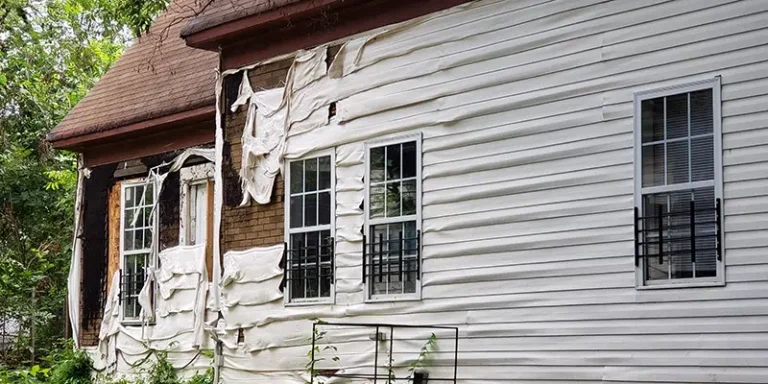
Siding is designed to “move” on the side of the house. As it heats up, it expands; as it cools, it contracts. If the siding is dark and absorbs too much heat, the extreme expansion can stress the chemical bonds of the material. This physical stress makes the surface more porous over time, which in turn allows UV rays to penetrate deeper into the material. This creates a feedback loop where heat leads to damage, and damage leads to more heat absorption.
To mitigate this, ensure that your siding is installed correctly with enough room for movement. Siding that is nailed too tightly to the house will buckle, creating high points that receive even more intense sun exposure. Proper installation ensures that no single area of a panel is subjected to disproportionate thermal stress. This uniformity is a subtle but vital part of maintaining color consistency across the entire facade of the home.
Identifying Hot Spots on Your Home’s Exterior
Sometimes, fading occurs unevenly. You may notice “hot spots” where the siding fades much faster than elsewhere. This is often caused by reflections from nearby energy-efficient windows on neighboring houses. These windows can act like magnifying glasses, concentrating solar energy onto a small area of your siding. If you identify this issue, installing window screens or using non-reflective films on the offending windows can stop the localized fading before the siding is permanently ruined.
Seasonal Maintenance Checklist for Longevity
Consistency is the hallmark of effective home maintenance. To stay ahead of the curve, homeowners should implement a seasonal checklist. In the spring, a thorough inspection should be conducted to identify any areas of oxidation or biological growth like algae. Early intervention prevents these issues from becoming ingrained in the material. During the autumn, a quick rinse to remove fallen leaves and organic debris prevents tannins from staining the surface as they decompose.
Moreover, checking the integrity of caulking around windows and doors during these inspections is paramount. While not directly related to fading, failing caulk allows moisture to seep behind the siding. This moisture can cause the siding to swell or warp from the inside out, which compromises the surface finish and makes it more vulnerable to UV damage. A holistic approach to maintenance is the best way to ensure you never have to worry about how to stop siding fade on a large scale.
Professional Consultations and Exterior Audits
If you are unsure of the current state of your exterior, hiring a professional for an “exterior audit” can be highly beneficial. These specialists can use infrared cameras to detect heat signatures and moisture pockets that are invisible to the naked eye. They can provide a detailed report on the health of your siding and recommend specific products or interventions tailored to your home’s unique orientation and local climate. This proactive data can save thousands of dollars in premature replacement costs.
The Environmental Impact of Fading and Replacement
Beyond the financial and aesthetic concerns, there is an environmental argument for preserving your siding. The manufacturing of vinyl and fiber cement is an energy-intensive process. When siding fails prematurely due to neglect, it contributes to landfill waste and increases the carbon footprint of the home. By learning how to stop siding fade and extending the life of your existing materials, you are participating in a more sustainable model of homeownership.
Preservation is always more “green” than replacement. Using eco-friendly cleaning agents and high-quality, long-lasting coatings reduces the frequency of major renovations. Furthermore, well-maintained siding contributes to the overall thermal efficiency of the home. When siding is in good repair, it reflects more heat in the summer, reducing the load on your HVAC system and lowering your energy consumption.
Disposing of Old Siding Responsibly
If you do reach the point where a vinyl siding replacement is unavoidable, research local recycling programs. Some specialized facilities can process old PVC siding into new building materials or industrial products. This keeps the material out of the waste stream and reduces the environmental impact of your renovation project. Always ask your contractor about their disposal methods and whether they prioritize recycling over landfilling.
Conclusion: Protecting Your Investment for the Long Haul
The battle against the elements is a slow and steady one. While no material is completely immune to the power of the sun, the strategies outlined here provide a robust defense system. From the molecular science of UV protection to the practical application of sealants and the strategic use of landscaping, homeowners have numerous tools at their disposal. The key is to move from a reactive mindset to a proactive one, treating your siding as a living shield that requires care and attention.
Ultimately, the goal of understanding how to stop siding fade is to maintain the value and beauty of your largest asset. Whether you choose to invest in premium acrylic-capped materials, commit to a bi-annual cleaning schedule, or apply modern UV-resistant coatings, the effort will pay dividends in the form of a stunning, resilient home. By respecting the science of the materials and the reality of your environment, you can enjoy a vibrant, colorful exterior for decades to come.