Estimating Siding Material Costs: The Ultimate 2024 Budgeting Guide
Undertaking a home renovation project often feels like a balancing act between architectural vision and fiscal reality. When it comes to exterior remodeling, the process of estimating siding material costs serves as the foundation for a successful outcome. Without a precise budget, homeowners risk being blindsided by mid-project expenses that can derail their progress.
The complexity of these calculations goes far beyond a simple price per square foot. It involves a granular analysis of product grades, accessory requirements, and the specific geometry of your residence. Furthermore, the volatility of the current supply chain makes price forecasting a moving target for many contractors and DIY enthusiasts alike.

Professional renovators approach this task with a high degree of skepticism toward “ballpark” figures. Instead, they rely on a systematic breakdown of every component, from the primary panels to the smallest fasteners. This comprehensive guide will dissect the multifaceted nature of siding expenses to ensure your financial planning is as resilient as the materials you choose.
Understanding the Concept of a “Square” in Siding
In the construction industry, the standard unit of measurement for exterior cladding is the “square.” One square represents exactly 100 square feet of surface area. Understanding this metric is essential for anyone estimating siding material costs accurately.
Most retailers and wholesale distributors sell vinyl siding by the square or by the carton. Typically, a single carton contains two squares of material, although this can vary based on the specific profile and manufacturer. Beginners often make the mistake of measuring in linear feet, which fails to account for the vertical coverage of the panels.
To calculate your total squares, you must measure the height and width of every exterior wall. Once you have the total square footage, you divide that number by 100. However, this is only the starting point for your procurement list.
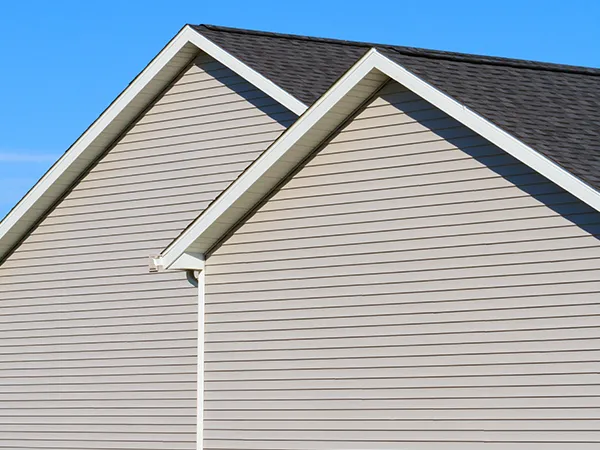
You must also account for gables and dormers, which require more complex geometric calculations. For a standard triangular gable, you multiply the base by the height and divide by two. These architectural features often lead to significantly more waste, which must be factored into the final purchase order.
The Impact of Siding Gauge on Budgeting
The “gauge” or thickness of the vinyl panel is a primary driver of price. Most residential siding falls between .040 and .048 inches in thickness. While the difference might seem negligible to the naked eye, it has a profound impact on the material’s durability and cost.
Economy-grade siding usually measures around .040 inches. This is often the most budget-friendly option, but it is more susceptible to cracking and warping under extreme temperature fluctuations. Consequently, choosing a lower gauge might save money upfront but increase long-term maintenance costs.
Premium-grade siding typically measures .046 to .048 inches. These panels are significantly more rigid and offer better resistance to impact from hail or stray debris. When estimating siding material costs, expect to pay a premium of 30% to 50% more for these thicker, more resilient options.
Assessing Profile Styles and Aesthetic Premiums
Vinyl siding is available in various profiles, such as traditional lap, Dutch lap, and vertical board and batten. Each profile requires a different manufacturing process, which is reflected in the retail price. Traditional lap is generally the most cost-effective due to high production volumes.
Vertical siding, often used for modern farmhouse aesthetics, frequently carries a higher price tag. This is partly due to the specialized interlocking mechanisms required to prevent water infiltration in a vertical orientation. Additionally, the labor for installing vertical panels is often higher, though our focus here remains on the raw material expense.
Shake and shingle vinyl profiles are designed to mimic the look of cedar. These are significantly more expensive than standard horizontal panels. Because they are often sold in smaller panels rather than 12-foot strips, the cost per square can be double or triple that of standard vinyl.
Estimating Siding Material Costs
When you are estimating siding material costs, you must create a spreadsheet that captures the dynamic relationship between different variables. This process involves more than just selecting a color; it requires a deep dive into the technical specifications of your home’s exterior shell. A professional estimate accounts for the base material, the necessary accessories, and a buffer for unforeseen logistical hurdles.
Start by categorizing your costs into “Hard Materials” and “Consumables.” Hard materials include the siding panels, corner posts, and J-channels. Consumables include the specialized nails, sealants, and moisture barriers that are essential for a code-compliant installation. Neglecting these smaller items can result in a 5% to 10% budget shortfall.
Furthermore, the geographic location of your project plays a pivotal role. Freight costs for bulky siding cartons can vary significantly based on your proximity to a distribution hub. In addition, local building codes may mandate specific types of underlayment or wind-load ratings, both of which affect the price of your material package.
| Material Category | Quality Level | Estimated Cost Per Square (100 Sq. Ft.) |
|---|---|---|
| Economy Vinyl | .040 Gauge | $90 – $130 |
| Standard Grade | .042 – .044 Gauge | $140 – $190 |
| Premium Grade | .046+ Gauge | $200 – $280 |
| Insulated Vinyl | Foam-Backed | $300 – $450 |
| Vinyl Shakes/Cedar Shake Look | Specialty Profiles | $500 – $850 |
The Hidden Role of Accessories and Trim
One of the most common errors in estimating siding material costs is focusing exclusively on the panels. Accessories like J-channels, undersill trim, and starter strips are essential for a functional installation. These components can represent up to 25% of your total material budget.
Outside and inside corner posts are particularly expensive compared to the flat panels. A standard 10-foot outside corner post can cost as much as a quarter-carton of siding in some premium lines. If your home has a complex footprint with many turns and corners, your accessory costs will skyrocket.
Soffit and fascia materials are another critical component often grouped with siding projects. These materials ensure proper attic ventilation and protect the eaves of the roof. Matching the color and texture of your soffit to your new siding adds another layer of complexity and expense to the procurement process.
Calculating the Waste Factor for Complex Architecture
No siding project uses 100% of the purchased material. Cutting panels to fit around windows, doors, and gables creates scraps that are often unusable. Therefore, a “waste factor” must be added to your initial measurements to ensure you don’t run out of material mid-job.
For a simple, rectangular home with few openings, a 10% waste factor is usually sufficient. However, for homes with multiple stories, dormers, or intricate window placements, a 15% to 20% waste factor is more realistic. Ordering too little material can lead to delays and potential color-match issues if the second batch comes from a different production run.
It is also wise to keep at least one full carton of siding in storage after the project is complete. This allows for easy repairs in the future if a panel is damaged by a lawnmower or extreme weather. When estimating siding material costs, always round up to the nearest full carton to account for this long-term security.
Thermal Resistance and Insulated Siding Options
Modern homeowners are increasingly looking at siding as an opportunity to improve energy efficiency. Insulated vinyl siding features a layer of rigid foam insulation bonded to the back of the panel. While this significantly increases the cost per square, it provides a “thermal bridge” that reduces heat transfer through the wall studs.
The R-value of a wall assembly can be improved by 2.0 to 5.0 with the addition of insulated siding. This can lead to lower utility bills over the life of the product. However, from a pure material cost perspective, you should expect to pay double the price of standard uninsulated panels.
When estimating siding material costs for insulated products, you must also consider the specialized accessories required. Because the panels are thicker, they require wider J-channels and corner posts to accommodate the added depth. This cascading effect on accessory prices must be reflected in your final budget.
Moisture Barriers and House Wrap Necessities
Siding is not waterproof; it is water-shedding. This means that the material behind the siding, the house wrap, is the actual defense against rot and mold. High-quality moisture barriers are a non-negotiable expense for any siding replacement project.
Basic perforated wraps are the least expensive but offer the lowest performance. In contrast, non-perforated, high-perm wraps allow moisture to escape from inside the house while preventing liquid water from entering. These premium wraps cost more per roll but provide essential protection for the home’s structural integrity.
Tapes and sealants used to join the seams of the house wrap also add to the cost. Using the manufacturer’s recommended tape is often a requirement for maintaining the product’s warranty. When estimating siding material costs, allocate approximately $0.15 to $0.30 per square foot for the total moisture management system.
The Influence of Color and Pigment Technology
Color choice is a significant factor in the price of vinyl siding. Standard colors, such as whites, creams, and light grays, are mass-produced and generally occupy the lowest price tier. These lighter shades also resist UV fading better than darker options.
Deep, saturated colors like navy blue, forest green, or charcoal gray require specialized pigments and UV stabilizers. Manufacturers often use “Cool Roof” technology in these dark panels to reflect infrared light and prevent heat distortion. These technological additions result in a price premium that can range from 15% to 30% over standard colors.
Furthermore, darker colors may come with more robust fade warranties. If you are prioritizing long-term aesthetic consistency, the higher initial investment in a premium color line may be justified. Always verify if the specific color you desire is a “stock” item or a “special order,” as the latter may incur additional shipping fees.
Comparative Analysis: Vinyl vs. Alternative Materials
To truly understand the value of your project, it is helpful to compare vinyl with other popular materials. Fiber cement, for example, is highly durable and fire-resistant but is significantly more expensive than vinyl. The material itself is heavy, increasing freight costs, and requires specialized tools for cutting and fastening.
Engineered wood siding offers a natural aesthetic but requires ongoing painting and maintenance. While the initial material cost may be comparable to premium vinyl, the lifetime cost is often higher. Vinyl remains the market leader primarily due to its balance of low initial cost and minimal maintenance requirements.
Metal siding, such as aluminum or steel, provides a modern look and excellent durability. However, it is prone to denting and can be very expensive, especially during periods of high commodity prices. When estimating siding material costs across these different categories, vinyl consistently emerges as the most accessible option for the average homeowner.
| Material Type | Durability | Maintenance Level | Relative Material Cost |
|---|---|---|---|
| Vinyl | Moderate | Low | $ (Lowest) |
| Fiber Cement | High | Moderate | $$$ |
| Engineered Wood | Moderate | High | $$ |
| Steel/Aluminum | High | Low | $$$$ |
Market Volatility and Supply Chain Considerations
The construction industry has faced unprecedented supply chain disruptions in recent years. These fluctuations have made estimating siding material costs more challenging than in previous decades. Prices for PVC resin, the primary component of vinyl, are tied to global oil and gas markets.
In addition to raw material costs, labor shortages in the manufacturing sector can lead to extended lead times. If you are working on a strict timeline, you might find yourself paying a premium for in-stock materials versus waiting weeks for a special order. It is always advisable to get updated quotes directly from suppliers within 30 days of your planned purchase.
Freight and logistics also play a role in the final price. Siding panels are long and fragile, requiring specialized handling. As fuel prices fluctuate, so do the delivery fees charged by lumber yards and home centers. Including a 5% contingency fund for shipping adjustments is a wise move for any large-scale exterior project.
Bulk Purchasing and Contractor Discounts
The source of your materials can significantly influence the bottom line. Large-scale contractors often have accounts with wholesale distributors that offer pricing unavailable to the general public. These trade discounts can range from 10% to 25% off retail prices.
If you are managing the project yourself, you may still be able to negotiate a better price by purchasing everything at once. Buying in bulk—panels, trim, wrap, and fasteners—from a single supplier gives you more leverage. Ask for a “pro-desk” quote at your local home improvement center if you are purchasing more than 20 squares of material.
However, beware of buying “closeout” or “discontinued” lines. While the price may be enticing, you will have no recourse if you need additional material later. Consistency in the manufacturing “batch” or “run” is critical for ensuring that the panels lock together correctly and the color is perfectly uniform across the entire house.
The Impact of Fasteners and Sealants on Durability
Every professional siding job relies on high-quality fasteners. Using the wrong nails can void the manufacturer’s warranty and lead to panels rattling in the wind or even blowing off entirely. Large-head roofing nails made of galvanized steel or aluminum are the industry standard.
When estimating siding material costs, do not forget the cost of specialized caulking and sealants. High-grade solar-seal or silicone-based sealants are required around window and door frames to prevent water intrusion. Cheap latex caulk will quickly crack and fail, leading to expensive structural damage behind the siding.
The quantity of fasteners needed is often underestimated. For vinyl siding, you typically need about 2 to 2.5 pounds of nails per square. While a 50-pound box of nails is relatively inexpensive, these small costs add up when multiplied across a large project. Always opt for corrosion-resistant options to prevent rust streaks from ruining your new siding’s appearance.
Structural Repairs and Sheathing Considerations
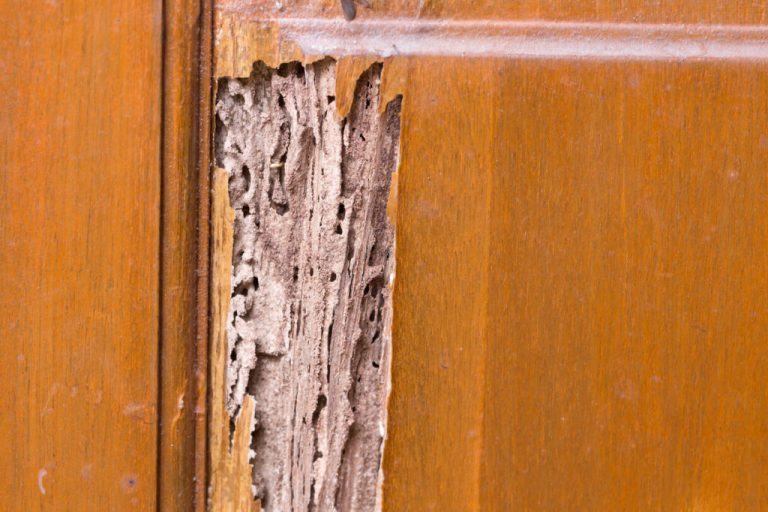
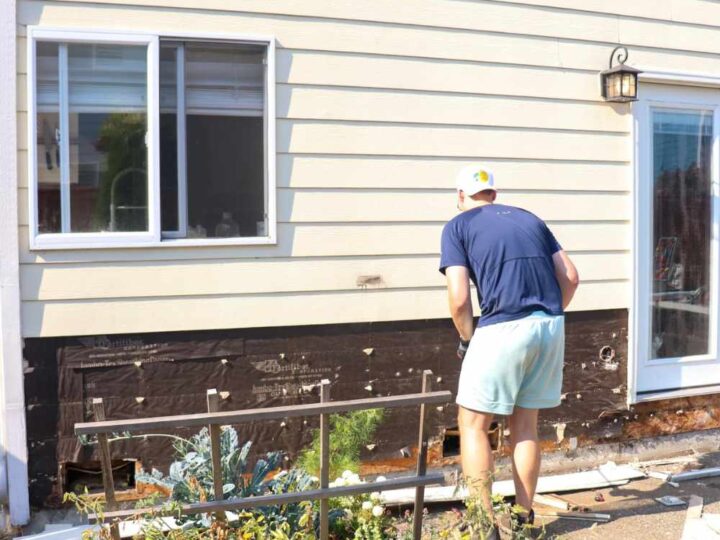
Before new siding can be installed, the underlying structure must be sound. It is nearly impossible to provide a perfect estimate of siding material costs without knowing the condition of the exterior sheathing. If rot is discovered after the old siding is removed, you will need to purchase sheets of OSB or plywood.
Adding sheathing to the estimate is a defensive strategy. Even if you don’t expect to find rot, having a budget for 5-10 sheets of replacement plywood is practical. Furthermore, if your home currently lacks a flat surface for installation, you may need “fanfold” insulation to level out the walls, which adds another layer of material expense.
Flashing is another critical structural component. Window head flashing (drip caps) and step flashing for roof-to-wall intersections must be in good condition. If these components are damaged or missing, they must be replaced during the siding project. These metal components are often sold in 10-foot lengths and can add several hundred dollars to the total material bill.
Seasonal Timing and Purchasing Strategies
Prices for construction materials often follow a seasonal cycle. In many parts of North America, demand for siding peaks in late spring and early summer. During these high-demand months, prices may stay firm, and lead times may increase.
Purchasing materials during the “off-season,” such as late autumn or early winter, can sometimes result in better deals. Suppliers may be more willing to negotiate to move inventory before the end of the fiscal year. Additionally, manufacturers often announce price increases at the start of the calendar year, so buying in December can help you lock in current rates.
Regardless of when you buy, ensure you have a secure, dry place to store the materials. Vinyl siding is durable once installed, but the cartons can be damaged by moisture if left sitting on wet ground. Storing the panels on a flat surface is also essential to prevent them from developing a permanent “bow” or “warp” before they ever hit the wall.
Technological Tools for Precision Estimating
The digital age has brought sophisticated tools to the world of home renovation. Many manufacturers now offer online visualizers and calculators that assist in estimating siding material costs. These tools allow you to upload a photo of your home and apply different colors and profiles, providing a rough estimate of the required quantities.
For more precision, professional estimators use aerial measurement services. These services utilize high-resolution satellite imagery to provide detailed reports on a home’s exterior dimensions, including roof pitches and wall areas. While these reports come with a fee, they are often more accurate than hand-measuring and can prevent the mistake of over-ordering material.
Spreadsheet software remains a powerful ally for the detail-oriented homeowner. By building a formula-based sheet, you can instantly see how a change in the price per square or the waste factor affects the total project cost. This allows for “what-if” scenarios that can help you decide between standard and premium product lines based on your remaining budget.
Common Pitfalls in Material Budgeting
One of the most frequent mistakes is failing to account for the “starter strip.” This is the metal or plastic strip at the bottom of the wall that the first row of siding locks into. Without it, the entire installation lacks a secure foundation. Many people forget to measure the linear footage of the house’s perimeter to determine how many starter strips are needed.
Another pitfall is ignoring the cost of waste disposal. While not a “material cost” in the traditional sense, the removal of old siding requires a dumpster or several trips to the landfill. These fees are an integral part of the overall project economics. If you are replacing asbestos or lead-painted siding, these disposal costs will be significantly higher due to environmental regulations.
Lastly, many homeowners underestimate the cost of light blocks, outlet covers, and mounting blocks for exterior fixtures. You cannot simply cut a hole in the siding and leave it. You must use specialized mounting blocks that provide a flat surface and integrated water management for your lights, faucets, and electrical outlets. These small items can cost $10 to $25 each, adding up quickly on a house with many exterior features.
The Long-Term ROI of High-Quality Materials
While estimating siding material costs, it is important to consider the return on investment (ROI). Siding replacement is consistently ranked as one of the top home improvement projects for recouping value upon resale. However, the quality of the materials used directly impacts this percentage.
Potential buyers can often distinguish between basic builder-grade vinyl and premium architectural lines. Investing in a thicker gauge and a more sophisticated profile can improve your home’s “curb appeal,” potentially leading to a higher selling price and faster closing. In this context, the extra $1,000 to $2,000 spent on premium materials is more of an investment than an expense.
Additionally, premium siding often comes with transferable warranties. This is a significant selling point for new owners, as it provides peace of mind regarding future maintenance. Always keep your material receipts and warranty documentation in a safe place to provide to prospective buyers or to use for insurance claims in the event of storm damage.
Final Methodology for a Robust Estimate
To finalize your estimate, you should combine all the factors discussed. Start with your base square footage, add your waste factor, and then add your linear footage for accessories. Apply your chosen material’s price per square and then add the costs for underlayment, fasteners, and specialized trim blocks.
Once you have this number, add a 5% “buffer” for miscellaneous items. This buffer covers things like replacement saw blades, extra tubes of sealant, or the occasional damaged panel. Having this financial cushion ensures that you won’t have to scramble for funds at the end of the project.
Ultimately, the goal of estimating siding material costs is to eliminate surprises. By being meticulous in your measurements and realistic about the price of quality components, you set yourself up for a stress-free renovation. A well-planned budget is the first step toward a beautiful, durable home exterior that will protect your investment for decades to come.