15 Critical Signs of Water Damage Under Siding You Cannot Ignore
Homeowners often view their exterior cladding as a permanent shield against the elements, but even the highest quality vinyl siding is not invincible. Identifying the primary Signs of water damage under siding is an essential skill for anyone looking to maintain their property’s structural integrity. When water finds a way behind these protective panels, the resulting damage is frequently invisible until it reaches a critical state.
The transition from a minor leak to a major structural failure can happen surprisingly quickly. This is particularly true in climates with high humidity or heavy seasonal rainfall where moisture remains trapped against the home’s sheathing. Furthermore, because vinyl siding is designed to be waterproof on its face, it creates a “vapor lock” if water enters from the rear, preventing the wood beneath from drying out naturally.

Understanding these subtle indicators requires a keen eye and a proactive approach to home maintenance. Ignoring small anomalies today can lead to thousands of dollars in remediation costs tomorrow. Consequently, a deep dive into the physical, biological, and structural red flags is necessary for every diligent homeowner.
The Hidden Threat of Trapped Moisture
Water infiltration behind siding typically begins at the most vulnerable points of the home’s exterior. These areas include windows, doors, and points where various utility lines penetrate the wall. When the exterior envelope is compromised, gravity pulls moisture downward, saturating the house wrap and eventually the wooden sheathing.
This process is often exacerbated by poor installation techniques or the lack of a proper drainage plane. If the siding was installed too tightly or without the necessary “weep holes,” water cannot escape. This trapped moisture then begins a process of slow-motion destruction that affects everything from the insulation to the interior drywall.
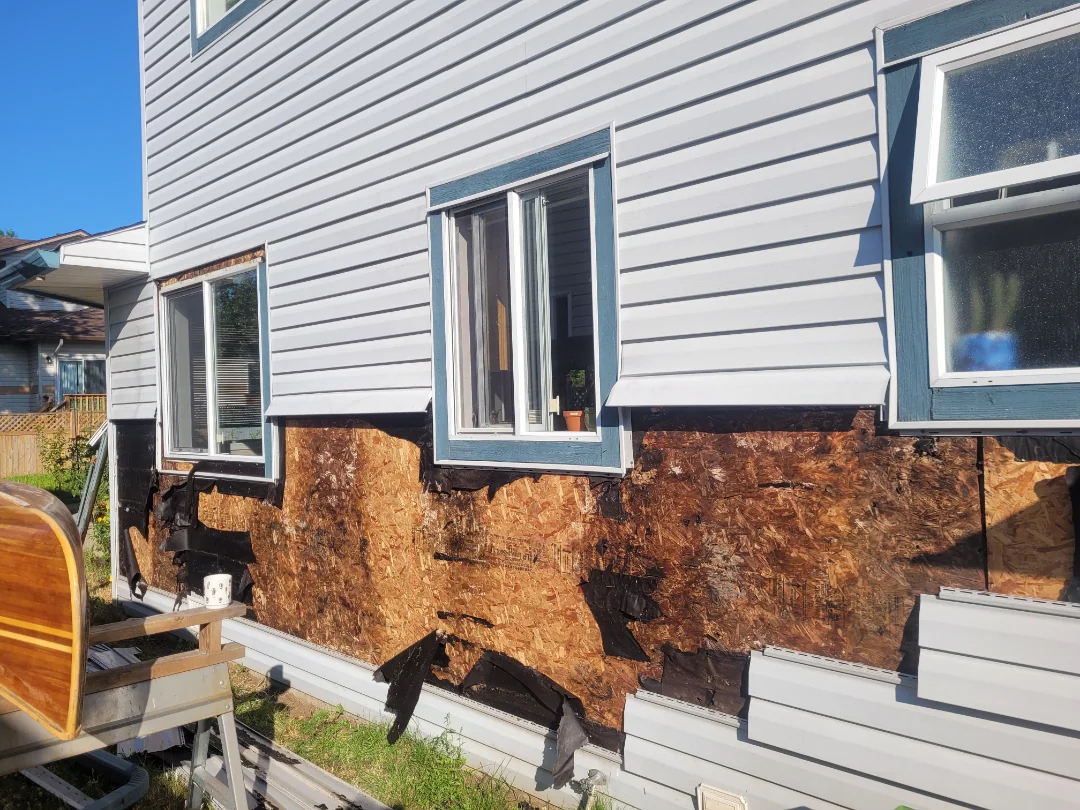
Moreover, the modern construction of many homes relies heavily on Oriented Strand Board (OSB) for sheathing. While OSB is structurally sound, it is highly susceptible to swelling and rot when exposed to consistent moisture. As the wood absorbs water, it loses its structural capacity, which can eventually threaten the very stability of the wall itself.
Recognizing Surface-Level Abnormalities
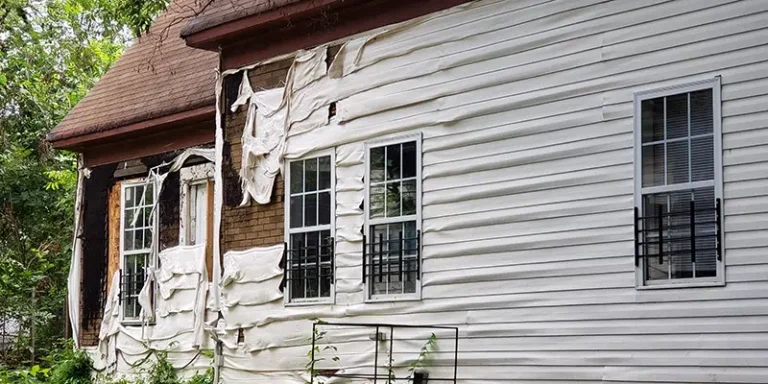
While the most severe damage occurs out of sight, the siding itself often provides the first clues. One of the most common Signs of water damage under siding is a phenomenon known as “oil canning” or warping. This occurs when the moisture behind the panels causes the underlying wood to expand, pushing the siding outward in irregular patterns.
Furthermore, look for panels that appear to be “buckling” or pulling away from the wall. This is frequently a result of the nails or fasteners losing their grip on the rotted wood beneath. If you can move a siding panel more than an inch or two by hand, the substrate may no longer be firm enough to hold the hardware.
In addition to physical movement, pay close attention to the texture of the siding. In some cases, high levels of heat and trapped moisture can cause vinyl to blister or bubble. While this can sometimes be attributed to heat sources like a grill, it is often a sign of extreme vapor pressure building up between the siding and the house wrap.
Bubbling and Blistering of Vinyl Panels
Bubbling on the surface of your siding is a significant red flag that should never be ignored. This typically indicates that water has penetrated the panel and is reacting with the heat of the sun. The resulting steam and vapor pressure force the vinyl to deform from the inside out.
If you notice these blisters, it is highly likely that the protective barrier behind the siding has already failed. This leaves your wooden sheathing directly exposed to liquid water. Consequently, the presence of these bubbles often necessitates a localized removal of the siding to inspect the damage beneath.
Cracking and Brittleness in Older Siding
As vinyl siding ages, it naturally becomes more brittle due to UV exposure and thermal cycling. However, excessive cracking can also be an indicator of moisture-related stress. When the wood sheathing behind the siding swells and shrinks due to water saturation, it puts immense pressure on the rigid vinyl.
This pressure leads to stress fractures and cracks, particularly around corners and window frames. These cracks then act as a secondary entry point for even more water. Therefore, what started as a small leak can rapidly transform into a systemic failure of the entire wall section.
Biological Indicators of Trapped Moisture
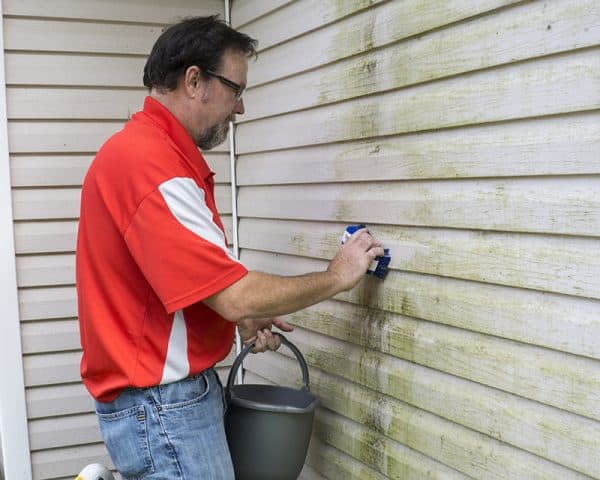
Nature has a way of thriving in the dark, damp crevices found behind compromised siding. One of the most definitive Signs of water damage under siding is the emergence of mold, mildew, or fungus on the exterior. While some surface mold is common on the outside of siding, growth emerging from the seams is a major concern.
If you see black, green, or gray spots appearing at the joints where two siding panels overlap, it indicates that the interior environment is saturated. This mold is often feeding on the organic materials behind the vinyl, such as the paper backing of certain insulation types or the wood sheathing itself.
Furthermore, the presence of mushrooms or fungal fruiting bodies is an emergency signal. Fungi typically only appear when wood rot is already advanced. If you see fungal growth protruding from the bottom edge of your siding (the starter strip), the structural wood behind it is likely already decomposing.
The Presence of Black Mold and Mildew
Black mold is not just a structural threat; it is a significant health hazard for the occupants of the home. If mold is visible on the outside of the siding, spores are likely migrating through the wall cavity into the living space. This can lead to respiratory issues and allergic reactions for your family.
The discovery of mold often indicates that the Water Resistive Barrier (WRB), commonly known as house wrap, was either improperly installed or has been breached. Without this secondary layer of protection, moisture stays in direct contact with the wood. This creates a perfect laboratory for mold colonies to flourish and expand.
Algae Growth and Green Streaking
Green algae growth is often found on the north-facing sides of homes where sunlight is limited. While surface algae can often be cleaned, persistent green streaking that seems to originate from behind the panels is problematic. This suggests that the area behind the siding is staying wet for extended periods after a rainstorm.
Properly installed siding should allow for rapid drainage and airflow. If algae is thriving, it means the drainage plane is blocked or nonexistent. This stagnant moisture eventually works its way into the fibers of the home’s framing, leading to the gradual softening of the wood.
Signs of water damage under siding
When searching for the Signs of water damage under siding, you must perform a tactile inspection of the perimeter. Start by pressing firmly against the siding at various heights, especially near the foundation line. If the wall feels “spongy” or gives way under light pressure, the wood sheathing has likely succumbed to dry rot or saturation.
Another critical indicator is the appearance of rust or corrosion on the fasteners. Most siding nails are galvanized to resist rust, but constant exposure to water will eventually break down this coating. Rust streaks running down the siding from the nail heads are a clear signal that moisture is lingering in the wall cavity.
Furthermore, check the caulking around windows and doors. If the sealant is cracked, peeling, or missing, it creates a direct pathway for water to get behind the siding. Once water enters these gaps, it often travels horizontally along the furring strips or sheathing, causing damage far away from the original leak point.
You should also be aware of any changes in the “hang” of your siding. Vinyl siding is designed to be hung loosely to allow for expansion and contraction. If the panels appear tilted or are no longer level, it often indicates that the structural framing has shifted or rotted, causing the siding to sag along with the failing wood.
Interior Symptoms of Exterior Failure
In many cases, the most obvious Signs of water damage under siding actually appear inside the house. Homeowners should regularly inspect the interior side of exterior walls for any signs of distress. One of the first indicators is peeling paint or bubbling wallpaper, which occurs when moisture migrates through the wall studs and drywall.
Water stains on the ceiling or walls near the perimeter of the house are another classic symptom. These stains often look like light brown or yellow rings and may feel damp to the touch after a heavy storm. Because water follows the path of least resistance, a leak in the siding can manifest as a stain several feet lower on an interior wall.
In addition, pay attention to any unexplained musty odors in specific rooms. A persistent smell of earth or dampness often points to mold growth within the wall cavity. This hidden mold can grow for years behind your drywall, fed by the moisture trapped behind your exterior siding.
Peeling Paint and Wallpaper
When moisture is trapped behind the siding, it eventually saturates the wall’s insulation. This damp insulation then holds water against the interior drywall. As the drywall absorbs this moisture, the bond between the surface and the paint or wallpaper begins to fail.
If you notice paint flaking off in large chunks or wallpaper curling at the seams on an exterior-facing wall, do not simply repair the interior. You must investigate the exterior cladding to find the source of the infiltration. Failing to address the root cause will result in the interior damage returning shortly after it is fixed.
Efflorescence and Staining on Interior Walls
Efflorescence is a white, powdery substance that appears on brick or concrete but can also be seen on interior plaster walls. It is caused by salt deposits left behind when water evaporates. If you see this on your interior walls, it means water is moving through the entire thickness of your home’s structure.
Staining is often more localized and may appear around window sills or floorboards. These stains are frequently misidentified as simple spills or window leaks. However, they are often the result of water bypass behind the siding that has managed to penetrate the interior vapor barrier.
Structural Softness and Wood Rot
The most catastrophic result of ignoring the Signs of water damage under siding is structural wood rot. There are two primary types of rot that affect homes: wet rot and dry rot. Both are caused by fungi that thrive in the dark, moist environments created behind failing siding.
Wet rot occurs when wood is consistently saturated, leading to a soft, spongy texture. If you can poke a screwdriver through the wood sheathing or a wall stud, you are dealing with advanced wet rot. This destroys the wood’s load-bearing capacity and can lead to sagging floors or leaning walls.
Dry rot is arguably more dangerous because it can spread even when the wood is not actively wet. It moves through the timber, extracting moisture and leaving the wood brittle and crumbly. Both types of rot require extensive structural repairs and the complete replacement of the affected materials.
| Sign of Damage | Primary Location | Severity Level | Recommended Action |
|---|---|---|---|
| Warped/Buckled Panels | Exterior Siding | Moderate | Professional Inspection |
| Interior Peeling Paint | Interior Drywall | High | Immediate Moisture Mapping |
| Mold at Siding Seams | Panel Overlaps | Moderate | Cleaning and Sealing |
| Soft Wood Sheathing | Underneath Siding | Critical | Full Siding Replacement |
| Musty Odors | Interior Rooms | High | Mold Remediation Assessment |
Flashing and Sealant Failures
Flashing is the unsung hero of a home’s exterior, designed to direct water away from critical joints. However, incorrectly installed flashing is one of the leading causes of water damage. If the flashing above a window (head flashing) is missing or tucked behind the house wrap, water will flow directly behind the siding.
Inspect the “kick-out” flashing where a roofline meets a vertical wall. This specific piece of metal is responsible for diverting gutter runoff away from the siding. If this piece is missing, the wall below will be constantly inundated with water, leading to rapid deterioration of the substrate.
Additionally, modern sealants have a limited lifespan. Most high-quality caulks last between five and ten years before they begin to shrink and pull away from the siding. Once a gap forms, capillary action can pull water into the smallest crevices, where it remains trapped indefinitely.
The Role of Proper Ventilation
A common misconception is that a home’s exterior should be airtight. In reality, the space behind vinyl siding needs to “breathe” to allow incidental moisture to evaporate. This is why vinyl siding is hung on tracks rather than being nailed tightly to the wall.
If a previous contractor applied spray foam insulation incorrectly or blocked the soffit vents, it can lead to a buildup of condensation. This interior-generated moisture can be just as damaging as exterior rain. Without proper airflow, the temperature differential between the inside and outside of the house causes water to bead on the back of the siding.
This condensation then drips down, saturating the bottom plates of the wall framing. Over time, this leads to rot at the foundation level, which is incredibly difficult and expensive to repair. Therefore, ensuring your home has a functioning ventilation system is a key part of preventing water damage.
Impact on Insulation and Energy Costs
Another subtle but expensive indicator of Signs of water damage under siding is a sudden, unexplained increase in your utility bills. When fiberglass or cellulose insulation becomes wet, it loses its R-value (insulating capacity). Moist insulation compresses and creates “thermal bridges” where heat can easily escape or enter the home.
If you notice that certain rooms are harder to keep warm in the winter or cool in the summer, the insulation behind the siding may be compromised. Wet insulation also acts like a sponge, holding moisture against the wooden studs and accelerating the rotting process.
In addition, damp walls can lead to increased humidity levels inside the home. This forces your air conditioning system to work harder to dehumidify the air, further driving up energy costs. Monitoring your monthly energy consumption can provide an early warning that your home’s thermal envelope has been breached.
Pest Infestations as a Secondary Symptom
Insects, particularly termites and carpenter ants, are naturally attracted to damp, decaying wood. If you see an increase in pest activity around your home’s exterior, it could be a secondary sign of water damage. These pests can detect the moisture levels in wood from a significant distance.
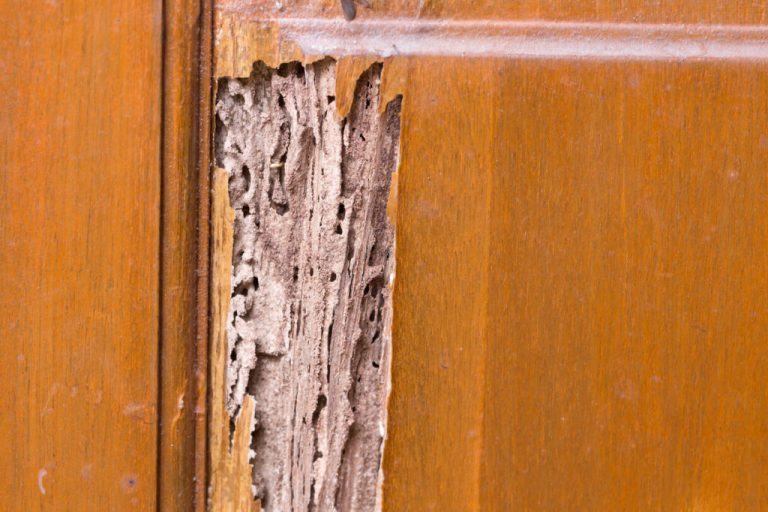
Carpenter ants do not eat wood, but they tunnel through soft, water-damaged timber to build their nests. Termites, on the other hand, will consume the weakened wood, compounding the structural damage. If you find “mud tubes” on your foundation or piles of sawdust near your siding, you likely have both a water problem and a pest problem.
Addressing the pests without fixing the moisture issue is a futile effort. The damp wood will continue to attract new colonies. Consequently, a comprehensive solution must involve removing the damaged siding, replacing the rotted wood, and then treating the area for infestations.
Professional Inspection Methodologies
While a homeowner can spot many of the Signs of water damage under siding, a professional inspection is often necessary for a definitive diagnosis. Contractors use specialized tools such as infrared cameras and moisture meters to “see” through the siding without removing it.
Infrared thermography detects temperature differences on the wall’s surface. Because water-saturated areas hold heat differently than dry areas, these cameras can pinpoint the exact location of a hidden leak. This allows for targeted repairs rather than a blind “rip and replace” approach.
Moisture meters with deep-penetration probes can also be used. By inserting small pins into the wood through the siding seams, a technician can measure the actual moisture content of the sheathing. Any reading above 19% moisture content is generally considered a “red zone” for mold growth and wood rot.
Financial Consequences of Neglected Repairs
The financial impact of ignoring water damage can be staggering. A simple siding repair might cost a few hundred dollars, but a full structural remediation can easily reach tens of thousands. When the damage is left unchecked, it often involves replacing sheathing, wall studs, insulation, and interior drywall.
Furthermore, water damage can significantly decrease your home’s resale value. During a standard home inspection, savvy inspectors will look for these exact signs. If they find evidence of rot or mold, it can kill a potential sale or force a massive price reduction.
In some cases, homeowners’ insurance may not cover damage that is deemed “gradual” or due to a lack of maintenance. This means you could be responsible for the entire cost of the repair out of pocket. Being proactive about identifying the Signs of water damage under siding is therefore a vital financial strategy.
Strategic Remediation and Siding Replacement
If you have confirmed that your home has water damage, the next step is a strategic remediation plan. This usually begins with the removal of the siding in the affected area to determine the full extent of the rot. It is critical to remove all compromised wood; leaving even a small amount of rot can allow it to spread to new materials.
During this process, you should also evaluate the state of your Water Resistive Barrier. If the house wrap is old or damaged, it should be replaced with a modern, vapor-permeable product. These materials allow moisture vapor to escape from the inside while blocking liquid water from the outside.
When replacing the siding, consider upgrading to a system that includes a “rain screen.” This involves creating a small gap between the house wrap and the siding using furring strips. This gap provides a dedicated drainage plane and allows for maximum airflow, virtually eliminating the risk of future water damage.
Maintenance Protocols for Prevention
Prevention is always more cost-effective than repair. A biannual maintenance schedule can help you catch the Signs of water damage under siding before they become catastrophic. Start by cleaning your gutters every spring and fall to ensure water isn’t overflowing onto your siding.
Additionally, inspect your siding for any loose panels or gaps after every major windstorm. High winds can “unlock” vinyl siding panels, creating openings for rain to enter. Re-securing these panels immediately can prevent a minor issue from becoming a major leak.
You should also trim back any vegetation that is touching your siding. Trees and bushes can trap moisture against the wall and prevent it from drying out after a rainstorm. Furthermore, keep the soil and mulch in your flower beds at least six inches below the bottom of the siding to prevent moisture from wicking up from the ground.
Conclusion: The Importance of Vigilance
Protecting your home from water damage requires a combination of high-quality materials, professional installation, and constant vigilance. By learning to identify the Signs of water damage under siding, you are taking the most important step in home preservation. Your home’s exterior is its first line of defense, but it is not a “set it and forget it” system.
Whether you are noticing subtle interior stains or obvious exterior warping, taking immediate action is key. Consult with a qualified siding specialist to assess the situation and develop a repair plan. Ultimately, the cost of a thorough inspection and minor repairs is a small price to pay for the peace of mind that comes with a dry, stable, and healthy home.
Remember that moisture is a patient enemy. It works slowly and silently, often hidden behind the very materials meant to keep it out. By staying observant and addressing issues as they arise, you can ensure that your siding continues to protect your home for decades to come.