Best Time of Year for Siding: The Ultimate Seasonal Guide
Deciding to upgrade your home’s exterior is a significant financial and structural commitment. For many homeowners, the primary concern is the cost of materials or the reputation of the contractor. However, the timing of the project plays a critical role in the longevity of the installation and the overall efficiency of the workflow. Identifying the best time of year for siding replacement requires a careful balance between local weather patterns, contractor availability, and the specific physical properties of the materials being used.
Most experts agree that the shoulder seasons offer the most predictable results for exterior renovations. When you schedule your project during these windows, you avoid the extreme thermal expansion and contraction that can plague vinyl products. Furthermore, the comfort of the installation crew often translates into better craftsmanship. A crew working in 60-degree weather is naturally more focused than one battling a 100-degree heatwave or a sub-zero blizzard.

Ultimately, the goal is to find a window where the climate is dry and the temperatures are moderate. This ensures that the house wrap remains intact and the siding panels are installed at their “resting” state. In the following comprehensive analysis, we will explore why specific months outperform others. We will also examine how regional differences and economic factors should influence your final decision on when to break ground.
The Physics of Siding and Temperature Fluctuations
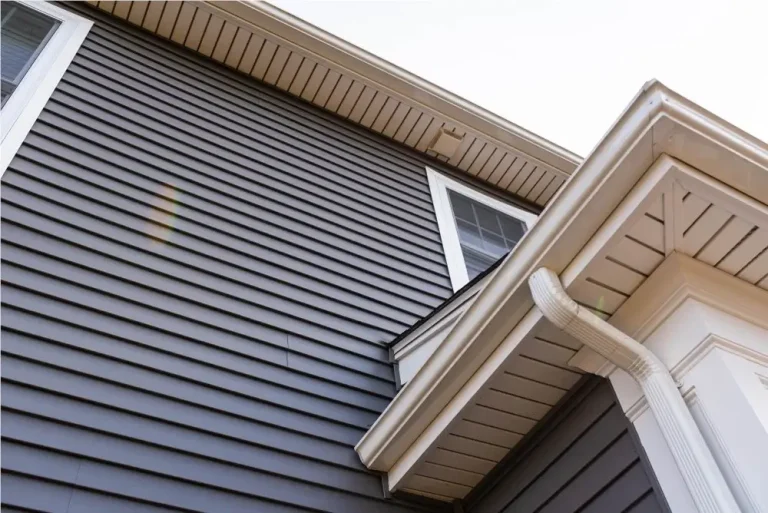
To understand why timing matters, one must first understand the behavior of polyvinyl chloride (PVC). Vinyl siding is designed to move. It expands and contracts significantly as the outside temperature changes. If a contractor installs siding in the dead of winter, the panels are at their most contracted state. If they are nailed too tightly, they will buckle and warp as soon as the summer sun hits them.
Conversely, installing siding during a record-breaking heatwave presents the opposite problem. The panels are fully expanded during the installation process. When the temperature drops in autumn, these panels will shrink. If the installer did not account for this, you might see gaps at the corner posts or around window casings. This creates opportunities for moisture intrusion, which can lead to rot in your home’s underlying OSB or plywood sheathing.
Moderate temperatures act as a natural calibration tool for installers. When the air is between 50 and 70 degrees Fahrenheit, the vinyl is in a neutral state. This allows for a standard “floating” installation where the nails are placed in the center of the slots with a small gap left for natural movement. Achieving this perfect fit is significantly easier when the weather is cooperating with the material’s physical limits.
The Dangers of High-Heat Installations
Summer is often the busiest season for home improvements, but it carries hidden risks for siding. High temperatures make vinyl incredibly pliable, sometimes even floppy. While this makes it easy to cut, it makes it difficult to maintain a straight, level line across a long wall. The material can stretch slightly during handling, leading to an uneven appearance once it cools and sets.
Beyond the material itself, the heat affects the protective layers beneath the siding. House wraps and flashing tapes have specific temperature ratings for their adhesives. In extreme heat, these adhesives can become overly aggressive or lose their bond entirely before the siding is even attached. This compromises the secondary water barrier, which is your home’s last line of defense against mold and mildew.
Challenges of Freezing Weather
Winter installations are possible, but they require a high level of expertise. When vinyl gets cold, it becomes brittle. A standard snap-cut that would be clean in the spring can cause the panel to shatter in January. Installers must use specialized fine-tooth saw blades and exercise extreme caution when hammering near the nail hem to avoid cracking the frozen plastic.

Furthermore, the safety of the crew becomes a logistical hurdle. Shorter daylight hours mean the project will take more days to complete. If your home is stripped of its old siding during a winter storm, the exposure to snow and ice can be detrimental. While professional crews use tarps and staged installations to mitigate this, the risk factor remains higher than during the dryer months of the year.
Best Time of Year for Siding
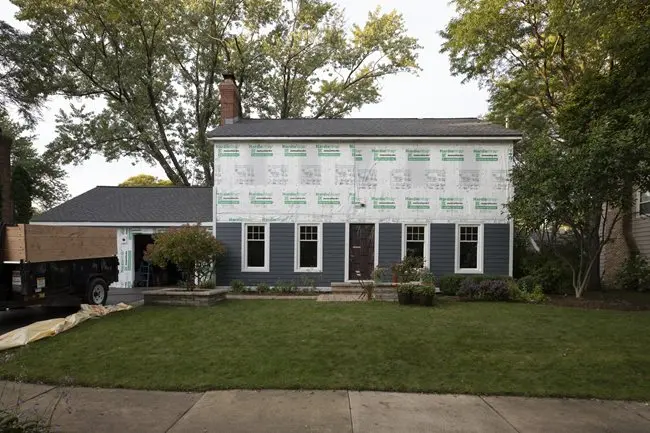
When evaluating all variables, autumn consistently emerges as the premier window for siding projects. Specifically, the period from late September through early November offers the most stable conditions. During this time, humidity levels typically drop, and the “Goldilocks” temperature range provides the ideal environment for vinyl stability. It is the best time of year for siding because it avoids the chaos of the spring rush and the physical limitations of summer heat.
From a contractor’s perspective, the fall is also a time of high productivity. The frantic pace of the summer peak usually begins to taper off, allowing for more focused attention on individual projects. Many companies are looking to fill their schedules before the winter freeze, which can sometimes lead to more competitive pricing or shorter lead times. You get the benefit of a seasoned crew that isn’t rushing to get to the next three jobs of the day.
In addition to the weather and labor benefits, fall installation prepares your home for the harshest season of the year. Siding is your home’s primary thermal envelope. By replacing old, cracked, or drafty siding in October, you immediately improve your home’s R-value. This leads to lower heating bills throughout the winter and prevents ice dams from forming due to heat escaping through the walls and up into the eaves.
Spring: The Season of High Demand and Unpredictable Rain
Many homeowners associate spring with renewal and immediately think of exterior upgrades. This surge in interest makes spring the most difficult time to secure a high-quality contractor. If you wait until April to start calling for quotes, you may find that the best companies are already booked through August. This high demand often leads to peak-season pricing, where you pay a premium for the convenience of a spring start.
The weather in spring is also notoriously fickle. While the temperatures are generally mild, the frequent rain showers can cause significant delays. Siding cannot be installed over wet sheathing, as trapping moisture behind the house wrap is a recipe for structural rot. A project that should take five days can easily stretch into two weeks if the “April showers” are particularly persistent this year.
However, if you can navigate the scheduling and the rain, spring does offer the benefit of immediate curb appeal for the summer. If you are planning to sell your home in the summer real estate peak, a fresh siding job in May can significantly boost your asking price. Just be prepared to vet your contractors carefully, as some may hire temporary, less-experienced labor to keep up with the seasonal influx of work.
Navigating the “Tax Refund” Rush
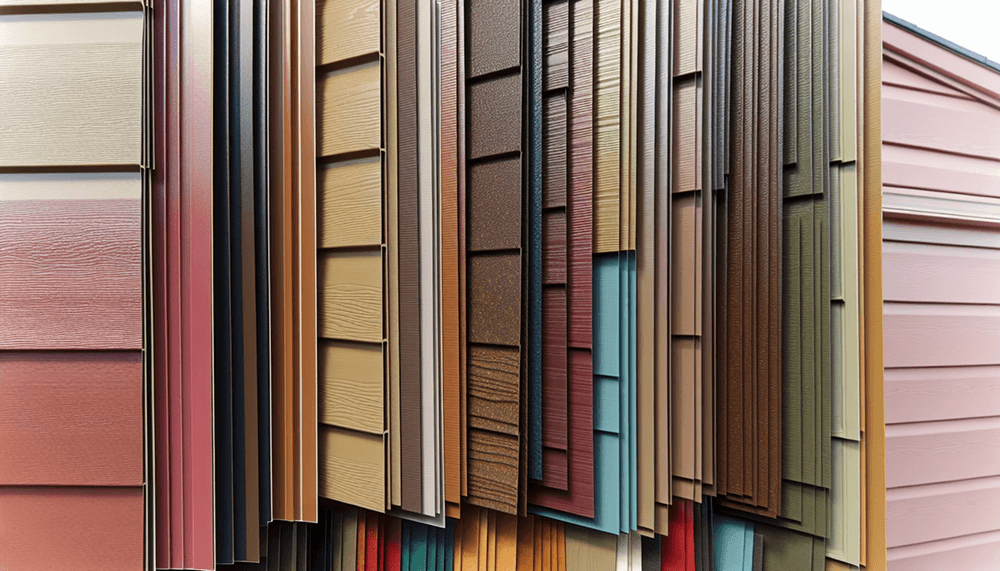
Economic cycles also dictate that spring is a high-volume period. Many homeowners use their annual tax refunds to fund home improvements. This creates an artificial spike in the market where material suppliers may experience shortages. Vinyl siding manufacturers often struggle to keep up with specific color demands in the spring, leading to backorders that can stall your project for weeks.
To avoid this, it is wise to order your materials in late winter if you insist on a spring installation. Securing your supply chain early ensures that your project doesn’t get sidelined by a lack of corner posts or specific trim pieces. Proactive planning is the only way to mitigate the logistical nightmares that often accompany the most popular season for renovations.
Summer: Dealing with Heat and Humidity
Summer is a paradox in the construction world. The long daylight hours allow for maximum work time, but the environmental conditions are often the most punishing. In many parts of the country, high humidity levels make exterior work grueling. For the materials, humidity can cause wood sheathing to swell slightly. If siding is installed over swollen wood, the entire system may shift as the wood dries out in the fall.
Sun exposure is another factor that many forget. Siding panels sitting in a stack in the driveway can reach internal temperatures of 120 degrees or more. Handling these hot panels requires gloves and careful technique. If they are installed while at their maximum thermal expansion, the “click-lock” system of the siding might not engage as securely as it would at a lower temperature, leading to loose panels later on.
Despite these challenges, summer remains a viable option for those who live in cooler northern climates. In states like Maine or Minnesota, the summer months actually mimic the spring/fall conditions of the South. If you live in a region where the mercury rarely crosses 85 degrees, summer might actually be your best window. It all depends on your specific micro-climate and the local weather trends of that particular year.
Managing the “Hurricane Season” and Summer Storms
For homeowners on the Atlantic coast or in the Gulf region, summer and early fall bring the threat of tropical storms. Replacing siding during hurricane season requires a contractor who is hyper-vigilant about daily weather tracking. You do not want your home’s protective layer removed only for a tropical depression to dump six inches of rain on the exposed plywood. Professional crews in these areas will often work in smaller sections to ensure the house is never too vulnerable.
Standard afternoon thunderstorms are also a factor. These quick, intense bursts of rain can catch a crew off guard. While they don’t usually stop work for the whole day, they can create mud and mess around the job site. This can lead to dirt getting trapped in the siding tracks, which is difficult to clean once the panels are locked into place. Consistent monitoring of the radar is essential for a clean summer installation.
Winter: The Budget-Conscious Alternative
While many shy away from winter work, it can be the best time of year for siding if you are looking for a bargain. Contractors often face a “winter slump” where their lead boards go cold. To keep their best employees on the payroll and the lights on in the office, many firms offer significant discounts during January and February. You might find that you can upgrade to a premium insulated vinyl product for the price of standard siding by simply choosing the off-season.
The key to a successful winter install is the skill of the crew. As mentioned earlier, cold vinyl is prone to cracking. A master installer knows how to adjust their cutting technique. They might use a heated trailer to keep the siding panels warm until the moment they are ready to be nailed to the wall. This extra care ensures the material doesn’t fracture under the pressure of the installation tools.
Furthermore, winter is actually a very dry season in many parts of the country. While it is cold, the lack of humidity and liquid rain can be beneficial for the wood structure of your home. As long as there isn’t active snowfall, the air is often crisp and clear. This prevents the moisture-trapping issues that are so common during the humid summer months or the rainy spring season.
The Impact of Frozen Ground on Equipment
One logistical hurdle of winter work is the ground condition. Siding replacement involves heavy ladders and sometimes scaffolding or “pump jacks.” If the ground is frozen, setting these up is actually easier and more stable than on soft, muddy spring soil. However, if there is a layer of ice, it creates a major safety hazard for the workers. A responsible contractor will always prioritize safety over speed when navigating an icy job site.
Landscaping is another consideration. In the winter, your bushes, flowers, and ornamental grasses are usually dormant or dead. This means the crew can move around the perimeter of your house without the fear of trampling your prize-winning peonies. For homeowners with elaborate gardens, winter is often the preferred time to have people walking all over the beds to reach the second-story gables.
Comparative Analysis of Seasonal Siding Installation
| Season | Pros | Cons | Ideal Material State |
|---|---|---|---|
| Spring | Pleasant working weather; Great for resale prep. | High demand; Frequent rain delays; Peak pricing. | Moderate – Good for neutral expansion. |
| Summer | Longest daylight hours; Fast completion times. | Extreme heat; Humidity issues; Potential for warping. | Expanded – Risk of gapping later. |
| Fall | Stable temperatures; Low humidity; Best labor focus. | Shorter days; Preparation for winter rush. | Perfect – The “Goldilocks” zone. |
| Winter | Lowest prices; Easy contractor availability. | Brittle materials; Slow progress; Extreme cold. | Contracted – Risk of buckling later. |
Why Material Choice Changes the Timing Strategy
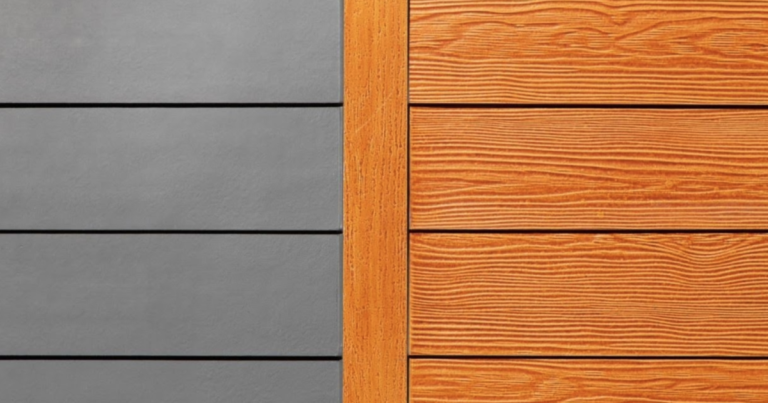
While vinyl is the most common material, it isn’t the only one. If you are considering fiber cement, such as James Hardie siding, your timing needs will shift. Fiber cement is a composite of sand, cement, and cellulose fibers. Unlike vinyl, it does not expand and contract significantly with temperature. However, it is highly sensitive to moisture during the installation phase, especially if you are using a product that requires on-site painting.
For fiber cement, the “best time” is strictly defined by the dry season. If the material gets saturated before it is sealed, it can hold that moisture, leading to paint failure or delamination. Consequently, summer or early fall is often better for fiber cement than the rainy spring or snowy winter. The temperature doesn’t matter as much as the humidity and the likelihood of a dry five-day window for the paint to cure properly.
Natural wood siding follows a similar logic. Wood must be acclimated to the local environment before installation. If you install wood siding in the middle of a humid summer, the boards will shrink as they dry, leaving unsightly gaps in your stain or paint. Wood projects are best suited for the late fall when the air is dry and the wood has reached its equilibrium moisture content. This ensures the tightest possible joints and the longest-lasting finish.
The Rise of Insulated Siding
If you are installing insulated vinyl siding, the timing becomes even more important. Insulated siding features a contoured foam backing that is adhered to the vinyl panel. This foam adds a layer of rigidity, but it also changes how the panel reacts to heat. Because the foam acts as an insulator, the vinyl face can actually get hotter than standard siding because the heat isn’t dissipating into the wall cavity as quickly.
Installing insulated siding in the peak of summer requires a contractor who understands “thermal lag.” The panels need to be handled carefully to ensure the foam doesn’t separate from the vinyl under high heat. Because this material is more expensive, you want to ensure the installation is perfect. Choosing a cool fall day ensures the foam and vinyl are both in a stable state, providing the best seal and the highest energy efficiency for your investment.
Contractor Scheduling and the Economic Cycle
Beyond the weather, the “best time” is often dictated by the business cycle of the construction industry. Most contractors run their fiscal year on a calendar basis. Toward the end of the year, many companies are looking to hit their annual revenue targets. This can lead to aggressive sales tactics and significant discounts in November and December. If you are a savvy negotiator, you can leverage this timing to get a better deal on premium materials.
Furthermore, the availability of specialized labor fluctuates. In the peak of summer, many companies are forced to use “sub-crews” to handle the volume. These may be general laborers rather than siding specialists. In the off-season, you are almost guaranteed to get the company’s “A-team”—the salaried, year-round employees who have the most experience and the highest attention to detail. This labor quality factor is often more important than the weather itself.
Communication is also better in the off-season. When a project manager has 20 active jobs in July, your phone calls might go unreturned for 24 hours. In October or November, when they only have five active jobs, you will likely receive white-glove service. You will get more frequent updates, more thorough site cleanups, and a more personalized experience overall. This reduces the stress that naturally accompanies any major home renovation.
The Impact of Material Lead Times
The global supply chain has become increasingly volatile in recent years. In the past, you could order vinyl siding and have it delivered in three days. Today, custom colors or specialized profiles can have lead times of six to twelve weeks. If you want your siding installed in the “perfect” fall window, you actually need to sign your contract in June or July. This allows for the inevitable delays in manufacturing and shipping.
Homeowners who wait until they see the first leaf fall to call a contractor are often disappointed. By the time the quote is signed and the materials arrive, it is often mid-December. This forces you into a winter installation that you might not have wanted. To truly hit the best time of year for siding, you must work backward from your desired start date by at least three to four months. This proactive approach ensures you get the color you want and the crew you trust.
Regional Variations Across the United States
It is important to remember that the “best time” is relative to your geography. In the Pacific Northwest, the “dry season” is a very narrow window in the summer. If you live in Seattle, you might prioritize a July installation simply because it’s the only time you can guarantee the sheathing won’t be soaked by rain. The risk of heat expansion is lower there because the temperatures rarely reach the triple digits seen in the South.
In the Southwest, the logic is flipped. Installing siding in Arizona during July is not only dangerous for the workers but potentially damaging to the vinyl. The extreme UV radiation and heat can make the material too soft to handle correctly. In these desert climates, late autumn and even the middle of winter are the prime seasons. The weather is mild, the sun is less intense, and the materials remain stable throughout the workday.
For those in the “Rust Belt” or the Northeast, the traditional four-season logic applies most strictly. The humidity of the summer and the snow of the winter create clear boundaries. In these regions, the battle for the October and May calendar slots is intense. If you live in these areas, being the first to sign a contract in the late winter for a spring start is the best way to ensure your project stays on track and within budget.
Coastal Considerations and Salt Air
If you live within a few miles of the ocean, salt air is a constant factor. While vinyl is naturally resistant to salt corrosion, the fasteners and the structural components behind the siding are not. Replacing siding in the coastal “off-season” (winter) can be difficult due to high winds. Wind-driven rain and salt spray can get behind the house wrap during the installation process if the crew is not careful. For coastal homes, late spring is often the best balance of lower wind speeds and manageable temperatures.
Corrosion-resistant fasteners, such as stainless steel nails, are a must in these areas. Regardless of when you install, ensure your contractor is using the correct hardware for a salt-air environment. Some homeowners find that installing during the dryer months of late summer allows the structure to “breath” out any salt-laden moisture before the new barrier is applied. This prevents the “trapped salt” effect that can accelerate the degradation of internal fasteners over time.
Preparing Your Home for a Seasonal Install
Regardless of which month you choose, preparation is key to a smooth project. If you have chosen a fall installation, your primary task is clearing the perimeter of the home. This includes pruning back bushes that might have overgrown during the summer. A clear workspace of at least three to five feet around the entire foundation is necessary for ladders and scaffolding. This not only speeds up the work but ensures the safety of the crew.
You should also consider your interior. Siding installation involves a lot of hammering on the exterior walls. This vibration can travel through the studs and cause pictures or mirrors to fall off the interior walls. Before the crew arrives, take down any fragile items from walls that are being worked on. This is especially true in the winter, when the cold can make wall materials slightly more brittle and prone to vibrating more intensely.
Communication with your neighbors is another vital step. Siding replacement is a noisy, dusty process. If you are doing a winter install, the noise might be more noticeable because the air is thinner and there is less foliage to dampen the sound. Giving your neighbors a heads-up—and perhaps a small gift—can prevent friction and ensure the project doesn’t result in any neighborhood disputes. A happy neighbor is much more likely to be patient with a contractor’s truck blocking part of the street.
Managing the Debris and “The Tear-Off”
The most chaotic part of any siding project is the removal of the old material. This is known as “the tear-off.” Old siding, especially wood or brittle vinyl, will break into thousands of small pieces. If you are working in the spring, these pieces can get lost in the mud. In the fall, they can get hidden under fallen leaves. A professional crew will use magnets to pick up stray nails and tarps to catch the bulk of the debris.
You should discuss the “staging” of the debris with your contractor. Where will the dumpster be placed? If it’s on your driveway during a hot summer week, the weight of the dumpster can actually crack or dent your asphalt. If it’s on your lawn during a rainy spring, it will leave deep ruts in the mud. Planning for a “mid-driveway” placement or using plywood protectors under the dumpster wheels is a sign of a thoughtful contractor who understands the seasonal risks to your property.
The Financial Impact: Financing and Incentives
Timing your project can also affect how you pay for it. Many lenders offer “home improvement specials” during the spring to coincide with the renovation rush. While the contractor’s price might be higher in May, your interest rate on a home equity line of credit (HELOC) might be lower due to seasonal promotions at local banks. It is worth checking with your financial institution to see if they have any upcoming “Energy Efficiency” loan programs that coincide with your project window.
Additionally, some manufacturers offer rebates during specific times of the year. Much like the automotive industry, siding manufacturers need to move “old stock” to make room for new color lines or profiles. These rebates are often most prevalent in the late fall or early winter. Combining a contractor’s off-season discount with a manufacturer’s rebate can result in thousands of dollars in savings, making the “less-than-ideal” weather of November much more attractive.
Don’t forget about utility company incentives. If you are upgrading to insulated siding, your local power company may offer a one-time rebate for improving your home’s envelope. These programs are often funded on an annual basis, meaning they have the most money available in January and may run out by October. If you are counting on a utility rebate, a spring or summer installation might be necessary to ensure the funds are still available when you file your paperwork.
Conclusion: Finding Your Ideal Window
Choosing the best time of year for siding is not a “one size fits all” decision. It is a calculated move based on your local climate, your budget, and your tolerance for potential delays. While autumn stands out as the overall winner for material stability and labor focus, every season has its unique advantages. The key is to avoid the extremes—the blistering heat of July and the bone-chilling cold of January—unless you are working with a highly specialized crew.
If you prioritize the longevity of the material and the precision of the fit, target the moderate days of September and October. If you are a bargain hunter who doesn’t mind a bit of a wait, the “winter slump” can offer incredible value. And if you are looking to sell your home, the spring rush might be your only option to maximize your curb appeal before the peak buying season. Regardless of your choice, the best time of year for siding is ultimately the time that allows you to hire the best contractor available.
By understanding the science of thermal expansion and the economics of the construction industry, you can transform a standard maintenance task into a strategic home investment. Take the time to plan, order your materials early, and keep a close eye on the forecast. Your home’s exterior is its first line of defense; giving it the benefit of a well-timed installation ensures that defense will hold strong for decades to come.