Choosing the Right Siding Profile: The Ultimate Vinyl Siding Guide
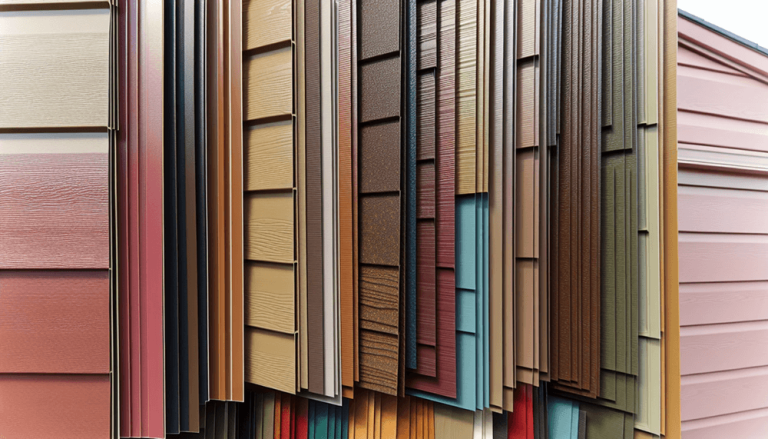
The exterior of your home serves as the primary defense against the elements while simultaneously acting as the visual signature of your property. When homeowners embark on a vinyl siding replacement project, they often focus primarily on color, yet the architectural profile of the siding determines the underlying character of the structure. Choosing the right siding profile is a decision that balances historical accuracy, regional trends, and personal aesthetic preferences to create a cohesive look. Consequently, understanding the nuances of how different shapes and shadows interact with light is essential for a successful renovation.
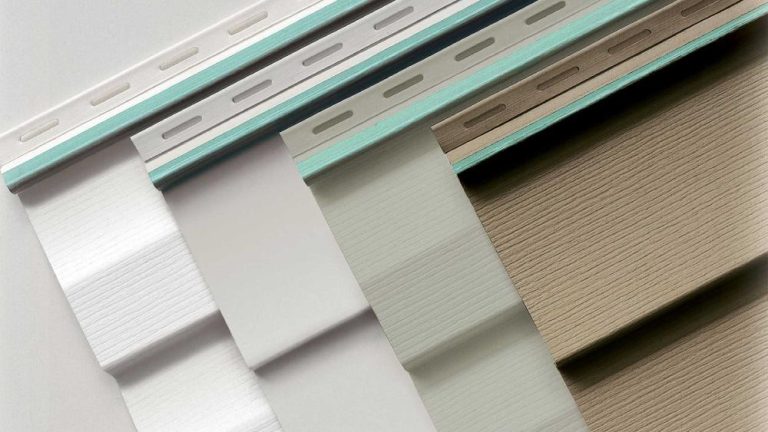
A siding profile refers to the specific shape of the individual siding boards and how they overlap or interlock when installed. While vinyl technology has advanced to offer incredible durability, the visual impact is still dictated by these traditional shapes. For instance, a horizontal clapboard profile provides a completely different vibe than a vertical board and batten design. Each choice carries its own set of visual weights and architectural connotations that can either enhance or diminish your home’s curb appeal.

Furthermore, the profile you select influences how your home interacts with the environment. Certain profiles are designed to shed water more effectively in high-rain areas, while others are engineered to provide deep shadow lines that mimic the look of handcrafted wood. In this exhaustive guide, we will analyze every major siding profile available today, helping you navigate the complexities of vinyl siding replacement with confidence and precision.
The Fundamental Anatomy of Siding Profiles
Before diving into specific styles, it is crucial to understand the terminology used in the industry. The “reveal” or “exposure” refers to the width of the individual board that is visible once the siding is installed. Smaller reveals often look more traditional and intricate, whereas larger reveals—sometimes up to 7 or 8 inches—provide a modern, clean appearance. The width of the reveal significantly changes the scale of the house.
The “projection” is another vital component, referring to how far the siding sticks out from the wall. A deeper projection creates more significant shadow lines, which adds depth and texture to the facade. This depth is what distinguishes premium vinyl products from budget-grade options. When the sun moves across the sky, these shadows change, giving the home a dynamic appearance that shifts throughout the day.
In addition to reveal and projection, the “texture” of the profile plays a major role. Most vinyl siding profiles are available in smooth finishes or wood-grain textures. Wood-grain finishes are designed to mimic the natural imperfections of cedar or pine, while smooth finishes are often preferred for modern or contemporary designs. Choosing between these textures is just as important as selecting the profile shape itself.
Traditional Lap Siding: The Timeless Standard
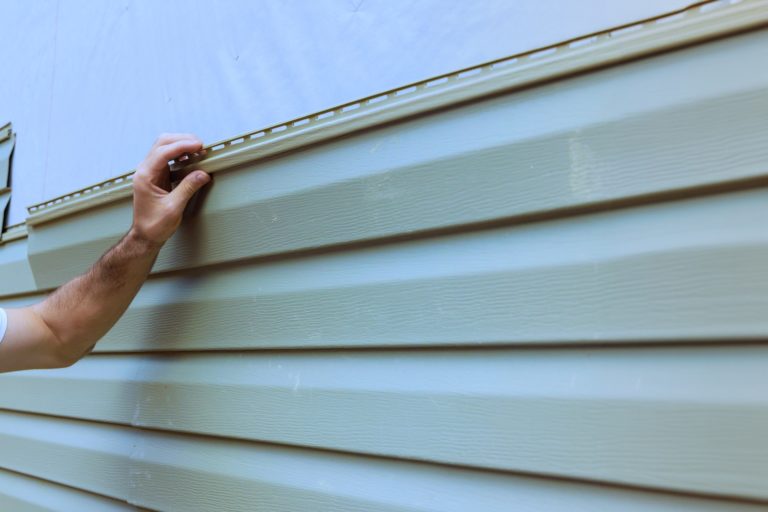
Traditional lap siding, often referred to as clapboard, is the most common profile found in North American residential architecture. It features long, horizontal boards that overlap one another at a slight angle. This design was historically used to ensure that rainwater would run off the boards and away from the interior structure. It remains a staple due to its versatility and clean, simple lines.
This profile is particularly well-suited for Colonial, Cape Cod, and Ranch-style homes. Because of its ubiquity, it offers a safe and classic choice for homeowners who want to maintain a traditional neighborhood aesthetic. However, its simplicity does not mean it lacks variety. Homeowners can choose from different exposure widths to customize the level of detail on their exterior.
When selecting traditional lap, consider the “double” or “triple” configurations. A “Double 4” profile means there are two 4-inch laps on a single panel of siding. This makes installation faster and reduces the number of seams. In contrast, a “Triple 3” profile creates a much busier, more detailed look that is often seen on historic restorations or smaller, cottage-style homes.
The Elegance of Dutch Lap Profiles
Dutch Lap siding is a variation of traditional horizontal lap that incorporates a decorative groove at the top of each board. This groove creates a distinct shadow line that is much more pronounced than that of standard clapboard. Originally popularized in the Mid-Atlantic region, Dutch Lap provides a sense of craftsmanship and historical depth that many homeowners find appealing.
The primary advantage of Dutch Lap is its ability to create visual interest through contrast. The flat face of the board reflects light, while the recessed groove remains in shadow. This creates a rhythmic pattern across the wall that can make a large, flat surface look more textured and expensive. It is a favorite for those seeking a more “custom” look without the price tag of specialty materials.
Moreover, Dutch Lap is exceptionally effective at hiding minor imperfections in the wall surface. Because the eye is drawn to the strong horizontal shadow lines, any slight waves in the substrate are less noticeable. This makes it a practical choice for older homes where the original framing might not be perfectly plumb. It remains one of the most popular choices in the context of vinyl siding replacement.
Beaded Siding: A Touch of Southern Charm
Beaded siding is a premium horizontal profile that features a rounded “bead” at the bottom of each lap. This style originated in the American South and was traditionally a sign of wealth and meticulous hand-tooling. Today, vinyl technology allows for the mass production of this elegant profile, making it accessible to a wider range of homeowners.
The beaded edge adds a sophisticated layer of detail that elevates the overall look of the home. It is particularly effective on smaller structures or as an accent on specific architectural features like gables or dormers. The bead creates a very thin, sharp shadow line that provides a high-end, tailored appearance often associated with historical estates.
However, because of the extra detail, beaded siding can sometimes feel too “busy” if used on an extremely large, uninterrupted wall. It is often best utilized in combination with other profiles or on homes with significant architectural breaks like large windows and porches. Choosing the right siding profile like beaded lap requires a keen eye for scale and proportion.
Choosing the Right Siding Profile
When you are in the process of choosing the right siding profile, the primary objective is to align the exterior aesthetic with the home’s original architectural intent. A Victorian home, for example, demands more complexity and texture than a mid-century modern ranch. By analyzing the lines of your roof, the pitch of your gables, and the style of your windows, you can identify which profile will most naturally complement the existing structure.
Furthermore, regionality plays a massive role in this selection. In the Pacific Northwest, many homeowners lean toward shingle or shake profiles that mimic the look of cedar. In the Northeast, traditional clapboard remains the gold standard. Understanding these regional cues can help ensure that your home fits into its surroundings while still standing out as a well-maintained property. This balance is critical for long-term resale value.
Lastly, don’t forget the impact of color on the profile’s appearance. Darker colors tend to minimize shadow lines because the entire surface is absorbing more light. Conversely, lighter colors like cream, white, or light gray accentuate shadows, making the profile’s shape much more prominent. If you choose a profile with a deep projection like Dutch Lap, a lighter color will truly make that architectural detail pop.
Board and Batten: The Vertical Revolution
Board and batten is a vertical siding profile that has seen a massive resurgence in recent years, largely due to the “Modern Farmhouse” trend. This style consists of wide vertical boards (the boards) with narrow strips (the battens) covering the seams. This creates a strong vertical rhythm that can make a home appear taller and more imposing.
This profile is an excellent choice for adding height to a one-story home or for creating a focal point on a specific wing of a larger house. Because it is installed vertically, it offers a stark contrast to the traditional horizontal lines of most residential neighborhoods. This contrast is often used by architects to break up the monotony of large facades and add a sense of rugged, rustic elegance.
In addition to its aesthetic appeal, board and batten is historically associated with functional durability. In the past, the battens were used to seal the gaps between boards to keep out the wind. Today’s vinyl versions provide the same look with modern interlocking technology that ensures a watertight seal. It is a robust option for those looking to depart from the standard horizontal look during a vinyl siding replacement.
Shakes and Shingles: Rustic and Textured
Vinyl shakes and shingles are designed to replicate the appearance of hand-split cedar. They are typically installed in smaller panels and feature staggered or straight edges. The texture is usually much more aggressive than that of lap siding, featuring deep grains, knots, and “saw marks” that give the material a highly authentic wood-look.
These profiles are most commonly used in gables or as accents, but they can also be used for the entire home for a “coastal cottage” or “mountain lodge” vibe. Because the texture is so pronounced, shakes create a massive amount of visual weight. They are perfect for homes nestled in natural environments where a sleek, smooth finish might look out of place.
There are several variations of this profile, including “half-round” or “scalloped” shingles. Scallops provide a decorative, feminine touch that is frequently seen on Queen Anne Victorian homes. While they are a niche choice, they are invaluable for historical accuracy. Choosing the right siding profile in these instances often means looking at old photographs of the home to see what was originally intended by the builder.
Log Siding Profiles: The Cabin Aesthetic
For homeowners who want the look of a log cabin without the extreme maintenance requirements of real wood, vinyl log siding is a unique profile option. This profile is curved to mimic the rounded shape of a felled log. It often includes “chinking” lines that replicate the mortar used in traditional log construction.
Vinyl log siding is incredibly niche but serves a specific purpose for vacation homes, hunting cabins, or themed residences. It provides excellent insulation properties due to the hollow space behind the curved profile, which can be filled with contoured foam. This makes it one of the more energy-efficient profile choices available on the market.
However, it is important to note that log siding is a very bold choice. It can be difficult to transition this profile to other materials or to use it in a traditional suburban setting without it looking out of place. If you are considering this profile, ensure that the surrounding landscape and neighboring homes are compatible with such a rustic aesthetic.
Comparative Analysis of Siding Profiles
Choosing the right siding profile requires a side-by-side comparison of how these shapes perform in various categories. Below is a detailed breakdown of the most popular profiles based on their visual impact, cost, and best-use cases.
| Profile Type | Visual Orientation | Primary Aesthetic | Relative Cost | Best Architectural Style |
|---|---|---|---|---|
| Traditional Lap | Horizontal | Clean, Timeless | $ (Economy) | Colonial, Ranch, Cape Cod |
| Dutch Lap | Horizontal | Textured, Craft-heavy | $$ (Mid-range) | Traditional, Craftsman |
| Beaded Lap | Horizontal | Elegant, Detailed | $$$ (Premium) | Southern Colonial, Victorian |
| Board and Batten | Vertical | Rustic, Bold | $$ (Mid-range) | Modern Farmhouse, Barn-style |
| Cedar Shakes | Horizontal/Panel | Natural, Rugged | $$$$ (Specialty) | Coastal, Mountain, Victorian |
| Scalloped/Half-Round | Horizontal/Panel | Ornate, Decorative | $$$$ (Specialty) | Victorian Accents |
This table illustrates that while economy is often found in traditional lap, the investment in more complex profiles like beaded or shakes can dramatically change the perceived value of the home. The cost difference is often attributed to the complexity of the manufacturing process and the amount of material required to create deep projections and textures.
The Impact of Profile on Wind Resistance
When selecting a profile, one must also consider the physics of the design. Horizontal profiles with a “locking” mechanism at the top and bottom of each panel are designed to stay secure during high-wind events. However, vertical profiles like board and batten can sometimes be more susceptible to wind “rattle” if not installed with a heavy-duty nail hem.
Modern vinyl engineering has largely solved these issues, but it is still a factor to consider in hurricane-prone or high-wind areas. Some profiles are specifically rated for wind speeds up to 150 mph. When choosing the right siding profile, ask your contractor about the wind load ratings of the specific shapes you are considering, as the geometry of the panel can affect how air flows over the surface.
Furthermore, the “lap” of the siding helps with moisture management. Traditional horizontal lap is naturally gifted at shedding water downward. In contrast, vertical siding relies on the integrity of the vertical seams and the house wrap behind it. If you live in a climate with horizontal wind-driven rain, the overlapping nature of horizontal profiles provides an extra layer of mechanical protection for your sheathing.
Mixing Profiles for Maximum Curb Appeal
One of the most effective ways to use siding profiles is to mix them. You do not have to stick to just one shape for the entire house. In fact, most high-end architectural designs use a combination of two or three profiles to create visual hierarchy. For example, you might use horizontal lap for the main body of the house and board and batten for the gables.
Another popular combination is using shakes on the front-facing “accent” walls and traditional lap on the sides and back. This allows you to put your budget where it has the most visual impact. When mixing profiles, it is important to maintain a consistent color palette or use complementary tones so the house doesn’t look fragmented or busy.
Transitions between different profiles are handled with “transition trim” or “Z-flashing.” These pieces ensure that water is diverted away from the house where the two different shapes meet. Proper planning of these transitions is what separates a professional vinyl siding replacement from a DIY job. It requires an understanding of both the aesthetic and the structural requirements of the materials.
Scale and Proportion: Choosing for Your Home’s Size
The scale of the siding profile must match the scale of the house. A common mistake is choosing a profile with a very wide reveal for a small, single-story cottage. This can make the house look even smaller and somewhat “compressed.” Conversely, a tiny 3-inch reveal on a massive three-story estate can look overly busy and distracting from a distance.
Generally, larger homes can handle larger reveals (6 to 7 inches), which provide a stately and substantial appearance. Smaller homes usually look best with 4 to 5-inch reveals. If you are unsure, many manufacturers offer online visualizers where you can upload a photo of your home and “test” different profiles. This is an invaluable tool in the process of choosing the right siding profile.
In addition to reveal width, consider the “shadow line” depth. A deep shadow line adds “visual weight,” which can help anchor a tall house to the ground. If your home has high ceilings and tall walls, a profile with a significant projection like a double-6 Dutch Lap can help break up the vastness of the exterior walls and make the home feel more proportional.
The Role of Light and Shadow in Profile Selection
Architectural beauty is often defined by the play of light and shadow. Siding profiles are essentially “shadow makers.” A flat, smooth profile with no overlap would look like a painted sheet of plywood from the street. The overlaps and grooves in vinyl siding are designed to create shadows that define the shape of the building.
If your home faces North, it will receive less direct sunlight, meaning shadows will be softer and less defined. In this case, you might want a profile with a more aggressive projection to ensure the texture is still visible. If your home faces South or West and receives harsh, direct sunlight, even a subtle profile like a beaded lap will cast strong, sharp shadows.
Consider how the home looks at “golden hour” (just before sunset). This is when the low angle of the sun hits the siding profiles most dramatically. A house with high-quality shakes or Dutch Lap will “glow” with a variety of highlights and deep shadows, creating a rich, multi-dimensional look that adds significant emotional appeal and value to the property.
How Profiles Affect Maintenance and Cleaning
While vinyl is generally low-maintenance, the profile you choose does impact how much effort is required to keep it clean. Horizontal profiles with deep grooves, like Dutch Lap or Beaded siding, can collect dust, pollen, and spider webs in the recesses. These areas may require a more thorough power wash or scrubbing than a flat, traditional lap profile.
Shakes and shingles are even more prone to collecting debris because of their rough, textured surfaces. In damp or shaded environments, these textures can also provide a foothold for algae or mildew growth. If you choose a highly textured profile, be prepared to perform a basic cleaning at least once a year to keep the colors looking vibrant and the “wood” grain clear of grime.
On the other hand, vertical profiles like board and batten tend to stay cleaner naturally. Because the lines run vertically, gravity helps rainwater wash away dust and dirt more effectively. There are fewer horizontal “shelves” for debris to sit on. For homeowners who prioritize the absolute minimum amount of maintenance, vertical profiles offer a slight functional advantage.
Historical Accuracy in Siding Profiles
If you own a historic home, choosing the right siding profile is not just about personal taste—it is about preservation. Many historic districts have strict guidelines about which profiles can be used during a renovation. Even if your home isn’t in a protected district, maintaining historical accuracy is better for the home’s long-term value and architectural integrity.
For a Victorian-era home, you should look for narrow lap siding or decorative shingles. For a Craftsman home, look for wide-reveal lap or shakes. If you are working on a mid-century modern home, a smooth, horizontal lap with a wide reveal or even vertical siding might be more appropriate. Researching the specific architectural movement your home belongs to is a vital step.
Vinyl manufacturers have responded to the needs of historic homeowners by creating “historic collections” that precisely replicate the profiles used 100 years ago. These panels often feature a matte finish rather than a glossy one, further enhancing the illusion of painted wood. When performing a vinyl siding replacement on an older home, these specialty lines are often worth the additional investment.
The Impact on Property Resale Value
The exterior of your home is the first thing a potential buyer sees. A cohesive and well-chosen siding profile can add thousands of dollars to your home’s resale value. Buyers often associate certain profiles with “quality.” For example, board and batten or cedar-look shakes are frequently perceived as “upgrades” compared to standard lap siding.
However, it is possible to “over-style” a home for its neighborhood. If every other home on the block has traditional horizontal siding, installing a full-house log siding profile might actually make the home harder to sell because it appeals to a much smaller pool of buyers. The goal is to be the “nicest house on the block” without being the “weirdest house on the block.”
Ultimately, choosing the right siding profile is an investment in your home’s future marketability. A high-quality vinyl siding replacement that respects the home’s architecture will always have a high return on investment (ROI). It signals to buyers that the homeowner paid attention to detail and invested in the property’s long-term aesthetic and structural health.
Environmental and Insulation Considerations
Beyond aesthetics, the profile you choose can affect the energy efficiency of your home. Many premium vinyl profiles are available with “insulated backing.” This is a layer of expanded polystyrene (EPS) foam that is contoured to fit the specific shape of the profile. This foam fills the gap between the siding and the wall, providing a higher R-value (insulation rating).
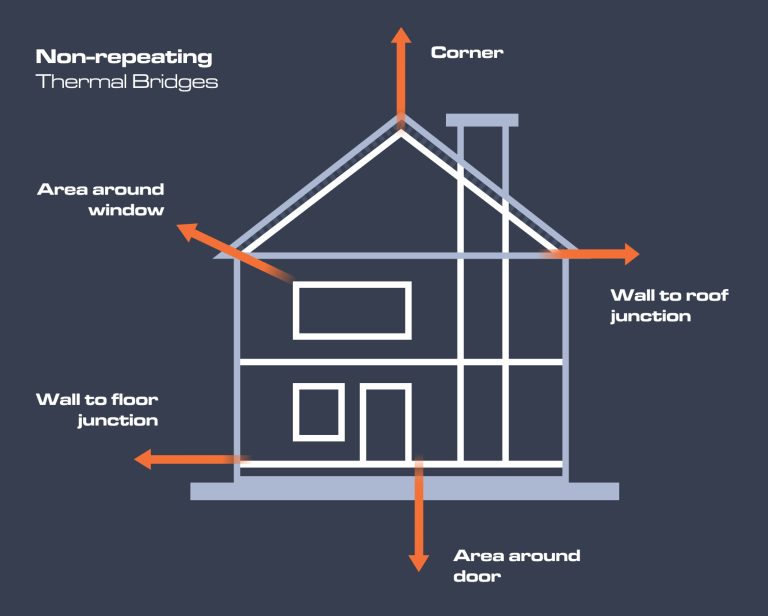
Profiles with deeper projections, like Dutch Lap or Shakes, have more room for thicker insulation. This can significantly reduce your heating and cooling costs by breaking the “thermal bridge” between the exterior air and the interior studs. When choosing the right siding profile, consider the energy savings that come with insulated variants, especially in extreme climates.
Additionally, the rigidity provided by the foam backing makes the siding panels much more impact-resistant. This is a major benefit if you live in an area prone to hail or if your home is near a golf course or a busy street where debris might hit the walls. The insulation supports the profile’s shape, ensuring it doesn’t dent or rattle, further preserving the home’s beauty for decades.
Installation Nuances: What to Expect
The complexity of the profile directly correlates to the complexity of the installation. Traditional lap is relatively straightforward and fast to install. However, vertical siding or shakes require more careful layout and cutting. For instance, board and batten requires specific corner posts and transition pieces that differ from horizontal systems.
When choosing the right siding profile, you must also consider the skill level of your contractor. Shakes, in particular, require an eye for detail to ensure the “random” pattern looks natural and that the seams are well-hidden. Improperly installed shakes can look like a series of repeating boxes, which ruins the hand-crafted aesthetic you are trying to achieve.
Always ask potential contractors for photos of their previous work with the specific profile you are choosing. A contractor who is excellent at installing basic horizontal vinyl may not have the experience necessary for a complex multi-profile Victorian restoration. The technical execution is just as important as the material selection itself in ensuring a high-end finished product.
Conclusion: Synthesizing Your Choice
Choosing the right siding profile is a multi-faceted process that requires you to be part architect, part historian, and part pragmatist. By considering the architectural style of your home, the regional climate, and the visual power of light and shadow, you can transform a standard vinyl siding replacement into a significant home improvement. Whether you opt for the timeless appeal of traditional lap, the rustic charm of board and batten, or the sophisticated detail of beaded siding, your choice will define your home for years to come.
Remember that your home’s exterior is a long-term commitment. While it can be tempting to follow the latest trends, the most successful siding projects are those that feel “correct” for the house’s bones. Take your time, order samples, use visualizers, and look at other homes in your area. With the right profile, your home won’t just look new—it will look like the best version of itself.
In the end, the perfect profile is the one that makes you feel proud every time you pull into your driveway. It is the marriage of form and function, providing a durable, beautiful shell that protects your family and enhances your community. By following the principles outlined in this guide, you are well-equipped to make a decision that adds lasting value and beauty to your property.