Planning Your Siding Replacement Project: A Master Guide
Embarking on a comprehensive siding replacement project is one of the most significant investments a homeowner can make in the longevity and value of their property. Beyond the immediate aesthetic transformation, updated cladding serves as a critical barrier against the harsh elements of nature. Consequently, understanding the intersection of material science, structural engineering, and architectural design is essential for a successful outcome. This guide delves into the nuanced details of modern vinyl siding and the complex logistics involved in a full-scale exterior overhaul.
Homeowners often view their exterior walls as static components, yet they are dynamic systems that breathe, expand, and contract. When these systems fail, the repercussions extend far beyond mere cosmetic dissatisfaction. Infiltration of moisture can lead to rot in the underlying sheathing, which eventually compromises the home’s structural integrity. Therefore, viewing this renovation not just as a visual update but as a protective upgrade is vital for long-term peace of mind.
Furthermore, the technology behind modern polymers has evolved drastically over the last two decades. Today’s vinyl options offer superior UV resistance, improved impact durability, and sophisticated textures that mimic natural wood grains with startling accuracy. By approaching your siding replacement project with a focus on both technical specifications and design trends, you ensure that every dollar spent contributes to the home’s efficiency and resale value.
Recognizing the Indicators of Cladding Failure
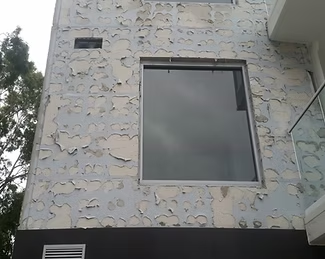
Before initiating any renovation, it is crucial to perform a diagnostic assessment of the existing exterior. Subtle signs often point to deep-seated issues that require immediate attention. For instance, if you notice localized bubbling or blistering on your current siding, it usually indicates that moisture is trapped behind the panels. This phenomenon often suggests a failure in the vapor barrier or improper flashing around windows and doors.
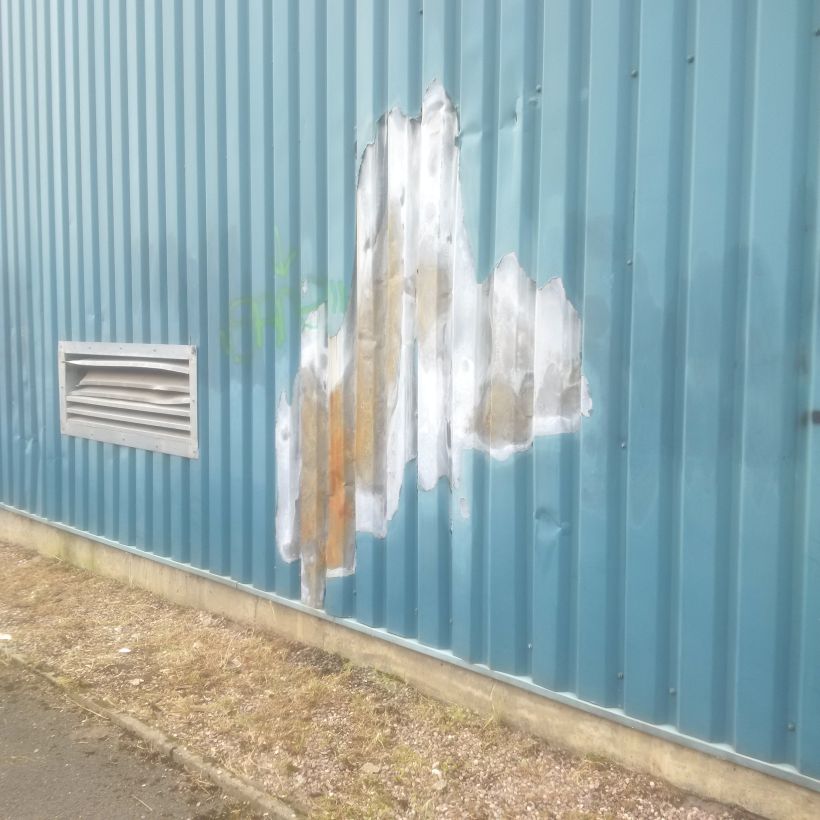
Another red flag is the presence of warped or wavy boards, which typically signifies that the material has reached the end of its functional life cycle. In some cases, this warping occurs because the original installation did not allow for the necessary thermal expansion. Regardless of the cause, these gaps allow insects and rodents to find easy access points into your wall cavities, leading to much more expensive repairs down the road.
Interior symptoms are equally telling. If you observe peeling wallpaper or mold growth on the inside of exterior-facing walls, the exterior envelope has likely been breached. A high-quality siding replacement project addresses these systemic failures by stripping the home down to its substrate. This allows contractors to inspect the “bones” of the house and remediate any hidden rot before the new protective layer is applied.
Thermal Efficiency and Utility Deviations
Unexpected spikes in heating or cooling costs are often the first financial indicators that your home’s insulation is inadequate. While attic insulation is frequently blamed, the walls account for a massive percentage of a home’s thermal envelope. Old, thin siding provides virtually zero R-value, acting as little more than a windbreak rather than a thermal barrier.
Modern vinyl systems can be paired with rigid foam backings that provide “continous insulation.” This method effectively breaks the thermal bridge created by wooden studs, which typically conduct heat out of the house. By upgrading the exterior, you are essentially wrapping your home in a high-efficiency blanket that pays for itself over time through reduced energy consumption.
Siding replacement project
A structured timeline is the backbone of any successful siding replacement project. Typically, the process begins with a detailed measurement phase where the total square footage of the exterior walls is calculated, accounting for waste and complex architectural features. This ensures that the material order is accurate, preventing mid-project delays that could leave the home exposed to the weather.
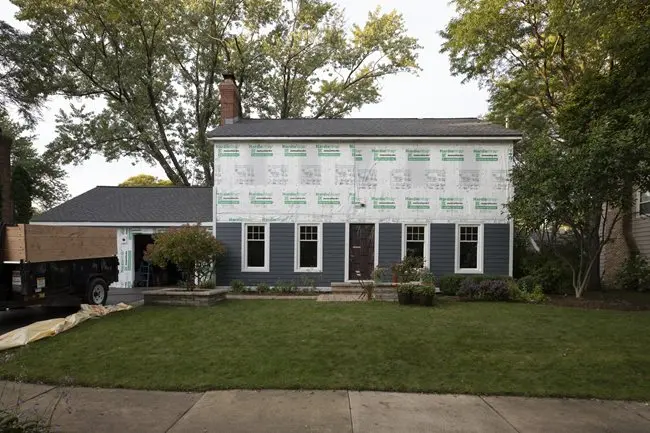
Once the materials arrive, the “tear-off” phase commences. This is perhaps the most critical stage, as it involves the removal of all existing siding, trim, and old house wrap. Experienced crews will use this opportunity to inspect for “soft spots” in the plywood sheathing. Replacing damaged sheathing at this stage is mandatory, as new siding must be nailed into a solid, rot-free substrate to maintain its wind load rating.
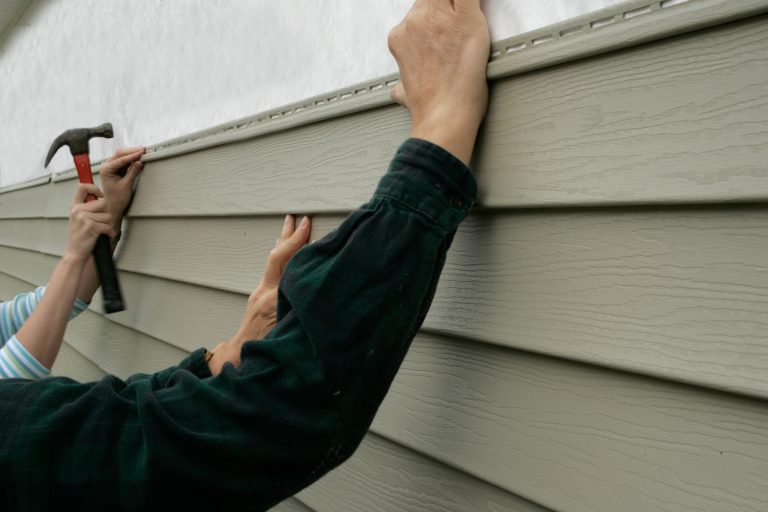
The final phase involves the meticulous installation of the new panels, starting from the lowest point of the house and working upward. Professional installers pay close attention to the “float” of the vinyl. Unlike wood, vinyl is never nailed tight; instead, it is hung from the nails to allow it to slide horizontally as temperatures change. This technical nuance is what prevents the panels from buckling during the heat of summer or cracking in the winter.
Material Science: The Superiority of Modern Vinyl
Vinyl siding, or polyvinyl chloride (PVC) cladding, has undergone a chemical revolution. Early iterations were prone to “chalking” and fading due to UV exposure. However, modern formulations include titanium dioxide and high-grade stabilizers that lock in color and prevent the polymer chains from breaking down under the sun’s intense radiation. This results in a product that maintains its vibrant hue for decades without the need for painting.
Durability is another area where vinyl excels. Manufacturers now produce “extra-thick” panels, often ranging from 0.040 to 0.046 inches. These thicker grades are significantly more resistant to impact damage from hail or stray baseballs. Additionally, the integral color of the vinyl means that scratches do not show, as the pigment goes all the way through the material rather than sitting on the surface like a coat of paint.
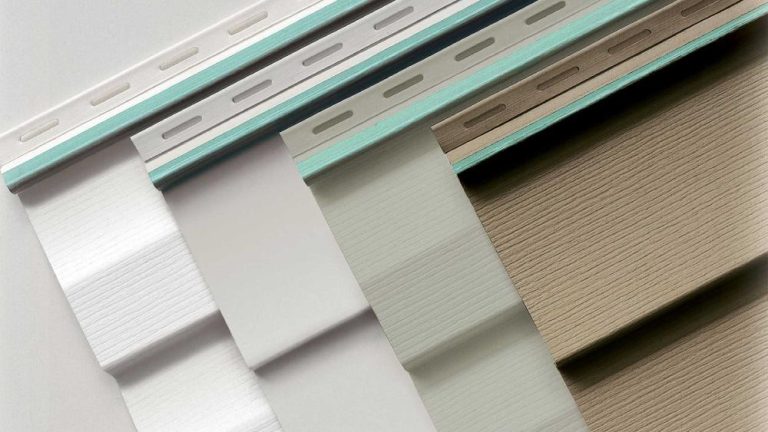
From a design perspective, the versatility of vinyl is unmatched. Homeowners can choose from traditional clapboard profiles, Dutch lap styles, or even vertical board and batten for a modern farmhouse aesthetic. This variety allows for deep customization, enabling you to highlight architectural features like gables or dormers with contrasting textures and colors while keeping the primary siding replacement project within a cohesive theme.
In addition to its aesthetic flexibility, vinyl is exceptionally low-maintenance. Unlike wood, which requires scraping, priming, and painting every five to seven years, vinyl only requires an occasional wash with a garden hose and mild detergent. This reduction in long-term maintenance costs makes it an economically superior choice for most residential applications.
The Importance of Mil Thickness and Profiles
When selecting your materials, the “mil” thickness is a primary indicator of quality. A thicker panel is more rigid, which helps it bridge imperfections in the wall and creates a straighter, cleaner look across the length of the home. Furthermore, premium panels often feature a reinforced nail hem, which provides double the thickness at the point where the siding is most vulnerable to wind lift.
Profile choice also impacts the structural rigidity of the wall. For example, a Dutch lap profile has a decorative groove that adds a horizontal shadow line. This groove also acts as a structural rib, making the panel stiffer and more resistant to bending. Understanding these mechanical advantages helps homeowners move beyond price-based decisions to quality-based investments.
Financial Planning and Return on Investment
Budgeting for a siding replacement project requires an analytical approach to both upfront costs and long-term value. While the initial price tag might seem substantial, it is important to consider the “Cost vs. Value” reports frequently published by industry experts. Traditionally, high-quality siding replacement offers one of the highest returns on investment of any home improvement, often recouping 70% to 80% of its cost upon resale.
The total cost is influenced by several variables: the size of the home, the complexity of the architecture (such as multiple stories or turrets), and the choice of trim and accessories. Transitioning from basic vinyl to a premium, insulated product will increase the material cost but will significantly lower the energy bills over the lifetime of the home. Consequently, the “net cost” over ten years is often lower for the higher-end product.
Labor is another significant component of the budget. It is tempting to choose the lowest bidder, but expert craftsmanship is non-negotiable in exterior renovations. A poorly installed system will leak, buckle, and fail prematurely, leading to costs that far exceed the initial savings. It is advisable to set aside a 10% contingency fund to cover any unforeseen structural repairs discovered once the old siding is removed.
| Cost Factor | Description | Estimated Impact |
|---|---|---|
| Material Grade | Standard vs. Premium (0.040 vs. 0.046 mil) | 20% – 40% of material cost |
| Insulation Type | Non-insulated vs. Integrated Continous Foam | $2,000 – $5,000 additional |
| Architectural Complexity | Corners, soffits, and high-reaching gables | Varies by labor hours |
| Removal & Disposal | Stripping old layers and dumpster fees | $1,500 – $3,000 |
Managing the Installation Logistics
A professional siding replacement project is a major construction event that transforms your property into a job site for several days or weeks. Preparation is the key to minimizing disruption. For instance, homeowners should clear the perimeter of the house, moving patio furniture, potted plants, and clearing any low-hanging branches that might obstruct the scaffolding or ladders.
Inside the home, the vibration from thousands of hammer strikes can cause items to fall off walls or shelves. It is a wise precaution to remove delicate artwork and mirrors during the heavy construction phase. Additionally, ensure that your contractor has a clear plan for debris management. A “rolling” dumpster or a dedicated trailer should be on-site to collect old siding and nails immediately, preventing safety hazards for pets and children.
Communication with neighbors is also a courteous step. The noise of pneumatic nail guns and saws is unavoidable, so informing those nearby about the expected timeline can maintain good relations. Furthermore, discuss the “staging area” with your contractor. Large pallets of siding and trim need a flat, dry space for storage, usually in the driveway or a specific portion of the yard.
The Technical Necessity of Proper House Wrap
The siding itself is merely the first line of defense; the real moisture management happens underneath. A modern siding replacement project should always include the installation of a high-quality house wrap. This material is a “vapor-permeable” membrane that allows moisture trapped inside the wall to escape as vapor, while preventing liquid water from reaching the wooden sheathing.
Historically, felt paper was used for this purpose, but it is prone to tearing and degradation. Modern synthetic wraps are engineered to be much more durable. They are taped at every seam with specialized flashing tape to create a continuous “weather-resistive barrier” (WRB). Without this critical layer, even the most expensive vinyl siding will eventually allow wind-driven rain to damage the home’s structure.
In addition to moisture protection, house wrap acts as an air barrier. By sealing the small cracks and gaps in the sheathing, it prevents air infiltration—often referred to as “drafts.” This secondary function significantly boosts the home’s comfort levels, especially in regions with high winds or extreme temperature fluctuations. It is the hidden hero of the entire cladding system.
Advanced Flashing Systems
Flashings are the unsung components that redirect water away from vulnerable intersections like windows, doors, and rooflines. During a siding replacement project, all existing flashings should be inspected and typically replaced. This includes “head flashings” above windows, which prevent water from running behind the window frame, and “kick-out flashings” at roof-to-wall transitions.
Improper flashing is the leading cause of rot in modern homes. Professionals use a combination of metal (often aluminum) and flexible self-adhering membranes to create a “shingle-style” drainage plane. This ensures that gravity always pulls water down and out, away from the interior of the home, rather than allowing it to pool on horizontal surfaces.
Vetting and Selecting the Right Contractor
The success of your siding replacement project hinges entirely on the skill of the installers. Since siding is a trade that requires both physical stamina and technical precision, vetting candidates is a rigorous process. Begin by verifying that the contractor is licensed and carries both general liability insurance and workers’ compensation. This protects you from being held liable for any accidents that occur on your property.
Ask for a list of recent references and, if possible, go see their work in person. Look for the small details: Are the J-channels cut at clean 45-degree angles? Are the seams between panels staggered properly so they are less visible? Do the panels look straight and level over long spans? These are the hallmarks of a craftsman who takes pride in their work.
Furthermore, ensure the contractor offers a labor warranty in addition to the manufacturer’s material warranty. While the manufacturer covers defects in the vinyl itself, the labor warranty covers issues like panels blowing off in a storm or leaking due to poor installation. A reputable company should stand behind their work for at least two to five years, as most installation errors manifest within the first few seasonal cycles.
Comparing Vinyl to Alternative Cladding Materials
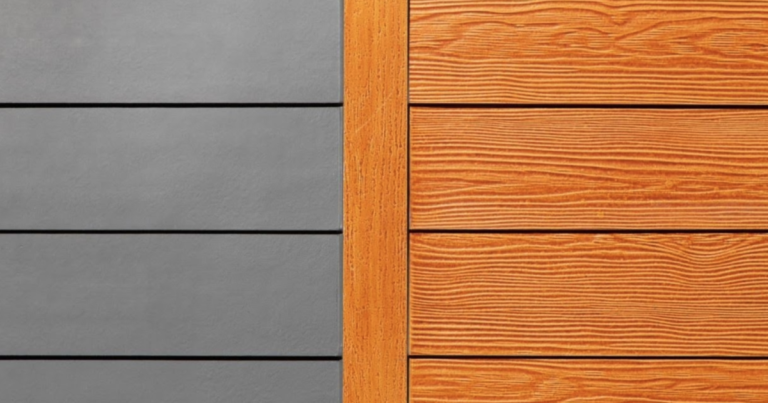
While vinyl is the most popular choice in North America, it is helpful to compare it against other materials to understand why it is selected so frequently for a siding replacement project. Fiber cement, for example, is highly durable and fire-resistant but is significantly more expensive and requires periodic painting. Wood siding offers a classic look but is prone to rot, insects, and high maintenance costs.
Metal siding, such as aluminum or steel, is incredibly durable and modern but can be prone to denting and is often louder during rainstorms. Vinyl strikes the optimal balance between cost, durability, and aesthetic flexibility. It is the “all-rounder” of the siding world, providing high-end looks without the high-end headaches of more temperamental materials.
| Material | Initial Cost | Maintenance Level | Average Lifespan |
|---|---|---|---|
| Vinyl | Low to Mid | Low (Wash only) | 30 – 50 Years |
| Fiber Cement | Mid to High | Moderate (Needs paint) | 50+ Years |
| Natural Wood | High | High (Stain/Paint) | 20 – 40 Years (varies) |
| Stone Veneer | Very High | Low | 50+ Years |
Color Selection and Architectural Harmony
Choosing the right color for your siding replacement project is about more than just personal preference; it’s about neighborhood context and architectural style. Lighter colors like cream, light gray, and “linen” are classic choices that make a house look larger and more inviting. They also tend to hide dust and pollen better than darker shades.
However, darker, “earth-tone” colors like navy blue, forest green, and charcoal have seen a surge in popularity. These colors provide a sophisticated, high-contrast look when paired with white trim. Modern vinyl manufacturers use advanced pigments to ensure these dark colors don’t fade or warp under heat—a problem that plagued darker siding in previous decades.
Consider the “fixed” elements of your home, such as the roof color and the color of any stone or brickwork. Your siding should complement these elements rather than clash with them. Many manufacturers now offer online “visualizers” where you can upload a photo of your house and “try on” different colors and styles before making a final commitment. This technology removes the guesswork and ensures you’ll be happy with the final result.
Environmental Impact and Sustainability
There is a common misconception that vinyl is an environmentally unfriendly choice. However, the lifecycle analysis of modern PVC siding tells a different story. Because vinyl is incredibly durable and never requires paint, it has a lower environmental impact over its lifespan than wood or fiber cement, which require the repeated application of chemicals (paints and stains) and more frequent replacement.
Furthermore, most vinyl siding is recyclable. Many manufacturers now have “closed-loop” systems where scraps from the factory and old siding from a siding replacement project are collected and ground down to create new panels. The lightweight nature of the material also means it requires less fuel to transport compared to heavy fiber cement or masonry products, reducing its overall carbon footprint.
Energy efficiency also plays a massive role in sustainability. By opting for insulated vinyl, you are directly reducing the amount of fossil fuels required to heat and cool your home. Over thirty or forty years, these energy savings are substantial. Therefore, choosing a high-quality vinyl system is often a very responsible choice for the eco-conscious homeowner looking for long-term performance.
Avoiding Common DIY Pitfalls
The rise of home improvement television has led many to believe that a siding replacement project is a weekend DIY task. However, this is rarely the case. The specialized tools required—such as trim brakes for bending aluminum coil, specialized snips, and scaffolding—can be expensive to rent or buy. More importantly, the margin for error is razor-thin.
One of the most common mistakes DIYers make is “tight-nailing” the siding. As mentioned previously, vinyl must be allowed to move. If you nail it tight to the wall, the panels will buckle like a wave as soon as the sun hits them. Another frequent error is improper overlapping. Panels must be overlapped in a way that hides the seams from the most common viewing angle and prevents water from being driven into the joint by the wind.
Water management is the most dangerous area for the inexperienced. Knowing exactly how to layer the house wrap and flash around a complex window sill is a skill that takes years to master. A single mistake in these hidden areas can lead to thousands of dollars in mold remediation and structural repair just a few years later. For these reasons, hiring a certified professional is almost always the more cost-effective choice in the long run.
Safety Considerations on the Job Site
Working at heights is inherently dangerous. Professionals use OSHA-compliant pump-jack scaffolding or specialized ladders with stabilizers to ensure a safe working platform. They are also trained in the safe operation of pneumatic tools and the proper handling of sharp metal trims. For a homeowner, the risk of a fall or injury often far outweighs the potential savings of a DIY attempt.
Post-Installation Maintenance Protocols
Once your siding replacement project is complete, maintaining the “like-new” appearance is remarkably simple. Unlike other materials, vinyl does not need to be sealed or treated. The primary maintenance task is a simple annual cleaning. Using a soft-bristled brush or a cloth with a solution of water and mild dish soap is usually sufficient to remove surface dust and dirt.
Be cautious with power washers. While they can be used, they must be set to a low pressure and directed downward. Directing a high-pressure stream upward can force water behind the panels and into the “weep holes” designed for drainage, potentially saturating the house wrap and causing internal moisture issues. A garden hose with a standard spray nozzle is much safer and usually just as effective.
Check your siding after major storms. While modern vinyl is wind-resistant, extreme weather can occasionally dislodge a panel or trim piece. Most vinyl siding uses a “locking” mechanism that allows a professional (or a savvy homeowner with a “zip tool”) to snap the panel back into place quickly. Catching these small issues early prevents them from becoming major problems during the next weather event.
The Final Transformation: Value and Pride
Ultimately, a successful siding replacement project is about more than just the physical materials on the wall. It is about the pride of ownership that comes from having a home that looks pristine and well-cared-for. It is about the comfort of knowing your family is protected from the elements and that your energy bills are as low as possible. The peace of mind provided by a high-quality exterior is truly invaluable.
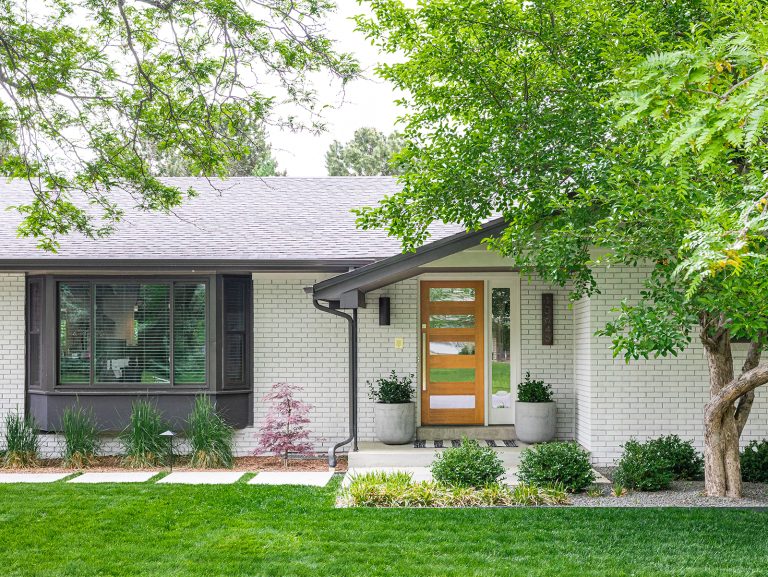
As the project nears completion, you will notice the subtle details: the way the new trim makes the windows pop, the clean lines of the corners, and the overall “tightness” of the home’s appearance. This transformation often inspires homeowners to tackle other exterior projects, such as landscaping or new entry doors, further enhancing the home’s curb appeal. By investing in quality now, you are securing the future of your most important asset.
In summary, the journey of exterior renovation is a path of analytical decision-making and technical execution. From the initial realization that the old cladding is failing to the final walkthrough of a freshly sided home, every step requires attention to detail. By choosing the right materials, hiring the right team, and focusing on the underlying structural health, your siding replacement project will stand as a testament to quality and foresight for decades to come.