Durable Siding Materials: A Comprehensive Guide to Long-Lasting Home Exteriors
Choosing the right exterior cladding for your home is more than just a cosmetic decision. It is a fundamental structural choice that dictates how well your property will withstand the test of time, weather, and environmental stressors. When homeowners investigate durable siding materials, they are often seeking a balance between long-term resilience and immediate curb appeal.
The exterior of your home acts as the first line of defense against driving rain, high winds, and fluctuating temperatures. Without a high-quality barrier, the underlying structure remains vulnerable to moisture infiltration and rot. Therefore, understanding the engineering behind modern cladding is essential for making an informed investment.

Furthermore, the market for residential exteriors has evolved significantly over the last two decades. We are no longer limited to simple wood planks or basic aluminum sheets. Today, advanced manufacturing processes have introduced composites and treated materials that offer unprecedented longevity.
In this comprehensive guide, we will analyze the various options available to modern homeowners. We will look at how different products perform under pressure and which ones offer the best return on investment. By the end of this analysis, you will have a clear understanding of which durable siding materials best suit your specific geographic location and architectural style.
Durable siding materials
When we speak about durability in the context of home exteriors, we are measuring several different metrics simultaneously. These include impact resistance, moisture management, and resistance to ultraviolet (UV) degradation. A material that excels in one area may falter in another, making the selection process nuanced.
For instance, traditional wood is exceptionally beautiful and structurally sound but requires constant maintenance to prevent decay. Conversely, modern synthetic options might offer lower maintenance but could struggle with extreme thermal expansion. Finding the “sweet spot” requires a deep dive into material science.
The most durable siding materials currently on the market include fiber cement, engineered wood, high-grade vinyl, and various metals. Each of these categories has undergone rigorous testing to meet modern building codes. They are designed not just to look good, but to protect the building envelope for thirty to fifty years or more.
Ultimately, the durability of a product is also tied to its installation. Even the toughest material will fail if water is allowed to seep behind it due to poor flashing or improper sealing. Consequently, durability is a partnership between the manufacturer’s quality and the contractor’s expertise.
The Evolution of Residential Cladding
Historically, wood and stone were the primary choices for home exteriors. While stone lasted for centuries, wood required labor-intensive upkeep. This led to the mid-century rise of aluminum and early-generation vinyl, which promised a maintenance-free lifestyle but often lacked structural integrity.
However, the late 20th century saw a revolution in composite technology. Manufacturers began combining wood fibers with cement or resins to create products that mimic the look of natural materials while eliminating their weaknesses. This shift changed the landscape of residential construction forever.
Today, the focus has shifted toward “high-performance” siding. This means materials are engineered to be fire-resistant, insect-proof, and capable of withstanding hurricane-force winds. This evolution ensures that modern homes are safer and more sustainable than those built just a few decades ago.
Analyzing Impact Resistance and Wind Load
Homeowners in regions prone to severe weather must prioritize impact resistance. This refers to the material’s ability to withstand strikes from hail or wind-borne debris without cracking or denting. For example, high-density fiber cement and heavy-gauge steel are leaders in this category.
Wind load is another critical factor, especially in coastal or prairie environments. Siding must be securely fastened to the wall sheathing to prevent it from being ripped off during a storm. Specialized locking mechanisms in modern vinyl and reinforced nail hems in other materials address this specific concern.
In addition, we must consider the “bend but don’t break” philosophy. Some materials are designed to be rigid, while others have a slight flexibility that allows them to absorb energy. Understanding these mechanical properties helps in choosing durable siding materials that align with your local weather patterns.
Fiber Cement: The Gold Standard for Resilience
Fiber cement has earned its reputation as one of the most reliable options available today. Composed of a mixture of Portland cement, sand, and cellulose fibers, it provides a masonry-like durability with the versatility of wood. It is virtually immune to the issues that plague organic materials.
One of its most significant advantages is its fire rating. Because it is non-combustible, many insurance companies offer lower premiums for homes clad in fiber cement. This provides both peace of mind and tangible financial benefits over the life of the home.
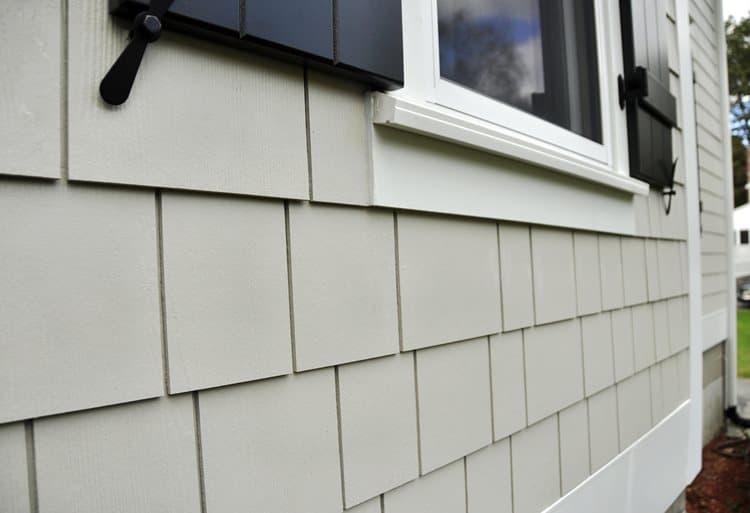
Furthermore, fiber cement does not rot, warp, or attract wood-boring insects like termites. This makes it an ideal choice for humid climates where moisture-related damage is a constant threat. It holds paint exceptionally well, often lasting two to three times longer than paint on natural wood.
However, it is a heavy material that requires specialized tools and expertise for installation. The cost of labor is generally higher than vinyl, but the longevity and aesthetic appeal often justify the initial investment for long-term homeowners.
Composition and Manufacturing Benefits
The secret to the strength of fiber cement lies in the “autoclave” curing process. During manufacturing, the material is subjected to high-pressure steam, which chemically bonds the ingredients together. This creates a dense, stable product that does not shrink or expand significantly with temperature changes.
The cellulose fibers act as a reinforcement, preventing the cement from becoming brittle. This combination allows the boards to be manufactured in long, thin planks that look identical to traditional cedar siding. The surface can be embossed with realistic wood grain textures or left smooth for a modern aesthetic.
In addition, fiber cement is often “factory-finished.” This means the color is baked into the material in a controlled environment. This process ensures a more durable bond than field-applied paint, resulting in a finish that resists fading and peeling for decades.
Engineered Wood: Strength Without the Rot
Engineered wood has emerged as a formidable competitor to both fiber cement and natural wood. Products like LP SmartSide utilize wood strands or fibers treated with zinc borate and bonded with water-resistant resins. This results in a product that is lighter and easier to work with than cement-based options.
The primary benefit of engineered wood is its incredible impact resistance. Because it retains the natural flexibility of wood fibers, it can withstand heavy hail better than almost any other material. It is also available in longer lengths (up to 16 feet), which reduces the number of seams on the home’s exterior.
Moreover, the treatment process makes these boards highly resistant to fungal decay and termites. While it is still a wood-based product, the chemical engineering involved transforms it into one of the most durable siding materials on the market. It provides the warmth of wood without the high-maintenance nightmare.
Installation is also more straightforward, as it can be cut with standard woodworking tools. This often leads to lower labor costs compared to fiber cement, making it a favorite among both contractors and budget-conscious homeowners who still want premium performance.
The Role of Zinc Borate and Resins
Zinc borate is a naturally occurring mineral that is widely used as a preservative. In engineered wood siding, it is infused throughout the entire thickness of the board. This ensures that even if the surface is scratched, the core remains protected against pests and rot.
The resins used in the manufacturing process are industrial-grade adhesives that create a waterproof bond between the wood strands. When combined with a resin-saturated overlay, the material becomes nearly impervious to moisture penetration from the face of the board.
Additionally, these boards are typically finished with a high-quality primer. This provides an excellent substrate for paint, ensuring that the final aesthetic layer stays intact for many years. The combination of chemical protection and mechanical strength makes it a top-tier choice for durability.
Advanced Vinyl Options: High-Performance Polymers
Vinyl siding is often misunderstood due to the lower-quality versions used in the past. However, modern high-performance vinyl is a sophisticated polymer product. When homeowners consider vinyl siding replacement, they are now looking at “insulated” and “extra-thick” varieties that offer significant durability.
One of the greatest strengths of vinyl is its color-through technology. Unlike painted materials, the pigment is consistent throughout the entire panel. This means that scratches or nicks are virtually invisible, and the material never needs to be painted or stained.
Furthermore, vinyl is entirely waterproof. It cannot rot or support the growth of mold or mildew on its surface. For homeowners looking for durable siding materials that require almost zero maintenance, high-grade vinyl remains the most practical and cost-effective solution.
In addition, insulated vinyl siding features a rigid foam backing. This not only improves the home’s energy efficiency but also provides a “bridge” over wall irregularities. This backing gives the vinyl a much firmer feel, making it significantly more resistant to impacts than traditional uninsulated panels.
Overcoming Thermal Expansion Issues
A common challenge with PVC products is thermal expansion. Vinyl panels expand and contract as the temperature rises and falls. If they are nailed too tightly to the house, they can buckle or warp, compromising their durability and appearance.
Modern installation techniques and improved panel designs have largely solved this problem. Installers now use “floating” techniques, where nails are placed in the center of slots and not driven flush against the material. This allows the siding to move freely without distorting.
Additionally, manufacturers have developed UV stabilizers that prevent the polymer chains from breaking down under the sun’s rays. This ensures that the vinyl remains flexible and does not become brittle over time. These advancements have solidified vinyl’s place as a long-lasting cladding option.
Metal Siding: Industrial Strength for the Modern Home
Metal siding, particularly steel and aluminum, offers a level of durability that is difficult to match. While once reserved for industrial buildings, metal cladding is seeing a resurgence in residential design, especially in modern and “mountain-modern” styles. Its lifespan can easily exceed fifty years with minimal care.
Steel siding is incredibly tough. It is resistant to fire, insects, and even the most severe hail storms. Most modern steel siding is galvanized or coated with a zinc-aluminum alloy (Galvalume) to prevent rust and corrosion, even in harsh environments.
Aluminum siding is another option, primarily valued for its resistance to rust in coastal areas. While it is softer than steel and can dent more easily, it is completely immune to the salt air that can degrade other materials. It is a lightweight but remarkably durable siding material for specific niches.
The finishes used on modern metal siding are also highly advanced. Coatings like Kynar 500 provide a finish that resists chalking and fading better than almost any other paint system in existence. This ensures that the home looks as good in year thirty as it did on day one.
Steel vs. Aluminum: A Durability Comparison
| Feature | Steel Siding | Aluminum Siding |
|---|---|---|
| Impact Resistance | High; resists dents from hail and debris. | Moderate; can dent under heavy impact. |
| Corrosion Resistance | Requires coating (Galvalume) to prevent rust. | Naturally rust-proof; ideal for coastal air. |
| Weight | Heavier; requires more structural support. | Lightweight; easier and faster to install. |
| Expansion/Contraction | Minimal; very stable across temperatures. | Moderate; requires careful installation. |
| Typical Lifespan | 40-60 years. | 30-50 years. |
Natural Stone and Brick: Centuries of Performance
If we are discussing the most durable siding materials by absolute longevity, natural stone and brick are the undisputed champions. It is not uncommon to see brick or stone buildings that have stood for over a hundred years with very little structural degradation. They are the definition of “permanent” cladding.
Brick is essentially kiln-fired clay, making it incredibly hard and resistant to the elements. It provides excellent thermal mass, which helps regulate indoor temperatures. Furthermore, it is completely fireproof and requires no painting or staining, only occasional mortar repair (repointing) every few decades.
Stone, whether natural or manufactured veneer, offers similar benefits. It is impervious to insects, rot, and wind. The weight of these materials provides a sense of solidity and permanence that synthetic materials can only hope to mimic. However, they are also the most expensive options to install.
The main drawback to stone and brick is the complexity of the installation. They require a concrete ledge or foundation support and involve a “wet” construction process. Because of the high material and labor costs, many homeowners choose to use stone or brick as an accent rather than a full cladding solution.
Maintenance Cycles and Their Impact on Longevity
Durability is inextricably linked to maintenance. A material that is theoretically durable but requires annual upkeep may fail sooner than a “lesser” material that is properly cared for. Homeowners must be honest about their willingness to perform routine inspections and repairs.
For example, wood siding is historically durable if it is repainted every five years and re-caulked regularly. If these tasks are neglected, the wood will absorb moisture, leading to rot. Consequently, for a “hands-off” homeowner, wood is effectively a low-durability choice regardless of its inherent strength.
In contrast, fiber cement and engineered wood have much longer maintenance cycles. They may only need repainting every fifteen years. Vinyl and metal require even less, often needing nothing more than a periodic wash with a garden hose to remove dust and pollutants.
When selecting durable siding materials, consider the “total cost of ownership.” This includes the initial price plus the cost of maintenance over thirty years. Often, a more expensive material that requires no maintenance is the cheaper option in the long run.
Regional Climate Considerations for Material Selection
Geography plays a massive role in determining what is “durable.” A material that lasts forever in the arid Southwest might fail rapidly in the humid Southeast or the freezing winters of the North. Tailoring your choice to your local climate is the hallmark of a wise architectural decision.
In regions with high humidity and heavy rainfall, moisture management is the priority. Fiber cement and vinyl are excellent here because they do not absorb water. In these areas, the “rainscreen” installation method is also vital, as it allows air to circulate behind the siding to dry out any moisture.
Conversely, in the “Hail Belt” of the central United States, impact resistance is the primary concern. In these areas, engineered wood and thick-gauge steel are often the best choices. They can survive a storm that would leave vinyl shattered or aluminum riddled with dents.
Finally, in areas prone to wildfires, non-combustible materials are essential. Fiber cement, brick, and metal are the gold standards for fire resistance. Many jurisdictions in high-risk zones have actually updated building codes to mandate the use of these durable siding materials.
Coastal Environments and Salt Spray Corrosion
Living near the ocean presents unique challenges for home exteriors. Salt spray is highly corrosive to many metals and can cause certain finishes to peel or bubble. In these environments, aluminum or high-grade vinyl are often preferred because they do not rust.
Even fiber cement can be affected by salt if not properly finished. However, most premium manufacturers offer “coastal grade” finishes designed specifically to withstand the abrasive and corrosive nature of sea air. Stainless steel fasteners are also a requirement in these zones to prevent “bleeding” and structural failure.
Homeowners on the coast should also be concerned with wind uplift. High-velocity hurricane zones (HVHZ) require siding to be rated for extreme wind speeds. Ensuring that your chosen material meets these local codes is a non-negotiable part of the durability equation.
High-UV Deserts and Pigment Stability
In desert climates like Arizona or Nevada, the primary enemy of siding is the sun. Intense UV radiation can cause colors to fade and materials to become brittle. In these regions, the stability of the pigment and the chemical composition of the material are paramount.
Vinyl can be susceptible to “chalking” in high-UV areas if it lacks proper stabilizers. Fiber cement and engineered wood with high-quality, factory-applied acrylic finishes tend to perform very well, as these paints are designed to reflect UV rays rather than absorb them.
Metal siding with Kynar coatings is also an exceptional choice for the desert. These coatings are specifically engineered to maintain color integrity under the most punishing solar exposure. When searching for durable siding materials in the Southwest, thermal stability and UV resistance should be the top priorities.
The Financial Equation: Cost vs. Lifespan
Investing in durable materials is a financial strategy. While the upfront cost may be higher, the “cost per year” of service is often much lower. Additionally, high-quality siding can significantly increase the resale value of a home, often recouping 70-80% of its cost upon sale.
When analyzing the market, it is helpful to categorize materials by their price point and expected longevity. This allows homeowners to see where the best value lies based on how long they intend to stay in the home. A “forever home” justifies the highest-end materials, whereas a “starter home” might benefit from high-quality vinyl.
Below is a comparison of common materials based on average industry data. Prices can vary significantly based on region and the complexity of the home’s architecture.
| Material | Estimated Lifespan | Maintenance Level | Relative Cost (Installed) |
|---|---|---|---|
| Vinyl (Standard) | 20-30 Years | Low | $ |
| Vinyl (Insulated) | 30-40 Years | Low | $$ |
| Engineered Wood | 30-50 Years | Moderate | $$$ |
| Fiber Cement | 30-50+ Years | Moderate | $$$ |
| Steel | 40-60 Years | Low | $$$$ |
| Brick/Stone | 75-100+ Years | Very Low | $$$$$ |
Installation Quality: The Hidden Factor in Durability
No discussion of durable siding materials is complete without emphasizing the role of the installer. The most expensive fiber cement board in the world will rot your walls if the flashing around the windows is done incorrectly. The system is only as strong as its weakest link.
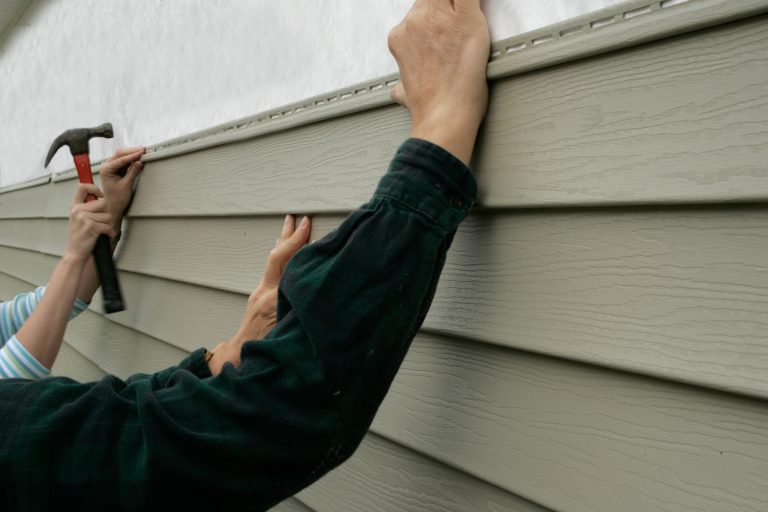
Proper installation involves more than just nailing boards to a wall. It includes the application of a high-quality weather-resistive barrier (WRB), integrated flashing, and the correct use of sealants. These components work together to ensure that moisture can escape if it ever gets behind the cladding.
Furthermore, each material has specific requirements for “gap” spacing. For instance, fiber cement needs a specific gap at joints that is then caulked or flashed. Vinyl needs to be hung loosely to allow for movement. Hiring a contractor who is certified by the manufacturer is the best way to ensure the durability you paid for is actually achieved.
Final Verdict: Selecting for Your Legacy
Ultimately, the quest for the most durable siding materials is a personal one. It depends on your aesthetic preferences, your local climate, and your long-term financial goals. Whether you choose the industrial strength of steel, the classic resilience of brick, or the modern engineering of fiber cement, you are making a choice that protects your home’s legacy.
For those looking for the best balance of price, beauty, and toughness, fiber cement and engineered wood are the current market leaders. They offer the traditional look of wood with the durability of modern composites. However, high-end insulated vinyl remains a strong contender for those who prioritize thermal efficiency and low maintenance.
In conclusion, do not view siding as just a color choice for your house. View it as a protective shield. By investing in high-quality materials and professional installation, you ensure that your home remains a safe, beautiful, and valuable asset for decades to come. The peace of mind that comes with a durable exterior is worth every penny of the investment.