Insulated Vinyl Siding Panels: The Ultimate Guide to Efficiency & Durability
Homeowners seeking to enhance their property’s thermal envelope and aesthetic appeal often find themselves navigating a complex market of exterior cladding options. Among the most innovative solutions available today, insulated vinyl siding panels represent a significant evolution in residential construction technology. By integrating a rigid foam backing directly into the contoured profile of the vinyl, manufacturers have created a product that addresses the inherent weaknesses of traditional siding materials. This comprehensive guide explores the multifaceted benefits, technical specifications, and long-term value propositions of this high-performance cladding system.
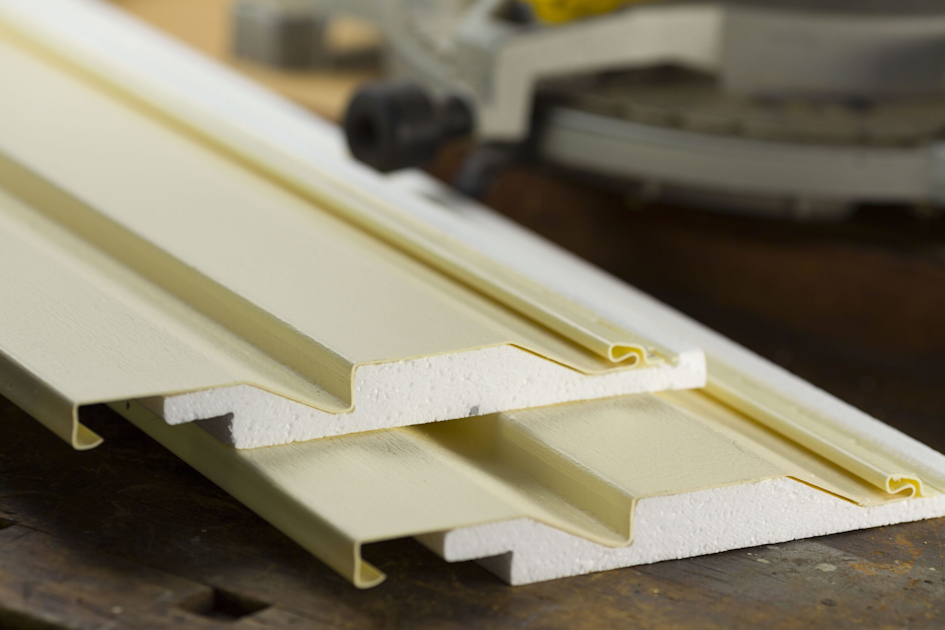
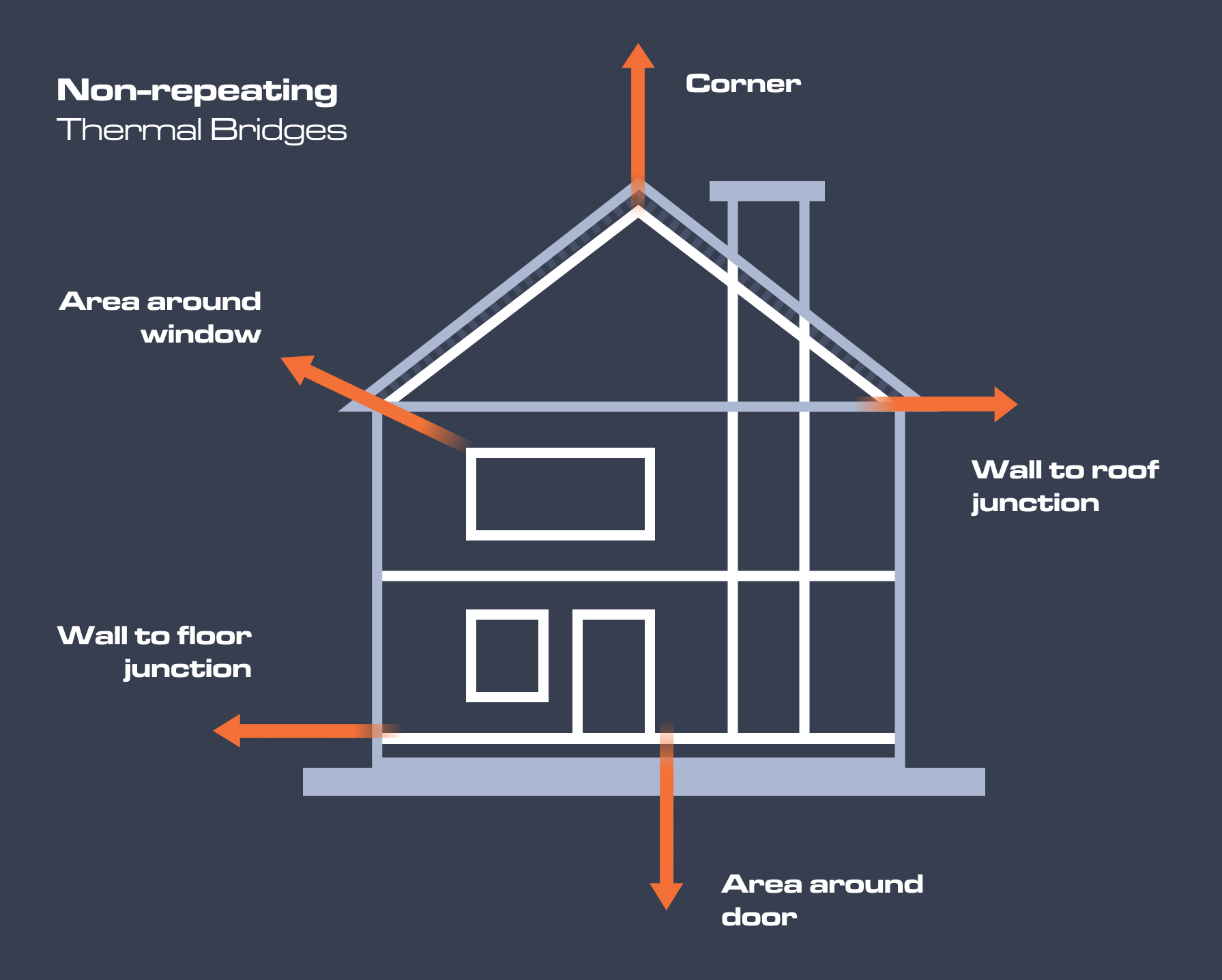
The transition from standard vinyl to an insulated alternative is not merely a cosmetic upgrade; it is a structural enhancement. Standard vinyl siding, while durable and affordable, offers very little in the way of thermal resistance. Consequently, heat can easily escape through the walls via a phenomenon known as thermal bridging. By contrast, the addition of a form-fitted insulation layer provides a continuous barrier that wraps the home in a protective blanket. This modification significantly improves the overall energy efficiency of the structure while providing a more rigid, premium appearance.
Furthermore, the modern homeowner demands materials that require minimal maintenance without sacrificing style. The engineering behind these advanced panels ensures that they can withstand harsh weather conditions, from blistering summer heat to freezing winter gales. As we delve deeper into the specifics of this material, it becomes clear why it has become a preferred choice for both new constructions and renovation projects. Understanding the nuances of material composition and installation is essential for making an informed investment in your home’s future.
The Evolution of Exterior Cladding Technology
Historically, vinyl siding was developed as a low-maintenance alternative to wood, which required frequent painting and was susceptible to rot. While early iterations of vinyl faced criticisms for being brittle or prone to fading, the industry has undergone a radical transformation. Manufacturers began experimenting with additives like titanium dioxide to improve UV resistance and advanced polymers to increase impact strength. However, the most significant breakthrough came with the introduction of permanent foam backing, which solved the “hollow” feel and sound of traditional panels.
This technological leap led to the creation of insulated vinyl siding panels, which are now recognized as a distinct category of building material. Unlike traditional siding, where insulation is often installed as a separate flat sheet behind the panels, these integrated systems are engineered as a single unit. The foam is molded to fit the exact profile of the vinyl, ensuring there are no gaps or air pockets. This precision engineering results in a much flatter wall surface, eliminating the “waviness” that can sometimes plague thinner siding products.
In addition to structural improvements, the manufacturing process has become more sustainable over time. Many contemporary panels utilize recycled content in the foam core, reducing the environmental footprint of the production cycle. The fusion of chemical engineering and architectural design has resulted in a product that looks like authentic wood but performs with the efficiency of modern aerospace materials. This evolution reflects a broader trend in the construction industry toward holistic, high-performance building envelopes.
Understanding Thermal Bridging and R-Values
To appreciate the efficiency of these panels, one must first understand how heat moves through a typical residential wall. Most homes are built with wooden studs, which act as “thermal bridges.” Even if the cavities between the studs are filled with fiberglass batts, the studs themselves remain uninsulated. This allows heat to bypass the interior insulation and escape through the exterior walls. In fact, studs can account for up to 25% of a wall’s surface area, creating a massive gap in the home’s thermal defense.
Insulated vinyl siding panels effectively “break” this bridge by providing a continuous layer of insulation over the studs. This is measured by the R-value, which quantifies a material’s resistance to heat flow. While standard vinyl has an R-value of less than 1.0, insulated versions typically range from 2.0 to 5.0, depending on the thickness and type of foam used. This might seem like a small number, but when applied across the entire surface area of a home, the cumulative energy savings are substantial.

Moreover, the increased R-value contributes to a more consistent interior temperature. Homeowners often notice that rooms that were previously “drafty” or difficult to heat suddenly become more comfortable. This reduction in thermal fluctuations also places less strain on HVAC systems. By decreasing the frequency with which an air conditioner or furnace must cycle on and off, the siding helps extend the lifespan of these expensive mechanical components.
Insulated vinyl siding panels
When discussing insulated vinyl siding panels, it is crucial to focus on the material’s ability to resist physical deformation. Traditional vinyl is relatively thin and can be dented by hail, stray baseballs, or even a heavy ladder leaning against the house. Because the foam backing in an insulated panel supports the vinyl surface, it acts as a shock absorber. This significantly increases the impact resistance of the siding, ensuring it maintains its pristine appearance for decades.
Another major advantage of these panels is their superior span and rigidity. Because the foam provides structural integrity, the panels can be manufactured in longer lengths, such as 16 or 25 feet. Longer panels result in fewer visible seams on the side of the house, creating a much cleaner and more professional look. The rigid nature of the product also helps it bridge imperfections in the underlying wall, resulting in straighter sightlines and a more “solid” feel when touched.
Furthermore, the integration of insulation helps to dampen external noise. For homes located near busy highways, airports, or urban centers, this acoustic benefit is a major selling point. The foam core absorbs sound vibrations rather than allowing them to pass through the wall. This creates a quieter, more serene indoor environment, further enhancing the overall living experience for the occupants. This combination of thermal, structural, and acoustic benefits makes the product an all-around high-performer.
Advanced Moisture Management and Vapor Permeability
A common concern with exterior cladding is how it handles moisture. If a siding system traps water behind it, the result can be catastrophic rot, mold, and structural decay. High-quality insulated panels are designed with “breathability” in mind. The foam used is often treated to be vapor-permeable, meaning it allows moisture vapor to escape from the inside of the home to the outside. This prevents the buildup of condensation within the wall cavity, which is essential for maintaining a healthy home.
In addition to vapor permeability, the installation process includes detailed flashing and drainage systems. Manufacturers design these panels with built-in weep holes and drainage planes that direct liquid water away from the wall. This dual-layered approach to moisture management ensures that even in heavy rainstorms, the underlying structure remains dry. Consequently, homeowners can enjoy peace of mind knowing that their investment is protecting the skeleton of their house from the elements.
It is also worth noting that the foam itself is usually treated with an inorganic insecticide. Since insects like carpenter ants or termites are often attracted to moist, dark spaces, this additive serves as a deterrent. By keeping the wall dry and chemically unappealing to pests, the siding adds another layer of protection to the home’s integrity. This proactive approach to durability is a hallmark of premium exterior products.
Comparative Analysis: Standard vs. Insulated Siding
| Feature | Standard Vinyl Siding | Insulated Vinyl Siding |
|---|---|---|
| Thermal Resistance (R-Value) | Typically 0.61 | R-2.0 to R-5.0 |
| Impact Resistance | Moderate; prone to denting | High; foam core absorbs shocks |
| Acoustic Insulation | Minimal noise reduction | Significant reduction in exterior noise |
| Visual Profile | Can appear wavy or “plastic” | Rigid, flat, and wood-like appearance |
| Cost (Installation) | Lower initial investment | Higher upfront cost with long-term ROI |
| Durability | May warp or crack over time | Increased stability and wind resistance |
As the table illustrates, the differences between these two products are profound. While standard vinyl is an excellent budget-friendly choice, it lacks the performance characteristics required for modern energy efficiency standards. The decision to invest in insulated vinyl siding panels often comes down to the homeowner’s long-term goals. If the objective is to stay in the home for many years and reduce monthly utility bills, the premium option is clearly superior.
Additionally, the aesthetic difference cannot be overstated. Because insulated panels are thicker, they create deeper shadow lines. These shadows mimic the look of traditional cedar lap siding more effectively than thin, standard vinyl. For homeowners in historic districts or high-end neighborhoods where curb appeal is paramount, this visual depth is a critical factor. The result is a home that looks expensive and well-maintained, regardless of its age.
Aesthetics and Customization Options
Modern manufacturing techniques have expanded the palette of colors and textures available for exterior cladding. In the past, vinyl was limited to light pastels because dark colors would absorb too much heat and cause the panels to warp. Today, advanced “cool-roof” technology has been applied to siding. This involves using specialized pigments that reflect infrared light, allowing for deep blues, charcoal grays, and forest greens that remain stable even in direct sunlight.
Furthermore, the variety of profiles available allows for complete architectural freedom. Homeowners can choose from traditional clapboard, Dutch lap, or even vertical board-and-batten styles. Some manufacturers also offer shingles and shakes that perfectly match the insulated lap siding, allowing for beautiful mixed-material designs. This versatility ensures that regardless of whether a home is a colonial, a craftsman, or a modern farmhouse, there is a siding solution that fits its character.
The texture of the panels has also been refined. Instead of a repetitive, artificial wood grain, many premium lines feature “true-texture” finishes. These are molded from actual cedar boards to capture the natural imperfections and grain patterns of real wood. When combined with the rigidity of the foam backing, these panels are nearly indistinguishable from painted wood from the curb. This allows homeowners to achieve a classic look without the grueling maintenance schedule of scraping and painting.
The Financial Impact of High-Efficiency Siding
Investing in your home’s exterior is a significant financial commitment, and it is important to analyze the return on investment (ROI). According to various industry reports, exterior remodeling projects often recoup a high percentage of their cost during resale. Specifically, high-quality siding upgrades are consistently ranked among the top home improvement projects for value retention. Prospective buyers are increasingly looking for homes that are energy-efficient and low-maintenance, making this upgrade a powerful selling point.
Beyond the potential increase in home value, the monthly utility savings provide a tangible financial benefit. Depending on the local climate and the existing insulation levels of the home, homeowners can see a reduction in heating and cooling costs ranging from 5% to 15%. Over a decade of ownership, these savings can offset a significant portion of the initial installation price. Furthermore, many utility companies and government agencies offer rebates or tax credits for installing energy-efficient building materials.
Maintenance costs should also be factored into the financial equation. Wood siding requires repainting every 5-7 years, with costs often running into the thousands of dollars. Fiber cement siding also requires periodic painting and caulking. Insulated vinyl siding panels, however, only require an occasional wash with a garden hose. The elimination of professional painting contracts over twenty years represents a massive saving that is often overlooked in initial cost comparisons.
Professional Installation: The Key to Performance
No matter how advanced a product is, its performance is entirely dependent on the quality of the installation. Vinyl is a material that expands and contracts with temperature changes. A panel that is 12 feet long can change in length by as much as half an inch between a cold winter night and a hot summer day. If the siding is “nailed tight” to the wall, it will inevitably buckle, warp, or crack as it tries to move. Professional installers understand the “floating” nature of vinyl installation.
A certified installer will use specialized tools and techniques to ensure the panels are level and secure while still allowing for thermal movement. This involves leaving specific gaps at the ends of panels where they meet J-channels and corner posts. Furthermore, the use of high-quality house wrap and flashing is essential. These components act as the primary water barrier, ensuring that any moisture that finds its way behind the siding is safely channeled away from the wood sheathing.
When selecting a contractor, it is wise to look for certifications from organizations like the Vinyl Siding Institute (VSI). These professionals have undergone rigorous training on the specific requirements of insulated systems. They will also be familiar with the manufacturer’s warranty requirements. Many lifetime warranties are only valid if the product is installed according to very specific guidelines. Cutting corners on labor can lead to a voided warranty and long-term structural issues.
Durability in Extreme Weather Conditions
For homeowners living in regions prone to severe weather, the resilience of their exterior cladding is a matter of safety and property protection. Insulated vinyl siding panels are engineered to withstand high wind loads. The rigidity provided by the foam core makes the panels less likely to “flutter” or rattle during a storm. Some high-wind-rated systems are tested to withstand wind speeds exceeding 200 miles per hour, making them suitable for coastal areas prone to hurricanes.
In colder climates, the insulation plays a different but equally vital role. Standard vinyl can become brittle in sub-zero temperatures, making it susceptible to cracking if struck by a snow shovel or a falling ice dam. The foam backing provides a buffer that prevents the vinyl from flexing to the point of breakage. Furthermore, by keeping the wall sheathing warmer, the siding helps prevent the formation of condensation that can lead to rot in the winter months.
Conversely, in the desert Southwest, UV resistance is the primary concern. Modern vinyl formulations include high concentrations of UV inhibitors that protect the polymer chains from breaking down under intense sunlight. The insulation also prevents the siding from transferring extreme heat into the wall studs, keeping the interior of the home much cooler. This versatility across diverse geographic regions is why vinyl remains the most popular siding choice in North America.
Environmental Sustainability and Lifecycle
The environmental impact of building materials is a growing concern for many consumers. While vinyl is a plastic product (polyvinyl chloride), it is more sustainable than many realize. Throughout its lifecycle, vinyl siding has a lower environmental impact than brick or fiber cement in terms of energy consumption and CO2 emissions during manufacturing. Because it is lightweight, the transportation of vinyl siding requires less fuel compared to heavier materials like stone or stucco.
Furthermore, the longevity of the product contributes to its sustainability. A material that lasts for 50 years is inherently better for the environment than one that needs to be replaced or refinished every decade. Many manufacturers have also implemented robust recycling programs. Scrap material from the factory and old siding removed from homes can often be ground down and reused in the production of new building products, keeping plastic out of landfills.
The foam insulation core also contributes to the “green” profile of the home. By reducing the energy required to heat and cool the building, the siding directly lowers the home’s carbon footprint over its entire lifespan. When you combine reduced energy consumption with low-maintenance requirements and a long service life, the case for these panels as a sustainable building choice becomes very strong. It is a rare example of a product where performance and ecology work in tandem.
Common Myths About Insulated Vinyl Siding
Despite its popularity, several misconceptions about vinyl siding persist. One common myth is that it “traps moisture” and causes rot. As discussed earlier, this only happens if the siding is installed incorrectly without proper drainage or house wrap. When installed to code, insulated vinyl siding panels are one of the most effective systems for moisture management. The vapor-permeability of modern foam ensures that the wall “breathes” while the exterior shedding protects against rain.
Another myth is that vinyl looks “cheap” or artificial. While this may have been true of the thin, shiny products used in the 1980s, modern premium siding is a completely different animal. The matte finishes, deep wood-grain textures, and thick profiles of insulated panels provide an aesthetic that rivals high-end wood or stone. In many cases, once the project is finished, even neighbors are surprised to learn that the material is actually vinyl.
Finally, some believe that vinyl is a fire hazard. In reality, vinyl siding is primarily composed of PVC, which is inherently fire-resistant. It has a high ignition temperature and will not support combustion once the heat source is removed. While no exterior material is completely fireproof, vinyl performs well in standard fire testing compared to wood. Many insurance companies recognize this and do not penalize homeowners for choosing vinyl as their primary cladding material.
Maintenance Best Practices for Longevity
While vinyl is marketed as low-maintenance, “low” does not mean “zero.” To keep your home looking its best, a regular cleaning schedule is recommended. Fortunately, this is a simple process. A solution of mild soap and water is usually sufficient to remove dirt, pollen, and spider webs. It is best to use a soft-bristled brush or a microfiber cloth to avoid scratching the surface. For higher areas, a garden hose with a spray nozzle is usually effective.
Caution should be exercised when using a pressure washer. If the pressure is too high, or if the water is directed upward underneath the panels, moisture can be forced behind the siding. Always spray downward and keep the pressure at a moderate setting. Furthermore, avoid using harsh chemicals or abrasive cleaners, as these can strip the finish and damage the UV-resistant top layer. A quick annual cleaning is usually all that is required to maintain the “just-installed” look.
In addition to cleaning, a quick annual inspection is a good habit. Check for any loose panels or trim pieces that may have been affected by high winds or foundation settling. Look at the caulking around windows and doors to ensure it hasn’t cracked or pulled away. Addressing these minor issues promptly prevents them from becoming larger problems. With minimal effort, your insulated vinyl siding panels will continue to protect and beautify your home for decades.
Future Trends in the Siding Industry
The building industry is constantly innovating, and the future of exterior cladding looks promising. We are seeing the emergence of “smart siding” that can incorporate sensors to monitor moisture levels or temperature within the wall cavity. This could provide homeowners with early warnings of potential issues before they become visible. While still in the early stages, this technology represents the next step in the evolution of the high-performance building envelope.
We are also seeing advancements in the chemistry of the polymers themselves. Researchers are developing bio-based plastics and more advanced “self-cleaning” coatings that use sunlight to break down organic dirt. These innovations will further reduce the maintenance requirements and environmental impact of vinyl products. As energy codes become stricter, the demand for integrated insulation systems will only continue to grow.
Furthermore, the design side is seeing a shift toward more complex color palettes and multi-textured facades. Homeowners are increasingly mixing materials—using insulated lap siding on the main body of the house, with vinyl shakes in the gables and stone veneer at the foundation. This layered approach creates visual interest and high-end curb appeal. Insulated vinyl siding panels will remain a cornerstone of this trend, providing the reliable performance and aesthetic base that modern architectural designs require.
The Decision-Making Process for Homeowners
Choosing the right siding is a long-term decision that impacts your home’s comfort, value, and appearance. When evaluating your options, start by assessing your local climate. If you live in a region with high energy costs or extreme temperature swings, the case for insulation becomes much stronger. Consider your budget not just in terms of the initial check you write to the contractor, but in terms of 20-year ownership costs.
Next, visit showrooms or request samples to see and feel the product in person. Notice the difference in thickness and rigidity between standard and insulated panels. Ask your contractor for references and addresses of local homes they have completed. Seeing the product installed on a full-scale building is very different from looking at a small swatch. Pay attention to the details—how the corners are finished, how the windows are trimmed, and how the seams are managed.
Ultimately, the goal is to create a home that is both beautiful and resilient. By choosing high-quality insulated vinyl siding panels, you are investing in a product that delivers on both fronts. It is a sophisticated solution for the modern homeowner who values efficiency, durability, and style. As you move forward with your renovation or new build, keep the technical advantages of this material in mind to ensure your home remains a source of pride and comfort for years to come.