Improving US curb appeal siding: The Ultimate Guide to Exterior Value
The visual identity of an American home often serves as the primary indicator of its internal health and overall value. For homeowners looking to revitalize their property, focusing on exterior aesthetics is not merely a vanity project but a strategic financial investment. Improving US curb appeal siding has become a top priority for those navigating a competitive real estate market where first impressions are formed in seconds. By modernizing the exterior envelope, homeowners can achieve a significant transformation that resonates with both neighbors and potential buyers alike.
Siding acts as the protective skin of the residence, shielding the structure from harsh environmental elements while defining its architectural character. Over time, exposure to UV rays, fluctuating temperatures, and moisture can lead to fading, warping, or cracking. Consequently, the decision to upgrade or replace old cladding is often driven by a mix of necessity and the desire for a modern aesthetic. This guide explores the multifaceted approach required to elevate a home’s exterior through high-quality materials and thoughtful design.
When considering an overhaul, the scope of the project often extends beyond simple repairs. It involves a deep dive into material science, color theory, and regional architectural trends. Furthermore, the integration of new technologies in siding manufacturing has expanded the options available to the modern homeowner. From high-performance vinyl to durable fiber cement, the choices made today will dictate the home’s performance for decades to come.
The Psychological and Financial Value of Curb Appeal
Psychologically, the exterior of a home dictates how it is perceived by the community and the owners themselves. A well-maintained exterior fosters a sense of pride and stability within a neighborhood. On the other hand, dilapidated siding can subconsciously signal neglect, potentially lowering the perceived value of adjacent properties. Therefore, maintaining a high standard for exterior cladding is a communal benefit as much as a personal one.
From a financial perspective, the Return on Investment (ROI) for siding replacement is consistently among the highest in the remodeling industry. According to various real estate analytics, homeowners can expect to recoup a substantial portion of their costs upon resale. This is because “thin-slicing,” the psychological process of making quick judgments based on narrow windows of experience, plays a massive role in home tours. If the siding looks impeccable, buyers assume the rest of the home has been equally well-cared for.
In addition to resale value, modern siding improvements contribute to long-term cost savings through enhanced energy efficiency. Newer siding products often incorporate better insulation properties than their predecessors. By reducing thermal bridging through the wall studs, these materials help maintain consistent internal temperatures. Consequently, the initial capital expenditure for the siding is offset by reduced monthly utility bills and lower maintenance requirements over time.
The Evolution of Modern Siding Materials
The history of US residential siding has transitioned from traditional wood clapboards to highly engineered synthetic materials. While wood offers a classic look, its susceptibility to rot, insects, and fire has led to the rise of more durable alternatives. Vinyl siding, introduced in the mid-20th century, revolutionized the market by providing a low-maintenance, cost-effective solution for the average family. However, the early iterations of vinyl often lacked the aesthetic depth required for high-end homes.
Today, the industry has seen a massive leap in quality and variety. Manufacturers now utilize advanced PVC formulations that resist “oil-canning” and thermal expansion issues. These modern products can mimic the texture of hand-split cedar shakes or smooth-sawn boards with remarkable accuracy. This evolution allows for Improving US curb appeal siding without sacrificing the timeless look of natural materials that many homeowners still crave.
Furthermore, the introduction of fiber cement and engineered wood has bridged the gap between traditional aesthetics and modern performance. Fiber cement, a blend of cellulose fibers and cementitious materials, offers incredible fire resistance and durability. It provides the heavy, solid feel of masonry while maintaining the versatility of wood profiles. This material diversity ensures that regardless of the home’s architectural style, there is a siding solution that fits both the budget and the design goals.
Improving US curb appeal siding
Focusing on Improving US curb appeal siding requires an analytical look at how different profiles interact with the home’s geometry. For example, a standard horizontal lap siding works well on Ranch-style homes, providing a grounded, stable appearance. Conversely, vertical “board and batten” siding can add height and a modern farmhouse vibe to shorter structures. Mixing these profiles on different sections of the house can create visual interest and break up large, monolithic walls.
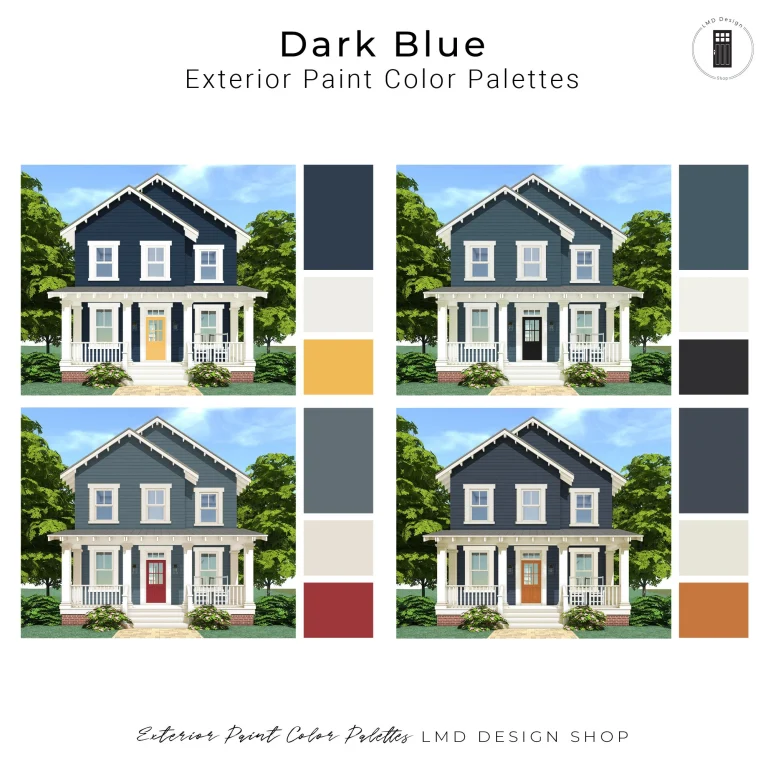
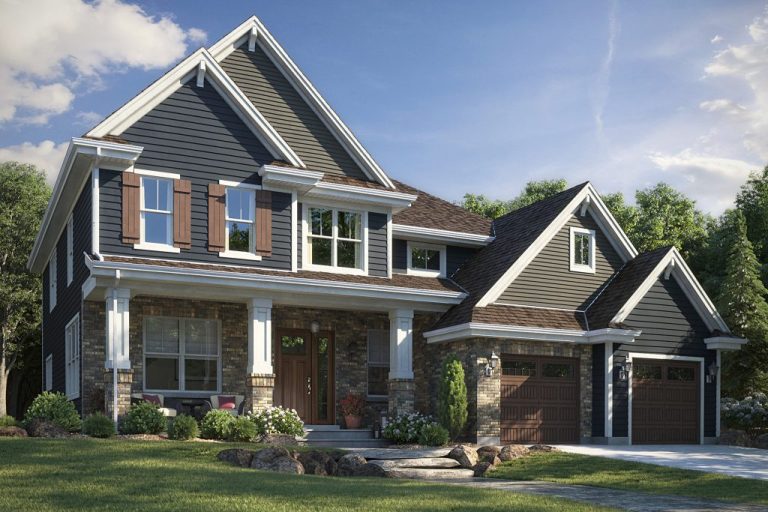
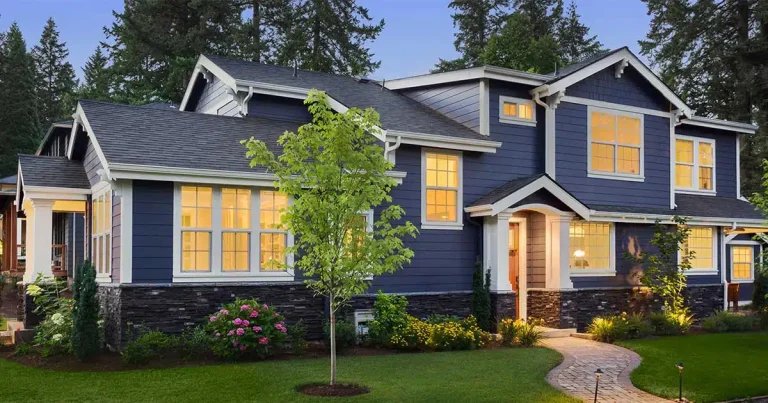
Color selection is perhaps the most critical component of this process. In the current market, there is a shift away from pale beiges and towards bolder, saturated hues like charcoal grey, navy blue, and forest green. These darker tones provide a sophisticated contrast against white trim and natural stone accents. However, it is essential to ensure that the chosen color is UV-stabilized to prevent the uneven fading that often plagued older siding installations.
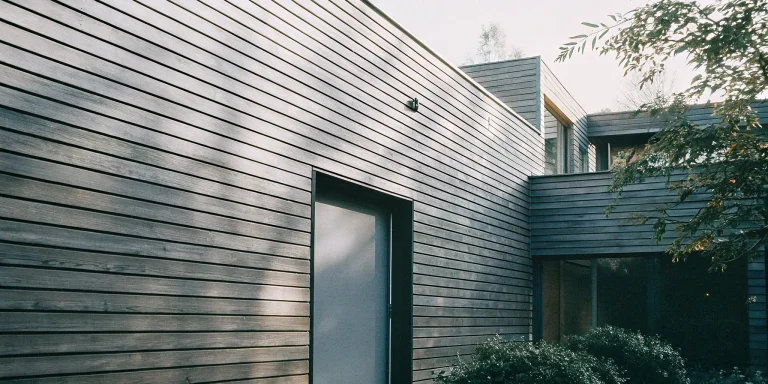
Beyond color, the texture of the siding adds a layer of sophistication that is often overlooked. A smooth finish provides a clean, contemporary look, while a deep wood grain texture offers a more rustic and traditional feel. By carefully selecting the grain and finish, homeowners can emphasize the specific architectural details of their residence. This holistic approach ensures that the new siding doesn’t just look new—it looks intentional and high-end.
The Role of Trim and Accents
While the main siding panels cover the bulk of the surface area, the trim and accents are what truly define the “finished” look. Crown molding above windows, wide corner posts, and decorative frieze boards can elevate a simple siding job into a custom architectural statement. These elements provide the necessary transitions between different materials and planes, preventing the exterior from looking flat or unfinished.
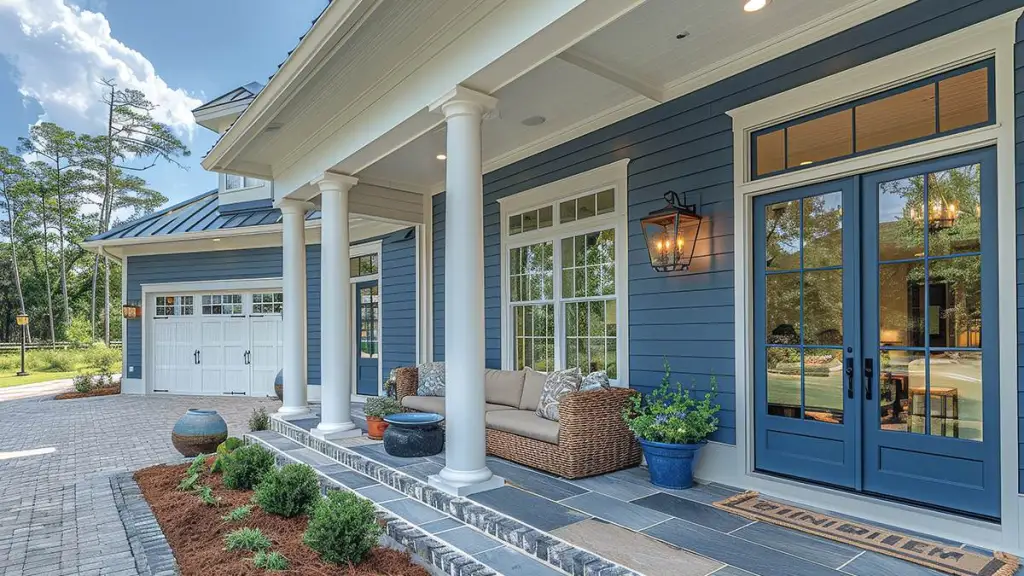
Modern trim materials, such as cellular PVC, offer the workability of wood without the risk of moisture absorption. This is crucial for areas around windows and doors where water intrusion is most common. By using contrasting trim colors—such as a crisp white trim against a dark siding—you create a “frame” for the house. This framing effect draws the eye to the windows and entryways, which are the focal points of any successful curb appeal strategy.
Furthermore, consider the integration of gable accents, such as fish-scale shingles or cedar-look shakes. These are often used in the peaks of the roofline to provide a secondary texture that breaks up the repetition of horizontal laps. Small details like these are the hallmark of high-quality design and are essential for Improving US curb appeal siding in a way that stands out from the rest of the neighborhood.
Material Comparison: Finding the Right Fit
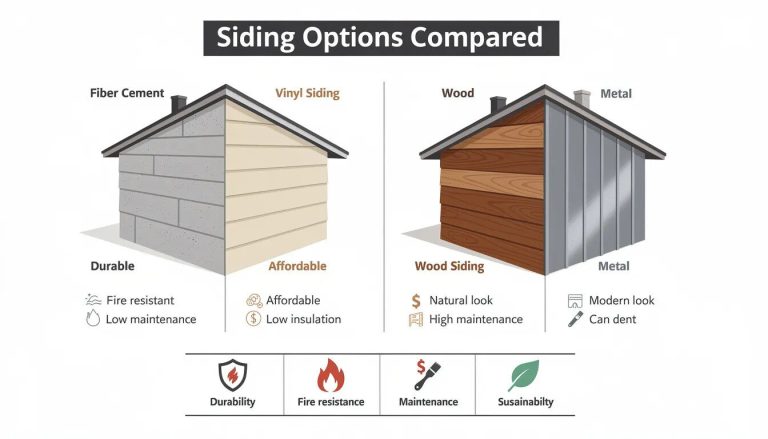
Choosing the right material involves balancing upfront costs, lifespan, and aesthetic preferences. Each material has its own set of technical specifications that make it suitable for different environments. For instance, vinyl is excellent for its versatility and low cost, while fiber cement is preferred for its durability in fire-prone or high-wind areas. Understanding these nuances is key to a successful long-term investment.
| Siding Material | Durability (Years) | Maintenance Level | Relative Cost | Key Advantage |
|---|---|---|---|---|
| Standard Vinyl | 20-30 | Very Low | $ | Affordability & Color Variety |
| Insulated Vinyl | 30-40 | Low | $$ | Energy Efficiency & Sound Dampening |
| Fiber Cement | 30-50 | Moderate | $$$ | Fire Resistance & Authentic Look |
| Engineered Wood | 25-40 | Moderate | $$ | Easy Installation & Impact Resistance |
| Natural Cedar | 20-40 | High | $$$$ | High-End Aesthetics |
As seen in the table, the trade-off between cost and maintenance is a primary factor for most homeowners. While natural cedar offers the highest aesthetic appeal, the maintenance requirements often deter modern buyers. Fiber cement and insulated vinyl have become the “sweet spot” for many because they offer a blend of longevity and manageable upkeep. Selecting the material that matches your lifestyle and local climate is paramount.
The Benefits of Insulated Siding Systems
Insulated siding is essentially a vinyl or metal panel with a contoured foam backing permanently attached. This design addresses one of the major flaws of traditional siding: the “hollow” sound and the lack of thermal protection at the studs. By adding a layer of rigid foam, the R-value of the exterior walls is significantly improved. This makes the home quieter and more energy-efficient, providing a tangible benefit beyond mere looks.
From an aesthetic standpoint, the foam backing provides structural rigidity to the panels. This means the siding lies flatter against the wall, hiding minor imperfections in the sheathing and preventing the wavy appearance that can occur with thinner materials. For those focused on Improving US curb appeal siding, the straight, clean lines of insulated panels offer a much more premium appearance than standard hollow-back vinyl.
Regional Considerations for Siding Choice
In the United States, geography plays a massive role in material performance. A home in the humid Southeast faces different challenges than a residence in the frigid Northeast or the arid Southwest. Moisture management is the primary concern in the East, where high humidity and frequent rain can lead to mold and mildew growth behind the siding. In these areas, using a high-quality house wrap and integrated rain screens is essential to protect the structural sheathing.
In contrast, homeowners in the Western US must prioritize fire resistance. With the increasing threat of wildfires, many local building codes now mandate non-combustible or ignition-resistant materials. Fiber cement and treated engineered woods are popular choices here because they do not contribute fuel to a fire. Furthermore, in high-altitude areas with intense UV exposure, the quality of the pigments and topcoats in the siding is vital to prevent rapid color degradation.
Coastal regions present their own unique set of problems, primarily salt-air corrosion and high wind loads. Metal siding, while durable, may suffer from corrosion unless properly coated. Vinyl and fiber cement are often preferred in these environments because they are impervious to salt spray. Ensuring that the siding is rated for high-velocity hurricane zones (HVHZ) is a critical step for Improving US curb appeal siding in coastal communities.
Installation Best Practices and Common Pitfalls
Even the most expensive siding material will fail if it is not installed correctly. One of the most common mistakes in vinyl siding installation is nailing the panels too tightly. Vinyl is designed to “float” on the wall to accommodate thermal expansion and contraction. If nailed too tight, the panels will buckle and warp as the temperature changes, ruining the visual appeal and potentially compromising the water seal.
Proper flashing is another critical area where many contractors cut corners. Flashing must be installed around all windows, doors, and roof intersections to direct water away from the structure. Without it, moisture can seep behind the siding, leading to wood rot and mold within the wall cavity. This hidden damage can remain undetected for years, eventually requiring expensive structural repairs that far outweigh the cost of correct initial installation.
Additionally, the transition between the siding and the foundation should be handled with care. A “water table” or starter strip should be used to ensure the first course of siding is level and properly shed water. Failing to maintain proper clearance from the ground can also lead to moisture wicking and pest infestations. For those serious about Improving US curb appeal siding, hiring a certified and experienced installer is just as important as the material selection itself.
The Importance of a High-Quality House Wrap
Before the first piece of siding is ever nailed to the wall, the underlying weather barrier must be perfectly executed. Modern house wraps are designed to be “breathable,” meaning they allow water vapor to escape from the inside of the house while preventing liquid water from entering from the outside. This balance is crucial for preventing condensation buildup within the walls, which can lead to structural rot.
Many premium siding systems now recommend or require specific types of underlayment to maximize performance. Some house wraps come with built-in drainage channels that provide a path for any water that gets behind the siding to run down and out at the bottom. This “rain screen” principle is considered the gold standard in modern construction. It ensures that the siding serves as a decorative shield while the house wrap acts as the final line of defense for the home’s skeleton.
Color Theory and Neighborhood Harmony
Selecting a color for your siding is a balancing act between personal expression and neighborhood context. While you want your home to stand out, you generally do not want it to clash violently with the surrounding houses. Using a color wheel to find complementary or analogous colors can help in creating a palette that feels harmonious. For example, if many homes in your area use warm earth tones, a cool grey with blue undertones can provide a fresh look without being jarring.
Consider the “Three-Color Rule” when designing your exterior. This typically involves a primary color for the siding, a secondary color for the trim, and an accent color for the front door or shutters. This hierarchy creates a sense of order and professional design. Improving US curb appeal siding often involves picking a primary color that is neutral enough to appeal to a broad audience, while using the accent color to inject personality and “pop.”
Darker colors have become increasingly popular because they make a house look smaller and more “tucked into” its landscaping. Conversely, light colors can make a small house appear larger and more prominent on its lot. The light-reflective value (LRV) of a color should also be considered; very dark colors absorb more heat, which can lead to higher cooling costs in sun-drenched regions. Choosing high-performance coatings that reflect infrared light can mitigate this issue while allowing for the use of trendy, dark palettes.
ROI Analysis: Siding Replacement vs. Other Upgrades
When looking at the broad spectrum of home improvement projects, siding replacement consistently ranks near the top for value retention. Unlike interior renovations, which are highly subjective to the owner’s taste, exterior siding is a functional necessity that every buyer understands. A new kitchen might be outdated in ten years, but high-quality siding provides a tangible benefit that lasts for three decades or more.
| Renovation Project | Average Cost (US) | Resale Value (US) | ROI Percentage |
|---|---|---|---|
| Siding Replacement (Vinyl) | $16,000 – $20,000 | $12,800 – $15,000 | ~75-80% |
| Siding Replacement (Fiber Cement) | $20,000 – $25,000 | $16,500 – $19,500 | ~78-83% |
| Major Kitchen Remodel | $70,000 – $85,000 | $40,000 – $50,000 | ~55-60% |
| Bathroom Addition | $50,000 – $65,000 | $26,000 – $34,000 | ~52-54% |
| Window Replacement (Vinyl) | $18,000 – $22,000 | $12,500 – $15,000 | ~68-72% |
The data suggests that Improving US curb appeal siding is a more fiscally responsible move than many common interior upgrades. This is particularly true in markets where inventory is high and buyers can afford to be picky. A house with aging, cracked siding will often be overlooked regardless of how beautiful the interior might be. By securing the exterior first, you protect your investment and ensure the property remains attractive to the widest possible demographic.
Furthermore, the “cost of waiting” should be factored into the ROI. As siding ages and fails, it allows moisture to enter the wall cavity. The cost to remediate mold or replace rotted studs can be exponentially higher than the cost of a timely siding upgrade. Therefore, the ROI isn’t just about what you gain at the sale; it’s also about the catastrophic costs you avoid through proactive maintenance and improvement.
Siding and Energy Efficiency: The Hidden Benefit
Improving US curb appeal siding is often viewed through an aesthetic lens, but the thermal performance of a home is equally impacted. Traditional siding offers very little in the way of insulation. In fact, most of the heat loss in a home occurs through “thermal bridging,” where heat bypasses wall insulation through the wooden studs. By installing insulated siding, you create a continuous layer of thermal protection that wraps the entire house.
This “blanket effect” can lead to significant reductions in heating and cooling loads. In the winter, the insulation keeps the warmth inside, and in the summer, it prevents solar heat gain from penetrating the walls. Many modern siding products are now ENERGY STAR certified, making them eligible for certain tax credits and rebates in various US states. This financial incentive further bolsters the argument for choosing high-quality, insulated options over basic alternatives.
Moreover, the airtightness of the home is improved during the siding process. As installers wrap the house and seal the seams, they reduce the number of air leaks that plague older homes. A less drafty home is not only more comfortable but also places less strain on the HVAC system. This longevity for your furnace and air conditioner is a secondary financial benefit that is often forgotten when discussing the merits of new siding.
Future Trends in Exterior Cladding
The future of Improving US curb appeal siding is being shaped by sustainability and smart materials. We are seeing a rise in the use of recycled content in both vinyl and composite siding products. Manufacturers are increasingly focused on the “cradle-to-grave” environmental impact of their materials, leading to products that are more eco-friendly to produce and easier to recycle at the end of their lifespan.
Technologically, “cool roof” technology is migrating to siding. These are specialized coatings that reflect a higher percentage of the sun’s infrared radiation, keeping the siding—and the house—cooler even in dark colors. We are also seeing the emergence of integrated solar siding panels, which allow the exterior of the house to generate electricity without the need for traditional roof-mounted arrays. While still in the early stages of adoption, these innovations represent the next frontier in home exterior design.
Architecturally, the trend is moving toward “mixed-material” exteriors. Rather than using a single siding type for the entire house, designers are combining stone veneer, metal panels, and fiber cement to create a layered, multi-dimensional look. This approach allows for a highly customized aesthetic that can be tailored to the specific landscape and neighborhood. The goal is to move away from the “cookie-cutter” look of the past and toward unique, high-authority designs.
Maintenance Strategies for Longevity
Once you have invested in Improving US curb appeal siding, maintaining that look is vital for preserving the value. Fortunately, most modern siding materials require very little work. A simple annual wash with a garden hose and a soft brush is usually enough to remove dust, pollen, and cobwebs. For vinyl and fiber cement, avoiding high-pressure power washers is key, as they can force water behind the panels or damage the surface finish.
Inspecting the caulking around windows and doors should be a seasonal habit. Over time, even the best caulk can dry out and crack, creating entry points for water. Replacing these seals as needed is a low-cost task that prevents high-cost problems. Additionally, keeping vegetation and trees trimmed back from the siding prevents physical damage from branches and reduces the likelihood of moisture being trapped against the house.
If you have chosen a material that requires painting, such as fiber cement or engineered wood, keeping an eye on the paint’s condition is essential. Most factory-applied finishes are rated for 15 years or more, but environmental factors can shorten this lifespan. Addressing minor chips or fading early will keep the home looking pristine and prevent the underlying material from being exposed to the elements. Consistent care ensures that your curb appeal remains a source of pride for years to come.
Conclusion: The Strategic Path Forward
Improving US curb appeal siding is a comprehensive undertaking that blends art, science, and financial strategy. It is one of the few home improvements that offers immediate gratification through a total visual transformation while simultaneously providing long-term structural and financial benefits. By selecting the right materials, adhering to installation best practices, and embracing modern design trends, homeowners can significantly enhance the value and performance of their property.
As the US housing market continues to evolve, the importance of a home’s exterior will only grow. Buyers are increasingly looking for “turn-key” properties that require little immediate work and offer high energy efficiency. Investing in high-quality siding today positions your home as a premium asset for tomorrow. Whether you are preparing to sell or simply want to enjoy a more beautiful, comfortable home, the siding is the perfect place to start your renovation journey.
In the end, the success of an exterior project depends on the quality of the details. From the initial color palette to the final piece of trim, every choice contributes to the overall narrative of the home. By taking an analytical and professional approach to Improving US curb appeal siding, you ensure that your residence stands as a testament to quality craftsmanship and thoughtful design in your community.