High End USA Siding Finishes: The Ultimate Luxury Cladding Guide
The landscape of American residential architecture is undergoing a significant transformation, moving away from the utilitarian aesthetics of the past toward a more sophisticated, durable future. For decades, homeowners viewed exterior cladding through a lens of pure functionality, often sacrificing visual appeal for the sake of budget-friendly protection. However, the emergence of high end USA siding finishes has completely recalibrated these expectations, offering a marriage of resilient polymer science and artisan-level design. This shift is not merely cosmetic; it represents a fundamental change in how we perceive the longevity and value of the American home exterior.
Modern homeowners are no longer satisfied with the plastic, monochromatic look that once defined the vinyl industry. Instead, they demand textures that mimic old-growth cedar, colors that remain vibrant despite punishing UV exposure, and structural integrity that can withstand hurricane-force winds. The market has responded with a new generation of products that blur the line between traditional materials and advanced synthetics. By prioritizing material science and aesthetic versatility, manufacturers have elevated vinyl from a budget alternative to a premier choice for luxury renovations.
Navigating this world of premium cladding requires a deep understanding of the technologies at play. From the chemistry of capstocks to the physics of thermal expansion, the details define the quality of the final result. In this exhaustive guide, we will explore the intricate facets of luxury exterior finishes, providing the analytical depth needed to make an informed investment in your property’s future. We will examine how these materials perform under stress, how they enhance energy efficiency, and why they have become the gold standard for discerning property owners across the United States.
The Evolution of Polymer Siding Technology
To understand where the industry stands today, we must look back at the origins of vinyl siding. Initially introduced in the late 1950s as an alternative to aluminum, early iterations were prone to cracking, fading, and warping. These issues stemmed from a lack of sophisticated stabilizers and pigments. Furthermore, the limited manufacturing processes of that era produced a “plastic” shine that many homeowners found unappealing. This history created a stigma that the industry has worked tirelessly to overcome through rigorous innovation and engineering.
Today, the landscape is entirely different. High-pressure extrusion processes now allow for multi-layered profiles that combine strength with flexibility. The introduction of titanium dioxide as a UV inhibitor revolutionized the product’s ability to withstand sunlight without becoming brittle. Additionally, the development of acrylic-based capstocks has allowed for darker, richer colors that were previously impossible to maintain. These advancements have pushed the category into the luxury space, competing directly with fiber cement and natural wood.
The transformation of vinyl into a high-end product is also characterized by the precision of its textures. Computer-aided design (CAD) and high-fidelity molds taken from actual wood planks have enabled manufacturers to replicate the nuances of natural grain. These textures are not just visual; they are tactile, providing a depth of shadow and light that creates a genuine “wood look” from the curb. This evolution reflects a broader trend in American construction: the desire for materials that offer the beauty of nature without the maintenance burdens of organic products.
Advanced Material Science and Composition
At the heart of any luxury siding product is its chemical composition. Premium finishes utilize a blend of polyvinyl chloride (PVC) resin and specific additives that enhance performance. Impact modifiers, for instance, are integrated into the mix to ensure the siding can absorb the energy of hail or stray baseballs without denting or shattering. This is a critical distinction between “builder-grade” materials and high-end alternatives that are designed for lifelong durability.
Another key component is the thermal stabilizer, which prevents the material from degrading during the extrusion process and throughout its life on the home. High-end USA siding finishes often feature a double-layered structure known as co-extrusion. The outer layer, or “capstock,” is engineered for weather resistance and color retention, while the inner layer, or “substratum,” provides structural rigidity and impact resistance. This dual-layer approach optimizes the material for its specific environment, ensuring the exterior looks as good in year twenty as it did on day one.
Furthermore, the integration of fire retardants has become a standard in the premium sector. While vinyl is naturally fire-resistant, luxury finishes are often enhanced to meet stricter building codes and provide additional peace of mind. These chemical refinements are invisible to the naked eye, but they manifest in the product’s superior performance across diverse climates. Whether facing the humidity of the South or the deep freezes of the North, these advanced polymers remain stable and protective.
High End USA Siding Finishes
When discussing high end USA siding finishes, we are referring to a category of products that prioritize “Aesthetic Integrity” and “Material Longevity” above all else. These finishes are characterized by a matte or low-gloss appearance that eliminates the unnatural sheen often associated with cheaper plastics. By diffusing light rather than reflecting it, these premium surfaces create a more authentic look that mimics painted wood or stained cedar. This attention to light refraction is a hallmark of luxury design in the exterior cladding market.
Another defining characteristic of these finishes is the complexity of the color palettes. Manufacturers now collaborate with color scientists to create “trending” yet timeless hues that complement modern architectural styles. These are not simple primary colors; they are sophisticated blends of grays, blues, and earth tones that feature multiple pigments to create a “lived-in” feel. This depth of color is achieved through advanced cooling technologies that prevent dark shades from absorbing excessive heat, which could otherwise lead to oil-canning or warping.
The texture of these finishes also plays a vital role in their high-end classification. Modern embossing techniques can recreate the look of hand-split shakes, smooth-sanded planks, or even the rugged texture of fieldstone. These textures are varied across the panels to avoid repetitive patterns, which is a common giveaway of lower-quality siding. By introducing randomness into the grain patterns, manufacturers achieve a level of realism that can fool even the most observant architects. This commitment to detail is what separates the elite tier of products from the rest of the market.
The Role of Acrylic Capstocks in Color Preservation
One of the most significant breakthroughs in the realm of high-end finishes is the use of ASA (Acrylonitrile Styrene Acrylate) capstocks. Unlike standard PVC, ASA is exceptionally resistant to ultraviolet radiation and chemical weathering. When fused to the top of a vinyl plank, it acts as a protective shield that locks in color. This technology is particularly important for darker shades like deep forest green, charcoal gray, or navy blue, which are historically prone to fading under intense sunlight.
The use of ASA also improves the scratch resistance of the siding. Because the color is often baked into the capstock itself, minor surface abrasions do not reveal a different color underneath. This “color-through” technology ensures that the home maintains its pristine appearance even after years of exposure to the elements. For homeowners in high-sun regions like the Southwest or Florida, this technology is not a luxury; it is a necessity for maintaining property value and curb appeal over the long term.
In addition to color stability, these advanced coatings often feature “cool-roof” technology. Infrared-reflective pigments are used to bounce solar energy away from the home, reducing the surface temperature of the siding. This helps prevent the “thermal bowing” that can occur when dark materials get too hot. By keeping the siding cooler, manufacturers can offer darker colors in wider profiles without compromising the structural integrity of the installation. This intersection of physics and aesthetics is where true innovation resides.
Texture Engineering and Woodgrain Replication
The quest for the perfect woodgrain has led to incredible innovations in the molding process. High-end finishes often utilize “true-to-life” molds taken from real cedar planks. These molds capture the subtle ridges, knots, and grain variations that give natural wood its character. When the hot polymer is pressed into these molds, it retains every minute detail, resulting in a product that provides the warmth of wood with the resilience of modern chemistry.
Some manufacturers go a step further by offering “multi-tone” finishes. This involves applying a secondary glaze or “over-toning” to the embossed surface. This process fills the deeper parts of the grain with a slightly darker pigment, emphasizing the texture and creating a three-dimensional effect. The result is a finish that changes appearance slightly as the sun moves across the sky, much like natural timber. This level of visual complexity is a key indicator of a premium product designed for high-value homes.
Beyond wood, we are seeing a rise in finishes that mimic other traditional materials. Smooth, sanded finishes are becoming popular for “Modern Farmhouse” or “Contemporary” designs where a clean, minimalist look is desired. These finishes require a high level of manufacturing precision, as any imperfections in the substrate would be immediately visible on a smooth surface. Achieving a perfectly flat, matte finish on a polymer plank is a testament to the engineering prowess behind today’s high-end siding options.
A Detailed Comparison of Siding Grades
| Feature | Standard Builder Grade | Mid-Range Premium | High-End Luxury |
|---|---|---|---|
| Material Thickness | 0.040″ – 0.042″ | 0.044″ – 0.046″ | 0.048″ – 0.055″ |
| Surface Finish | Glossy / Artificial Shine | Satin / Light Texture | Ultra-Matte / Artisan Texture |
| Fade Resistance | Basic (5-10 years) | Enhanced (15-20 years) | Lifetime (ASA Capstock) |
| Impact Rating | Low (Prone to denting) | Moderate (Reinforced) | High (Reinforced/Insulated) |
| Color Palette | Limited (Lighter shades) | Expanded (Earth tones) | Unlimited (Deep, rich hues) |
As the table above illustrates, the differences between grades are not just aesthetic but structural. The thickness of the material, often referred to as “mil,” is a primary indicator of quality. High-end USA siding finishes are almost always found on planks that are 0.048 inches or thicker. This extra thickness provides several benefits: it allows for deeper embossing of textures, it resists “rattling” in high winds, and it provides a straighter, cleaner look on the wall. Thinner panels tend to follow the imperfections of the home’s framing, whereas thick, rigid panels create a smooth, architectural plane.
Furthermore, the impact rating is a crucial consideration for long-term maintenance. High-end products often incorporate a “rolled-over” nail hem. This design doubles the thickness of the material where it is fastened to the wall, providing exceptional blow-off resistance. In areas prone to severe weather, this structural reinforcement is just as important as the finish itself. When you invest in a luxury product, you are paying for the peace of mind that your home’s exterior will remain intact and beautiful regardless of the environmental challenges it faces.
The Impact of Insulated Siding on Performance
A significant portion of the luxury siding market is now dominated by insulated products. These systems involve a contoured foam backing that is permanently bonded to the vinyl panel. This is not just about energy efficiency; the insulation serves several critical roles in the overall finish and performance of the siding. First and foremost, it provides a firm backing that makes the vinyl feel as solid as real wood. When you touch an insulated panel, it doesn’t flex or “give” like hollow vinyl, which adds to the high-end feel of the home.
From an aesthetic standpoint, the foam backing ensures that the planks remain perfectly straight. It bridges the gaps between the wall studs and masks any unevenness in the home’s original sheathing. This results in a much cleaner, more professional appearance. Additionally, the insulation acts as a shock absorber. When hail or debris hits the siding, the foam backing supports the vinyl, preventing it from denting or cracking. This synergy between the polymer finish and the EPS (expanded polystyrene) core is a hallmark of premium exterior solutions.
Energy efficiency is, of course, a major benefit. By providing a layer of “continuous insulation,” these systems reduce thermal bridging through the wood studs. This can significantly lower heating and cooling costs while making the interior of the home more comfortable. For homeowners concerned with sustainability and ROI, the combination of a high-end finish and integrated insulation offers the best of both worlds: a beautiful exterior and a more efficient building envelope. This holistic approach to siding is what defines the modern luxury category.
Acoustic Benefits of Premium Cladding
One often-overlooked advantage of high-end, insulated siding finishes is the reduction in exterior noise. The combination of a thick polymer shell and a dense foam core acts as a sound barrier, dampening the sounds of traffic, neighbors, and lawnmowers. For homes located in busy suburban environments or near major roads, this acoustic improvement can significantly enhance the quality of life indoors. This is another example of how a “finish” is more than just a surface treatment; it is a functional component of the home’s performance.
Furthermore, the structural rigidity of premium siding eliminates the “creaking” and “popping” sounds that can occur with lower-grade vinyl as it expands and contracts with temperature changes. High-end systems are designed with sophisticated locking mechanisms and fastener slots that allow for silent movement. This attention to detail ensures that the home remains quiet and peaceful, regardless of the weather outside. When considering the value of an exterior renovation, these invisible benefits often prove to be just as important as the visual ones.
Installation Mastery: The Key to a Premium Finish
Even the most expensive high end USA siding finishes will look subpar if they are not installed correctly. Luxury siding requires a level of craftsmanship that goes beyond basic “nailing and hanging.” Because these materials are designed to last for decades, the installation must account for the natural expansion and contraction of the polymer. A common mistake in the industry is nailing the panels too tightly to the wall, which prevents them from moving and leads to buckling or “oil-canning.”
Professional installers of high-end products use specialized techniques to ensure a flawless finish. This includes the use of “starter strips” that are perfectly level, precision cutting around windows and doors, and the strategic placement of trim pieces. In the luxury sector, “J-channel” trim is often replaced with more sophisticated “hidden” trim systems that create a seamless transition between the siding and the home’s other architectural features. This attention to detail at the edges and corners is what gives a home a “built-in” rather than a “covered-over” look.
Furthermore, the management of moisture is critical. High-end installations always include a premium house wrap and integrated flashing systems to ensure that water is directed away from the structure. This is especially important with insulated siding, as the system must be allowed to “breathe” to prevent mold and mildew growth. A master installer understands that the siding is the first line of defense in a complex water management system, and they treat every seam and joint with the utmost care to protect the home’s underlying structure.
The Importance of Flashing and Transition Details
In a luxury siding project, the transitions are where the quality truly shines. This includes how the siding meets the soffit, how it interacts with the foundation, and how it is finished around architectural elements like columns or stonework. High-end finishes are often paired with oversized trim boards made from cellular PVC, which provides a heavy, substantial look that mimics traditional wood trim. These boards are rot-proof and can be milled just like wood, allowing for custom crown moldings and intricate window surrounds.
Additionally, the use of color-matched caulk and fasteners is standard in premium installations. The goal is to make the hardware invisible, leaving only the beautiful texture and color of the siding. When these elements are executed with precision, the result is an exterior that looks like it was handcrafted by a master carpenter. For the homeowner, this level of quality provides a sense of pride and ensures that the home stands out in the neighborhood for all the right reasons.
Architectural Styles and Siding Versatility
One of the primary reasons for the popularity of high-end polymer finishes is their incredible versatility across different architectural styles. Whether you are renovating a historic Victorian, a rugged Craftsman, or a sleek Modern home, there is a premium finish that fits the aesthetic. For instance, “scalloped” or “fish-scale” shingles are popular for adding detail to gables on traditional homes, while extra-wide “board and batten” profiles are the go-to choice for the modern farmhouse look.
In coastal regions, the “shingle” or “shake” look is highly coveted. High-end USA siding finishes in these styles offer the weathered look of Atlantic white cedar without the risk of rot or the need for frequent staining. These panels are often “randomly” colored to mimic the natural graying process of wood, providing an authentic coastal vibe that can withstand the salt air and high winds of the seaside. This ability to replicate specific regional aesthetics is a major driver of the premium vinyl market.
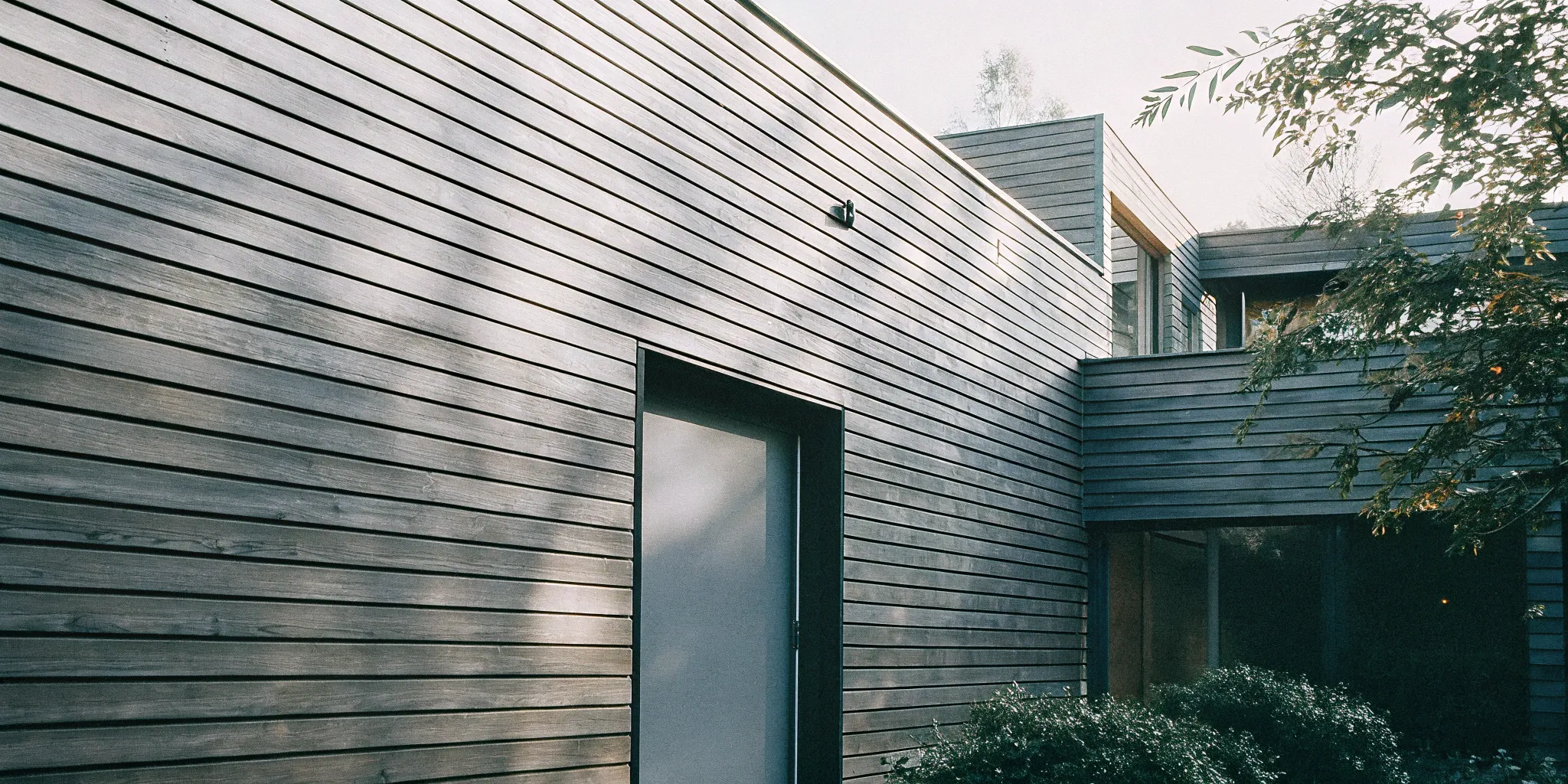
For more contemporary designs, “longboard” styles or smooth, flat panels are increasingly common. These profiles emphasize the clean lines and geometric shapes of modern architecture. When combined with a matte finish and dark “industrial” colors like iron ore or black, these products create a sophisticated, high-contrast look that is very popular in current design trends. The versatility of these materials allows homeowners and architects to be creative without worrying about the long-term maintenance of the materials they choose.
Creating Visual Interest with Mixed Materials
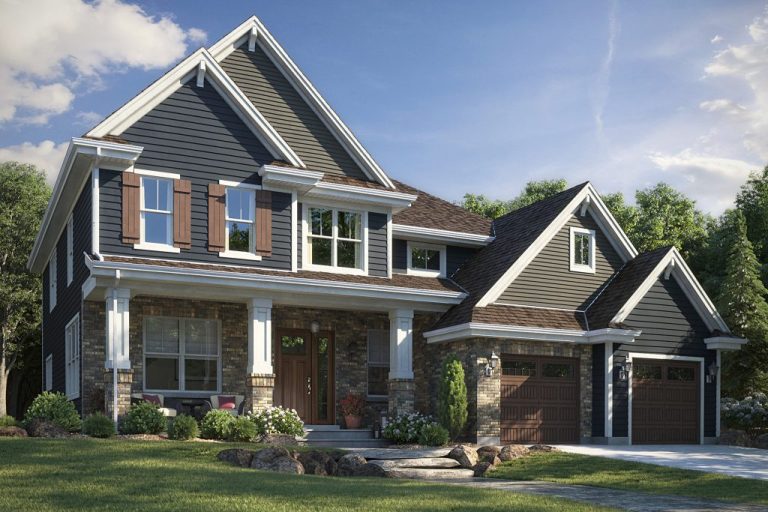
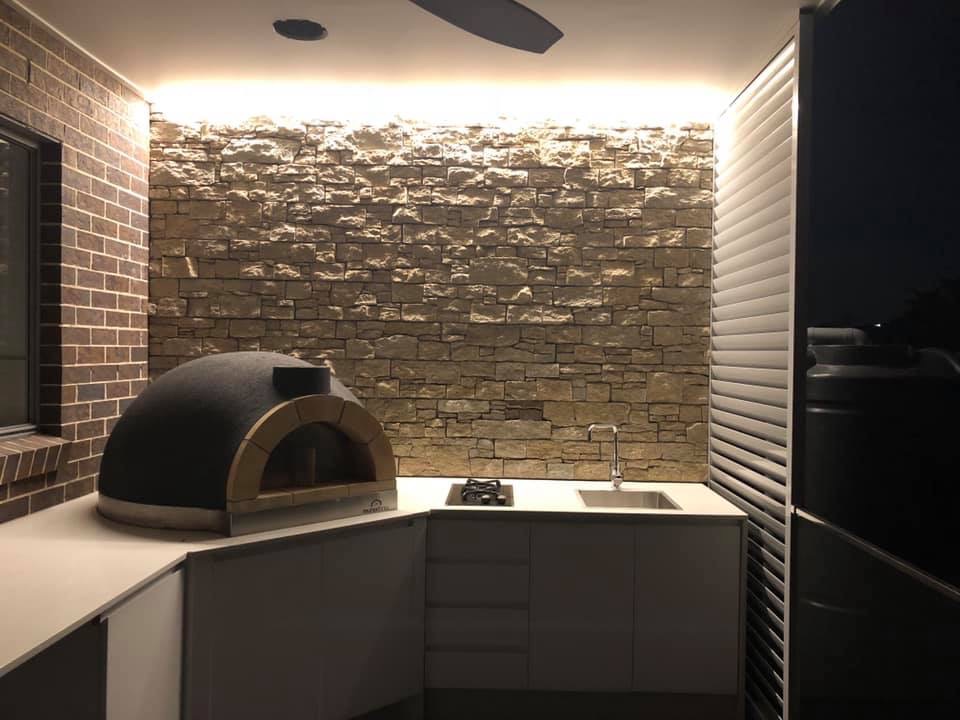
A hallmark of high-end exterior design is the use of “material mixing.” This involves using different types of siding on different parts of the home to create visual interest and architectural depth. For example, a home might feature horizontal lap siding on the main body, board and batten on the gables, and stone veneer accents around the entrance. High-end siding manufacturers offer coordinated color palettes that make it easy to mix and match these different profiles seamlessly.
When mixing materials, the quality of the finish is paramount. If one material looks “cheap” compared to the others, it ruins the entire aesthetic. By choosing high-end USA siding finishes for all components, homeowners ensure a cohesive, premium look that enhances the home’s “visual weight.” This approach also allows for the highlighting of specific architectural features, such as a beautiful bay window or a prominent dormer, making the home look more custom and architecturally significant.
Color Trends and the Psychology of Curb Appeal
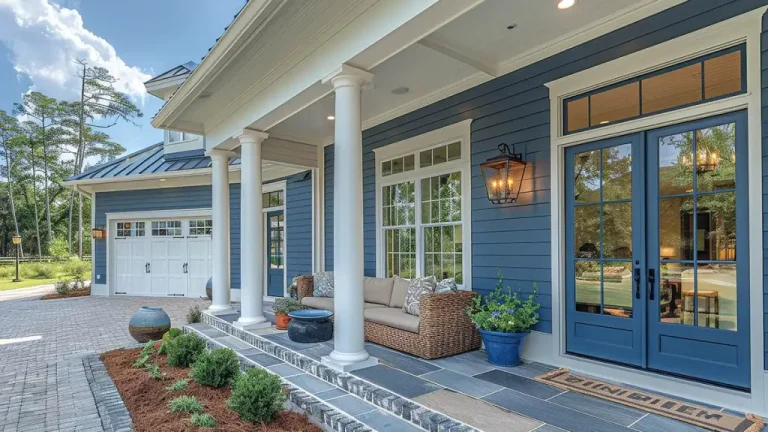
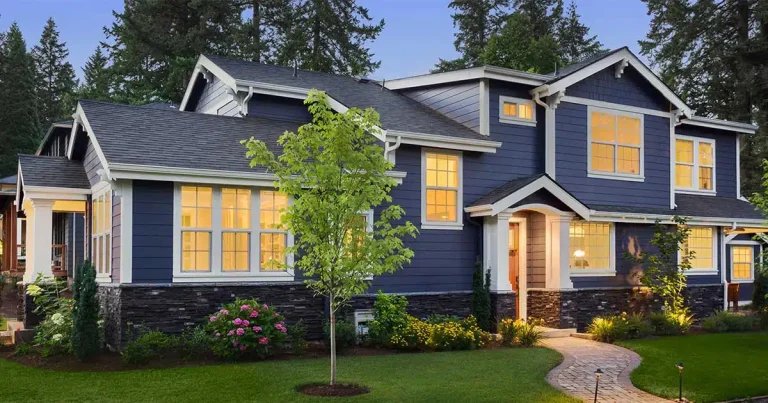
Color is one of the most powerful tools in a homeowner’s arsenal. It can make a small home feel larger, a tall home feel more grounded, and any home feel more modern. Currently, the trend in high-end finishes is moving toward “saturated neutrals.” This includes deep charcoal grays, warm olives, and sophisticated navy blues. These colors provide a strong, confident look that contrasts beautifully with white or light-gray trim. These trends are supported by the advancements in pigment technology mentioned earlier, which allow these dark colors to survive the sun.
There is also a growing interest in “nature-inspired” palettes. These are colors that reflect the surrounding landscape—sands, stones, and forest greens. These shades help the home blend into its environment, creating a sense of harmony and tranquility. High-end finishes in these colors often feature a subtle “low-gloss” sheen that mimics the way light interacts with natural elements. This creates a soft, inviting appearance that is a far cry from the harsh, reflective plastics of the past.
Choosing the right color also involves considering the psychological impact. Blue is often associated with stability and calm, making it a popular choice for large suburban homes. Green suggests growth and renewal, while gray provides a sense of modern sophistication and timelessness. By selecting a high-end finish in a well-considered color, homeowners can communicate a specific “vibe” to the world, significantly impacting the property’s perceived value and the homeowner’s personal enjoyment of their space.
The Science of Color Retention and Pigment Stability
To achieve these deep, lasting colors, manufacturers use complex pigment chemistry. Standard pigments often break down when exposed to the high energy of UV rays, leading to a “chalky” appearance on the siding’s surface. High-end USA siding finishes utilize inorganic pigments that are much more stable. These pigments are derived from minerals and oxides that are naturally resistant to fading. This is why a premium product can maintain its “out-of-the-box” color for decades, even on the south-facing side of a home.
Furthermore, some manufacturers employ “multi-layer” color technology. This involves a base layer of pigment-infused polymer topped with a clear or semi-transparent UV-protective layer. This “clear coat” (similar to what is used on luxury automobiles) provides an extra level of protection and depth to the color. When you look at a premium siding panel, you are often looking through multiple layers of technology designed specifically to keep that color vibrant. This is a significant investment in research and development that is reflected in the product’s price and performance.
Durability and Impact Resistance in Extreme Weather
For many Americans, siding is not just about looks; it is about protection. High-end USA siding finishes are tested against the harshest conditions, from the hurricane-force winds of the Gulf Coast to the massive hailstorms of the Midwest. The durability of these products is a result of their increased thickness and superior material composition. A standard vinyl panel might shatter under the impact of a large hailstone, but a high-end, reinforced panel is designed to flex and absorb the impact without permanent damage.
Wind resistance is another critical factor. Most premium siding systems are rated for wind speeds up to 150-200 mph. This is achieved through advanced locking systems where each panel “snaps” into the one below it with a heavy-duty mechanical bond. This prevents the panels from lifting and rattling, even in severe storms. For homeowners in high-wind zones, this structural integrity is a major selling point. It’s not just that the siding stays on the house; it’s that it stays quiet and looks great even after the storm has passed.
Moreover, the moisture resistance of these polymers is absolute. Unlike wood, which can rot, or fiber cement, which can absorb water if not properly sealed, vinyl is inherently waterproof. This makes it an ideal choice for humid climates or areas with high rainfall. High-end finishes ensure that this water resistance is paired with an aesthetic that doesn’t look like “waterproof plastic.” By combining the utility of a synthetic material with the beauty of a natural finish, homeowners get the best possible protection for their investment.
Testing Standards and Certifications
When evaluating high-end siding, it is important to look for industry certifications. The VSI (Vinyl Siding Institute) certification is a baseline, ensuring the product meets ASTM standards for color retention, weatherability, and impact resistance. However, luxury products often go beyond these baseline tests. Many are tested for “heat distortion” temperatures, ensuring they won’t sag or warp in extreme summer heat. Others are tested for “low-temperature impact,” ensuring they won’t become brittle in the winter.
In addition to these material tests, many high-end systems are “wind-load” tested as a complete assembly. This means the siding, the trim, and the fasteners are all tested together to see how they perform as a system. This holistic testing provides a much more accurate picture of how the product will perform on a real home. When a manufacturer can point to these rigorous testing results, it provides the homeowner with the confidence that they are buying a truly superior product that is engineered for real-world challenges.
Maintenance and Long-Term Value
One of the strongest arguments for high-end USA siding finishes is the nearly non-existent maintenance requirements. Traditional wood siding requires scraping and painting every 3 to 5 years, a process that is both expensive and time-consuming. Fiber cement also requires periodic painting and caulking to maintain its warranty and appearance. In contrast, premium vinyl siding only requires an occasional wash with a garden hose to remove dust and pollen. This “set it and forget it” aspect of the material is a huge draw for busy homeowners.
From a long-term value perspective, the ROI (Return on Investment) for a high-end siding replacement is consistently high. According to various “Remodeling Cost vs. Value” reports, siding replacement is one of the top exterior projects for recouping costs at the time of sale. This is because curb appeal is the first thing a potential buyer sees. A home with a pristine, modern, high-end exterior immediately signals that the property has been well-maintained and cared for. This emotional and financial “curb appeal” translates directly into higher resale prices.
Furthermore, many premium siding products come with “lifetime” or “double-lifetime” warranties that are transferable to the next homeowner. This is a massive selling point. Knowing that the siding is covered for the life of the home—and that the warranty carries over to a new owner—provides a level of security that other materials simply cannot match. When you factor in the saved costs of painting and maintenance over twenty years, the “more expensive” high-end siding often proves to be the most economical choice in the long run.
Cleaning and Care for Premium Finishes
While the maintenance is low, a little bit of care goes a long way in keeping a luxury finish looking new. Most experts recommend a gentle cleaning once a year. A simple solution of water and mild dish soap is usually all that’s needed to remove environmental grime. It is important to avoid abrasive cleaners or high-pressure power washers, which can damage the surface texture or force water behind the panels. A soft-bristle brush and a standard garden hose are the safest tools for the job.
In areas with high humidity, some organic growth like mildew may appear on the shaded side of the home. This is not the siding “rotting,” but rather surface growth on the dust and pollen that has settled on the planks. This can be easily removed with a specialized siding cleaner or a diluted vinegar solution. By spending a few hours once a year on this basic upkeep, homeowners can ensure that their high-end USA siding finishes continue to look spectacular for decades. This ease of care is a primary luxury that these materials offer.
Environmental Impact and Sustainability
The conversation around high-end materials must include sustainability. While plastic often gets a bad reputation, the lifecycle analysis of premium vinyl siding is surprisingly positive. Because the material lasts for 50 years or more, it does not need to be replaced and discarded as often as other materials. Furthermore, the manufacturing process for vinyl is highly efficient, with nearly 100% of the raw materials being utilized and very little waste produced. Many manufacturers also incorporate “regrind”—recycled vinyl—into the inner layers of the planks.
Insulated siding products also contribute to a home’s sustainability by reducing energy consumption. By lowering the carbon footprint of the home over its lifetime, these products help offset the environmental cost of their production. Additionally, at the end of its long life, vinyl siding is recyclable. There are growing programs across the USA to collect and process old vinyl siding into new products, such as underground utility pipes or luxury vinyl tile (LVT) flooring. This circular economy approach is making the category increasingly attractive to eco-conscious homeowners.
Furthermore, many high-end siding products are manufactured in the USA, which reduces the environmental impact of long-distance shipping. Choosing domestically produced materials supports local economies and ensures that the manufacturing process follows strict American environmental and labor standards. When you choose high-end USA siding finishes, you are often choosing a product that has been engineered and produced with a focus on both quality and responsibility. This alignment of performance and ethics is a hallmark of the premium market.
Conclusion: The Future of the American Home Exterior
The rise of high-end USA siding finishes marks a new era in residential construction. We have moved past the era of “disposable” building materials and into an era of high-performance, artisan-quality exteriors. These products offer a unique combination of aesthetic beauty, structural durability, and maintenance-free longevity that was once thought impossible for a polymer material. By investing in these premium finishes, homeowners are not just “siding” their homes; they are cladding them in a protective, beautiful envelope that will stand the test of time.
As technology continues to advance, we can expect even more innovation in this space. From smart coatings that can change color with the season to bio-based resins that further reduce environmental impact, the future of siding is incredibly bright. However, the core principles of high-end design will remain the same: a focus on authentic textures, rich and stable colors, and uncompromising structural integrity. For the discerning homeowner, these finishes represent the ultimate expression of property pride and an intelligent investment in the future of their home.
Ultimately, the choice of exterior cladding is one of the most significant decisions a homeowner can make. It defines the character of the home, protects its structural core, and influences its financial value for years to come. By choosing a high-end finish, you are choosing a product that respects the architecture of your home and the demands of your lifestyle. In the competitive world of American real estate, these premium details make all the difference, transforming a standard house into a standout home.