Durability of US Made Siding: A Complete Guide to Longevity
When evaluating the long-term integrity of a residential structure, the exterior cladding serves as the primary line of defense against an unforgiving environment. Homeowners frequently find themselves navigating a complex marketplace filled with global imports and domestic alternatives. Understanding the durability of US made siding is essential for anyone looking to invest in a replacement project that offers both aesthetic longevity and structural resilience.

American manufacturing standards have evolved significantly over the last several decades, moving beyond simple aesthetics to focus on molecular engineering. This shift ensures that the materials can withstand the diverse climatic conditions found across the North American continent. From the humid coastal regions of the South to the frigid, wind-swept plains of the North, domestic products are engineered for specific performance metrics.
Furthermore, the decision to source materials domestically often involves more than just a patriotic sentiment. It is a strategic choice rooted in rigorous quality control and strict adherence to industry-wide testing protocols. In this exhaustive analysis, we will explore why US-based manufacturing processes result in superior exterior products and how these materials maintain their integrity over multiple decades.
The Evolution of American Siding Standards
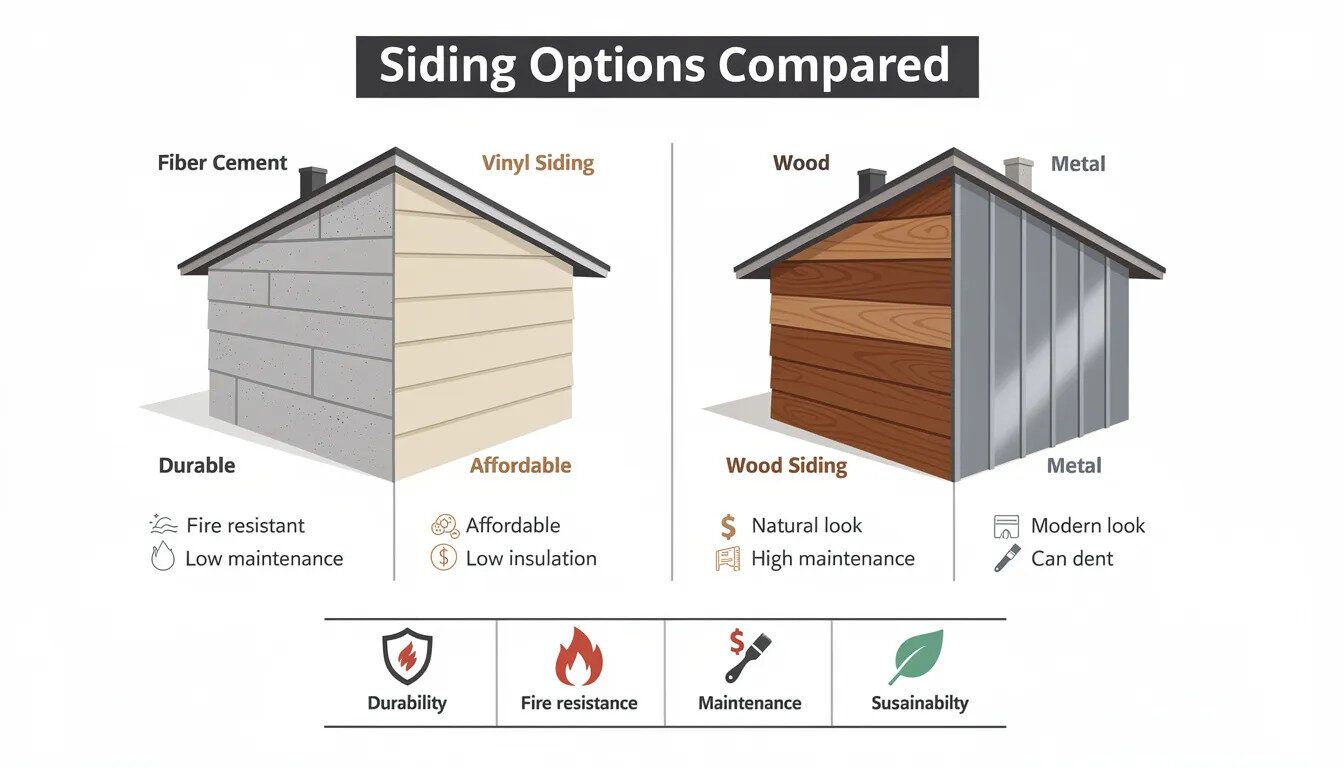
The history of siding in the United States is a narrative of constant improvement and adaptation. Early wood claddings were beautiful but required intense maintenance and were prone to rot. The introduction of aluminum in the mid-20th century provided a low-maintenance alternative, yet it was susceptible to denting and thermal conduction issues.
The subsequent rise of vinyl and fiber cement changed the industry landscape entirely. Modern American manufacturers have refined these materials by integrating advanced polymers and reinforced composites. These innovations have addressed previous weaknesses, such as fading, warping, and brittleness in extreme cold. Today, the manufacturing process is governed by stringent organizations like the Vinyl Siding Institute (VSI).
In addition to material science, the regulatory environment in the US pushes manufacturers toward higher safety and performance benchmarks. Building codes in various states, particularly those prone to hurricanes or wildfires, have forced domestic producers to innovate. This competitive and regulated landscape ensures that the average product off a US assembly line meets a baseline of excellence that is rarely matched by unregulated imports.
Material Science: The Backbone of Longevity
The secret to the longevity of domestic siding lies in the precise chemistry of the raw materials used. US manufacturers typically utilize “virgin” vinyl resins rather than recycled plastics for the outer capstock of the siding. This ensures that the material has a consistent molecular structure, which prevents premature cracking and provides a smoother finish.
Moreover, the inclusion of stabilizers and modifiers is a standard practice in American factories. These chemical additives are designed to absorb UV radiation and prevent the polymer chains from breaking down. Without these high-quality additives, siding would become chalky and brittle within just a few years of exposure to direct sunlight.
Titanium dioxide (TiO2) is perhaps the most critical additive used in premium domestic products. It acts as a powerful sunscreen for the home, reflecting harmful ultraviolet rays. By maintaining a high concentration of TiO2, US manufacturers ensure that the siding retains its color and structural flexibility for thirty years or more, representing a significant return on investment for the homeowner.
Durability of US made siding
When we discuss the durability of US made siding, we are specifically highlighting the product’s ability to maintain its physical properties under stress. This includes resistance to impact, wind, and thermal cycling. Domestic products are tested under ASTM (American Society for Testing and Materials) standards, which provide a transparent metric for performance that homeowners can trust.
One of the standout features of American-made cladding is its impact resistance. Hail, falling branches, and even stray baseballs can cause significant damage to inferior materials. However, US manufacturers often incorporate “impact modifiers”—usually acrylic-based compounds—that allow the siding to absorb energy without shattering or permanent deformation.
Another factor in this durability is the thickness of the panels. While some imported products are thin and flimsy to save on shipping costs, American manufacturers offer various “grades” ranging from .040 to .055 inches thick. This extra thickness provides better rigidity, allowing the siding to hang straighter and resist the “oil canning” or wavy appearance that plagues cheaper alternatives.
Thermal Expansion and Contraction Management
Every material expands and contracts as temperatures change throughout the seasons. This is particularly challenging for long siding panels, which can grow or shrink by significant margins between a summer afternoon and a winter night. If a product cannot handle this movement, it will buckle, crack, or pull away from the wall.
US manufacturers have mastered the art of thermal management through clever design features. Oversized nailing slots and specialized hem designs allow the panels to “float” on the wall. This design ensures that as the material moves, it does so freely without putting undue stress on the fasteners or the home’s sheathing.
Furthermore, the chemical composition of domestic siding is balanced to minimize the coefficient of thermal expansion. By using high-grade polymers and mineral fillers, manufacturers can create a product that is more dimensionally stable. This stability is a key reason why American siding retains its crisp, clean lines for decades after the initial installation.
Wind Load Capacities and High-Velocity Zones
In many parts of the United States, wind is the greatest threat to a home’s exterior. High-velocity winds can get behind siding panels, creating a vacuum effect that rips them off the structure. To combat this, domestic manufacturers have developed sophisticated locking mechanisms that keep the panels securely attached even in gale-force conditions.
Standard American-made vinyl siding is often rated to withstand winds of up to 110 miles per hour. Premium lines, specifically designed for coastal areas, can sometimes withstand pressures exceeding 200 miles per hour. This is achieved through double-walled nailing hems and reinforced locking tracks that provide a “grip” far superior to basic imported versions.
Additionally, the rigidity of US-made panels prevents them from vibrating or “rattling” during high winds. This not only protects the home but also improves the living experience by reducing noise infiltration. A quiet home during a storm is a subtle but profound indicator of the quality of the building envelope.
Moisture Management and Breathability
The primary job of siding is to keep water out, but it must also allow the house to “breathe.” Trapped moisture behind siding can lead to mold growth, rot in the wooden studs, and a decrease in indoor air quality. American siding systems are engineered as part of a comprehensive drainage plane.
Most US-made siding products feature “weep holes” located at the bottom of each panel. These small openings allow any condensation that forms behind the siding to escape harmlessly. Without these holes, moisture would be trapped against the house wrap, eventually finding its way into the structural components of the building.
Furthermore, the profile of American siding creates a natural air gap between the material and the wall. This gap facilitates airflow, which helps dry out any moisture that might penetrate during heavy, wind-driven rain. This holistic approach to moisture management is a hallmark of the durability found in domestic cladding solutions.
Impact Resilience: Handling Hail and Debris
Homeowners in the Midwest and other hail-prone regions understand the value of impact-resistant materials. The durability of US made siding is frequently tested by severe weather events that would destroy lesser products. Domestic manufacturers conduct “drop ball” tests to ensure their products meet specific impact thresholds before they ever leave the factory.
The thickness of the material plays a significant role here, but so does the “flex” of the polymer. A siding panel that is too rigid will crack upon impact, while one that is too soft will dent. American engineers have found the “sweet spot” by blending different types of resins to create a surface that is both tough and resilient.
In addition to weather-related impacts, domestic siding is built to handle the rigors of daily life. This includes everything from weed-whacker accidents to heavy ladders being leaned against the house. Choosing a high-quality domestic product means fewer repairs over the lifetime of the home, saving the owner significant money and frustration.
The table below highlights the differences often seen between high-quality US-made siding and generic, lower-cost imported alternatives:
| Feature | US-Made Premium Siding | Generic Imported Siding |
|---|---|---|
| Typical Thickness | 0.044″ – 0.055″ | 0.035″ – 0.040″ |
| UV Protection | High TiO2 concentration; Multi-layer capstock | Minimal stabilizers; prone to fading |
| Wind Rating | Up to 110-200+ MPH | Often untested or limited to 60-80 MPH |
| Impact Resistance | Reinforced with acrylic modifiers | Brittle; prone to cracking in cold weather |
| Warranty Support | Lifetime Transferable (Domestic Claims) | Limited or difficult to claim overseas |
UV Resistance and Color Retention
Nothing ages a home faster than faded, blotchy siding. The sun’s ultraviolet rays are incredibly destructive, breaking down the chemical bonds in many plastics and paints. However, the durability of US made siding is significantly enhanced by advanced color-fast technologies that lock the pigment into the material.
Domestic manufacturers often use a process called “co-extrusion.” This involves fusing two layers of material: a thick, strong inner core and a highly pigmented, UV-resistant outer layer. This outer layer is specifically designed to resist “chalking,” which occurs when the resins break down and leave a white, powdery residue on the surface.
Furthermore, many American companies have developed proprietary “cool roof” technologies for their siding. These pigments reflect infrared light, which not only keeps the color from fading but also reduces the heat absorbed by the siding. This prevents the panels from overheating, which can lead to distortion or melting in extreme climates.
Structural Thickness vs. Marketing Hype
In the siding industry, thickness is often equated with quality. While this is generally true, it is important to understand what that thickness provides. A thicker panel is more rigid, which allows it to bridge minor imperfections in the wall studs, resulting in a straighter, more professional appearance.
US manufacturers provide clear grading systems for their products. For example, “Professional Grade” is usually around .044 inches, while “Grandview” or “Super Premium” grades can reach .050 inches or higher. These thicker panels are much harder to “kink” during installation and offer better shadow lines, which adds to the home’s curb appeal.
However, thickness alone isn’t enough. The chemistry must be right. Some imported brands might offer a “thick” panel that is made of low-quality, brittle recycled plastic. In contrast, the durability of US made siding is derived from a combination of appropriate thickness and high-quality virgin resins, ensuring the panel is both stout and flexible.
The Role of Professional Installation
Even the most durable siding will fail if it is not installed correctly. One of the advantages of choosing American products is that they are designed with the American contractor in mind. The locking systems, starter strips, and corner posts are all engineered to work together as a cohesive system.
Most reputable US manufacturers offer certification programs for installers. This ensures that the person putting the siding on your home knows exactly how much gap to leave for expansion and how to properly flash around windows and doors. When a product is installed to the manufacturer’s exact specifications, its durability is maximized.
In addition, domestic companies provide extensive installation manuals and technical support in English. This reduces the risk of misinterpretation that can happen with imported products. A properly installed US-made siding system can easily last 40 to 50 years, whereas a poorly installed one might fail in under a decade.
Fire Resistance and Safety Standards
Safety is a critical component of durability. Siding should not only protect a home from rain but also provide a level of protection against fire. US-made vinyl siding is naturally fire-resistant because it is composed largely of chlorine, which acts as a flame retardant. It will not ignite easily and will often self-extinguish once the heat source is removed.
Domestic products are tested against ASTM E84 standards, which measure surface burning characteristics. This testing ensures that the siding does not contribute excessively to flame spread or smoke development. In contrast, some unregulated imported materials may contain fillers or additives that are more flammable or produce toxic fumes when heated.
For homeowners in “Wildland-Urban Interface” zones, fire resistance is not just a preference; it is a legal requirement. Many US manufacturers produce specialized fiber cement or treated metal sidings that carry Class A fire ratings. This commitment to safety is a core part of the value proposition offered by American manufacturing.
Environmental Impact and Sustainability
Modern consumers are increasingly concerned with the lifecycle of the products they buy. The durability of US made siding contributes to sustainability simply by lasting longer. When a product doesn’t need to be replaced every 15 years, it keeps waste out of landfills and reduces the energy required for manufacturing and transport.
Furthermore, US factories are subject to strict EPA (Environmental Protection Agency) regulations regarding emissions and waste disposal. Many domestic manufacturers have also implemented “closed-loop” systems where scrap material from the factory floor is reground and used in the hidden back-layer of new siding panels. This reduces waste without compromising the quality of the outward-facing surface.
Vinyl siding, in particular, has a lower environmental footprint than many people realize. It requires less energy to produce than brick or stone and is much lighter to transport, which reduces fuel consumption. Because it never needs painting or staining, it also eliminates the introduction of VOCs (Volatile Organic Compounds) into the environment over its lifespan.
Economic Longevity: Resale Value and ROI
Investing in high-quality siding is one of the most effective ways to increase a home’s value. According to various “Cost vs. Value” reports, siding replacement consistently ranks as a top project for Return on Investment (ROI). Potential buyers recognize the value of a durable, low-maintenance exterior that won’t require immediate attention.
The durability of US made siding is a major selling point in the real estate market. When a seller can point to a brand-name, American-made product with a transferable warranty, it provides the buyer with peace of mind. This confidence often translates into a higher closing price and a faster sale.
Moreover, the “curb appeal” of premium domestic siding remains high for years. While cheap siding might start to look “plastic” or dingy, high-quality US products use specialized embossing techniques to mimic the look of real wood grain. This aesthetic durability ensures the home looks modern and well-cared-for, even decades after the siding was installed.
Navigating Warranties and Claims
One of the most significant risks of buying imported siding is the lack of recourse if something goes wrong. If an overseas manufacturer goes out of business or simply refuses to honor a warranty, the homeowner is left with no options. In contrast, US manufacturers are accessible and legally bound by domestic consumer protection laws.
Most premium American siding comes with a limited lifetime warranty. These warranties often cover manufacturing defects, excessive fading, and sometimes even hail damage. Because these companies have been in business for decades and have a physical presence in the US, filing a claim is a straightforward process that actually results in a resolution.
Furthermore, many of these warranties are “transferable.” This means that if you sell your home, the next owner still benefits from the warranty coverage. This adds tangible value to the property and serves as a testament to the manufacturer’s confidence in the long-term performance of their product.
Future Trends in US Siding Technology
The American siding industry is not standing still. Manufacturers are currently experimenting with “smart” materials and advanced composites that offer even greater performance. We are seeing the rise of insulated siding, which features a layer of rigid foam permanently bonded to the back of the panel.
This insulation does more than just save energy; it significantly increases the durability of the system. The foam backing acts as a shock absorber, making the siding virtually indestructible by hail. It also provides structural support to the panel, ensuring it stays perfectly flat and rigid regardless of the wall’s condition.
We are also seeing advancements in “self-cleaning” siding technologies. These products feature microscopic surface textures or chemical coatings that prevent dirt and pollen from sticking. When it rains, the water simply washes the debris away, further reducing the maintenance requirements and keeping the home looking new for longer.
Maintenance Requirements for Long-Term Performance
While US-made siding is designed to be low-maintenance, it is not “no-maintenance.” To ensure the maximum lifespan of the product, homeowners should perform basic upkeep. Fortunately, for domestic vinyl or fiber cement, this usually only involves a garden hose and some mild soap once or twice a year.
Avoiding the use of pressure washers is a common recommendation from US manufacturers. High-pressure water can be forced behind the panels or into the weep holes, potentially causing moisture issues. A simple soft-bristle brush and a gentle rinse are all that is needed to remove surface dust and maintain the vibrant color.
Additionally, homeowners should keep an eye on the “sealants” around windows and doors. While the siding itself may last 50 years, the caulk used at the joints may need to be refreshed every 10 years to maintain a watertight seal. By performing these minor tasks, you can ensure that the underlying structure remains as durable as the siding itself.
Regional Considerations for Siding Selection
The “best” siding often depends on where you live. US manufacturers recognize this and often offer different product lines tailored to specific regions. For example, a homeowner in the Pacific Northwest needs a product with exceptional moisture resistance and anti-fungal properties to combat moss and algae.
Conversely, a homeowner in Arizona needs a product with the highest possible UV protection and thermal stability to handle the intense desert sun. Because American manufacturers have a deep understanding of these regional micro-climates, they can provide guidance on which specific products will offer the best durability for a particular zip code.
This regional expertise is something that global exporters simply cannot match. When you buy a product designed for the global market, it is often a “jack of all trades, master of none.” By choosing a domestic product, you are getting a solution that was engineered with your specific environment in mind.
Final Verdict on American Manufacturing
In conclusion, the durability of US made siding is the result of a “perfect storm” of high-quality raw materials, rigorous testing, and a competitive manufacturing environment. While the initial cost may be slightly higher than some imported alternatives, the long-term value is undeniable.
By investing in domestic cladding, you are securing the future of your home’s envelope. You are choosing a material that will not fade, crack, or fail when the weather turns sour. You are also supporting a manufacturing infrastructure that prioritizes safety, sustainability, and consumer protection.
Ultimately, your home is likely your most significant financial asset. Protecting that asset requires materials that are built to last. When you weigh the factors of impact resistance, color retention, and warranty support, American-made siding stands out as the gold standard for modern residential construction.