Best Vinyl Siding Brands USA: 2024 High-Authority Ranking & Review
Selecting the right exterior cladding for your home is more than a simple aesthetic choice; it is a long-term investment in your property’s structural integrity and thermal efficiency. The market is currently saturated with options, making it difficult for homeowners to distinguish between budget-grade materials and premium architectural solutions. When evaluating the best vinyl siding brands USA manufacturers offer today, one must look beyond the surface color and examine the chemical composition, thickness, and wind resistance of the panels.
Modern vinyl siding has evolved significantly from its early iterations in the 1950s. Today’s high-performance products utilize advanced polymers and UV inhibitors to prevent the warping and fading that plagued previous generations. Furthermore, the introduction of insulated backing has transformed vinyl from a simple aesthetic cover into a critical component of a home’s building envelope. This evolution has made vinyl the most popular siding choice in North America, consistently outperforming wood and aluminum in both cost-effectiveness and maintenance requirements.
Homeowners often prioritize initial costs, but the true value of a siding brand lies in its lifespan and the robustness of its warranty. A low-quality panel may save money upfront but will likely require replacement within a decade due to brittleness or extreme discoloration. Conversely, the top-tier manufacturers utilize proprietary manufacturing processes that ensure their products can withstand hurricane-force winds and the harshest solar exposure. This guide provides an exhaustive analysis of the industry leaders to help you make an informed decision for your residence.
The Evolution of Vinyl Siding Technology
The journey of vinyl siding from a cheap alternative to wood to a high-end architectural material is a testament to engineering innovation. Initially, vinyl was criticized for being thin and prone to cracking in cold temperatures. However, the integration of impact modifiers and stabilizers has corrected these early flaws. Modern manufacturing utilizes co-extrusion processes, which fuse two layers of PVC together: the capstock for color and UV protection, and the substrate for structural strength.
One of the most significant breakthroughs in the industry is the development of “perma-color” technologies. Manufacturers now use inorganic pigments and acrylic formulations that reflect infrared light rather than absorbing it. This development is crucial for darker siding colors, which previously suffered from thermal expansion and buckling. By reflecting heat, these panels maintain their shape and hue for decades, even in high-heat environments like the American Southwest.
Structural rigidity has also seen massive improvements. Many of the best vinyl siding brands USA homeowners trust now offer “double-hem” mounting systems. This design creates a reinforced attachment point for nails, effectively doubling the wind resistance of the panel. Some premium lines are rated to withstand winds exceeding 200 miles per hour, making them suitable for coastal regions where high-velocity hurricanes are a recurring threat.
Understanding VSI Certification and Standards
Before diving into specific brands, it is essential to understand the Vinyl Siding Institute (VSI) certification program. The VSI is the primary trade association that sets the quality standards for the industry. Products that carry the VSI seal have undergone rigorous independent testing to ensure they meet or exceed ASTM D3679 standards. This testing covers color retention, weatherability, wind-load resistance, and impact strength.
When you choose a VSI-certified product, you are guaranteed a minimum level of performance. This certification acts as a safety net for consumers, filtering out substandard imports that do not meet American building codes. Furthermore, the VSI also certifies installers, which is equally important. Even the highest-quality siding will fail if it is not installed with the proper room for expansion and contraction.
The technical specifications of a panel, such as its thickness, are often the primary indicators of quality. Standard economy siding usually measures around 0.040 inches thick, whereas premium professional-grade panels range from 0.044 to 0.050 inches. This additional thickness provides greater rigidity, allows for deeper wood-grain embossing, and results in a flatter, more authentic appearance on the wall. Thicker panels are also less likely to sag over time between the studs.
Best vinyl siding brands USA
When assessing the current marketplace, certain names consistently rise to the top due to their history of innovation and customer satisfaction. These companies have established massive distribution networks and offer warranties that are often transferable to subsequent homeowners. Choosing a recognized brand ensures that replacement panels will be available years down the road if repairs are ever needed due to storm damage or home additions.
CertainTeed remains a dominant force in the industry, often cited by contractors as the benchmark for quality. Their Monogram and CedarBoards lines are particularly popular for their realistic textures and vast color palettes. They have successfully bridged the gap between the affordability of vinyl and the prestigious look of natural cedar shakes. Their focus on sustainable manufacturing also appeals to the modern, eco-conscious homeowner.
Alside is another heavyweight, known primarily for its innovation in insulated siding. Their Charter Oak product line was one of the first to feature a reinforced “one-piece” design that simplifies installation while providing superior structural integrity. Alside’s commitment to energy efficiency is evident in their high R-value offerings, which can significantly reduce a home’s heating and cooling costs by breaking the thermal bridge created by wall studs.
CertainTeed: The Industry Standard for Versatility
CertainTeed has earned its reputation through a massive catalog that caters to every architectural style. Whether you own a Victorian-era home that requires intricate gingerbread trim or a modern minimalist structure, CertainTeed likely has a profile that fits. Their Monogram line, for instance, offers over 40 different colors, including wood-tone blends that mimic the natural variegation of stained timber.
The company’s commitment to engineering is showcased in their “PermaColor” lifetime fade protection. This technology ensures that the vibrant hues chosen at the time of installation remain consistent throughout the life of the product. Additionally, their Northwoods line of single 7-inch and 9-inch rough-sawn shakes provides a rugged, rustic appearance that is virtually indistinguishable from real wood from the curb.
Beyond aesthetics, CertainTeed focuses on the installer experience. Their “StudFinder” system is a proprietary feature that includes graphics printed on the siding hem to help ensure nails are driven into the studs. This reduces the risk of the siding blowing off during high winds and ensures a more secure, long-lasting attachment. This attention to detail is why they are frequently ranked among the best vinyl siding brands USA builders recommend.
Alside: Pioneers in Reinforced Engineering
Alside has carved out a niche by focusing on the structural performance of vinyl. Their flagship product, Charter Oak, features a “TriBeam” structural system. This internal support allows the siding to span over minor wall imperfections, resulting in a much straighter and more uniform appearance across the facade. This is particularly beneficial for older homes where the original framing may have settled or bowed.
For those living in regions with extreme temperature fluctuations, Alside’s Odyssey Plus line is a standout performer. It features a secure-locking system that allows for smooth expansion and contraction without the “clicking” or “rattling” noises often associated with cheaper vinyl products. The extra-thick 0.044-inch panels also provide excellent impact resistance against hail and stray baseballs.
Alside also excels in the realm of customizability. Their Pelican Bay One Shakes and Scallops allow homeowners to add architectural interest to gables and accent walls. By combining these decorative elements with their standard horizontal laps, a homeowner can achieve a fully custom, high-end look without the maintenance requirements of traditional wood decorative elements.
A Deep Dive into Mastic by Ply Gem
Mastic, a brand under the Ply Gem umbrella, is often the preferred choice for those seeking a balance between high-end features and mid-range pricing. Mastic’s Quest line is particularly noteworthy for its “Tornado-Tough” design. This siding is engineered to stay attached to the home in winds up to 240 miles per hour, which is a critical feature for homeowners in “Tornado Alley” and coastal hurricane zones.
What sets Mastic apart is their focus on “curb appeal science.” They offer a wide range of designer colors and coordinate their siding with a full suite of soffits, fascia, and gutter systems. This holistic approach ensures that every component of the home’s exterior matches perfectly in both color and texture. Their DreamColor program even allows for custom color matching, providing nearly limitless possibilities for personalization.
Mastic also places a heavy emphasis on sustainability. Their products are made with a significant percentage of recycled content, and they are fully recyclable at the end of their lifespan. This commitment to the environment does not come at the expense of durability; Mastic panels are treated with advanced UV inhibitors that protect against the “chalking” effect that can occur with lower-quality vinyl products over time.
Royal Building Products: Innovation in Cellular PVC
Royal Building Products, now a part of Westlake Royal Building Products, has pushed the boundaries of what vinyl can be. While they offer traditional vinyl lines like Estate and Residential, their Celect line of cellular composite siding is a game-changer. Although it sits at a higher price point, Celect provides the look and feel of real wood with seamless joints that are impossible to achieve with standard vinyl.
For homeowners looking at traditional vinyl, the Royal Estate line offers a heavy-gauge 0.044-inch panel with a deep wood grain texture. This product is designed to minimize the appearance of seams, which is often the biggest giveaway that a home has vinyl siding. Their “Windlok” 240 technology ensures that the panels remain locked together even under extreme pressure, providing peace of mind during severe weather events.
Royal is also famous for their “Zionsville” architectural accents. They understand that the details make the home. By providing high-quality shutters, mounts, and vents that match their siding colors perfectly, they allow for a professional finish that increases the overall resale value of the property. Their focus on the “total home” aesthetic makes them a top contender for the title of the best vinyl siding brands USA market has to offer.
Technical Comparison of Top Siding Manufacturers
| Brand Name | Premium Product Line | Standard Thickness | Max Wind Rating | Warranty Type |
|---|---|---|---|---|
| CertainTeed | Monogram | 0.046″ | 220 MPH | Limited Lifetime |
| Alside | Charter Oak | 0.046″ | 190+ MPH | Lifetime Transferable |
| Mastic (Ply Gem) | Quest | 0.046″ | 240 MPH | V.I.P. Limited Lifetime |
| Royal Building Products | Estate | 0.044″ | 180 MPH | Limited Lifetime |
| Georgia-Pacific | Compass | 0.044″ | 165 MPH | Limited Lifetime |
The table above highlights that while thicknesses are relatively consistent among premium lines, wind ratings and warranty specifics can vary. When choosing between these manufacturers, it is vital to consider your local climate. A homeowner in a high-wind coastal area might prioritize Mastic’s 240 MPH rating, while someone in a historic district might value CertainTeed’s extensive color and texture library more highly.
Another factor to consider is the “lap” style. Traditional clapboard features a straight slope, while Dutch Lap adds a decorative groove at the top of each row to create deeper shadow lines. Most of these top brands offer both styles in various exposure widths, typically ranging from 4-inch to 7-inch laps. The choice of lap style can drastically change the visual scale of your home, making it appear taller or more expansive.
It is also worth noting that the “transferable” nature of a warranty can be a significant selling point when you put your home on the market. Buyers are often willing to pay a premium for a home that comes with a guaranteed exterior for the next several decades. Always read the fine print of these warranties, as some may require the new owner to register the transfer within a specific timeframe after the closing of the sale.
Georgia-Pacific: Reliability and Retail Accessibility
Georgia-Pacific (GP) is a name synonymous with building materials. Their vinyl siding lines are often found in major home improvement stores, making them highly accessible for DIY enthusiasts and local contractors alike. Despite their retail focus, GP produces high-quality panels like the Compass and Caliber lines, which hold their own against more “exclusive” brands.
The Compass line is particularly well-regarded for its “Shaded Ridge” technology, which uses a darker shadow line to mimic the look of real wood siding more effectively. This creates a depth of field that makes the vinyl look less “flat” under direct sunlight. GP also offers a solid range of insulated siding options, helping homeowners improve their home’s energy profile without breaking the bank.
One of the advantages of choosing a brand with massive retail presence is the ease of sourcing additional material. If a small section of your siding is damaged during a storm or a landscaping accident, you can often find matching J-channels or replacement panels locally. This eliminates the long lead times often associated with specialty architectural brands, ensuring your home is repaired quickly.
The Critical Importance of Proper Installation
Even if you purchase from the best vinyl siding brands USA manufacturers provide, the product will fail if the installation is subpar. Vinyl is unique among siding materials because it is designed to “float” on the wall. Because PVC expands and contracts significantly with temperature changes, nails must not be driven tight against the siding. Instead, a small gap (about the thickness of a dime) must be left between the nail head and the panel.
Failure to allow for this movement results in “oil canning,” a term used to describe the wavy, distorted appearance of siding that has buckled because it has nowhere to go as it expands in the sun. Professional installers also use specialized tools to ensure that horizontal lines remain perfectly level around corners and over windows. This precision is what separates a high-end siding job from a mediocre one.
Flashings and moisture barriers are another critical component. Siding is not intended to be a water-tight seal; rather, it is a water-shedding system. A high-quality house wrap must be installed underneath the siding to protect the wooden sheathing from moisture that inevitably gets behind the panels. Improperly installed flashing around windows and doors is the leading cause of rot in sided homes, emphasizing the need for skilled labor.
Insulated Siding: Is the Extra Cost Worth It?
Insulated vinyl siding consists of a standard vinyl panel permanently bonded to a layer of expanded polystyrene (EPS) foam. While this increases the material cost by 20% to 50%, the benefits are multi-faceted. First and foremost is the increased R-value. Standard vinyl has a negligible R-value, but insulated panels can add R-2 to R-5 to your walls, which helps eliminate “thermal bridging” through the studs.
Beyond energy savings, insulated siding offers significantly better impact resistance. The foam backing acts as a shock absorber, preventing the vinyl from cracking or denting when hit by hail or debris. It also provides a much firmer feel to the wall; when you touch insulated siding, it feels solid like wood, rather than hollow like traditional vinyl. This perceived quality can enhance the “premium” feel of your home’s exterior.
Noise reduction is another often-overlooked benefit. The dense foam layer acts as a sound dampener, significantly reducing the amount of exterior noise that enters the home. If you live near a busy street or in a noisy neighborhood, the acoustic benefits of insulated siding can provide a much-needed increase in interior comfort. This makes it a popular choice for urban renovations and homes near airports.
Maintenance and Long-Term Care of Vinyl Siding
One of the primary reasons homeowners search for the best vinyl siding brands USA offers is the desire for a “maintenance-free” exterior. While no material is truly maintenance-free, vinyl comes very close. It does not require painting, staining, or caulking. However, periodic cleaning is necessary to remove dust, pollen, and environmental pollutants that can dull the finish over time.
To clean vinyl siding properly, a simple solution of mild soap and water is usually sufficient. Using a soft-bristled brush can help remove stubborn dirt without scratching the surface. It is important to avoid using a pressure washer at high settings, as the intense force can drive water behind the siding panels or even crack the vinyl if the nozzle is held too close. A gentle garden hose rinse is much safer and usually effective.
In shaded or humid areas, mold and mildew may occasionally grow on the surface of the siding. This is not a failure of the material itself but rather a growth on the surface dust and organic matter. A solution of one part bleach to four parts water can safely kill these spores. Always rinse the siding thoroughly after using any cleaning chemicals to ensure that no residue remains, as this could potentially affect the finish over many years.
Color Retention and the Impact of UV Exposure
The sun is the greatest enemy of any exterior building material. UV radiation breaks down the chemical bonds in polymers, leading to fading and brittleness. To combat this, the best vinyl siding brands USA companies produce use Titanium Dioxide (TiO2) as a primary ingredient in their capstock. TiO2 acts as a sunscreen for the siding, reflecting harmful rays and preserving the vibrancy of the color.
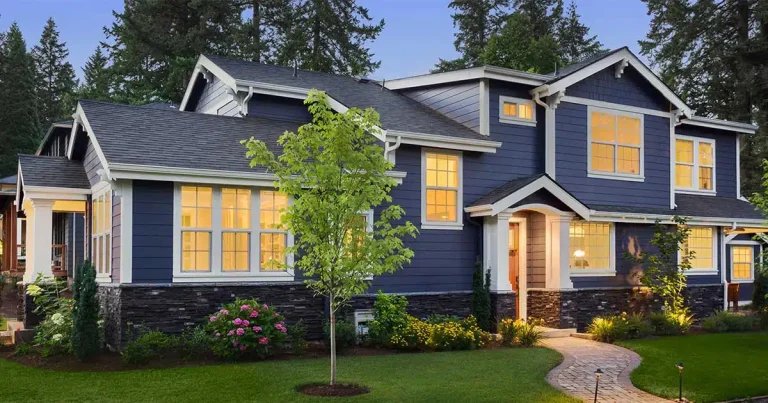
Darker colors, such as deep blues, forest greens, and charcoal grays, are more susceptible to fading because they absorb more heat. Manufacturers have solved this by using “cool roof” technology in their siding pigments. These pigments are designed to reflect the infrared spectrum of sunlight, which is responsible for heat build-up. By staying cooler, the panels are less likely to experience the thermal degradation that causes color loss.
When selecting a color, it is wise to consider the long-term aesthetic of your neighborhood. While bold colors are currently in vogue, classic shades of cream, gray, and tan tend to have the highest resale appeal. Most top brands now offer online “visualizer” tools where you can upload a photo of your house and “try on” different siding colors and profiles before making a final commitment.
Environmental Impact and Sustainability of Vinyl
The environmental footprint of vinyl siding is often a topic of debate. However, when analyzed through a full life-cycle assessment, vinyl performs surprisingly well compared to other materials. Because it is lightweight, it requires less energy to transport. Because it never needs painting or staining, it eliminates the VOCs (Volatile Organic Compounds) associated with those processes over the home’s lifetime.
Modern PVC manufacturing has also become much cleaner. Many of the best vinyl siding brands USA residents trust have implemented “closed-loop” water systems and aggressive recycling programs. Scraps from the manufacturing process are ground down and reintegrated into the substrate layer of new siding panels. This reduces waste and minimizes the amount of raw virgin resin required for production.
Furthermore, the longevity of vinyl contributes to its sustainability. A product that lasts 50 years is inherently better for the environment than one that needs to be replaced every 15 years. Some manufacturers have even begun producing vinyl siding that incorporates bio-based polymers, further reducing the reliance on fossil fuels. As green building standards like LEED and NGBS continue to gain traction, the industry is constantly innovating to meet stricter environmental criteria.
The Economics of Siding Replacement
Replacing the siding on a home is a significant financial undertaking, but it consistently ranks as one of the best investments for a high Return on Investment (ROI). According to various “Cost vs. Value” reports, homeowners can expect to recoup 65% to 75% of the project cost in added home value. This makes it a much more sound investment than interior remodels like kitchens or bathrooms, which often have lower recovery rates.
The total cost of a siding project is influenced by several factors: the square footage of the home, the complexity of the architecture, the quality of the material, and the local labor rates. A simple rectangular ranch home will be much less expensive to side than a multi-story Victorian with complex gables and turrets. It is generally recommended to get at least three quotes from reputable contractors who are certified by the manufacturers they install.
Financing is often available through specialized home improvement lenders or through the manufacturers themselves. Some companies offer “same-as-cash” programs or low-interest long-term loans. When budgeting, always include a 10% contingency fund to cover unexpected repairs, such as replacing rotted wood sheathing that is discovered once the old siding is removed.
Conclusion: Selecting Your Ideal Brand
Choosing from the best vinyl siding brands USA offers requires a careful analysis of your specific needs, budget, and local climate. CertainTeed remains the overall leader for those who want the widest variety of styles and the highest level of architectural detail. Alside and Mastic offer incredible structural performance and wind resistance, making them ideal for challenging weather environments. Royal Building Products provides a bridge into the luxury market with their composite options.
Ultimately, the success of your siding project depends on the harmony between high-quality material and professional installation. Take the time to research the specific product lines mentioned in this guide, and do not be afraid to ask contractors for local references. Seeing a siding product “in the wild” on a home that was sided five or ten years ago is the best way to gauge how well that brand holds up to the elements in your specific area.
Investing in premium vinyl siding is an investment in your home’s future. By selecting a top-tier brand, you are ensuring that your property remains protected, energy-efficient, and visually stunning for decades to come. Whether you are looking for the rugged charm of cedar shakes or the clean lines of traditional clapboard, the American vinyl siding market has a high-performance solution that will exceed your expectations.