Vinyl Siding vs Fiber Cement Price: 2024 Cost Comparison Guide
When embarking on a home renovation project, few decisions carry as much weight as the choice of exterior cladding. This decision defines your home’s curb appeal, its structural protection, and its long-term financial burden. Consequently, homeowners frequently find themselves evaluating the Vinyl siding vs fiber cement price to determine which material offers the best balance of immediate affordability and lasting value. While both materials have evolved significantly over the last three decades, they represent fundamentally different philosophies in building science and home design.
The exterior of your home is its first line of defense against the elements. Whether you are facing the humid heat of the South or the brutal winters of the North, your siding must withstand temperature fluctuations, moisture, and UV exposure. Understanding the nuanced differences between polyvinyl chloride (PVC) and the composite nature of fiber cement is essential. Furthermore, the total cost of ownership extends far beyond the initial invoice from a contractor, encompassing maintenance, energy efficiency, and eventual resale value.
In this comprehensive analysis, we will dissect every factor that influences the financial outlook of these two popular materials. By looking at raw material costs, labor complexities, and the hidden expenses of long-term upkeep, we aim to provide a definitive guide for the savvy homeowner. The goal is to move past surface-level marketing and uncover the granular details that dictate the real-world Vinyl siding vs fiber cement price in today’s volatile construction market.
The Fundamental Composition of Modern Siding Materials
To understand the price discrepancy between these two options, one must first understand what they are made of. Vinyl siding is primarily composed of polyvinyl chloride (PVC) resin. This plastic-based material is lightweight, flexible, and manufactured through an extrusion process. Modern vinyl is often “co-extruded,” meaning it has two layers: a capstock to resist UV damage and a substrate for structural integrity. This manufacturing efficiency keeps the production costs relatively low compared to more labor-intensive materials.
Fiber cement, most famously associated with the James Hardie brand, is a much denser product. It is a composite material made from Portland cement, sand, water, and cellulose (wood) fibers. These components are pressurized and cured in an autoclave to create a product that mimics the look of wood but possesses the durability of masonry. Because the raw ingredients are heavier and the manufacturing process is more energy-intensive, the base cost of fiber cement is inherently higher than that of vinyl.
Moreover, the weight of the materials plays a critical role in the logistical pricing. Vinyl is incredibly light, allowing for easy transport and handling on-site. Fiber cement is remarkably heavy and brittle until it is properly fastened to the wall. This weight requires more fuel for transport and more physical labor during the offloading and staging phases of a project. Consequently, the material price is just the tip of the iceberg when calculating the final budget.
Initial Material Cost Comparison: Breaking Down the “Square”
In the siding industry, materials are sold by the “square,” which is an area of 100 square feet. When homeowners begin comparing the Vinyl siding vs fiber cement price, the square is the standard unit of measurement. On average, standard grade vinyl siding might cost between $200 and $500 per square for the material alone. Premium, insulated vinyl siding can push those costs higher, often reaching $600 to $800 per square depending on the thickness and the foam backing used.
Fiber cement occupies a higher price bracket from the outset. Raw boards usually start around $500 per square and can easily climb to $1,200 per square for pre-finished or designer profiles. Shingle styles (often called “shakes”) in fiber cement are particularly expensive due to the complexity of the molding and the volume of material required for overlapping. While high-end vinyl can sometimes overlap with low-end fiber cement in price, the ceiling for fiber cement is significantly higher.
It is also important to consider the “waste factor.” During installation, particularly on homes with complex gables and many windows, a certain percentage of material is lost to cutting. Fiber cement tends to have a slightly higher waste factor because the boards can crack or break if mishandled. Vinyl, being more forgiving and flexible, often results in less breakage during the installation process, which can lead to marginal savings on the total volume of material ordered.
Vinyl siding vs fiber cement price
| Cost Category | Vinyl Siding (Standard) | Fiber Cement (Hardie Board) |
|---|---|---|
| Material Cost (Per Square) | $200 – $500 | $500 – $1,200 |
| Installation Labor (Per Square) | $200 – $400 | $600 – $1,100 |
| Total Initial Cost (Per Square) | $400 – $900 | $1,100 – $2,300 |
| 20-Year Maintenance Cost | Low (Cleaning only) | Moderate (Repainting/Caulking) |
| Expected Lifespan | 20 – 40 Years | 30 – 50+ Years |
| ROI at Resale | Approx. 65-75% | Approx. 75-85% |
Labor Intensive Realities of Fiber Cement
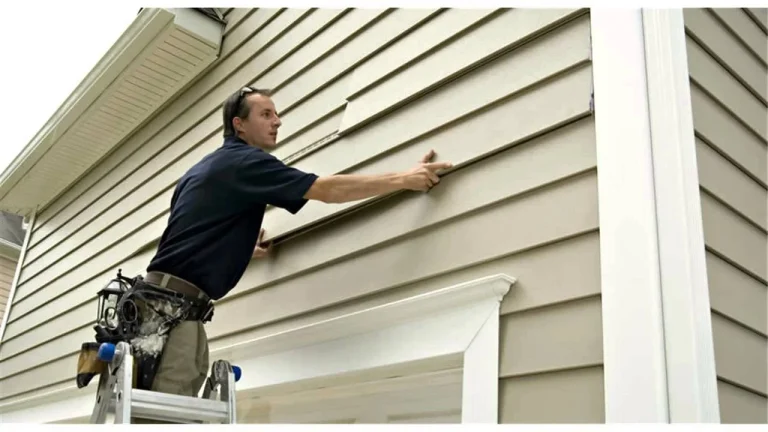
Labor is often the most overlooked variable in the Vinyl siding vs fiber cement price equation. Installing fiber cement is a specialized trade that requires specific tools and safety protocols. Because the material contains silica, installers must use specialized shears or HEPA-filtered saws to avoid inhaling dangerous dust. These safety requirements, combined with the material’s weight, necessitate a larger crew or more hours on the job site.
Vinyl installation is significantly faster. It uses a “hang” method where the panels are loosely nailed to allow for thermal expansion and contraction. A skilled two-person crew can often side a small house in a matter of days. In contrast, fiber cement must be blind-nailed or face-nailed into studs with precision. Every butt joint must be flashed or caulked, and every cut edge must be primed or painted to prevent moisture from infiltrating the cellulose fibers. This meticulous attention to detail drives labor costs up by 50% to 100% compared to vinyl.
The Hidden Costs of Specialized Equipment
Contractors who specialize in fiber cement often charge a premium because of the wear and tear on their equipment. Fiber cement is abrasive; it dulls standard saw blades in minutes. Installers must invest in polycrystalline diamond-tipped blades, which are significantly more expensive than standard carbide blades. Additionally, because the material is heavy, it often requires more robust scaffolding or specialized pump jacks to move the boards safely up the side of a multi-story home.
Furthermore, the environmental conditions during installation can impact the price. Fiber cement generally shouldn’t be installed in freezing temperatures or heavy rain because the moisture can be trapped in the board edges before they are sealed. Vinyl is more versatile in this regard, though it can become brittle in extreme cold. The “window” for a perfect fiber cement installation is narrower, which can sometimes lead to scheduling delays that indirectly increase the overhead costs of a project.
Long-Term Maintenance and the Paint Cycle
One of the most compelling arguments for vinyl is its “set it and forget it” nature. Vinyl is color-through, meaning the pigment is integrated throughout the PVC material. Scratches or dings do not reveal a different color underneath. Beyond an occasional power wash to remove algae or dirt, vinyl requires virtually zero maintenance. Over a 20-year period, the maintenance cost for vinyl is effectively near zero dollars for the average homeowner.
Fiber cement, however, is a different story. While it can be purchased “pre-finished” (like James Hardie’s ColorPlus technology), it will eventually need to be repainted. Most pre-finished warranties last 15 years, but real-world conditions often necessitate a fresh coat of paint every 7 to 12 years. If you buy “primed only” fiber cement to save on initial costs, you must pay for a professional paint job immediately after installation. This ongoing “paint cycle” is a critical component of the Vinyl siding vs fiber cement price over the lifetime of the home.
A professional exterior paint job for a standard 2,000-square-foot home can cost anywhere from $4,000 to $8,000. If you have to do this twice over twenty years, you have added $10,000 or more to the total cost of your fiber cement siding. For some, this is a deal-breaker. For others, the ability to change the color of their home every decade is seen as a luxury and an advantage that vinyl cannot offer.
Durability and Environmental Resilience
When analyzing price, one must also look at “cost per year of life.” Fiber cement is arguably the more durable material in terms of impact resistance. It is fire-rated and stands up well to high winds and hail. If a rogue baseball or a large hailstone hits fiber cement, it is unlikely to leave a mark. Vinyl, particularly older or thinner grades, can crack or shatter under high-impact force. This is especially true in cold climates where the plastic becomes less flexible.
However, fiber cement has a weakness: moisture. If the material is not installed with proper clearances from roofs and decks, or if the caulking fails, the cellulose fibers can absorb water. This leads to swelling, delamination, and rot—ironically the very thing homeowners are trying to avoid when moving away from wood. Vinyl is entirely waterproof. It does not rot, and it does not support the growth of mold or mildew within the material itself. The “price” of a failure in fiber cement installation is much higher than a failure in vinyl installation.
Resistance to Pests and Wildlife
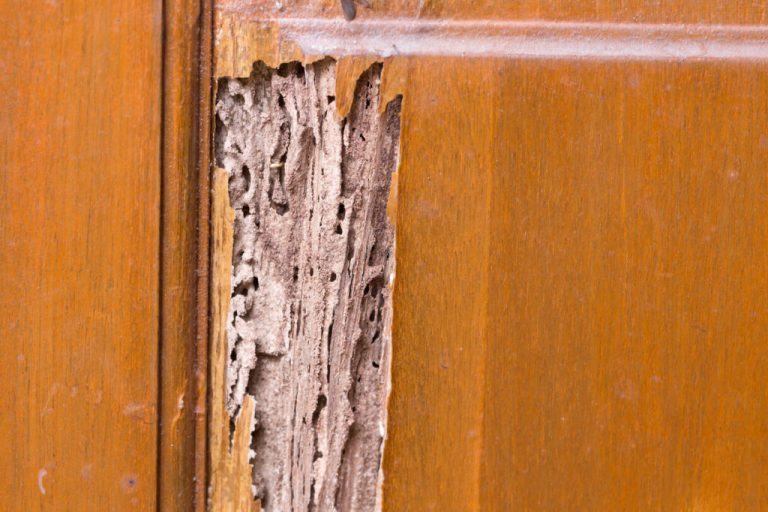
Both materials offer a significant upgrade over traditional wood siding when it comes to pests. Termites and carpenter ants have no interest in PVC or cement. However, woodpeckers can sometimes be a nuisance for certain types of siding. Fiber cement is essentially rock, so woodpeckers generally ignore it. Vinyl is also resistant, though the hollow space behind standard vinyl panels can sometimes provide a nesting ground for insects if the soffits and starter strips aren’t sealed properly.
In regions prone to wildfires, the Vinyl siding vs fiber cement price conversation often shifts toward safety. Fiber cement is non-combustible and often earns homeowners a discount on their fire insurance premiums. Vinyl will melt when exposed to high heat, and it can actually accelerate the spread of a fire if it reaches the substrate. In the “Wildland-Urban Interface” zones of the Western United States, the higher price of fiber cement is often viewed as a mandatory investment for safety and code compliance.
Energy Efficiency and Thermal Performance
Standard versions of both materials offer very little in the way of insulation. Siding is designed to be a rain screen, not a thermal blanket. However, the industry has responded with “insulated vinyl.” This product features a custom-contoured foam backing that fills the gap between the siding and the wall. This can increase the R-value (thermal resistance) of your walls by 2.0 to 3.5. This addition can lead to lower monthly utility bills, which helps recoup some of the initial Vinyl siding vs fiber cement price difference.
Fiber cement is dense, which gives it a high thermal mass, but it is not a good insulator. To achieve similar energy efficiency with fiber cement, a contractor would need to install rigid foam insulation boards (out-sulation) beneath the siding. This adds another layer of material and labor costs to an already expensive project. If your primary goal is reducing your carbon footprint and lowering heating/cooling costs, insulated vinyl provides a more cost-effective integrated solution.
The Psychological Aspect: Curb Appeal and Resale Value
Value is subjective, and curb appeal plays a massive role in the final appraisal of a home. Fiber cement is widely regarded as the “premium” option. It has a heavy, solid feel and a deep wood grain texture that is difficult to distinguish from real cedar. For high-end homes, fiber cement is often the expected standard. Using vinyl on a luxury home might actually decrease its market value or at least limit its “wow factor” during a showing.
That said, modern premium vinyl has made huge strides. From a distance of 20 feet, it is often difficult to tell the difference between high-quality vinyl and fiber cement. Vinyl also offers specialized profiles like beaded panels and Dutch lap that can enhance architectural interest. However, the “hollow” sound when you tap on vinyl is a constant reminder of its plastic nature. Prospective buyers often perceive fiber cement as a more permanent, high-quality feature, which is why it typically yields a higher Return on Investment (ROI) in real estate surveys.
Regional Price Fluctuations and Availability
The cost of siding is not uniform across the United States. In regions where fiber cement is manufactured locally, the price may be more competitive. Conversely, in remote areas, the shipping costs for heavy cement-based products can be astronomical. Vinyl remains the most widely available and consistently priced material across the country. Because it is so light, it can be shipped easily and stored in large quantities by local distributors.
Labor rates also vary by region. In metropolitan areas with high costs of living, the gap between vinyl and fiber cement labor can widen. Finding a certified James Hardie installer in a rural area might be difficult, leading to “travel premiums” added to your quote. When evaluating the Vinyl siding vs fiber cement price, it is imperative to get at least three local quotes to understand the specific market dynamics in your zip code.
The Impact of Home Architecture on Cost
The complexity of your home’s design will disproportionately affect the cost of fiber cement. If your home has many corners, dormers, and intricate trim work, the labor for fiber cement will skyrocket. Each one of those joints requires careful cutting, gapping, and caulking. Vinyl systems come with a wide array of J-channels, corner posts, and trim accessories that make finishing these complex areas much faster and more affordable.
Moreover, the height of the building matters. Working with heavy fiber cement boards on the third story of a Victorian home is significantly more dangerous and slow than working with lightweight vinyl. Contractors will often add a “height premium” to fiber cement jobs that they might waive for vinyl. If you have a simple, single-story ranch house, the price gap will be at its narrowest. If you have a complex multi-story dwelling, the gap will widen significantly.
Sustainability and Environmental Footprint
For the eco-conscious homeowner, the price of siding is also measured in its environmental impact. This is a complex debate. Vinyl is a petroleum-based product, and its manufacturing releases dioxins. However, it is lightweight to ship and can be recycled (though it rarely is). Its long lifespan and lack of painting requirements mean fewer chemicals are introduced to the environment over time.
Fiber cement is made from more sustainable raw materials like sand and wood pulp. However, the process of creating Portland cement is very carbon-intensive. Additionally, the need for repainting means that every decade, more VOCs (volatile organic compounds) are being applied to the exterior of the home. When you factor in the fuel required to transport the heavy boards, the “green” advantage of fiber cement is not as clear-cut as it seems. In terms of “environmental price,” both materials have significant trade-offs.
Understanding Warranties and Long-Term Protection
A warranty is essentially an insurance policy included in your purchase price. Vinyl siding typically comes with a “Lifetime Limited Warranty,” which often covers manufacturing defects for as long as you own the home. Some are even transferable to the next owner, which can be a selling point. However, these warranties rarely cover “fading” beyond a certain point, and they certainly don’t cover impact damage from storms.
Fiber cement warranties are generally structured differently. Most offer a 30-year non-prorated limited warranty on the substrate itself. The finish (if pre-painted) usually has a separate 15-year warranty. It is crucial to read the fine print. Fiber cement warranties are often voided if the installation does not follow the manufacturer’s strict guidelines to the letter. This is another reason why the Vinyl siding vs fiber cement price includes a premium for specialized labor; you are paying for the peace of mind that your warranty will be honored.
The “Total Cost of Ownership” Calculation
To truly understand which material is “cheaper,” we must look at a 30-year horizon. Let’s assume a hypothetical 2,000 sq. ft. home installation:
- Vinyl: $12,000 initial cost + $0 maintenance + $0 painting = $12,000 total.
- Fiber Cement: $22,000 initial cost + $500 maintenance (caulking) + $12,000 (two paint jobs) = $34,500 total.
In this scenario, fiber cement ends up costing nearly three times as much as vinyl over three decades. However, this doesn’t account for the potential increase in home value. If the fiber cement siding allows you to sell the home for $25,000 more than a vinyl-sided equivalent, the net cost difference shrinks significantly. The financial “winner” depends entirely on whether you view your home as a long-term shelter or a short-term investment vehicle.
Choosing Based on Your Financial Goals
If your primary goal is to minimize immediate out-of-pocket expenses while still achieving a clean, modern look, vinyl is the undisputed champion. It allows you to reallocate your budget to interior upgrades like kitchens or bathrooms. This is often the best path for “starter homes” or rental properties where the Vinyl siding vs fiber cement price must be justified by immediate cash flow or limited equity.
On the other hand, if you are renovating your “forever home” and want the most authentic, durable, and prestigious material available, fiber cement is worth the premium. The extra $10,000 to $20,000 spent now is amortized over decades of enjoyment and the pride of owning a home that looks like it was crafted from natural wood. Furthermore, the fire resistance and impact durability provide a level of “structural insurance” that vinyl simply cannot match.
Hidden Costs to Watch Out For
Before signing a contract, ensure you are comparing apples to apples. Some quotes for vinyl may exclude the cost of “fan-fold” insulation or the wrapping of window casings in aluminum coil. Similarly, some fiber cement quotes might not include the cost of high-quality sealant or the specific type of flashing required at the roofline. These “extras” can add thousands to the final bill.
Always ask your contractor about the cost of “prep work.” If your old siding is wood or asbestos, the cost of removal and disposal will be high regardless of which new material you choose. However, because fiber cement is so heavy, some older homes may require structural reinforcement or additional sheathing to handle the load. This is a rare but significant hidden cost that can skew the Vinyl siding vs fiber cement price in favor of the lighter vinyl option.
Final Verdict: Balancing the Scales
The debate between vinyl and fiber cement is not about which material is “better” in an absolute sense, but which is better for your specific financial and architectural situation. Vinyl is the king of value, offering unmatched longevity for the price. It has overcome its 1970s reputation for looking “cheap” and now provides a viable, attractive solution for the majority of American homeowners.
Fiber cement is the king of aesthetics and resilience. It is a premium product that demands a premium price, both upfront and throughout its lifespan. It rewards the homeowner with superior curb appeal and a sense of permanence. When evaluating the Vinyl siding vs fiber cement price, you are ultimately deciding between a practical, low-maintenance lifestyle and a high-performance, high-maintenance aesthetic.
In conclusion, if you plan to move in five years, vinyl is likely your best financial bet. If you plan to stay for thirty years and want a home that can withstand the test of time while looking like a classic architectural masterpiece, save your pennies for fiber cement. Regardless of your choice, professional installation remains the single most important factor in ensuring that your investment—whatever its price—actually protects your home for years to come.