Full Home Siding Overhaul: The Ultimate 2024 Guide to Costs & Materials
Investing in your home’s exterior is one of the most significant decisions a homeowner can make regarding property maintenance. When the facade begins to show its age through fading colors or structural vulnerabilities, a **Full home siding overhaul** becomes more than just an aesthetic choice; it is a vital protective measure. This process ensures that your property remains shielded from the elements while significantly increasing its market value and curb appeal.
Furthermore, a comprehensive renovation of your home’s envelope addresses underlying issues that simple repairs might miss. By stripping away old materials, professionals can inspect the integrity of the sheathing and the efficiency of the moisture barriers. This holistic approach prevents long-term damage from rot, mold, and pest infestations that often go unnoticed behind aging panels.

In addition, modern siding technology has advanced significantly, offering homeowners superior insulation and durability. Transitioning to high-quality vinyl or composite materials can drastically reduce energy consumption. Consequently, the initial investment in such a project often pays for itself through lower utility bills and reduced maintenance costs over several decades.
Evaluating the Integrity of Your Current Exterior
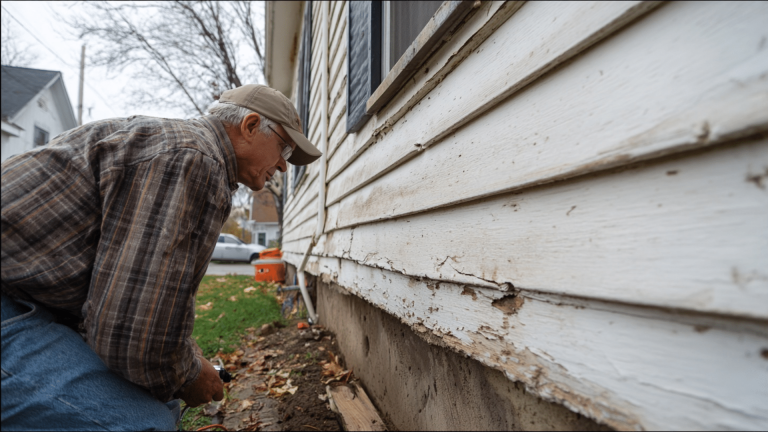
Before committing to a renovation, it is essential to perform a rigorous assessment of your home’s current condition. You should look for telltale signs of failure such as warping, buckling, or persistent moisture spots on interior walls. These symptoms often indicate that the existing barrier has been breached, allowing water to seep into the structural framing.
However, some signs are more subtle than others and require a keen eye. For instance, if you notice your heating and cooling costs are spiking without a change in usage, your siding may have lost its insulating properties. Bubbling paint or dry rot on wood siding are also clear indicators that the material has reached the end of its functional lifespan.
Finally, consider the visual impact of your home on the neighborhood. If your siding is severely faded or cracked, it not only diminishes your pride of ownership but can also lead to issues with local homeowner associations. A thorough inspection by a professional can confirm whether a localized repair will suffice or if the time has come for a complete replacement.
Identifying Hidden Structural Damage
One of the most critical aspects of a renovation is discovering what lies beneath the surface. When siding fails, it often leads to wood rot in the plywood sheathing or even the wall studs. This type of damage can compromise the structural stability of the entire house if left unaddressed for too long.
During the tear-off phase, contractors often find “soft spots” that indicate prolonged exposure to moisture. Addressing these issues immediately is crucial to ensure the new siding has a solid, dry foundation. Ignoring these hidden problems will only lead to the premature failure of your new investment.
The Role of Pest Infestation in Siding Failure
Pests such as termites, carpenter ants, and woodpeckers can wreak havoc on traditional wood siding. If you notice small holes or sawdust-like piles at the base of your home, you may have an active infestation. These biological threats not only damage the siding itself but can also move into the interior structure of the home.
Modern vinyl and fiber cement products are engineered to be unattractive to these pests. By upgrading your exterior, you create a more resilient barrier that discourages nesting and feeding. This proactive step saves thousands of dollars in potential pest control and structural repair fees in the future.
Choosing the Right Materials for Longevity
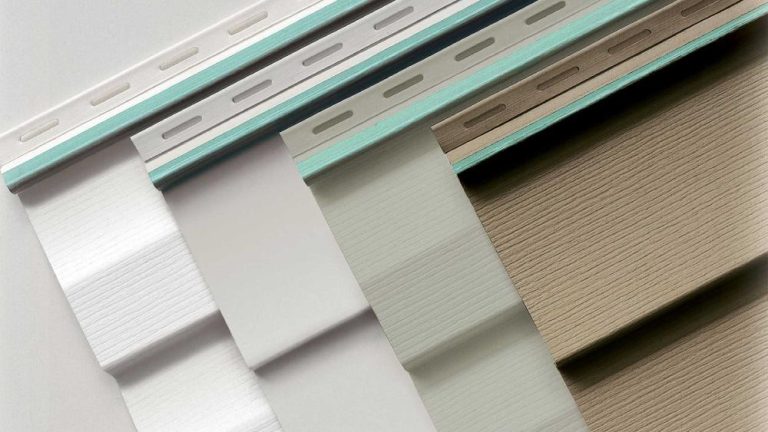
The marketplace is flooded with various siding options, each boasting unique benefits and drawbacks. Vinyl remains the most popular choice due to its versatility, low maintenance requirements, and cost-effectiveness. However, it is important to distinguish between standard grade and premium architectural vinyl, which offers better impact resistance.
On the other hand, fiber cement siding provides a high-end look that mimics natural wood while offering superior fire resistance. While it requires a higher upfront cost and occasional painting, its durability in harsh climates is nearly unmatched. Homeowners must weigh these factors against their long-term goals and local weather patterns.
Furthermore, engineered wood and natural cedar remain options for those seeking a specific historical or rustic aesthetic. These materials require more frequent upkeep, such as staining and sealing, to prevent moisture absorption. Selecting the right material is a balance of budget, desired maintenance levels, and the architectural style of your residence.
| Material Type | Average Lifespan | Maintenance Level | Approximate Cost |
|---|---|---|---|
| Standard Vinyl | 20-30 Years | Low (Wash only) | $ – $$ |
| Insulated Vinyl | 30-40 Years | Low | $$ – $$$ |
| Fiber Cement | 30-50 Years | Moderate (Painting) | $$$ |
| Natural Cedar | 20-40 Years | High (Staining) | $$$$ |
Full Home Siding Overhaul: The Step-by-Step Process
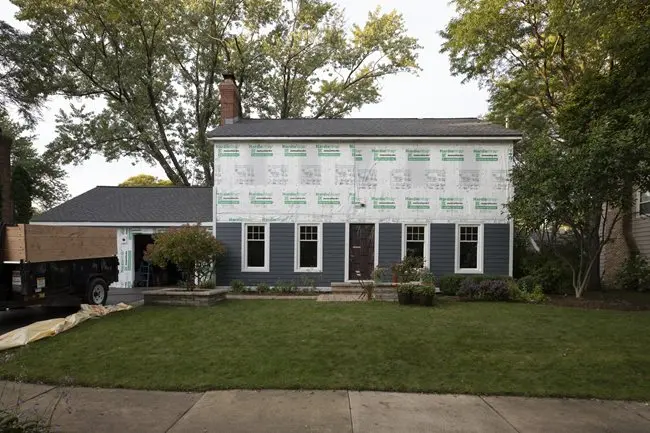
A successful renovation begins with meticulous planning and a clear understanding of the installation sequence. The first step involves the safe removal and disposal of all old siding, trim, and flashing. This “clean slate” approach is necessary to inspect the underlying weather-resistant barrier (WRB) and ensure it meets modern building codes.
Once the old material is cleared, the crew will repair any damaged sheathing and install a new house wrap. This layer is vital for moisture management, as it allows water vapor to escape from the inside while preventing liquid water from entering. Proper overlapping and taping of the seams in the house wrap are non-negotiable for a professional-grade result.
After the preparation is complete, the new siding panels are installed, starting from the bottom and working upward. Special attention is paid to corner posts, starter strips, and J-channels around windows and doors. These components ensure that the siding can expand and contract with temperature changes without warping or pulling away from the wall.
The Importance of Proper Flashing
Flashing is perhaps the most underrated component of any exterior renovation project. It consists of thin pieces of metal or waterproof material installed at intersections, such as where the wall meets the roof or around window frames. Its primary purpose is to divert water away from vulnerable joints and into the drainage system.
Inadequate flashing is the leading cause of localized rot in many homes. During a comprehensive update, every window and door should be “re-flashed” using modern self-adhering membranes. This creates a redundant seal that protects the most sensitive areas of your home’s envelope from driving rain.
Nailing and Expansion Gaps in Vinyl Installation
A common mistake in DIY or low-quality installations is “hard-nailing” vinyl siding. Because vinyl expands and contracts significantly as temperatures fluctuate, it must be allowed to “float” on the wall. Professional installers leave a small gap between the nail head and the siding flange to facilitate this movement.
If the panels are nailed too tightly, they will buckle and crack during the heat of summer. Conversely, if the overlaps are too short, the panels may pull apart during extreme winter cold. Precision in these small details is what separates a long-lasting overhaul from a temporary fix.
Enhancing Energy Efficiency with Insulated Siding
One of the primary motivations for a renovation is the potential for improved thermal performance. Standard siding provides very little in terms of R-value, which measures a material’s resistance to heat flow. However, opting for insulated vinyl siding can add a continuous layer of thermal protection to your home.
This insulation helps to reduce “thermal bridging,” a phenomenon where heat escapes through the wooden studs of your walls. By wrapping the entire house in a layer of rigid foam, you effectively seal off these energy leaks. This results in a more consistent indoor temperature and less strain on your HVAC system.
In addition to thermal benefits, insulated siding provides an extra layer of sound dampening. If you live in a noisy neighborhood or near a busy street, you will notice a significant decrease in ambient noise after the installation. This dual benefit of comfort and efficiency makes insulation a high-value upgrade for most homeowners.
Understanding R-Values and Their Impact
R-value is the standard unit used to measure the effectiveness of insulation. Most insulated siding products offer an R-value between 2.0 and 5.0, depending on the thickness of the foam. While this may seem low compared to attic insulation, its impact is magnified because it covers the entire surface area of the walls.
Furthermore, this continuous insulation prevents the “stud-to-wall” heat transfer that traditional fiberglass batts cannot stop. When combined with a high-quality house wrap, this system creates a high-performance building envelope. Consequently, homeowners often see a return on investment through energy savings within just a few years.
Reflective Technology and UV Resistance
Modern siding manufacturers now incorporate reflective pigments into their products. These pigments are designed to bounce solar radiation away from the home rather than absorbing it. This is particularly beneficial during the summer months when sun exposure can cause interior temperatures to soar.
Additionally, UV-resistant coatings prevent the color of your siding from fading over time. Older vinyl products were notorious for becoming brittle and pale after a few years in the sun. Modern chemical formulations ensure that your home remains vibrant and structurally sound for decades, even in the harshest environments.
The Financial Implications of an Exterior Renovation
Discussing the cost of a **Full home siding overhaul** requires an analytical look at both the upfront expenditure and the long-term value. While the initial price tag can be substantial, it is often considered one of the best investments a homeowner can make. According to industry data, siding replacement consistently ranks in the top tier for “recouped cost” during a home sale.
Furthermore, many financing options are available to help bridge the gap for homeowners. From home equity lines of credit (HELOC) to specialized contractor financing, there are ways to manage the cash flow of a large project. It is wise to obtain at least three detailed quotes to compare labor rates, material quality, and warranty terms.
In addition to the immediate bump in property value, you must consider the “opportunity cost” of delay. Waiting until a leak occurs can lead to expensive structural repairs that dwarf the cost of the siding itself. Taking proactive action allows you to control the timeline and the budget of the renovation.
Factors Influencing the Total Project Cost
Several variables dictate the final price of your project, including the square footage of the exterior and the complexity of the architecture. Homes with multiple stories, steep gables, or intricate trim work require more labor and specialized equipment. Additionally, the cost of disposing of old materials, especially if they contain hazardous substances like lead, must be factored in.
Material choice is the largest variable, with premium options costing significantly more than entry-level vinyl. However, cheaper materials often require more maintenance or have shorter warranties, leading to higher costs over the life of the home. Always view your siding choice through a 20-year lens rather than just the immediate cost.
ROI and Resale Value Considerations
Real estate professionals often emphasize that “curb appeal” is the most important factor in a quick sale. Potential buyers often make an emotional decision within seconds of seeing a home’s exterior. A fresh, modern facade signals to buyers that the home has been meticulously maintained, reducing their fear of hidden maintenance issues.
Studies suggest that homeowners can expect to recoup 65% to 80% of their siding investment upon resale. In competitive markets, this upgrade can be the deciding factor that leads to a bidding war. Therefore, even if you do not plan to stay in the home forever, the overhaul remains a savvy financial move.
Selecting a High-Authority Installation Team
The quality of the installation is just as important as the quality of the materials used. A poorly installed premium product will fail much faster than a well-installed mid-range product. Therefore, vetting your contractor is a critical step in the **Full home siding overhaul** process.
You should look for contractors who carry specialized certifications from manufacturers, such as being a “Master Craftsman” or “Elite Provider.” These designations often mean the contractor has received specific training and can offer extended warranties that are not available to the general public. Always verify licenses, insurance coverage, and online reviews before signing a contract.
Furthermore, a professional contractor should provide a detailed written proposal. This document must outline the scope of work, the specific materials to be used, the estimated timeline, and the payment schedule. Transparent communication from the start is a hallmark of a reliable professional who stands by their craftsmanship.
Questions to Ask Potential Contractors
When interviewing siding professionals, ask about their experience with your specific material choice. For instance, fiber cement requires different tools and techniques than vinyl. You should also inquire about how they handle unforeseen structural damage discovered during the tear-off phase.
Another vital question concerns the cleanup process. Siding projects generate a significant amount of debris, including thousands of nails and small plastic shards. A reputable crew will use magnetic sweeps and daily cleanup protocols to ensure your yard remains safe for children and pets throughout the duration of the job.
Warranty Coverage: Material vs. Labor
It is crucial to understand the difference between a manufacturer’s warranty and a labor warranty. The manufacturer covers defects in the material itself, such as fading or cracking. However, these warranties are often voided if the material was installed incorrectly according to the manufacturer’s specifications.
The labor warranty is provided by the contractor and covers the actual installation work. Most reputable companies offer a 5-year to 10-year labor warranty. Combining a strong material warranty with a solid labor guarantee provides the ultimate peace of mind for your significant investment.
Aesthetics: Matching Siding to Architectural Style
A **Full home siding overhaul** is an opportunity to redefine the character of your property. It is not merely about replacing what was there, but about enhancing the home’s architectural DNA. For example, a Victorian-style home may benefit from “scalloped” or “fish-scale” siding accents in the gables to highlight its historical roots.
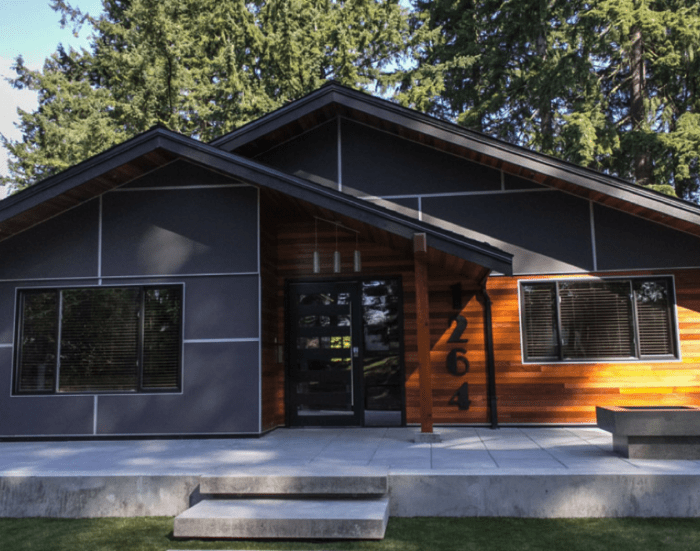
On the other hand, a modern farmhouse look might utilize wide vertical “board and batten” siding to create a sense of height and clean lines. The choice of color also plays a massive role in how the home sits in its environment. Darker, earthy tones can help a large house blend into a wooded lot, while bright, crisp whites can make a small home appear more expansive.
Transitioning between different textures can also add visual interest. Mixing horizontal lap siding with stone veneer or shakes creates a multi-dimensional look that is popular in contemporary home design. A skilled designer can help you visualize these combinations through 3D rendering software before any physical work begins.
The Psychology of Color Selection
Color choice affects more than just aesthetics; it can influence the perceived temperature and mood of a home. Lighter colors reflect more sunlight, which can be advantageous in hotter climates to keep cooling costs down. Conversely, darker colors absorb heat, which might be preferred in colder, northern regions.
Furthermore, certain colors evoke specific feelings. Deep blues and grays suggest stability and sophistication, while soft greens and tans feel more organic and inviting. When choosing a color, consider the surrounding homes to ensure your choice is unique yet harmonious with the neighborhood aesthetic.
Trim and Accents: The Finishing Touches
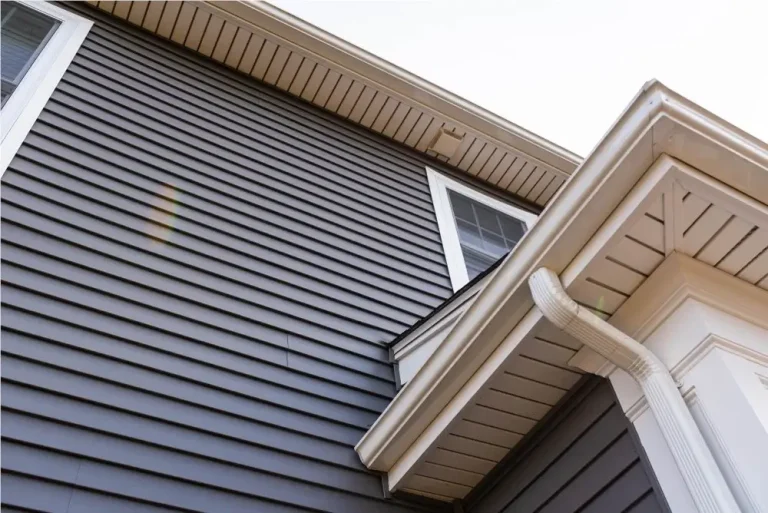
The “jewelry” of a siding project is the trim and accessories. Replacing old, rotting wood trim with cellular PVC or aluminum-wrapped wood eliminates the need for painting and prevents future rot. These components include the soffits (the underside of the eaves), the fascia (the boards where gutters are mounted), and the window casings.
Using a contrasting color for the trim can make the windows “pop” and give the home a more tailored appearance. For instance, charcoal gray siding paired with crisp white trim is a timeless combination that offers high visual contrast. High-quality trim installation ensures that every transition and corner is watertight and visually seamless.
Maintenance and Care for Your New Exterior
Once your **Full home siding overhaul** is complete, maintaining the new material is relatively simple but essential for maximizing its lifespan. For vinyl siding, an annual wash with a garden hose and a soft-bristled brush is usually sufficient. This removes dust, pollen, and occasional mildew that can accumulate on the shaded sides of the house.
Avoid using high-pressure power washers, as the intense force can drive water behind the siding panels and into the wall cavity. Instead, use a mild detergent mixed with water for stubborn spots. If you have fiber cement siding, you will need to inspect the caulking every few years and plan for a fresh coat of paint every 10 to 15 years.
In addition, keep your gutters clean and functional. Overflowing gutters can spill large amounts of water directly onto the siding, leading to staining or moisture issues over time. Proper landscaping is also key; ensure that bushes and trees are trimmed back at least 12 inches from the siding to prevent scratching and to allow for adequate airflow.
Preventing Mold and Mildew Growth
In humid climates, mold and mildew can occasionally form on the surface of any siding material. This is usually not a sign of failure but rather a natural occurrence in damp, shaded areas. A solution of 30% white vinegar and 70% water is an eco-friendly way to kill spores without damaging your plants or the siding finish.
Regularly inspecting the “drip edge” and the base of the walls will help you catch these issues early. If you notice persistent green or black spots, it may be a sign that a nearby tree is preventing the sun from drying out that section of the wall. Trimming a few branches to allow for better sunlight and airflow can often solve the problem permanently.
Dealing with Accidental Damage
Despite its durability, siding can occasionally be damaged by stray baseballs, falling branches, or extreme hail. One of the benefits of a professional overhaul is that most modern siding systems are modular. This means a single damaged panel can often be unhooked and replaced without tearing down the entire wall.
It is a good idea to keep a couple of extra “laps” or panels of siding in your garage or attic after the project is finished. Since color batches can vary slightly over the years, having original material on hand ensures a perfect match for any future repairs. This small bit of foresight can save a lot of frustration down the road.
The Role of Permits and Local Building Codes
Many homeowners overlook the legal requirements associated with a comprehensive exterior renovation. In most jurisdictions, a **Full home siding overhaul** requires a building permit. This process ensures that the work is performed according to safety standards, including proper wind-load resistance and fire safety protocols.
Failing to secure a permit can lead to significant problems during a future home sale. Home inspectors often check permit records, and unpermitted work can lead to delays or requirements to redo parts of the project. A reputable contractor will typically handle the permit application process for you as part of their service package.
Local codes may also dictate specific requirements for house wrap and insulation. For instance, in areas prone to wildfires, there may be restrictions on the types of materials you can use. Staying compliant with these regulations not only protects your legal standing but also ensures your home is as safe as possible for your family.
Understanding “Nailing Hem” Requirements
In coastal areas or regions prone to high winds, building codes often specify how the siding must be fastened. This might include using longer nails, specific spacing between nails, or siding with a reinforced “nailing hem.” These features prevent the siding from being ripped off the house during a hurricane or severe thunderstorm.
Professional installers are familiar with these local “wind-zone” requirements. They will ensure that the starter strips and corner posts are extra-secure, as these are the points where wind is most likely to catch and peel the panels. Following these codes is essential for maintaining your insurance coverage in many high-risk areas.
Historical District Restrictions
If your home is located in a designated historical district, you may face strict limitations on the materials and colors you can use. Many historical boards prohibit the use of vinyl and require wood or specific types of fiber cement. Before planning your renovation, always check with your local historical commission to avoid costly mistakes.
In some cases, you may be required to replicate the original profile and texture of the historical siding. While this can increase the cost of the project, it also ensures that the historical integrity and value of the neighborhood are preserved. There are many modern materials specifically designed to meet these rigorous historical standards.
Climate-Specific Considerations for Siding
The environment in which you live should be a primary driver in your material selection process. For example, in the arid Southwest, high UV resistance is the most important factor to prevent the siding from becoming brittle and “chalky.” In contrast, the Pacific Northwest requires a siding system with an exceptional drainage plane to handle constant rainfall.
In the Northeast and Midwest, where temperature swings are extreme, the “float” of the siding is critical. Materials must be able to withstand sub-zero temperatures without cracking and then expand in the humid heat of July. Choosing a product engineered for your specific “hardiness zone” ensures the longest possible service life.
Furthermore, coastal homes face the unique challenge of salt spray, which can corrode metal components and degrade certain paints. For these properties, high-grade vinyl or cellular PVC is often the best choice because it is naturally resistant to salt and moisture. Tailoring your renovation to your climate is the hallmark of a sophisticated home maintenance strategy.
| Climate Type | Primary Challenge | Recommended Material |
|---|---|---|
| Coastal/Salty | Corrosion & High Winds | Thick Vinyl or PVC |
| Arid/Desert | UV Degradation & Heat | Fiber Cement or UV-Treated Vinyl |
| Cold/Snowy | Freeze/Thaw Cycles | Insulated Vinyl or Engineered Wood |
| Humid/Rainy | Mold & Rot | Fiber Cement with Rain Screen |
Addressing the Sustainability of Siding Renovation
In the modern era, many homeowners are concerned about the environmental impact of their renovation projects. While vinyl siding is a plastic product, its long lifespan and recyclability contribute to a surprisingly low environmental footprint compared to materials that require frequent painting or replacement.
Many manufacturers now offer siding made from recycled content, and some have implemented programs to take back old vinyl removed during a **Full home siding overhaul**. Furthermore, the energy savings provided by insulated siding significantly reduce a home’s carbon footprint over time. By reducing the need for heating and cooling, you are directly lowering the demand on power plants.
Another eco-friendly option is fiber cement, which is composed of sustainable materials like sand, cement, and cellulose fibers. It is non-toxic and does not off-gas harmful chemicals. When evaluating the sustainability of a project, consider the “life-cycle assessment,” which looks at the environmental cost of production, transportation, installation, and eventual disposal.
The Benefits of a Rain Screen System
For those seeking the pinnacle of moisture management and durability, a “rain screen” system can be installed behind the siding. This involves creating a small air gap between the house wrap and the siding panels. This gap allows for even more rapid drying of any moisture that might find its way behind the facade.
This system is particularly effective in preventing rot and improving the lifespan of the paint on fiber cement or wood siding. It also adds a slight layer of additional insulation by creating a “dead air” space. While it adds to the complexity and cost of the installation, a rain screen is a “gold-standard” feature for high-performance homes.
Reducing Waste During the Project
A responsible contractor will have a plan for minimizing construction waste. This includes careful measuring to reduce “drops” (cutoff pieces of siding) and separating recyclable materials from general trash. Ask your contractor if they participate in any “green building” initiatives or if they can provide documentation on how the waste from your project will be handled.
Additionally, consider donating any old siding that is still in decent condition to organizations like Habitat for Humanity. While most old siding is destined for the landfill or recycling center, occasionally trim pieces or uninstalled leftovers can be used for smaller community projects.
Common Pitfalls to Avoid During a Siding Renovation
One of the most frequent errors homeowners make is focusing solely on the price per square foot. This often leads to choosing a “builder-grade” siding that is thin and prone to damage. Investing slightly more in a “premium-grade” product (usually 0.044 inches thick or more) provides much better wind resistance and a more authentic wood-grain appearance.
Another pitfall is neglecting the importance of the house wrap and flashing. Some budget contractors will try to install new siding directly over old wood or failed moisture barriers. This is a recipe for disaster, as it traps moisture against the structure of your home. Always insist on a full “tear-off” to ensure the substrate is healthy.
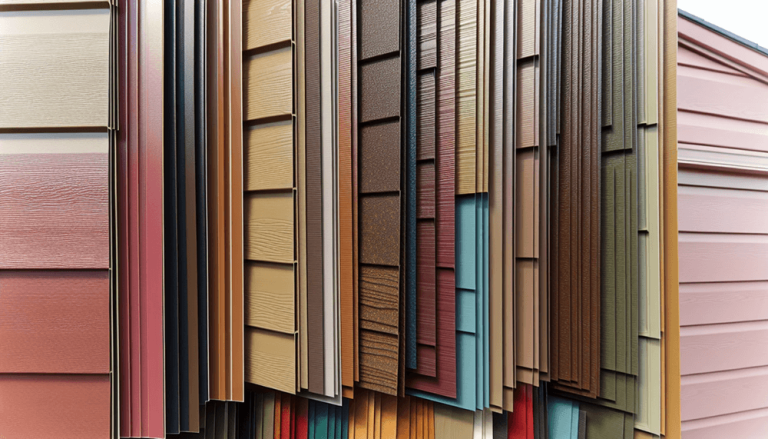
Finally, do not rush the color selection process. View large samples of the material in different lighting conditions throughout the day. A color that looks great in a showroom might look completely different when applied to 2,000 square feet of your home under direct sunlight or in the shade of a large oak tree.
Ensuring Level and Straight Lines
Siding that is not perfectly level is a glaring sign of poor craftsmanship. On older homes where the foundation may have settled, a skilled installer knows how to “cheat” the lines slightly so the siding looks level to the eye. This requires constant checking with laser levels and traditional spirit levels throughout the installation.
If the first course (the bottom-most piece) is not perfectly level, every subsequent row will be crooked. This can lead to gaps at the corners and around windows that are impossible to hide. A professional takes the time to set the “starter strip” with extreme precision, as it is the foundation for the entire wall.
Proper Sealing of Penetrations
Your home has numerous penetrations through the exterior walls, including electrical outlets, hose bibs, dryer vents, and light fixtures. Each of these represents a potential point for water entry. A high-quality overhaul includes the use of specialized “mounting blocks” designed specifically for siding.
These blocks provide a flat surface for the fixture to sit on while allowing the siding to expand and contract around it. They also include built-in channels to direct water around the penetration. Avoiding the use of “caulk-only” seals in these areas is crucial for long-term moisture protection and a clean, professional finish.
Conclusion: The Lasting Value of a Professional Overhaul
Undertaking a **Full home siding overhaul** is a transformative journey for any property. It is an investment that touches every aspect of homeownership, from the pride you feel pulling into the driveway to the monthly savings on your energy bill. By choosing high-quality materials and an expert installation team, you are securing the future of your most valuable asset.
The process may seem daunting, but when broken down into logical steps—assessment, material selection, and professional execution—it becomes a manageable and rewarding endeavor. A new exterior does more than just look good; it provides a “thermal blanket” and a “moisture shield” that keeps your home healthy and comfortable for decades to come.
Ultimately, the peace of mind that comes from knowing your home is protected against the elements is priceless. Whether you are looking to sell in the near future or plan to stay for a lifetime, a comprehensive siding renovation is a decision you are unlikely to regret. It is the definitive way to refresh, protect, and enhance your home’s legacy.