Vertical Vinyl Siding Options: The Ultimate Guide to Modern Siding
The architectural landscape of residential design is undergoing a significant transformation as homeowners look beyond traditional horizontal lap siding. While horizontal planks have long been the standard for suburban developments, the modern push for individuality has revitalized interest in vertical orientations. Exploring various vertical vinyl siding options allows property owners to achieve a unique aesthetic that ranges from rustic farmhouse charm to sleek, contemporary minimalism. This shift is not merely about appearance; it represents a sophisticated understanding of how vertical lines can manipulate visual perception and improve a structure’s overall presence.
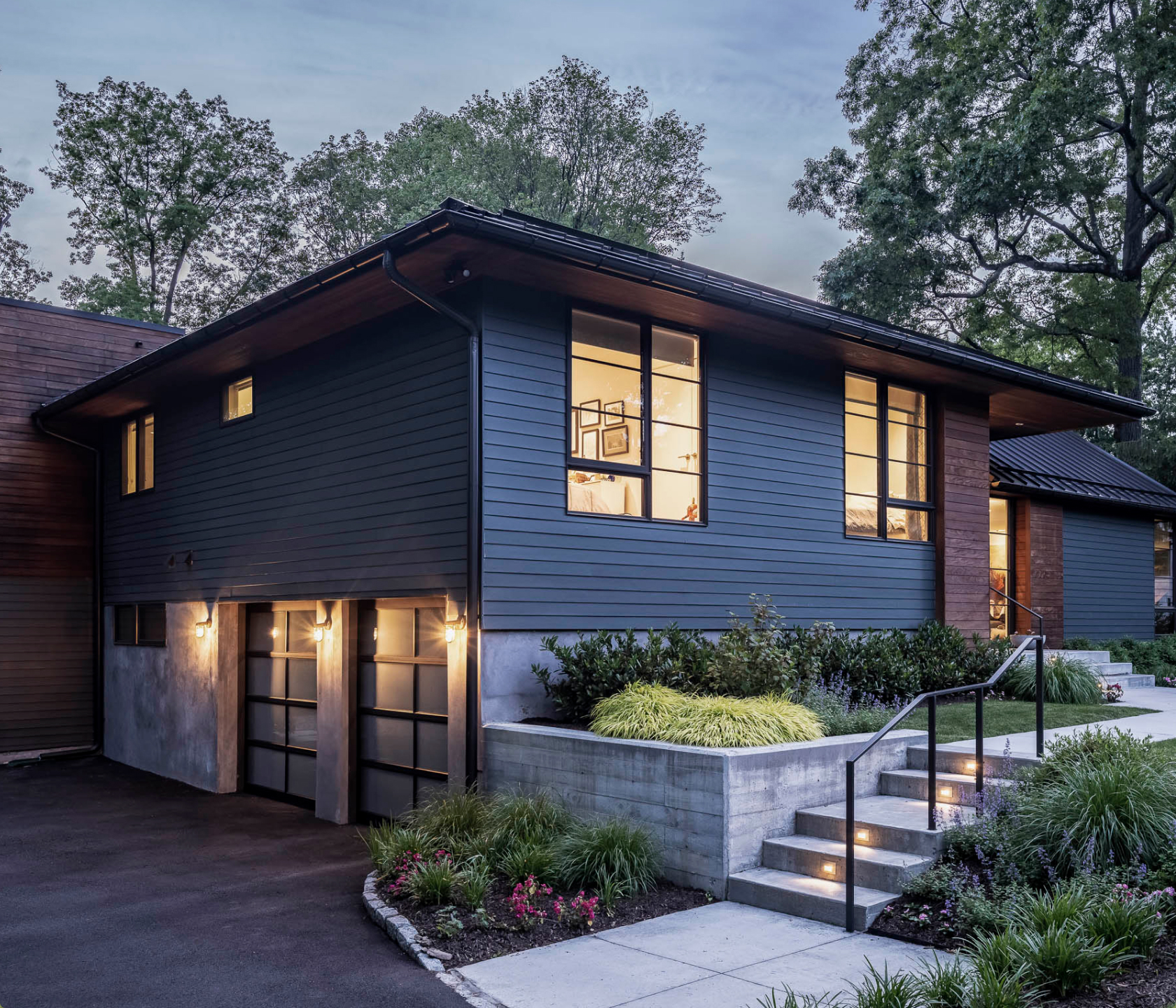
Choosing to install vertical panels is a strategic decision that affects both the curb appeal and the perceived height of a residence. Vertical lines naturally draw the eye upward, making smaller homes appear taller and more imposing. Furthermore, this orientation offers a distinct practical advantage by facilitating better water runoff and reducing the accumulation of dust and debris along horizontal ledges. As we delve into the nuances of this exterior cladding choice, it becomes clear that the versatility of vinyl makes it a superior medium for these vertical applications.
The Historical Context of Board and Batten Aesthetics
To understand the current popularity of vertical vinyl siding options, one must look back at the historical “board and batten” style. This method originated centuries ago as a practical solution for barns and rural outbuildings. Farmers used wide wooden boards and narrow strips, known as battens, to seal the gaps and protect the interior from harsh weather. This functional necessity eventually evolved into a timeless design language that resonates with homeowners seeking a sense of permanence and heritage.
Modern manufacturing has successfully replicated this historic look using high-grade polyvinyl chloride (PVC). Contemporary vertical panels mimic the deep shadows and textures of traditional wood without the susceptibility to rot, insects, or frequent painting. Consequently, homeowners can enjoy the rustic elegance of a country estate while benefiting from the low-maintenance characteristics of synthetic materials. This fusion of tradition and technology is a primary driver behind the resurgence of vertical profiles in the current housing market.
Moreover, the transition from wood to vinyl has democratized high-end architectural styles. In previous decades, achieving a true board and batten look required expensive timber and intensive labor. Today, the availability of diverse vertical vinyl siding options ensures that this aesthetic is accessible to a broader range of budgets. Whether used as a whole-house solution or as a decorative accent in gables, the historical weight of vertical lines adds undeniable value to any property.
Vertical Vinyl Siding Options
When evaluating the marketplace, you will find that vertical vinyl siding options are categorized by their profile width and surface texture. Most manufacturers offer panels in 7-inch, 8-inch, or even 12-inch widths to suit different architectural scales. For example, a wider 12-inch profile might overwhelm a small cottage but look perfectly proportional on a large contemporary estate. Conversely, narrower 7-inch panels provide a tighter, more rhythmic pattern that works well in confined spaces or as an accent.
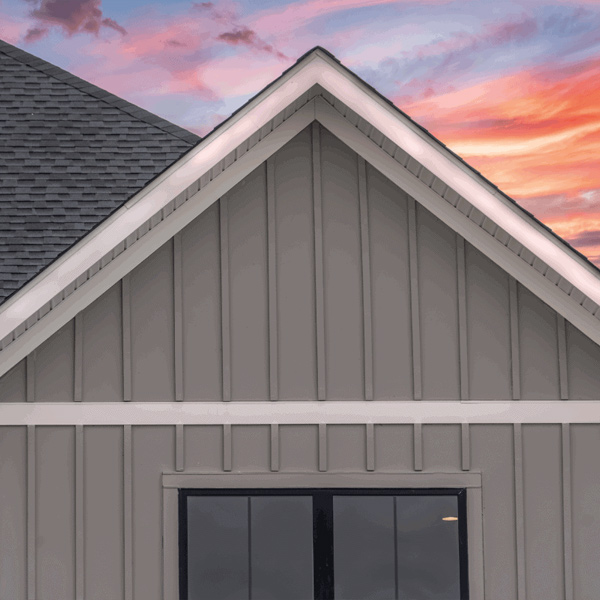
Texture plays an equally vital role in the selection process. Many homeowners opt for a woodgrain embossment that simulates the organic feel of rough-sawn cedar. This texture helps hide minor imperfections and reduces the glare that can occur on flat, shiny surfaces. On the other hand, smooth-finish vertical panels are gaining traction in modern design circles. These smooth surfaces offer a crisp, clean look that complements industrial-style windows and minimalist landscaping, providing a sophisticated alternative to traditional textures.
In addition to width and texture, the “batten” height is a critical differentiator. Some profiles feature a shallow batten for a subtle shadow line, while others boast a deep, 3/4-inch projection. A deeper batten creates more dramatic contrast throughout the day as the sun moves across the sky. This interplay of light and shadow is what gives vertical siding its characteristic depth and prevents the exterior from looking “flat” or artificial. Analyzing these specific vertical vinyl siding options helps homeowners tailor the final appearance to their specific vision.
Comparing Vertical and Horizontal Siding Profiles
While both orientations serve the same protective purpose, the differences between vertical and horizontal siding are substantial. Horizontal siding is generally easier to install because it follows the natural gravitational flow of the house’s framing. However, vertical siding offers a superior ability to shed water, as there are no horizontal “lips” where moisture can sit. This makes vertical options particularly attractive in regions with high rainfall or heavy humidity.
| Feature | Vertical Vinyl Siding | Horizontal Vinyl Siding |
|---|---|---|
| Visual Impact | Accentuates height and modern style | Provides a traditional, classic look |
| Installation Complexity | Higher (requires furring strips/special trim) | Standard (straightforward process) |
| Water Drainage | Excellent (gravity-assisted runoff) | Good (but can trap water in laps) |
| Cleaning Ease | Very Easy (dirt washes straight down) | Moderate (debris settles on ledges) |
| Market Availability | Specialized (growing popularity) | Ubiquitous (standard stock) |
The table above illustrates that while horizontal siding remains the baseline for many, vertical options provide specific benefits in terms of maintenance and aesthetics. The decision often comes down to the architectural goals of the project. If the objective is to modernize an older home or create a bold statement, the vertical approach is almost always the more effective choice. Furthermore, combining both styles can create a layered, multi-dimensional look that is highly prized in modern real estate.
The Role of Color Science in Vertical Design
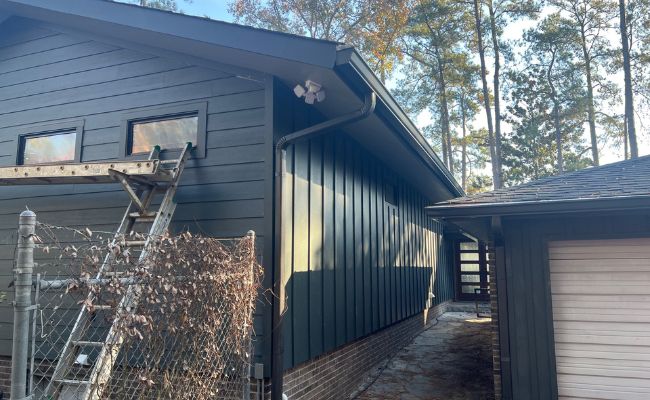
Color selection is perhaps the most personal aspect of choosing vertical vinyl siding options. However, there is a scientific component to how color interacts with vertical panels. Darker hues, such as charcoal gray, deep navy, or forest green, are increasingly popular for vertical applications. These dark tones emphasize the vertical shadows created by the battens, resulting in a rich, textured appearance that looks expensive and custom-made.
Manufacturers have made significant strides in color retention technology. In the past, dark vinyl was prone to fading and warping due to heat absorption. Modern “cool color” pigments reflect infrared light, keeping the panels cooler even in direct sunlight. This is particularly important for vertical installations, where panels are often longer and more prone to thermal expansion. Consequently, homeowners can now select bold, dark colors with confidence, knowing the material will maintain its integrity over time.
Lighter colors, such as cream, white, or light gray, offer a completely different vibe. White vertical siding is the hallmark of the “Modern Farmhouse” style. It provides a clean, bright canvas that makes black window frames and wooden doors pop. Light colors also make the home feel larger and more airy. When navigating various vertical vinyl siding options, consider the surrounding environment and the amount of natural light the house receives to ensure the color choice complements the site.
Material Composition and Structural Integrity
Not all vinyl is created equal, and this is especially true when dealing with vertical configurations. High-quality vertical vinyl siding options are typically manufactured using a process called co-extrusion. This creates two layers: a weather-resistant outer layer (capstock) and a high-strength inner layer (substrate). The substrate provides the rigidity needed to keep long vertical panels from bowing, while the capstock contains UV inhibitors and pigments to resist the elements.
The thickness of the panel, often referred to as the gauge, is a primary indicator of quality. Standard vinyl might have a thickness of 0.040 inches, while premium vertical options can reach 0.046 or 0.048 inches. A thicker gauge results in a more rigid panel that can withstand high winds and impact from hail or stray baseballs. Furthermore, thicker panels tend to hang straighter, which is crucial for the long, uninterrupted lines required by vertical siding styles.
Another factor in structural integrity is the chemical formulation of the PVC. Titanium dioxide is often added to the mix to act as a sunscreen for the siding. Without sufficient levels of this compound, the vinyl can become brittle and crack under the stress of temperature fluctuations. When researching vertical vinyl siding options, it is wise to inquire about the manufacturer’s specific formulation and their history of performance in extreme climates. This technical depth ensures that your investment remains durable for decades.
Critical Installation Nuances for Vertical Panels
Installing vertical siding is a more intricate process than installing its horizontal counterpart. One of the most significant differences is the requirement for a solid nailing base. While horizontal siding can be nailed directly into the studs, vertical siding often requires “furring strips” or a solid plywood sheath if the studs do not align with the nailing slots. These horizontal furring strips provide a secure attachment point every 12 to 16 inches, preventing the panels from rattling in the wind.
Flashings and trim work also require a different approach. Because the panels run vertically, the J-channel must be installed at the top and bottom to hide the cut ends and direct water away from the wall. Additionally, a “starter strip” is used to lock the first panel in place, but in a vertical application, this strip is often positioned at a corner or the center of the wall to ensure symmetry. Achieving a perfectly plumb first panel is essential, as any slight tilt will be magnified as the installation progresses across the facade.
Proper nailing technique is the final piece of the installation puzzle. Vinyl siding must be allowed to “float” to accommodate thermal expansion and contraction. Nails should be driven into the center of the slots and left slightly loose—about the thickness of a dime. Because vertical panels hang from the top, the first nail is usually placed at the very top of the uppermost slot to “hang” the panel, while all subsequent nails are centered in their slots. This prevents the panel from sagging while still allowing it to move vertically as temperatures change.
The Importance of a Weather-Resistive Barrier
Regardless of the vertical vinyl siding options you choose, the system is only as good as the underlying weather-resistive barrier (WRB). Because vinyl is designed to be a “rain screen” rather than a waterproof seal, some moisture will inevitably get behind the panels. A high-quality house wrap acts as a secondary defense, allowing water vapor to escape from the interior while preventing liquid water from reaching the wooden framing. This is vital for preventing mold, mildew, and structural rot.
In vertical installations, the management of this moisture is slightly more streamlined. Gravity works in your favor, pulling moisture straight down the channels. However, it is imperative that the WRB is integrated correctly with window and door flashings. If the flashing is tucked behind the house wrap at the top, water can seep into the wall cavity. Professional installers pay close attention to these “lapping” details to ensure that the entire wall assembly remains dry and functional for the life of the siding.
Cost Analysis: Vertical vs. Traditional Siding
When budgeting for a siding replacement, it is important to recognize that vertical vinyl siding options often carry a slight premium. The material cost itself may be comparable to high-end horizontal lap siding, but the labor costs are typically 15% to 30% higher. This is due to the extra steps involved, such as installing furring strips, more complex trim work, and the precision required to keep panels perfectly plumb over long spans.
However, the long-term ROI (Return on Investment) can be higher for vertical installations. Because vertical siding is seen as a “premium” or “designer” choice, it can significantly boost a home’s resale value. Potential buyers are often willing to pay more for a home that stands out from the cookie-cutter aesthetic of many neighborhoods. Furthermore, the increased durability and ease of cleaning associated with vertical panels mean fewer maintenance costs over the lifespan of the product.
Homeowners should also consider the “waste factor” when calculating costs. Vertical installations on homes with many gables and complex rooflines can lead to more scrap material than horizontal layouts. A skilled contractor will be able to minimize this waste through careful planning and layout. By viewing the project as a long-term investment in both protection and style, the initial cost premium of vertical vinyl siding options becomes much easier to justify.
Energy Efficiency and Insulated Vertical Options
In today’s environmentally conscious market, energy efficiency is a top priority for many. Many vertical vinyl siding options now come with a factory-applied foam backing. This contoured insulation fills the gap between the siding and the wall, providing an extra layer of thermal protection. Insulated siding can increase the overall R-value of a home’s exterior walls, reducing heat loss in the winter and heat gain in the summer.
Beyond thermal performance, insulated vertical panels offer improved acoustic properties. The foam acts as a sound dampener, reducing the amount of exterior noise that enters the home. This is a significant benefit for houses located near busy streets or in noisy urban environments. The insulation also adds structural rigidity to the panels, making them feel more solid to the touch and less prone to denting from impact.
While insulated siding is more expensive than non-insulated versions, the energy savings over time can offset the initial expenditure. Furthermore, some utility companies and government programs offer rebates for homeowners who upgrade to energy-efficient building materials. When exploring vertical vinyl siding options, always check the R-value ratings and see if the product qualifies for any local energy incentive programs. This adds a layer of financial savvy to your design decisions.
Maintenance Requirements for Vertical Vinyl
One of the most attractive features of vinyl siding is its low maintenance requirements, and vertical panels are no exception. Unlike wood, which needs to be scraped and painted every few years, vinyl only requires occasional cleaning. Because the grooves run vertically, dirt and organic growth like algae are less likely to take hold. A simple wash with a garden hose and a mild detergent is usually sufficient to keep the siding looking new.
For tougher stains or areas with heavy pollen, a soft-bristle brush can be used to scrub the surface. It is important to avoid using a high-pressure power washer, as the force can drive water behind the panels or even damage the surface texture. If you live in an area prone to mold, a solution of vinegar and water or a specialized vinyl siding cleaner can be applied to kill spores. This ease of care is a major selling point for busy families and retirees who want to spend their time enjoying their home rather than maintaining it.
Vertical Siding as an Architectural Accent
You don’t have to commit to vertical siding for the entire house to reap its design benefits. Many architects use vertical vinyl siding options as accent pieces to highlight specific architectural features. For instance, applying board and batten siding to the gables of a traditional colonial home can break up the monotony of horizontal lines and add visual interest. This “mixed media” approach is a hallmark of high-end custom home design.
Another popular use for vertical accents is on bump-outs or entryways. By changing the orientation of the siding in these areas, you can create a focal point that guides the visitor’s eye to the front door. Mixing textures, such as stone veneer on the lower half of the house and vertical vinyl on the upper half, creates a sophisticated, layered look. This flexibility allows homeowners to experiment with bold designs without the risk of overwhelming the entire structure.
When using vertical siding as an accent, it is crucial to coordinate the colors and profiles carefully. Choosing a color that is a few shades darker or lighter than the main siding can create a subtle, elegant contrast. Alternatively, using a completely different color can create a more dramatic, modern effect. The key is to ensure that the transition between different siding types is handled with professional-grade trim and flashing to maintain a seamless, high-quality appearance.
Impact of Climate on Vertical Vinyl Performance
Climate is a major factor in the longevity of any exterior material. In regions with extreme temperature swings, the expansion and contraction of vinyl panels are more pronounced. Vertical vinyl siding options are particularly adept at handling these changes because they are hung from the top, allowing them to expand downward freely. This minimizes the risk of buckling or “oil canning” that can sometimes plague horizontal siding in hot climates.
In coastal areas, vinyl is an ideal choice because it is completely impervious to salt spray and high humidity. Unlike wood, which can swell and rot, or fiber cement, which can absorb moisture if not properly sealed, vinyl remains stable. However, in high-wind zones, the installation must be extra secure. Using panels with reinforced nail hems and ensuring that furring strips are securely anchored to the wall studs will prevent the wind from getting behind the panels and peeling them off the house.
For those in northern climates, vinyl’s ability to shed snow and ice is a significant advantage. The vertical channels prevent ice dams from forming on the siding itself, and the slick surface allows snow to slide off easily. While vinyl can become slightly more brittle in sub-zero temperatures, high-quality modern formulations are designed to maintain their impact resistance even in the cold. Understanding these regional performance factors will help you select the best vertical vinyl siding options for your specific zip code.
Sustainable Aspects of Modern Vinyl Siding
The environmental impact of building materials is a topic of increasing importance. While vinyl is a petroleum-based product, its long lifespan and recyclability make it a surprisingly sustainable choice. Modern manufacturing processes have significantly reduced the amount of waste and energy required to produce vinyl siding. Furthermore, because vinyl never needs to be painted or stained, it eliminates the VOCs (Volatile Organic Compounds) associated with those maintenance tasks.
Many vertical vinyl siding options are now made with a percentage of recycled content. Post-industrial scrap from the manufacturing process is often reground and incorporated back into the substrate of new panels. At the end of its long life—often 40 to 50 years—vinyl siding can be recycled into other products rather than ending up in a landfill. This circularity is a key component of its green profile.
Additionally, the light weight of vinyl reduces the carbon footprint associated with transportation. Compared to heavy materials like stone or fiber cement, vinyl requires less fuel to ship and less energy to install. When combined with its potential for improved home insulation, vinyl siding emerges as a competitive choice for eco-conscious homeowners. By selecting durable, high-quality vertical panels, you are making a choice that minimizes the need for future replacements and preserves resources.
Enhancing Curb Appeal and Property Resale Value
In the competitive real estate market, first impressions are everything. The exterior of a home accounts for a massive portion of its “perceived value.” Utilizing unique vertical vinyl siding options can distinguish a property from its neighbors, making it more memorable to potential buyers. The clean lines and shadows of board and batten styles suggest a level of custom craftsmanship that buyers find highly attractive.
Real estate experts often note that siding replacement is one of the highest-yielding home improvement projects. According to various industry reports, homeowners can expect to recoup a significant portion of their investment upon sale. Vertical siding, in particular, appeals to the growing segment of the market looking for “move-in ready” homes with modern, updated aesthetics. It signals that the home has been well-maintained and that the owners have invested in quality materials.
Furthermore, the low-maintenance aspect of vinyl is a major selling point for modern buyers who value their free time. Telling a prospective buyer that the exterior will never need painting is a powerful closing tool. When you combine the aesthetic beauty of vertical design with the practical benefits of vinyl, you create a compelling package that enhances both the livability and the liquidity of your real estate asset.
Common Mistakes to Avoid During Selection
While the benefits are numerous, there are pitfalls to avoid when choosing vertical vinyl siding options. One common mistake is selecting a profile that is too wide or too narrow for the scale of the house. It is often helpful to view large samples or use an online visualizer tool to see how the profile looks on a home similar to your own. Proportion is the key to a successful architectural design.
Another error is neglecting the importance of trim and accessories. Vertical siding requires specific corner posts, J-channels, and transition strips that are designed to complement the vertical orientation. Using standard horizontal trim with vertical panels can result in a clunky, unfinished look. Ensure that your contractor orders the full suite of matching accessories to provide a polished, professional result.
Finally, don’t skimp on the quality of the installer. Because vertical siding is more technically demanding, it is not a job for a general handyman. Look for a contractor who has specific experience with vertical vinyl and can provide references or photos of previous projects. A poor installation can lead to water infiltration, rattling panels, and a wavy appearance that ruins the visual impact of the siding. Investing in professional labor is just as important as investing in high-quality materials.
Future Trends in Vertical Siding Design
As we look toward the future, the innovation in vertical vinyl siding options shows no signs of slowing down. We are seeing a move toward even more matte finishes, as homeowners move away from the slight sheen traditionally associated with vinyl. These ultra-matte surfaces absorb light more like natural wood or stone, providing a sophisticated look that is indistinguishable from premium organic materials.
We are also seeing the emergence of “multi-width” vertical patterns. Instead of using identical 7-inch panels across the whole wall, some designers are mixing 5-inch, 7-inch, and 9-inch panels to create a random, more natural board and batten appearance. This breaks up the mechanical symmetry and adds a layer of visual complexity that is very popular in high-end modern architecture.
Finally, the integration of smart technology into siding is on the horizon. While still in its infancy, there are developments in “cool roof” and “cool wall” technologies that allow siding to change its reflective properties based on the temperature. This could lead to even greater energy efficiency for homes clad in vertical vinyl. As the technology evolves, the vertical vinyl siding options available to homeowners will only become more beautiful, durable, and functional.
Ultimately, the choice to move toward a vertical orientation is a testament to the versatility of vinyl as a building material. By understanding the historical roots, the technical specifications, and the design possibilities, you can transform your home’s exterior into a modern masterpiece. Whether you are aiming for a rustic farmhouse look or a sleek contemporary vibe, the wide array of vertical vinyl siding options ensures that your home will stand as a beacon of style and durability for years to come.