Why USA Manufactured Vinyl Siding is the Gold Standard for Your Home
Homeowners today face a complex array of choices when embarking on an exterior renovation project. Selecting the right cladding is a decision that balances aesthetics, longevity, and economic value. For many, prioritizing USA manufactured vinyl siding has become a hallmark of quality assurance and logistical reliability. This preference stems from a deep-rooted history of American engineering excellence and a commitment to rigorous testing standards that ensure residential structures remain resilient against the diverse climates found across the continent.

The transition toward domestic sourcing is more than just a patriotic gesture; it is a calculated move toward superior material science. By focusing on products built within the United States, homeowners benefit from shorter supply chains and more transparent manufacturing processes. Furthermore, these products are often specifically engineered to withstand the unique environmental stressors of North America, ranging from the humid Southeast to the frigid temperatures of the Upper Midwest.
In the following analysis, we will explore the multifaceted advantages of domestic vinyl production. We will examine the chemical engineering, the economic implications of local sourcing, and the stringent certifications that define this industry. Understanding these nuances allows for a more informed decision when it is time to upgrade a home’s exterior shell.
The Evolution of American Cladding Solutions
Vinyl siding first emerged in the late 1950s as a revolutionary alternative to aluminum and wood. Initially, the technology was rudimentary, leading to issues with fading and brittleness. However, American manufacturers invested heavily in research and development to refine the polyvinyl chloride (PVC) formulation. By the 1970s, the industry saw a significant shift toward co-extrusion, a process that allowed for more durable and color-fast panels.
Today, the landscape of the industry has matured into a high-tech sector. Modern facilities utilize automated systems to ensure that every panel meets exacting specifications. This evolution has transformed vinyl from a “budget” option into a premium cladding choice that mimics the look of natural cedar or stone. Consequently, the perception of the material has shifted, gaining respect among architects and high-end builders alike.
The history of this material is intrinsically linked to the American housing boom. As suburban neighborhoods expanded, the need for low-maintenance, high-durability materials grew exponentially. USA manufactured vinyl siding emerged as the primary solution, offering a balance of affordability and performance that other materials struggled to match. This historical context underscores the reliability of a product that has been tested by time and varying market conditions.
The Chemical Integrity of Domestically Produced PVC
The foundation of high-quality vinyl lies in its chemical composition. Domestic manufacturers typically use a blend of PVC resin, stabilizers, and pigments that are optimized for stability. A critical component in this mixture is titanium dioxide (TiO2), which acts as a powerful UV inhibitor. This chemical protects the siding from the sun’s harsh rays, preventing the chalking and fading often seen in lower-quality imports.
In addition to UV protection, American-made panels incorporate impact modifiers. These are specialized acrylics that increase the material’s ability to absorb energy. This is particularly important in regions prone to hail or high winds, where debris might strike the house. Without these modifiers, vinyl can become brittle over time, especially in colder temperatures, leading to cracks and failures.
Furthermore, the stabilizers used in domestic plants are subject to strict environmental and safety regulations. These regulations ensure that the manufacturing process is not only safe for the workers but also results in a product that is safe for the home environment. By maintaining high purity levels in their resin, these manufacturers produce a denser, more reliable panel that resists warping and oil-canning.
USA Manufactured Vinyl Siding: A Standard of Quality
When discussing USA manufactured vinyl siding, the conversation naturally turns to the consistency of the final product. Unlike some international competitors who may vary their formulations to save on costs, domestic plants adhere to standardized recipes. This consistency ensures that if a homeowner needs to replace a single panel five years down the road, the new piece will likely match the original in both color and physical properties.
The commitment to domestic production also means that the products are subject to the oversight of the Vinyl Siding Institute (VSI). This organization facilitates third-party testing to verify that products meet or exceed the ASTM D3679 standard. This standard covers everything from weatherability and wind-load resistance to the structural integrity of the interlocking joints. Choosing a product with this certification provides peace of mind that the material will perform as advertised.
Moreover, the proximity of the manufacturer to the consumer allows for better accountability. If a defect is discovered, the process for filing a warranty claim or seeking technical support is significantly more streamlined. Domestic companies often have localized representatives who can visit a site to assess performance issues, a level of service that is rarely available with overseas suppliers.
The Role of the Vinyl Siding Institute (VSI)
The VSI serves as the governing body for quality control in the American vinyl industry. They manage a rigorous certification program that requires manufacturers to undergo unannounced plant inspections. During these inspections, samples are pulled directly from the production line and sent to independent labs for testing. This ensures that the product being sold in stores is identical to the high-performance samples tested in controlled environments.
The VSI certification label is a badge of honor for American producers. It indicates that the siding has been tested for its ability to withstand wind speeds of at least 110 mph. Additionally, it confirms that the colors are stable and that the panels will not shrink or expand beyond acceptable limits. For the consumer, this certification is the most reliable metric for judging the worth of a siding brand.
ASTM D3679 and Material Performance
The ASTM D3679 standard is the primary technical benchmark for the industry. It mandates specific requirements for the thickness of the panels, which directly correlates to their rigidity and durability. While some imported products may “thin out” the material to reduce shipping weights, USA manufactured vinyl siding generally maintains a robust profile. This thickness is crucial for preventing the “wavy” appearance that can plague thinner, lower-quality installations.
Another aspect of the ASTM standard is the “boil test,” where panels are subjected to extreme heat to check for delamination or surface bubbling. American manufacturers consistently pass these tests due to their superior co-extrusion technology. This process fuses two layers of vinyl—the substrate for strength and the capstock for color—into a single, inseparable unit.
Engineering for Extreme Weather Conditions
North American weather is notoriously volatile, ranging from the humid heat of the Gulf Coast to the dry, sub-zero winters of the Canadian border. USA manufactured vinyl siding is designed with these extremes in mind. The expansion and contraction of PVC is a physical reality, but American engineering accounts for this through oversized nail slots and specialized locking mechanisms. This allows the siding to “breathe” as temperatures fluctuate, preventing buckling.
In high-wind zones, the design of the “hem”—the part of the panel where the nails are driven—is critical. Many domestic manufacturers offer reinforced hems, sometimes featuring a rolled-over design that provides double the thickness. This reinforcement keeps the siding firmly attached to the house even during significant wind events, such as hurricanes or severe thunderstorms.
Moisture management is another area where domestic products excel. Modern panels are often designed with “weep holes” that allow any moisture trapped behind the siding to escape. This prevents the growth of mold and mildew within the wall cavity, protecting the home’s structural framing. This attention to detail is a direct result of decades of studying the performance of siding in real-world American environments.
Economic Benefits of Domestic Sourcing
Choosing domestically produced materials has a significant impact on the national and local economy. Every purchase of USA manufactured vinyl siding supports jobs in chemical processing, manufacturing, logistics, and retail. These are often high-skilled positions that provide stability to local communities across the country. Furthermore, the taxes generated by these industries contribute to the infrastructure and services that benefit all citizens.
The economic logic also extends to the homeowner’s bottom line. While the initial price of a premium American product might be higher than a generic import, the total cost of ownership is often lower. Domestic products require less frequent replacement, have stronger warranties, and provide better energy efficiency through modern contoured insulation options. When viewed as a 20-to-30-year investment, the domestic choice is clearly superior.
Additionally, the stability of domestic supply chains cannot be overlooked. International shipping is subject to volatile freight costs, port delays, and geopolitical tensions. By sourcing products manufactured within the country, contractors can ensure that materials arrive on time, keeping renovation projects on schedule. This reliability reduces the overhead costs for contractors, which can eventually be passed down as savings to the homeowner.
Supply Chain Resilience and Availability
The recent global supply chain disruptions highlighted the vulnerability of relying on overseas manufacturing. Many construction projects were stalled for months waiting for components stuck in transit. In contrast, those utilizing domestic sources experienced far fewer delays. American manufacturers maintain extensive distribution networks, ensuring that even if one plant faces a localized issue, other facilities can fill the gap.
This resilience is vital for the fast-paced world of home renovation. Contractors rely on the steady availability of specific color palettes and profiles to complete their work. When a homeowner chooses USA manufactured vinyl siding, they are tapping into a logistics network designed for efficiency and speed within the continental United States.
Environmental Impact and Sustainability
The environmental footprint of a product is determined not just by its composition, but also by how far it has to travel. Domestic manufacturing significantly reduces the carbon emissions associated with long-distance shipping. Transporting heavy vinyl panels across an ocean via cargo ship and then across a continent via rail and truck creates a much larger footprint than transporting them from a regional factory.
Moreover, American factories are subject to some of the world’s most stringent environmental regulations regarding emissions and waste management. Many domestic producers have implemented “closed-loop” systems where scrap vinyl from the production line is immediately reground and reintegrated into the substrate of new panels. This minimizes waste and maximizes resource efficiency.
Vinyl itself is an inherently efficient material. It is lightweight, which reduces fuel consumption during transport, and it is highly durable, meaning it doesn’t need to be replaced as often as wood or fiber cement. At the end of its life cycle, vinyl is also 100% recyclable, and many domestic manufacturers are leading the charge in developing post-consumer recycling programs to keep old siding out of landfills.
Comparing Domestic vs. International Vinyl Siding
To better understand the differences, it is helpful to look at the specific attributes that separate high-quality American products from generic alternatives. The following table outlines the key metrics of comparison.
| Feature | USA Manufactured Vinyl Siding | Generic Overseas Imports |
|---|---|---|
| Material Consistency | High; strict adherence to ASTM D3679 standards. | Variable; formulations may change to lower costs. |
| UV Resistance | Excellent; high concentrations of Titanium Dioxide. | Lower; often uses cheaper, less stable pigments. |
| Impact Strength | High; includes acrylic impact modifiers. | Medium to Low; can become brittle in cold weather. |
| Warranty Support | Strong; domestic teams and lifetime guarantees. | Limited; difficult to pursue claims internationally. |
| Environmental Standards | Strict EPA and OSHA compliance in factories. | Variable; depends on country of origin regulations. |
| Supply Chain Speed | Fast; regional distribution centers. | Slow; dependent on global logistics and ports. |
Aesthetic Versatility and Curb Appeal
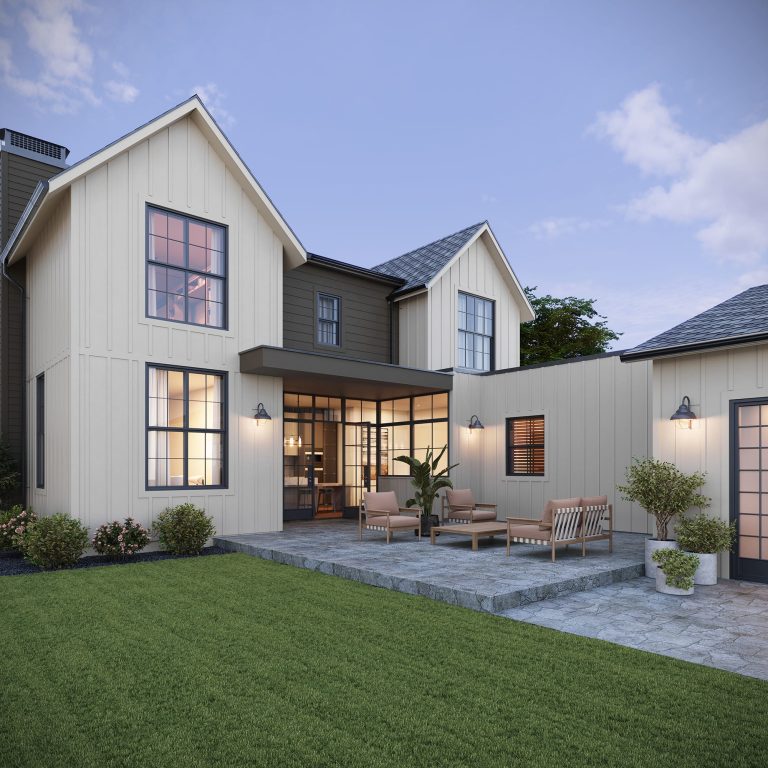
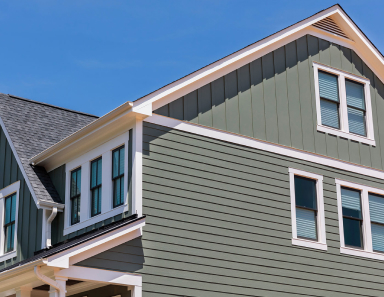
One of the most compelling reasons to choose USA manufactured vinyl siding is the sheer variety of styles available. American designers are at the forefront of cladding trends, developing textures that are nearly indistinguishable from natural materials. Whether a homeowner desires the rustic look of hand-split shakes or the clean lines of contemporary vertical board and batten, domestic manufacturers offer a solution.
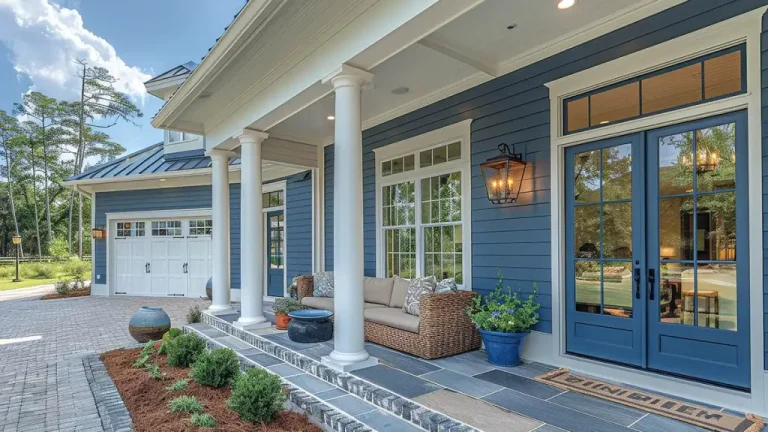
The color palettes offered by domestic brands are also more attuned to American architectural styles. Manufacturers conduct extensive market research to determine which shades are trending in different regions, from the muted “Cape Cod” blues to the earthy tones of the Pacific Northwest. This localized focus ensures that the home will not only look beautiful but will also fit the aesthetic context of the neighborhood.
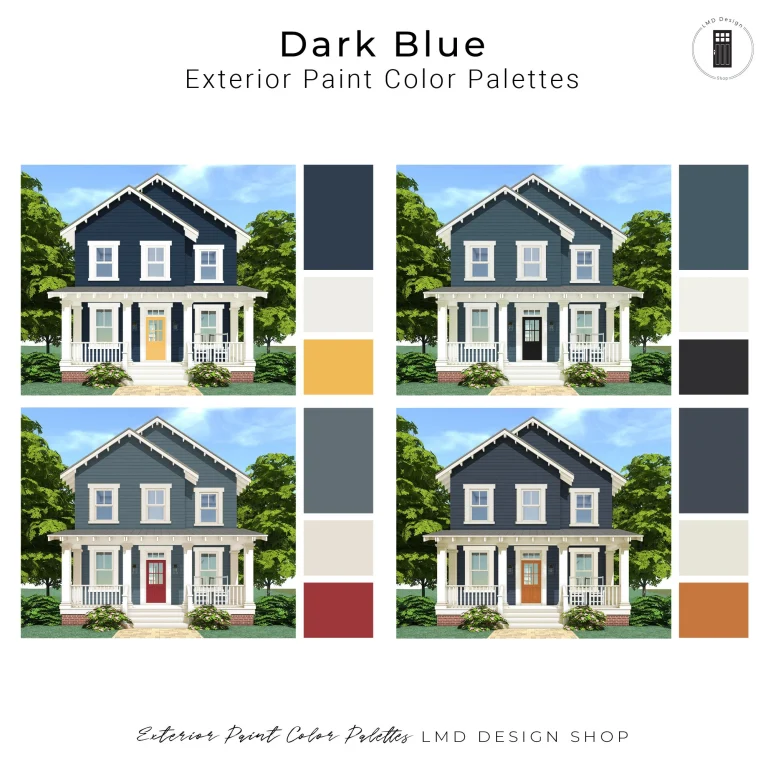
Furthermore, the development of “dark color” technology has been a game-changer. Historically, dark vinyl was prone to warping because it absorbed more heat. American engineers solved this by developing heat-reflective pigments that bounce solar energy away from the panel. This allows for deep, rich colors like charcoal, navy, and forest green that stay straight and true for decades.
Advanced Texture Mapping
The realism of modern vinyl is achieved through advanced texture mapping. This involves scanning actual wood planks to create molds that capture every grain, knot, and imperfection. When these molds are used in the extrusion process, the resulting vinyl panel has a multi-dimensional surface that catches the light just like real wood. This eliminates the “plastic” look that was common in the early days of the industry.
Matching Accessories and Trim
A cohesive exterior design requires more than just siding; it requires matching trim, soffit, and fascia. Domestic manufacturers provide entire “systems” where all components are color-matched and designed to work together. This ensures a professional finish where every transition and corner is seamless. Buying from a single domestic source guarantees that the whites of the trim will match the whites of the siding, avoiding the mismatched “off-white” issues often seen with piecemeal sourcing.
Installation Precision and Long-Term Performance
Even the best siding will fail if it is not installed correctly. USA manufactured vinyl siding is engineered with the installer in mind. Features like “click-lock” systems and embossed nail lines help ensure that panels are leveled and secured with the proper amount of “play” for thermal movement. This reduces the likelihood of installer error, which is the leading cause of siding failure.
Professional contractors often prefer working with domestic brands because the panels are more predictable. They have a consistent weight and rigidity, making them easier to handle on the ladder. Furthermore, the technical documentation provided by American companies is usually comprehensive, offering clear guidance on how to handle complex architectural features like bay windows or gables.
Proper installation also involves the use of high-quality underlayment. Many American siding systems are designed to work in tandem with specific house wraps and insulation boards. This holistic approach to the “building envelope” ensures that the home is not only beautiful but also energy-efficient and protected from moisture infiltration.
Maintenance Protocols for Peak Longevity
One of the primary selling points of vinyl is its low-maintenance nature. Unlike wood, which requires painting every few years, or fiber cement, which may need recaulking, vinyl stays vibrant with minimal effort. However, “low maintenance” does not mean “no maintenance.” To keep USA manufactured vinyl siding looking its best, a simple annual cleaning is recommended.
A soft-bristle brush and a solution of mild soap and water are usually all that is needed to remove surface dust and environmental pollutants. For more stubborn areas, such as North-facing walls where mold might grow in the shade, a mixture of water and vinegar can be effective. It is important to avoid abrasive cleaners or high-pressure power washers, as these can damage the surface finish of the vinyl.
Regular inspections are also a good practice. Homeowners should check for any panels that may have come loose during a storm or areas where sealant around windows might have cracked. Addressing these minor issues promptly prevents them from turning into larger, more expensive repairs. Because domestic siding is so durable, these inspections are usually quick and reveal very few problems.
The Strength of Domestic Warranties
A warranty is only as good as the company standing behind it. When you purchase USA manufactured vinyl siding, you are backed by companies that have been in business for decades and have a vested interest in maintaining their reputation. Most premium domestic products come with a limited lifetime warranty that is often transferable to the next homeowner.
These warranties typically cover manufacturing defects, such as excessive fading, peeling, or cracking. Some even include hail protection, which is a significant benefit in many parts of the country. Because these companies have a domestic presence, they have the infrastructure to process claims efficiently. They don’t want a dissatisfied customer broadcasting a negative experience, so they are generally motivated to make things right.
In contrast, pursuing a warranty claim against an international manufacturer can be an exercise in frustration. Language barriers, time zone differences, and the lack of a legal presence in the U.S. can make it nearly impossible to get a resolution. The peace of mind offered by a domestic warranty is a hidden value that shouldn’t be overlooked during the selection process.
Impact Resistance and Panel Thickness Standards
The thickness of a vinyl panel is a primary indicator of its quality. Standard “economy” grade siding is usually around 0.040 inches thick, while premium USA manufactured vinyl siding can range from 0.046 to 0.050 inches or more. This extra thickness provides several benefits. First, it makes the panel more rigid, allowing it to hang straighter on the wall and hide imperfections in the underlying studs.
Second, thicker panels have higher impact resistance. This is vital for protecting the home from stray baseballs, lawnmower debris, or hail. A thicker panel is less likely to crack or dent under pressure. American manufacturers often use a “double-layered” extrusion process where the outer layer is hardened for protection and the inner layer is optimized for strength and flexibility.
The profile depth also plays a role in the panel’s strength. A deeper “projection” (the distance the siding sticks out from the wall) creates a more dramatic shadow line, but it also adds structural integrity to the panel. Domestically produced siding often features deeper profiles than imports, contributing to both the beauty and the durability of the installation.
Thermal Expansion and Contraction Dynamics
All PVC products expand and contract as temperatures change. A 12-foot panel of vinyl siding can change in length by as much as half an inch between the heat of summer and the cold of winter. USA manufactured vinyl siding is engineered to handle this movement without noise or damage. The nail slots are elongated, and the locking mechanisms are designed to allow the panels to slide horizontally.
If siding is “pinned” or nailed too tightly, it will buckle and warp as it tries to expand. American manufacturers provide extensive training to contractors on the “hang it, don’t nail it” philosophy. This ensures that the siding remains flat and attractive regardless of the weather. The engineering that goes into these movement-tolerant systems is a testament to the sophistication of domestic production.
Furthermore, the high-quality resins used in domestic plants have a more predictable rate of expansion. This allows architects and builders to plan their transitions and corner posts with precision. When the material behaves exactly as the engineering data suggests, the final result is a much tighter, more professional-looking exterior.
Future Trends in American Vinyl Manufacturing
The industry is not standing still. American manufacturers are constantly innovating to meet the demands of modern homeowners. One of the most significant trends is the integration of insulated backing. These panels have a layer of rigid foam contoured to fit the profile of the vinyl. This adds a significant R-value to the home’s walls, improving energy efficiency and reducing noise transmission.
Another trend is the development of “mixed-material” aesthetics. Homeowners are increasingly using vinyl alongside stone veneer or metal accents. USA manufactured vinyl siding brands are responding by creating products that coordinate perfectly with these other materials. We are also seeing a move toward more matte finishes, as consumers move away from the glossy look of traditional plastic and toward a more “painted wood” appearance.
Technological integration is also on the horizon. Some manufacturers are experimenting with “cool roof” technology for siding, using pigments that reflect even more infrared light to keep homes cooler in the summer. As building codes become stricter regarding energy performance, these innovations will ensure that vinyl remains a top choice for American homes.
Final Considerations for Your Siding Project
Selecting the right cladding is an investment in the future of your home. By choosing USA manufactured vinyl siding, you are ensuring that your property is protected by a product engineered for the specific challenges of the North American environment. You are supporting the local economy, benefiting from shorter supply chains, and gaining the peace of mind that comes with a robust domestic warranty.
The combination of material science, aesthetic variety, and rigorous testing makes domestic vinyl a superior choice for any renovation. As you move forward with your project, look for the VSI certification and ask your contractor about the origin of their materials. A home is often a person’s largest asset; it deserves the quality and reliability that only American manufacturing can provide.
Ultimately, the value of vinyl siding lies in its ability to provide a beautiful, durable, and low-maintenance exterior for years to come. By prioritizing quality over the lowest possible price, you ensure that your home remains a source of pride and a sanctuary of comfort. The legacy of American manufacturing is one of innovation and excellence, and that legacy is reflected in every panel of high-quality vinyl produced on our shores.