Siding Financing for Homeowners: 2024 Guide to Loans & ROI
Investing in your home’s exterior is a significant financial decision that goes beyond simple aesthetics. For many property owners, the cost of a full vinyl siding replacement can range from several thousand to tens of thousands of dollars. Finding the right siding financing for homeowners is often the most critical step in moving from the planning phase to actual construction. This comprehensive guide explores every financial avenue available to ensure your home remains protected and beautiful without draining your liquid savings.
Furthermore, the modern lending landscape offers a variety of tools tailored specifically for home improvement projects. Whether you are dealing with storm damage or simply looking to increase your property’s curb appeal, understanding these mechanisms is essential. Consequently, homeowners must evaluate their credit health, equity position, and long-term financial goals before signing any loan agreement. This analytical approach prevents common pitfalls associated with high-interest debt and ensures a positive return on investment.
In addition to traditional bank loans, various alternative funding sources have emerged in recent years. From government-backed programs to manufacturer-sponsored credit lines, the options are more diverse than ever. This evolution in the financial sector means that almost any homeowner can find a solution that fits their specific budget. However, navigating these options requires a deep dive into interest rates, repayment terms, and the subtle fine print that often accompanies large-scale renovation financing.
The Financial Rationale for Siding Replacement
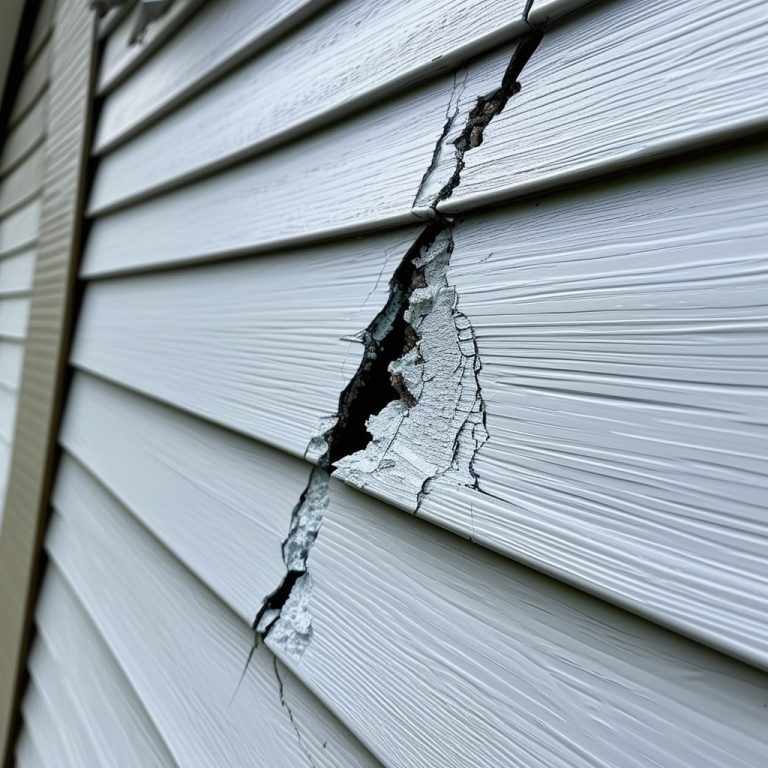
Replacing your siding is not merely a cosmetic upgrade; it is a fundamental preservation of your largest asset. Damaged or aging siding can lead to moisture infiltration, which eventually compromises the structural integrity of the wall framing. By addressing these issues early, you avoid the exponential costs associated with mold remediation and structural repairs. Therefore, financing this project now can save significant amounts of capital in the future.
Moreover, vinyl siding remains one of the most popular choices due to its durability and low maintenance requirements. Modern manufacturing techniques have produced materials that mimic the look of natural wood while offering superior resistance to the elements. From a financial perspective, this durability translates to lower lifetime costs, making the initial investment even more attractive. Analytical homeowners often view this as a capital expenditure rather than a simple repair.
Finally, the immediate impact on home value cannot be overstated. Real estate data consistently shows that exterior renovations offer some of the highest returns on investment among all home improvement categories. Prospective buyers are often deterred by homes that require immediate exterior maintenance. By utilizing financing to complete a siding project, you are essentially front-loading the equity growth of your property while enjoying the immediate benefits of a renewed home exterior.
Siding Financing for Homeowners
When searching for siding financing for homeowners, the first point of contact is often a personal loan provider or a local credit union. These institutions offer unsecured loans that do not require you to use your home as collateral, which can be a safer option for those who want to avoid risking their equity. However, interest rates on unsecured loans are typically higher than those on secured products. Consequently, your credit score will play a massive role in determining the viability of this route.
In addition to unsecured loans, many specialized home improvement lenders work directly with contractors to provide point-of-sale financing. These programs are designed to be fast and convenient, often offering approval within minutes. While the convenience is high, homeowners must be diligent in checking the annual percentage rate (APR) and any potential hidden fees. Transitioning from a state of curiosity to an informed decision-making process is vital when these quick-approval options are presented.
Furthermore, it is important to consider the total cost of borrowing over the life of the loan. A monthly payment that seems affordable might actually mask a high interest rate that doubles the cost of the siding project over several years. Therefore, comparing multiple offers is the only way to ensure you are receiving the most competitive terms. Wise homeowners often request at least three different financing quotes before committing to a specific path for their siding project.
Unsecured Personal Loans for Home Improvements
Personal loans serve as a versatile tool for siding projects because they provide a lump sum of cash upfront. This allows you to pay your contractor in full and potentially negotiate a cash discount on the labor and materials. Because these loans are fixed-rate, you will have a predictable monthly payment that never changes, aiding in long-term household budgeting. Most personal loans for home improvement range from 3 to 7 years in duration.
However, the eligibility requirements for the best rates are often quite stringent. Lenders typically look for a debt-to-income ratio below 35% and a credit score in the “good” to “excellent” range. If your credit is less than stellar, you might face interest rates that exceed 15%, which can significantly inflate the project’s price tag. Despite this, for those with strong credit, personal loans offer a streamlined path without the closing costs associated with home equity products.
Home Equity Loans and Lines of Credit (HELOC)
For homeowners who have built up significant equity in their properties, a Home Equity Loan or a HELOC can be the most cost-effective way to finance siding. These loans use your house as collateral, which allows lenders to offer much lower interest rates compared to personal loans. A home equity loan provides a one-time payout with a fixed rate, making it ideal for a siding project with a defined cost. In contrast, a HELOC works more like a credit card, allowing you to draw funds as needed.
One major advantage of these products is the potential for tax deductibility. In many cases, interest paid on loans used to substantially improve your primary residence may be tax-deductible, though you should always consult a tax professional. Conversely, the primary risk is that failure to repay the loan could result in foreclosure. This high-stakes environment demands a disciplined approach to repayment and a clear understanding of your household’s future cash flow.
Exploring Government-Backed Financing Options
The Federal Housing Administration (FHA) offers the Title I Property Improvement Loan program, which is specifically designed for homeowners who may not have substantial equity. These loans are insured by the government, which encourages private lenders to offer money for essential home repairs and improvements. For a single-family home, you can often borrow up to $25,000 for siding and other necessary upgrades. This is an excellent option for those in older homes that require immediate attention.
Additionally, some local and state governments offer “Green Energy” or “Weatherization” grants and loans. Because new vinyl siding, when paired with modern house wrap and insulation, significantly improves a home’s thermal envelope, it may qualify for these programs. These incentives are often aimed at reducing the community’s overall energy consumption. Consequently, these programs can offer interest rates far below the market average or even provide forgivable grants in certain low-income brackets.
Furthermore, HUD’s 203(k) Rehabilitation Mortgage is another powerful tool, especially for those purchasing a “fixer-upper.” This loan allows you to bundle the cost of the home purchase and the necessary siding repairs into a single mortgage. This simplifies the financing process and ensures that the repairs are funded from day one. While the application process is more rigorous, the long-term savings on interest can be substantial compared to taking out a separate high-interest loan later.
Contractor-Led Financing and Promotional Offers
Many large-scale siding companies partner with financial institutions to offer in-house financing. You have likely seen advertisements for “0% interest for 18 months” or “No payments until next year.” These offers can be incredibly beneficial if you have the cash flow to pay off the balance before the promotional period ends. However, they often come with “deferred interest” clauses, meaning if the balance isn’t zeroed out by the deadline, interest is back-charged to the original start date.
Moreover, contractor financing is often integrated directly into the sales process. This makes it very easy to move forward with the project, but it also makes it harder to shop around. Some contractors may inflate the price of the siding to compensate for the “interest-free” period they are offering. To protect your finances, always ask for a “cash price” versus a “financed price” to see exactly how much the promotional offer is costing you in the long run.
In addition, some manufacturers offer their own credit cards or financing programs. Brands like James Hardie or CertainTeed may have partnerships that provide specialized rates for their specific products. Utilizing these can sometimes lead to extended warranties or better service agreements. Always read the fine print to ensure the manufacturer’s financing is competitive with a standard bank loan, as the convenience can sometimes carry a premium price tag.
The Impact of Credit Scores on Siding Loans
Your credit score is the single most important factor in determining the cost of siding financing for homeowners. Lenders use this number to gauge the risk of lending to you. A score above 740 generally unlocks the lowest possible interest rates and the most favorable terms. Conversely, a score below 620 may make it difficult to secure traditional financing, pushing you toward subprime lenders with much higher costs of capital.
If your credit score is currently low, it may be financially prudent to delay the siding project for six months while you work on “credit hygiene.” This includes paying down high-balance credit cards and ensuring all bills are paid on time. Improving your score by even 50 points can result in thousands of dollars in interest savings over the life of a siding loan. This analytical delay is often the smartest move a homeowner can make in a high-interest environment.
Furthermore, lenders also look at your “credit mix” and the length of your credit history. If you have successfully managed an auto loan or a previous home improvement loan, they are more likely to view your application favorably. During the application process, avoid opening new credit cards or making other large purchases like a new car. Keeping your credit profile stable during the financing search ensures you receive the most accurate and beneficial quotes from potential lenders.
Comparing Siding Financing Options: A Detailed Look
| Financing Type | Typical Interest Rate | Pros | Cons |
|---|---|---|---|
| Personal Loan | 6% – 20% | No collateral required; fixed payments; fast funding. | Higher rates for lower credit scores; shorter terms. |
| Home Equity Loan | 5% – 10% | Lower interest rates; potential tax benefits. | Home is used as collateral; long closing process. |
| HELOC | Variable (6% – 12%) | Flexible draw period; pay interest only on what you use. | Variable rates can rise; risk of overspending. |
| FHA Title I | Fixed (Varies) | Accessible with lower equity; government-backed. | Requires specific property criteria; loan limits apply. |
| 0% Promo (Contractor) | 0% (Introductory) | No interest if paid early; convenient. | Huge interest penalties if not paid in full by deadline. |
Determining the True Cost of Your Siding Project
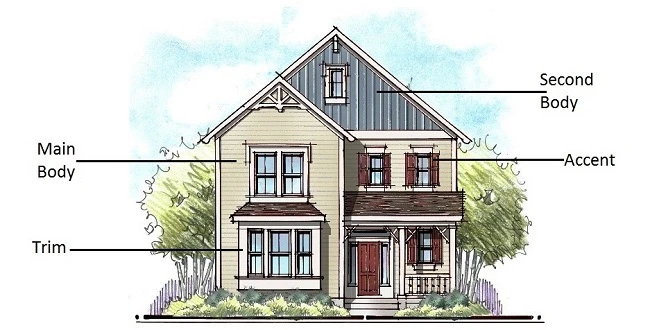
Before seeking siding financing for homeowners, you must have a precise understanding of the project’s total scope. This includes not just the vinyl siding itself, but also the soffit, fascia, trim, and house wrap. Additionally, labor costs can vary wildly depending on the complexity of your home’s architecture. Multi-story homes with many gables and corners require more intricate labor and more waste material, driving up the total estimate.
Furthermore, hidden costs often lurk beneath the old siding. Once the old material is removed, your contractor might find rot, insect damage, or structural issues that must be repaired before the new siding can be installed. It is wise to include a 10% to 15% contingency fund in your financing request to cover these unexpected discoveries. Being under-funded in the middle of a project is a stressful scenario that can lead to rushed, lower-quality work.
In addition to the physical materials, consider the cost of permits and waste disposal. In many municipalities, a building permit is required for siding replacement, and dump fees for the old siding can add several hundred dollars to the bill. When you present your financing application to a lender, having a detailed, line-item quote from a reputable contractor demonstrates that you are a responsible borrower. This transparency builds trust and can lead to a smoother approval process.
Maximizing ROI: Why Material Choice Matters
When financing a project, you should aim for the highest possible return on investment. Vinyl siding is frequently cited by the “Cost vs. Value” report as a top performer. This is because it is durable, aesthetically versatile, and relatively affordable compared to fiber cement or brick. When you use financing to upgrade from a low-grade vinyl to a “premium” or “insulated” vinyl, the long-term energy savings can help offset the monthly loan payments.
Moreover, the color and texture choices you make can influence future resale value. While you might personally love a bold, unconventional color, neutral tones like grays, beiges, and soft blues tend to appeal to the widest range of buyers. If you are financing with the intent to sell the home in the next five years, choosing a “market-safe” aesthetic is a strategic financial move. This ensures that the equity you’re borrowing against is actually being enhanced by the renovation.
Furthermore, modern vinyl siding can be engineered with integrated foam backing. This increases the R-value (insulating power) of your walls, which reduces heating and cooling costs year-round. While insulated siding has a higher upfront cost, many financing plans allow you to roll this extra cost into the loan. Over time, the reduction in your utility bills can act as a “dividend,” effectively paying back a portion of the loan interest every single month.
Navigating the Application Process for Home Improvement
Securing siding financing for homeowners begins with gathering your financial documentation. Most lenders will require recent pay stubs, W-2 forms, and perhaps tax returns if you are self-employed. They will also perform a “hard pull” on your credit report, which can temporarily dip your score by a few points. To minimize the impact, try to do all your rate shopping within a 14-day window, as credit bureaus often treat multiple inquiries for the same type of loan as a single event.
Once you have submitted your application, the underwriting process begins. The lender will evaluate your “capacity” to pay, which means looking at your monthly income versus your existing debts. If you are applying for a home equity product, the lender will likely require a professional appraisal of your property. This ensures that the home’s value justifies the loan amount. This phase can take anywhere from a few days for a personal loan to several weeks for a HELOC.
After approval, you will receive a loan agreement detailing the interest rate, monthly payment, and total repayment amount. It is crucial to check for “prepayment penalties.” Some lenders charge a fee if you pay off the loan early. If you plan to use a tax refund or a work bonus to clear the debt faster, you want a loan that allows for early repayment without any extra charges. Always clarify these terms before signing the final document.
The Role of Down Payments in Siding Projects
While many financing options cover 100% of the project cost, providing a down payment can be a major advantage. Even a 10% or 20% down payment reduces the total amount you need to borrow, which in turn reduces the total interest paid over the life of the loan. Furthermore, having some “skin in the game” can sometimes help you qualify for a slightly lower interest rate from certain lenders. It shows financial stability and commitment to the project.
If you don’t have enough cash for a substantial down payment, you might consider a “hybrid” approach. You can use your liquid savings to cover the initial deposit required by the contractor and then use siding financing for homeowners to cover the remaining balance upon completion. This keeps your monthly payments lower while ensuring the contractor has the funds necessary to order materials and schedule the labor.
Conversely, some homeowners prefer to keep their cash in the bank for emergencies and finance the entire project. In a low-interest environment, this can be a savvy move, as your cash might earn more in a high-yield savings account or investment than the cost of the loan interest. This is a classic example of “arbitrage,” where you use the bank’s money to grow your own. However, this strategy requires a high level of financial discipline and a very low-interest loan.
Avoiding Financing Traps and Predatory Lending
Unfortunately, the home improvement industry is sometimes plagued by “fly-by-night” lenders and predatory practices. One common red flag is a lender who pressures you to sign paperwork immediately without giving you time to read it. Another warning sign is “balloon payments,” where your monthly payments are small, but a massive lump sum is due at the end of the term. If you cannot pay that lump sum, you could be forced into a high-interest refinance or even lose your home.
Furthermore, be wary of “PACE” (Property Assessed Clean Energy) loans in some regions. While they are marketed as a way to finance energy-efficient siding through your property taxes, they can make it extremely difficult to sell or refinance your home later. Many mortgage lenders refuse to approve loans for properties with a PACE lien because the tax assessment takes priority over the mortgage. Always research the long-term implications of non-traditional financing before proceeding.
Additionally, avoid any contractor who asks you to take out a loan in their name or who insists on being the sole handler of the financing paperwork. You should always have a direct relationship with the lender. This ensures you receive all disclosures required by the Truth in Lending Act. Protecting yourself from these traps requires a healthy dose of skepticism and a commitment to doing your own due diligence, regardless of how “easy” the contractor makes the process sound.
The Relationship Between Siding Durability and Loan Terms
An often-overlooked aspect of siding financing for homeowners is matching the loan term to the expected lifespan of the product. Vinyl siding typically lasts 20 to 60 years depending on the quality and the environment. Therefore, taking out a 10-year loan for a product that lasts 40 years is a sound financial decision. You are paying for the asset long before it needs to be replaced again, ensuring you enjoy many years of “debt-free” protection.
However, if you choose a very cheap, low-quality siding that may only last 10 years, and you finance it over 7 years, you are cutting it very close. By the time you finish paying off the loan, the siding may already be showing signs of wear or failure. This creates a cycle of perpetual debt for home maintenance. Analytical homeowners always aim for a “durability-to-debt” ratio that favors the longevity of the material over the length of the financing.
In addition, consider the warranty of the siding in relation to your financing. Many premium vinyl manufacturers offer lifetime limited warranties. If the siding fails due to a manufacturing defect, the warranty may cover the cost of the material, but rarely the labor. Having your financing fully paid off allows you more flexibility to handle these small future maintenance costs out of pocket, rather than having to take out another loan for repairs.
Long-Term Savings: Energy Efficiency and Insurance
One of the strongest arguments for using siding financing for homeowners to purchase high-quality vinyl is the impact on secondary costs. As mentioned, insulated vinyl siding can lower your monthly energy bills. If your financing payment is $150 a month, but your energy bill drops by $40 a month, the “effective” cost of your siding project is only $110. Over the course of a decade, these savings add up to thousands of dollars, effectively subsidizing the renovation.
Moreover, new siding can sometimes lead to lower homeowners insurance premiums. If your old siding was cracked, rotting, or susceptible to fire, replacing it with modern, fire-resistant vinyl can reduce the risk profile of your home. Some insurance companies offer discounts for upgrades that improve the home’s resilience against wind, hail, and fire. It is always worth calling your insurance agent after the project is complete to see if your new exterior qualifies for a rate reduction.
Furthermore, the reduction in maintenance costs is a significant financial relief. Wood siding requires painting or staining every few years, which can cost thousands of dollars each time. Vinyl, on the other hand, only requires an occasional wash with a garden hose. By financing a vinyl siding project, you are essentially “buying back” all the money and time you would have spent on future painting and wood-rot repairs. This long-term perspective is key to understanding the true value of the investment.
Tax Implications and Benefits of Home Improvements
While the rules regarding tax deductions for home improvements have become stricter, there are still several ways that siding financing for homeowners can interact with your tax return. Generally, home improvements are not deductible in the year they are made. However, they are added to the “cost basis” of your home. A higher cost basis can reduce the capital gains tax you owe when you eventually sell the property, which is a major benefit for those in appreciating markets.
For example, if you bought your home for $200,000 and spent $20,000 on new siding, your new cost basis is $220,000. If you later sell the home for $500,000, your taxable gain is reduced by that $20,000 investment. It is vital to keep all receipts, contracts, and financing statements related to your siding project in a permanent “home improvement” file. This documentation is essential for proving the value of the improvements to the IRS years down the road.
Additionally, some energy-efficient siding installations may qualify for federal tax credits under specific environmental programs. These credits are different from deductions, as they provide a dollar-for-dollar reduction in the taxes you owe. Programs change frequently, so checking the current status of the “Energy Efficient Home Improvement Credit” is highly recommended. Utilizing these tax breaks can effectively lower the net cost of your financing, making the project even more affordable.
Regional Cost Factors and Financing Adjustments
The cost of siding—and therefore the amount of financing you need—can vary significantly based on your location. In high-cost-of-living areas, labor rates can be double what they are in more rural regions. Furthermore, coastal areas may require specialized siding that can withstand high winds and salt spray, which often carries a higher price tag. When seeking siding financing for homeowners, ensure your loan amount reflects the reality of your local market estimates.
In addition, interest rates can sometimes vary by region based on the health of local banks and credit unions. Some regional lenders offer “community reinvestment” loans with lower rates for local residents. It is always a good idea to check with a local bank that has a vested interest in the quality of the neighborhood’s housing stock. They may offer more flexible terms than a national online lender who doesn’t understand the specific value of homes in your area.
Furthermore, seasonal variations can impact your financing. Many contractors offer discounts during the “off-season” (typically late autumn or winter in northern climates) to keep their crews busy. If you can secure your financing during these months, you might find that your dollar goes much further. This strategic timing allows you to borrow less, resulting in lower monthly payments and less total interest. Planning your financing around these market cycles is a hallmark of an analytical homeowner.
Preparing Your Home for the Appraisal
If you are using a Home Equity Loan or HELOC for siding financing for homeowners, the appraisal is a “make or break” moment. The appraiser will look at the current condition of your home to determine its market value. While it may seem counterintuitive to have an appraisal *before* the new siding is on, the lender needs to know the “as-is” value to determine how much they can safely lend you. A home that looks well-maintained inside will often receive a higher valuation.
To prepare, make sure all minor repairs are completed, the yard is tidy, and the interior is clean. You should also provide the appraiser with a list of all recent upgrades you have made to the home, such as a new roof, HVAC system, or kitchen remodel. These “comps” and upgrade lists help the appraiser justify a higher value, which in turn can lead to a better Loan-to-Value (LTV) ratio. A lower LTV ratio often translates to more favorable interest rates.
In some cases, you can request an “as-completed” appraisal. This is common in construction or major renovation loans. The appraiser evaluates the home based on what it will be worth *after* the new siding is installed. This can unlock more funding, as the anticipated value of the home will be higher. However, these appraisals are more complex and may cost more than a standard valuation. Discuss these options with your lender to see which approach best suits your financial needs.
Case Study: The Economics of Financing vs. Cash
Consider a homeowner named Sarah who needs $15,000 for a vinyl siding replacement. Sarah has the cash in a brokerage account earning an average of 8% annually. She is offered a personal loan at 6% interest for 5 years. In this scenario, it actually makes more financial sense for Sarah to finance the siding. By keeping her money invested at 8% and paying 6% on the loan, she is maintaining a 2% “positive spread” on her capital.
Conversely, if Sarah’s only source of cash was a savings account earning 0.5% interest, and her loan offer was 10%, financing would be the more expensive route. She would be “losing” 9.5% on the difference. This type of nuanced analysis is what separates high-authority financial planning from simple guesswork. Every homeowner’s situation is unique, and the decision to finance should be based on the “opportunity cost” of your capital.
Furthermore, financing allows for “liquidity preservation.” Even if you have the cash, spending it all on siding leaves you vulnerable to other emergencies, like a job loss or a medical bill. By using siding financing for homeowners, you keep your “emergency fund” intact while still improving your property. This peace of mind has a value that is hard to quantify but is essential for overall financial health and stress reduction.
Conclusion: Empowering Your Home Improvement Journey
Choosing the right path for your siding project requires a balance of architectural vision and financial pragmatism. By exploring the various forms of siding financing for homeowners, you can transform a daunting expense into a manageable monthly investment. Whether you choose the low interest of a home equity loan or the speed of a personal loan, the goal remains the same: to protect your home and enhance its value for decades to come.
Furthermore, the long-term benefits of new vinyl siding—ranging from energy efficiency to reduced maintenance—often outweigh the costs of borrowing. When approached analytically, financing is not a burden but a bridge to a better, more resilient home. As you move forward, continue to compare rates, read the fine print, and select a contractor who respects both your home and your budget. With the right financial strategy, your new siding will be more than just a beautiful exterior; it will be a cornerstone of your financial security.
Finally, remember that the best time to address your home’s exterior is before problems become catastrophes. Financing provides the immediate capital needed to act decisively. By taking action today, you are investing in the future of your family’s sanctuary. Stay informed, stay disciplined, and enjoy the lasting rewards of a well-executed home improvement project.