Premium Siding Textures: The Architect’s Guide to Exterior Design
Homeownership involves a constant balance between aesthetic appeal and long-term durability. When it comes to exterior renovations, the evolution of materials has reached a point where functionality no longer requires a sacrifice in style. Selecting premium siding textures has become the primary method for discerning homeowners to achieve a high-end architectural look while maintaining the resilience of modern vinyl materials. This shift represents a broader trend in residential design where tactile quality and visual depth are prioritized over simple utility.
Historically, vinyl siding was often criticized for its “plastic” appearance and lack of character. However, manufacturing advancements have completely transformed the industry. Today, the process of embossing and thermal shaping allows for a level of detail that was previously impossible. This means that a property can benefit from the classic look of cedar or the sleek finish of contemporary smooth panels without the susceptibility to rot, pests, or warping.

The decision to upgrade your home’s exterior is significant, both financially and emotionally. It is not just about protection from the elements; it is about creating a visual identity. By understanding the nuances of different surface finishes, you can make an informed choice that enhances your property’s value. Furthermore, the interplay of light and shadow on a textured surface can dramatically change the perceived dimensions of a structure, adding a layer of sophistication that flat surfaces simply cannot provide.
The Engineering Behind Modern Siding Aesthetics
Modern siding is a triumph of material science. The textures we see today are the result of high-pressure molds taken directly from natural wood samples. This ensures that the “grain” is not just a repeating pattern but a realistic representation of organic growth. Manufacturers use multi-ton presses to stamp these patterns into the vinyl substrate, creating a permanent indentation that resists fading and wear over decades of exposure to harsh weather.
Beyond the physical stamping, the chemical composition of premium siding has improved. High-grade resins and UV inhibitors are integrated into the material to ensure that the texture remains crisp and the color stays vibrant. This chemical stability is vital because if the material were to degrade, the fine lines of the texture would be the first to disappear. Instead, modern panels are designed to look as good in year twenty as they did on the day of installation.
Furthermore, the cooling process after the embossing is carefully controlled. If the vinyl cools too quickly, the texture might warp or become shallow. By managing the thermal gradient, manufacturers can lock in deep, dramatic textures that catch the light from various angles. This attention to detail is what separates entry-level products from the high-performance options found in the luxury market.
The Role of Multi-Tone Color Application
Texture alone is only half of the equation when it comes to visual realism. To truly mimic natural materials, manufacturers often use a multi-tone coloring process. Instead of a single flat color, different shades are applied to the peaks and valleys of the textured surface. This technique mimics the way stain settles into the grain of real wood, highlighting the depth and complexity of the material.
In addition to realism, these color techniques help to hide small imperfections. Over time, any exterior surface will accumulate dust or minor scratches. A multi-toned, textured surface is much more forgiving than a flat, monochromatic one. The variation in color and physical depth camouflages minor wear, keeping the home looking pristine with minimal effort from the homeowner.
Analyzing the Impact of Light and Shadow
Architectural beauty is often defined by how a building interacts with natural light. Texture plays a pivotal role in this interaction by creating shadow lines. When sunlight hits a heavily textured surface, it creates micro-shadows within the grain or the “butt” of the siding panel. These shadows provide a sense of weight and permanence that flat siding lacks, making the home appear more grounded and substantially built.
During different times of the day, the appearance of your home will shift as the sun moves across the sky. In the morning, low-angle light can exaggerate the textures, making the house look rugged and detailed. By midday, the high sun might soften these shadows, providing a cleaner, more uniform look. This dynamic quality keeps the exterior from looking stagnant or dull, offering a changing canvas throughout the seasons.
However, it is important to consider the orientation of your home when selecting a finish. A north-facing wall that receives little direct sunlight might benefit from a deeper, more aggressive texture to help define the surface. Conversely, a south-facing wall in a bright climate might look better with a more subtle grain to prevent the shadows from looking too chaotic or busy. Balancing these factors is key to a successful exterior design strategy.
Shadow Lines and Profile Depth
The “butt height” of a siding panel refers to how far the bottom edge of the panel sticks out from the wall. This height is crucial because it determines the depth of the shadow cast on the panel below it. Premium options often feature a larger butt height, which creates a more pronounced shadow line. This mimics the thickness of heavy wood planks or traditional stone masonry.
When combined with the right surface finish, a deep shadow line can make even a standard horizontal lap siding look like a custom architectural installation. It adds a “heaviness” to the visual profile that signals quality and durability to anyone viewing the property from the street. Therefore, when evaluating samples, always look at them under different lighting conditions to see how the shadows behave.
Premium siding textures
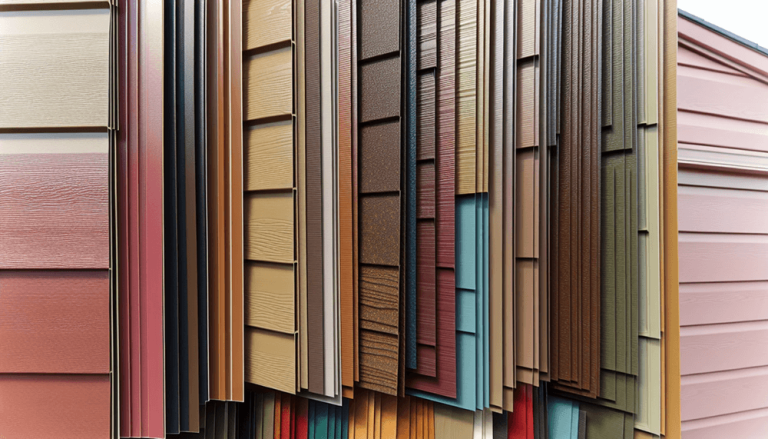
When we discuss the specific categories of premium siding textures, we are looking at a spectrum of design possibilities. Each texture serves a specific architectural purpose, ranging from the rustic charm of a mountain cottage to the clinical precision of a modern urban dwelling. The market has expanded to include options that satisfy every aesthetic preference, ensuring that vinyl is a viable choice for any neighborhood or style.
One of the most sought-after textures is the “Rough-Sawn” finish. This style replicates the look of wood that has been freshly cut at a sawmill, featuring visible saw marks and a rugged, uneven surface. It is particularly popular for Craftsman-style homes or any property where a natural, organic feel is desired. The complexity of the rough-sawn finish is a testament to the high-end manufacturing processes used in the industry today.
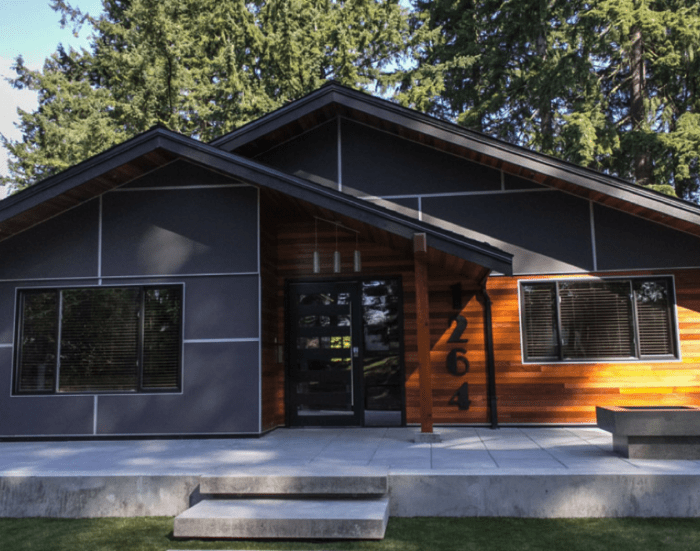
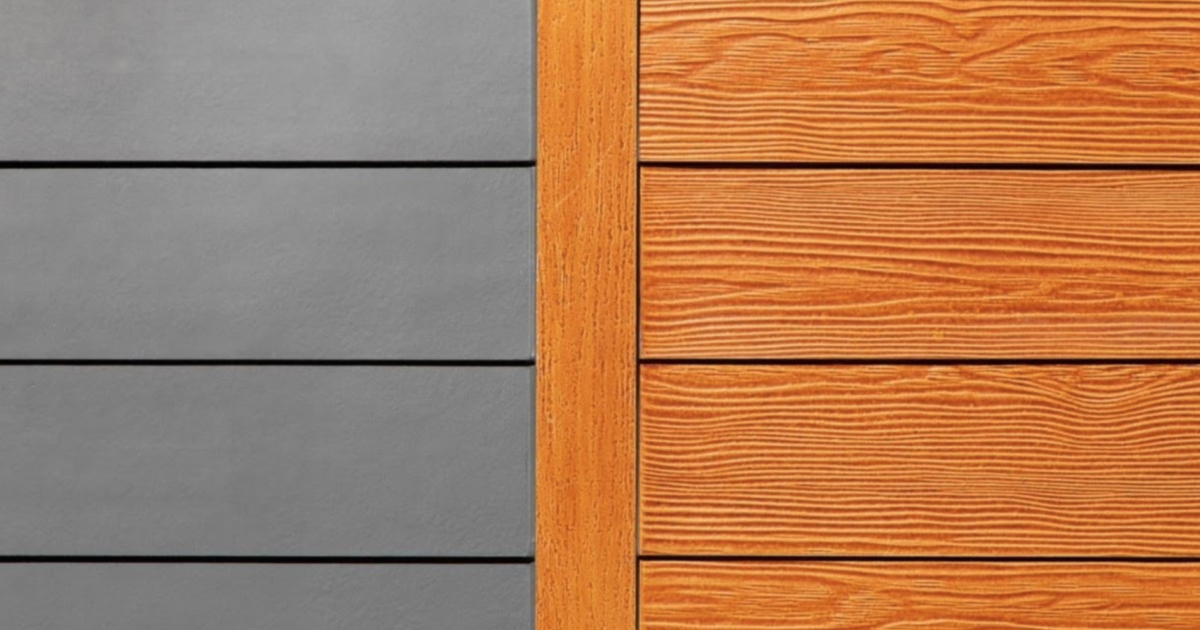
In contrast, “Smooth” textures are seeing a massive resurgence in contemporary architecture. A smooth finish provides a clean, minimalist backdrop that emphasizes the lines and geometry of the house rather than the material itself. Achieving a truly smooth vinyl surface that doesn’t look like cheap plastic is actually more difficult than creating a textured one, as any imperfection in the panel becomes immediately obvious. This makes high-quality smooth panels a premium choice for modern designs.
| Texture Type | Visual Character | Best Architectural Style | Maintenance Level |
|---|---|---|---|
| Cedar Grain | Authentic, organic wood patterns | Traditional, Colonial, Cape Cod | Low (Hides dust well) |
| Smooth | Sleek, minimalist, refined | Modern, Industrial, Mid-Century | Medium (Shows streaks more easily) |
| Hand-Split Shake | Rugged, deep grooves, rustic | Cottage, Coastal, Lodge | Low (Very durable and thick) |
| Brushed | Soft, subtle, painted-wood look | Transitional, Suburban Classic | Low |
Cedar Grain: The Gold Standard of Tradition
Cedar grain remains the most popular choice among homeowners seeking a classic look. This texture replicates the distinctive, swirling patterns found in natural cedar wood. Because real cedar is expensive and requires constant staining and sealing, textured vinyl offers a perfect compromise. It provides the warmth of wood without the inevitable maintenance headaches associated with natural timber.
The detail in high-end cedar grain is remarkable. You can often see the “growth rings” and the slightly raised portions of the grain that occur in real wood. This level of detail is achieved through advanced “variegated” coloring, where the color is baked into the panel in a way that mimics the natural inconsistencies of wood. Consequently, the siding looks realistic even upon close inspection, which is the ultimate test of any imitation material.
Hand-Split Shakes and Shingles
For those looking for maximum visual impact, hand-split shakes are the ideal choice. In traditional woodworking, a shake is split by hand from a log, resulting in a much deeper and more irregular texture than a sawn shingle. Premium vinyl versions of these shakes capture that irregularity perfectly. The deep grooves and varying thicknesses of each “tile” create a highly textured facade that is full of character.
These textures are particularly effective when used as accents on gables or entryways. They provide a “heavy” texture that contrasts beautifully with smoother horizontal panels on the rest of the house. Furthermore, because these panels are typically thicker than standard lap siding, they offer superior impact resistance against hail or stray baseballs, making them a functional as well as an aesthetic upgrade.
Durability Meets Design: The Functional Benefits of Texture
It is a common misconception that texture is purely for looks. In reality, the physical structure of premium siding textures contributes to the overall strength of the panel. A textured surface is inherently more rigid than a flat one. The “peaks and valleys” of the grain act like tiny structural ribs, helping the panel resist bending and warping when exposed to extreme heat or cold.
Additionally, texture plays a role in managing thermal expansion. All vinyl siding expands and contracts as temperatures change. A heavily textured surface can help to mask the minor movements of the panels, ensuring that the gaps at the joints remain less noticeable. This structural advantage means that your siding will stay looking straight and true for a much longer period than thinner, flatter alternatives.
In regions prone to severe weather, the “hardness” of the texture also matters. Deep embossing can actually help to deflect small objects, reducing the likelihood of a direct piercing blow. While no siding is completely indestructible, the added thickness and structural integrity of premium textured products provide a significant safety margin for the homeowner. This makes it an investment in the longevity of the building envelope itself.
Resistance to Environmental Stressors
Environmentally, premium textures are designed to withstand more than just temperature swings. They are built to resist the abrasive effects of wind-blown sand and the corrosive nature of salt spray in coastal areas. The high-quality topcoats used on these products ensure that the texture does not “soften” or erode over time. This is a critical consideration for those living in harsh climates where the exterior of the home is under constant biological and mechanical stress.
Moreover, the integration of advanced fungicides during the manufacturing process prevents the growth of mold and mildew in the deep grooves of the texture. In the past, people worried that textured siding would be harder to keep clean. However, modern coatings are designed to be “hydrophobic,” meaning they shed water easily and carry away dirt and spores before they can take root in the grain.
Comparing Vinyl Texture to Fiber Cement and Wood
When considering exterior options, many homeowners compare vinyl with fiber cement or natural wood. Natural wood is the original “textured” material, but its vulnerability to moisture makes it a high-risk choice. Fiber cement is a popular middle ground, offering great durability and a decent wood-like texture. However, fiber cement requires regular painting, and the texture is often less “sharp” than what can be achieved with high-pressure vinyl molding.
Vinyl’s primary advantage in the texture department is consistency. Because it is a molded product, the texture is uniform across every panel, yet designed with enough variation in the pattern to avoid a repetitive look. With natural wood, you often get knots or “bleeding” of tannins that can ruin the aesthetic. With premium vinyl, you get the “perfect” version of wood every time, without the biological flaws that lead to decay.
Furthermore, the weight of the material is a factor. Fiber cement is extremely heavy, which can put stress on the home’s frame and requires more labor-intensive installation. Premium vinyl achieves similar textural depths at a fraction of the weight. This allows for faster installation and less structural concern, all while providing a finished look that is virtually indistinguishable from more expensive, heavier materials.
Cost vs. Long-Term Value
While the initial cost of premium siding is higher than standard builder-grade options, the long-term value is significantly better. Standard siding often loses its luster within a few years, becoming brittle and faded. Premium textured products, however, maintain their “new” look for decades. This means you won’t be looking at another replacement project in ten years, which is the ultimate cost-saving measure.
In addition to durability, the boost in curb appeal provides a tangible return on investment (ROI). Real estate experts often note that the exterior of a home is the most important factor in a buyer’s first impression. A house clad in high-quality, textured siding suggests that the owner has invested in quality throughout the property. This can lead to faster sales and higher closing prices in competitive markets.
Maintenance Protocols for Detailed Surfaces
One might assume that the deep grooves of premium siding textures would act as a magnet for dirt. While it is true that dust can settle in the grain, the maintenance required is surprisingly minimal. For most homeowners, a simple annual wash with a garden hose is enough to keep the surface looking fresh. The slick, non-porous nature of high-quality vinyl prevents dirt from actually bonding to the material.
In areas with high humidity where algae might be a concern, a mild solution of water and vinegar or a specialized siding cleaner can be used. It is important to avoid abrasive scrubbing tools that could potentially dull the finish of the texture. Instead, a soft-bristled brush or a low-pressure power wash is usually sufficient. Always spray from the top down to prevent water from being forced behind the panels.
Compared to wood, which requires sanding, priming, and painting every five to seven years, the maintenance of textured vinyl is a dream. You never have to worry about the “texture” peeling off, as it is a physical part of the panel. This ease of care is a major selling point for busy families or retirees who want to spend their time enjoying their home rather than maintaining it.
Protecting the Finish from External Heat
One specific maintenance consideration for modern vinyl is its proximity to high-efficiency windows. Low-E glass can sometimes reflect sunlight in a concentrated beam, which can generate enough heat to soften the vinyl and distort the texture. This is known as “solar melting.” To prevent this, homeowners should be mindful of where they plant trees or install awnings to break up these reflections.
Manufacturers are also addressing this issue by developing “heat-resistant” vinyl formulations. These premium products use different pigments that reflect infrared light rather than absorbing it. By keeping the panel cooler, the texture remains stable even in intense sunlight. If your home has many windows or is in a particularly sunny area, asking for heat-reflective technology in your textured siding is a wise move.
Economic Implications: Resale Value and Curb Appeal
The concept of “curb appeal” is often discussed, but its economic impact is quantifiable. Studies in the real estate industry consistently show that exterior siding replacement is one of the top home improvement projects for ROI. When you choose premium siding textures, you are essentially “staging” the exterior of your home for future buyers. The visual weight and quality of the texture communicate a message of luxury and care.
Potential buyers often make a decision about a house within the first thirty seconds of pulling into the driveway. If the siding looks flat, thin, or “cheap,” they may subconsciously lower their valuation of the entire property. On the other hand, a house with deep, rich textures and elegant shadow lines feels substantial and expensive. This emotional response translates directly into higher offers and a stronger position in the real estate market.
Furthermore, the “maintenance-free” aspect of premium vinyl is a massive selling point. Modern buyers are increasingly looking for homes that won’t require immediate work. Knowing that the beautiful “wood” exterior will never need painting is a powerful incentive. By investing in high-quality textures now, you are essentially pre-paying for the future marketability of your home.
Installation Precision: Seamless Texture Integration
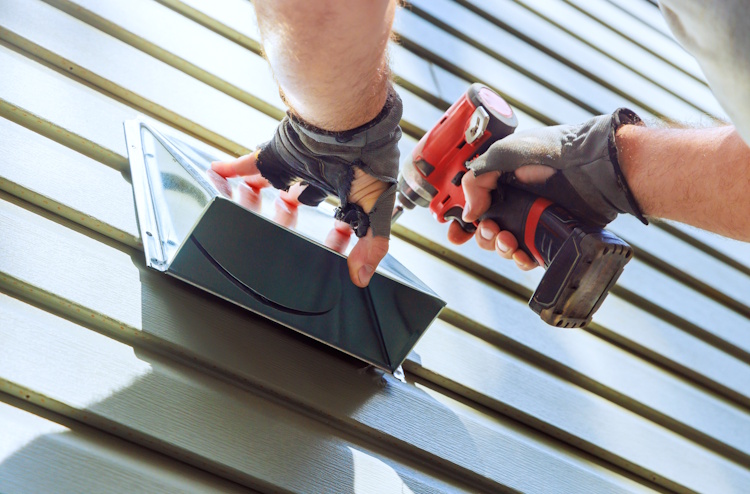
Even the best premium siding textures will look poor if they are installed incorrectly. One of the challenges with highly textured panels is managing the seams. In cheaper siding, the seams where two panels overlap are often very visible, breaking the illusion of natural wood. High-end products often feature “factory-cut” ends and interlocking designs that minimize the visibility of these joints.
Professional installers also use techniques like “staggering” to ensure that the patterns in the texture don’t repeat too closely together. This randomness is essential for a natural look. If two identical “knots” in a cedar grain texture are placed right next to each other, the human eye will immediately recognize the pattern as artificial. A skilled contractor will carefully curate the placement of each panel to maintain the organic flow of the texture.
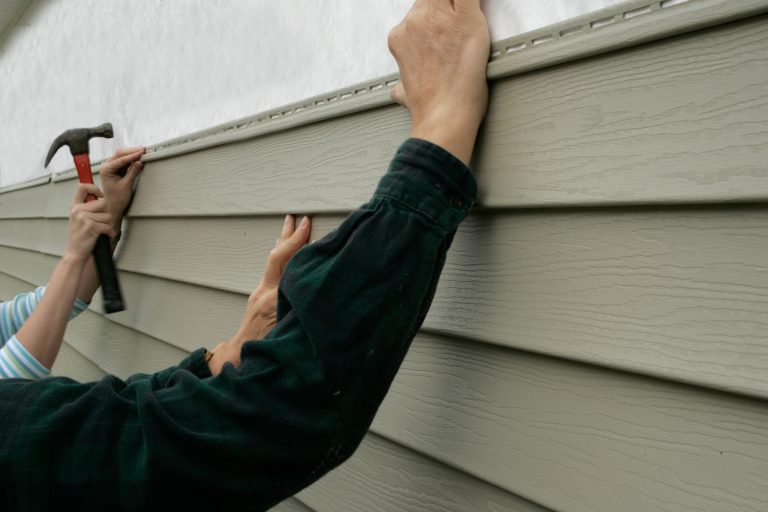
Another critical aspect of installation is the “hang.” Vinyl siding should never be nailed tightly to the wall; it needs to “hang” from the nails to allow for thermal expansion. If it’s nailed too tight, the panels will buckle, and the beautiful texture will become distorted. Ensuring a level, floating installation is the only way to preserve the architectural integrity of the textured surface over the long term.
Choosing the Right Trim and Accessories
To truly complete the look, the trim and accessories must match the quality of the siding. Using standard, flat trim with premium textured siding can create a visual mismatch. Many manufacturers offer textured trim pieces, corner posts, and soffits that complement the main panels. These details are what elevate a renovation from a simple “siding job” to a full architectural exterior redesign.
Consider using “mitered” corners for a more authentic wood-look. Instead of a large plastic corner cap, mitered corners allow the siding panels to meet at the edge, mimicking the way a master carpenter would finish a house. While these details add to the cost, they are the “finishing touches” that make the use of premium textures so effective in modern design.
Thermal Performance and Insulation Layers
Many premium siding options now come with an “integrated” or “contoured” foam backing. This insulation layer is custom-molded to fit the exact shape of the textured panel. This does more than just save energy; it actually supports the texture. By filling the void behind the vinyl, the foam provides a solid backing that makes the siding feel like real wood when you touch it. It eliminates the “hollow” sound that is often associated with vinyl siding.
From a thermal perspective, this added layer helps to break the “thermal bridge” of the wall studs, keeping your home warmer in the winter and cooler in the summer. When you combine the aesthetic benefits of premium siding textures with the functional benefits of contoured insulation, you create a building envelope that is both beautiful and highly efficient. This dual-purpose upgrade is often the most cost-effective way to improve a home’s performance.
In addition to temperature control, the foam backing acts as a sound dampener. If you live on a busy street or in a noisy neighborhood, the combination of thick, textured vinyl and insulation can significantly reduce the amount of exterior noise that enters your home. This adds a level of “quiet luxury” to the living experience that goes beyond mere visual appeal.
Choosing the Right Texture for Your Climate
Climate should be a major factor in your selection process. In the Pacific Northwest or other damp environments, a texture that sheds water quickly is vital. A very deep, hand-split shake might look beautiful, but it requires more attention to ensure that debris doesn’t get trapped in the grooves in a heavily wooded area. In these cases, a slightly smoother “brushed” or “satin” finish might be more practical while still providing a premium look.
In the desert Southwest, UV resistance is the primary concern. Intense sun can cause some textures to “chalk” or fade. In these regions, choosing a texture with a high-performance acrylic capstock is essential. These materials are specifically designed to withstand the high-heat, high-UV environment without losing their textural definition or color. Always consult with a local specialist who understands the specific environmental pressures of your region.
For coastal homeowners, the texture needs to be resistant to salt air. Some finishes can become pitted over time if they are not designed for maritime environments. Fortunately, many premium siding textures are tested specifically for “wind-load” and “salt spray,” making them an excellent choice for beachside properties that want the look of wood without the inevitable rot caused by the ocean air.
Color Theory and Textural Harmony
The relationship between color and texture is a cornerstone of professional design. Generally, darker colors tend to hide texture, while lighter colors highlight it. If you choose a very dark charcoal or navy blue siding, the shadows created by the texture will be less distinct. This can be a good thing if you want a more subtle, sophisticated look. However, if you want the texture to be the star of the show, lighter earth tones or “linen” colors will make every grain line pop.
Furthermore, consider the “sheen” of the siding. Most premium products feature a “low-gloss” or matte finish. This is intentional, as real wood rarely has a shiny, plastic-like surface. A matte finish allows the texture to do the talking, providing a more realistic and high-end appearance. High-gloss finishes can reflect light in a way that makes the texture look artificial, so it’s usually best to stick with flatter finishes for maximum realism.
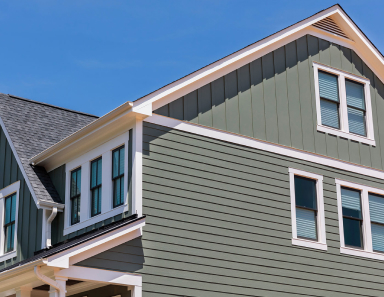
When mixing textures—such as using lap siding on the first floor and shakes on the gables—try to keep the color palette consistent. This creates a “monochromatic” look that feels modern and intentional. Alternatively, using a slightly different shade for the textured accent areas can add a layer of visual interest that breaks up the massing of the house, making it look more architecturally diverse and custom-built.
Environmental Sustainability in Modern Manufacturing
Sustainability is becoming a key factor in material selection. Many people are surprised to learn that premium vinyl siding is often more environmentally friendly than other options when considering the entire lifecycle. Because it lasts so long and never needs painting (which involves VOCs and chemicals), its long-term footprint is relatively low. Furthermore, many premium siding textures are manufactured using a high percentage of recycled content.
The manufacturing process itself has also become more efficient. Modern “closed-loop” systems ensure that any scrap material produced during the embossing process is immediately recycled back into the production line. This minimizes waste and ensures that the resources used are maximized. When you choose a high-quality product, you are supporting an industry that has made significant strides in reducing its environmental impact over the last two decades.
Additionally, the energy savings provided by insulated, textured siding contribute to a lower carbon footprint for the home over time. By reducing the demand on HVAC systems, these products help to lower overall energy consumption. For the eco-conscious homeowner, choosing a durable, high-performance material that won’t need to be replaced for 40 or 50 years is one of the most sustainable choices possible.
Common Misconceptions About Textured Siding
One of the most persistent myths is that textured vinyl siding is “just for looks” and won’t hold up in a storm. As we have discussed, the opposite is actually true. The texture adds structural rigidity. Another misconception is that textured siding is impossible to repair. While it is true that matching a specific grain pattern can be tricky, the modular nature of vinyl siding means that individual panels can be replaced without tearing down the entire wall.
Some people also believe that textured siding will “trap” heat and make the house hotter. However, with the use of modern reflective pigments and proper ventilation behind the siding (the “rainscreen” principle), textured siding actually performs very well in hot weather. It provides an extra layer of protection that keeps the direct sun off the home’s structural sheathing, acting as a heat shield.
Finally, there is the idea that all vinyl siding is essentially the same. This couldn’t be further from the truth. The difference between a builder-grade “flat” panel and a premium textured panel is like the difference between a laminate countertop and a slab of natural granite. The engineering, the material quality, and the visual depth are in completely different categories. Educating yourself on these differences is the first step toward a successful home transformation.
The Future of Siding Technology
Looking forward, the technology behind siding textures is only getting better. We are seeing the emergence of 3D printing in some manufacturing stages, allowing for even more complex and non-repeating patterns. This will eventually lead to siding that is completely indistinguishable from natural wood, even under a magnifying glass. The “uncanny valley” of synthetic materials is being bridged by the relentless pursuit of textural perfection.
We are also seeing “smart” textures that can change their properties based on the environment. While still in the experimental stage, these materials could potentially open up or close down their “pores” to manage moisture and heat more effectively. For now, the focus remains on perfecting the “hand-crafted” look using industrial-scale precision. The goal is to provide every homeowner with access to architectural beauty that was once reserved for only the most expensive custom builds.
In conclusion, choosing premium siding textures is an investment in both the present and the future. It provides immediate aesthetic satisfaction and long-term peace of mind. By moving away from flat, uninspired surfaces and embracing the depth and character of textured materials, you can transform your home into a landmark in your neighborhood. The combination of modern durability and timeless style makes this one of the smartest upgrades any homeowner can make.